

UKR Knee Replacement in Bhopal | Dr SK Gupta
Our Work Experience
12500+ Successful
Surgeries
21+ Years
Of Experience
10000+ Sports
Persons Treated
25+ States Serve
from the Country
250 International
Stature Awards Ach.
98.33% Satisfaction
Happy Patient Index
Get An Expert Opinion
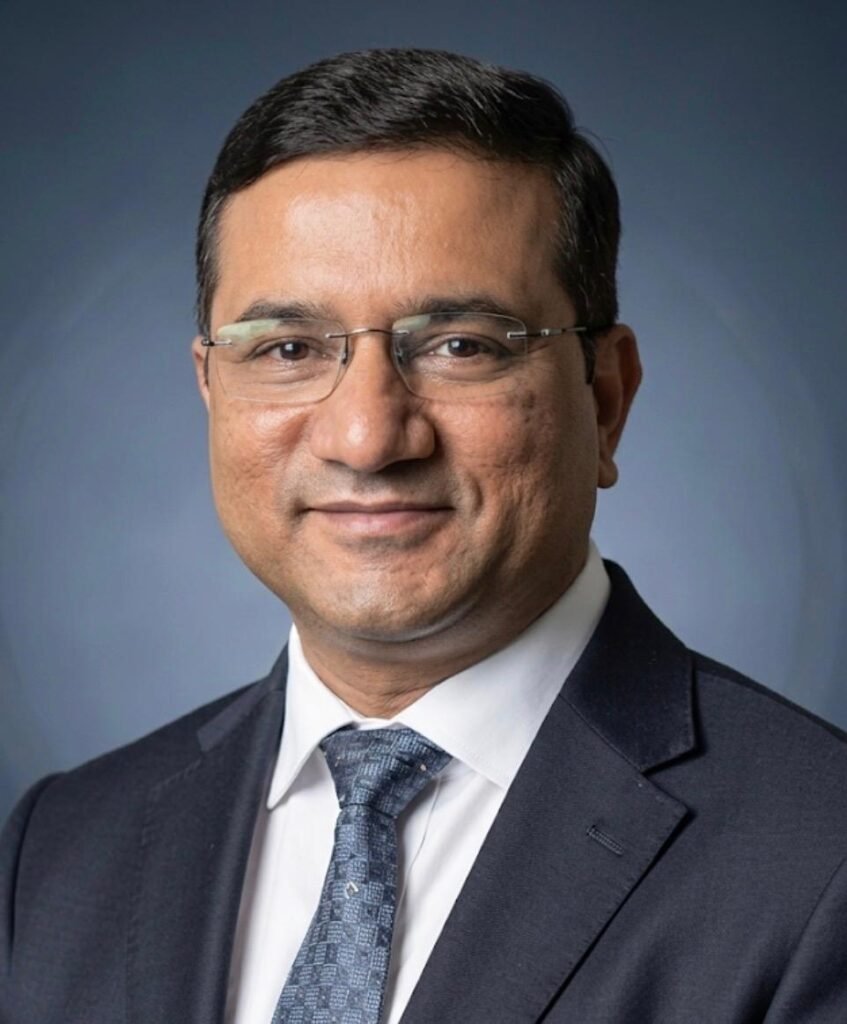
Dr. S.K. Gupta Contribution In Partial Knee Replacement for Arthritis
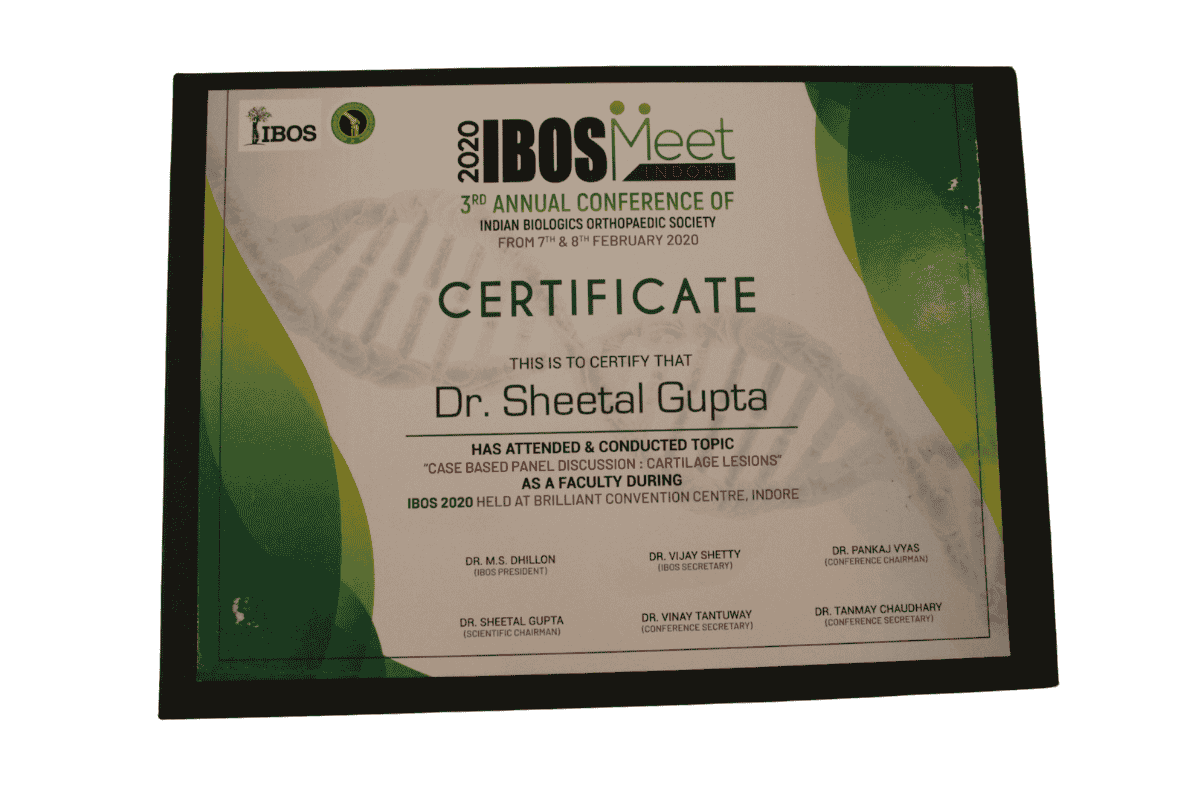
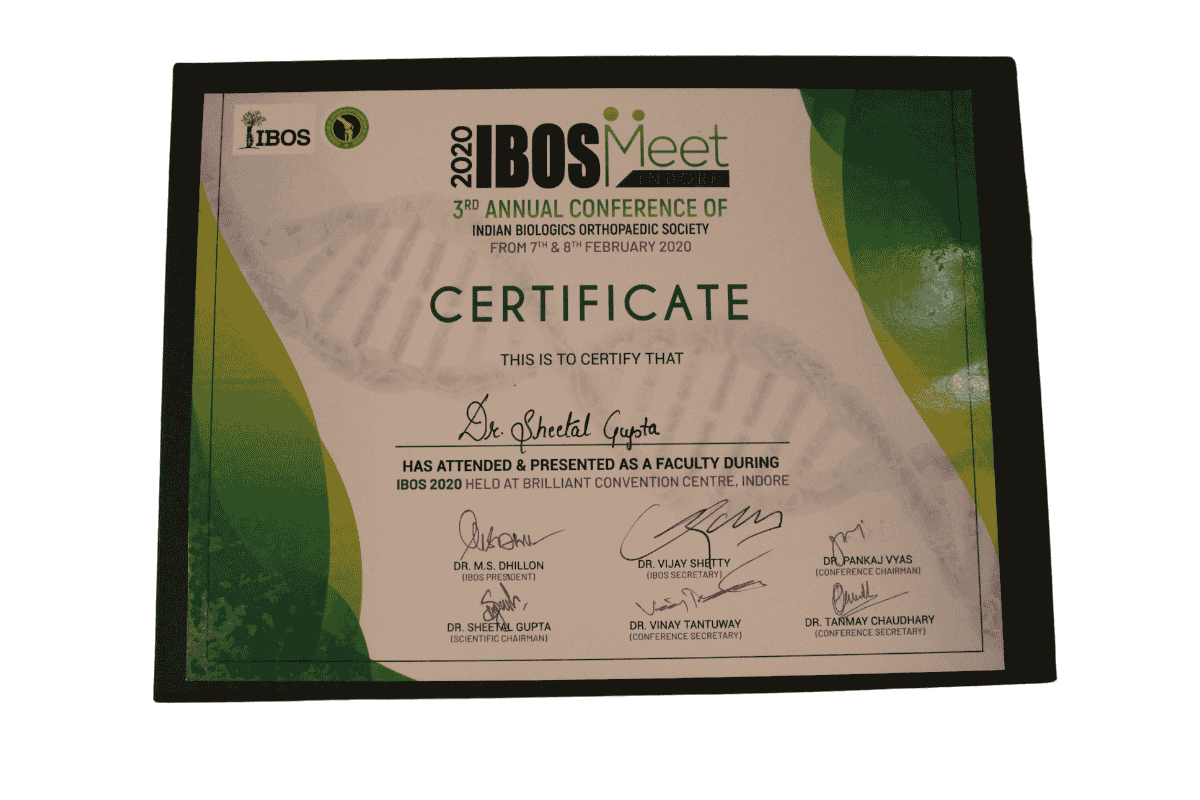
Faculty joint conclave 26/06/2022 Indore
Organized knee arthroplasty course 24/04/2022
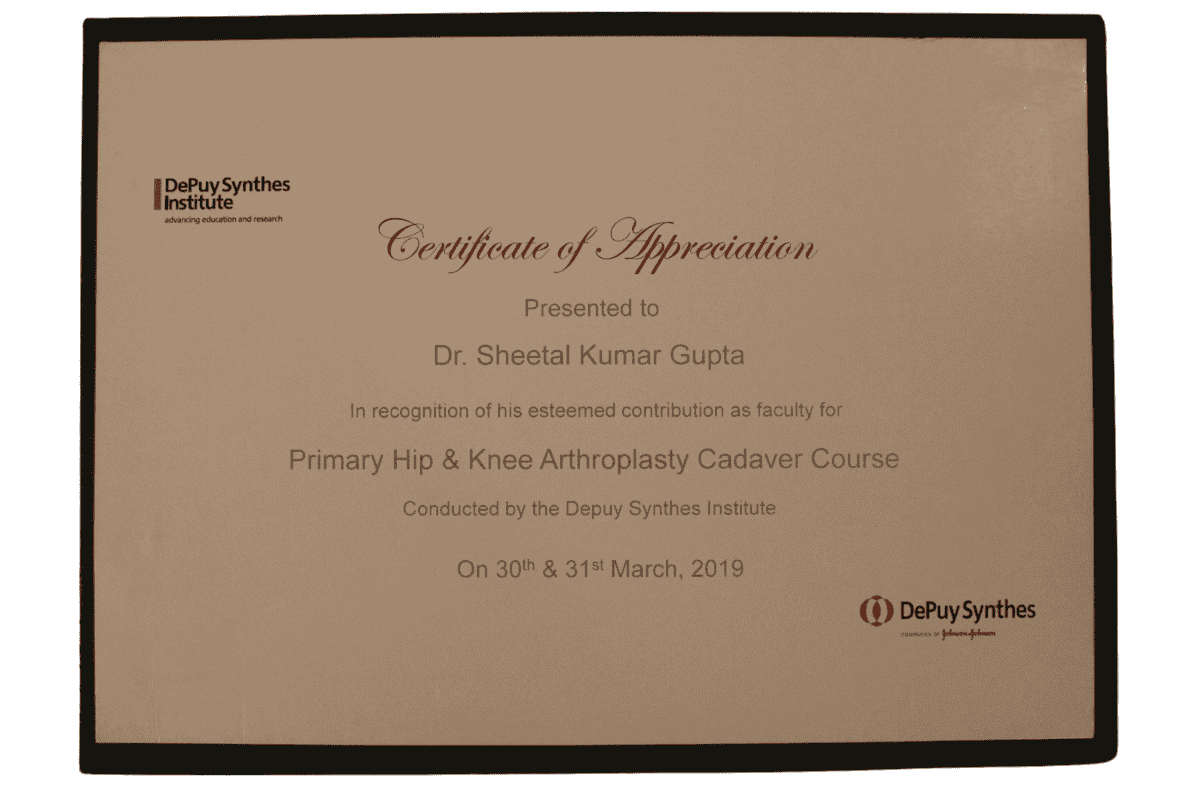
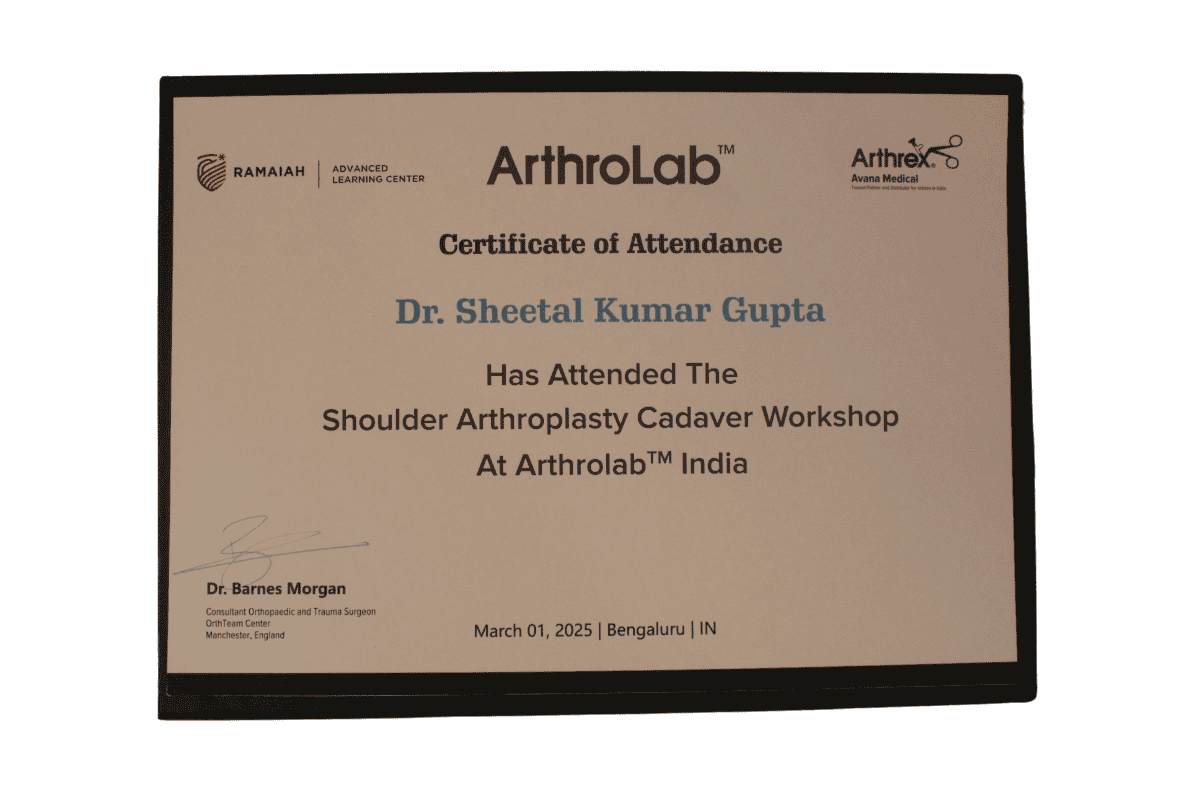
Faculty Arthroplasty cadaveric course Bangalore 2019
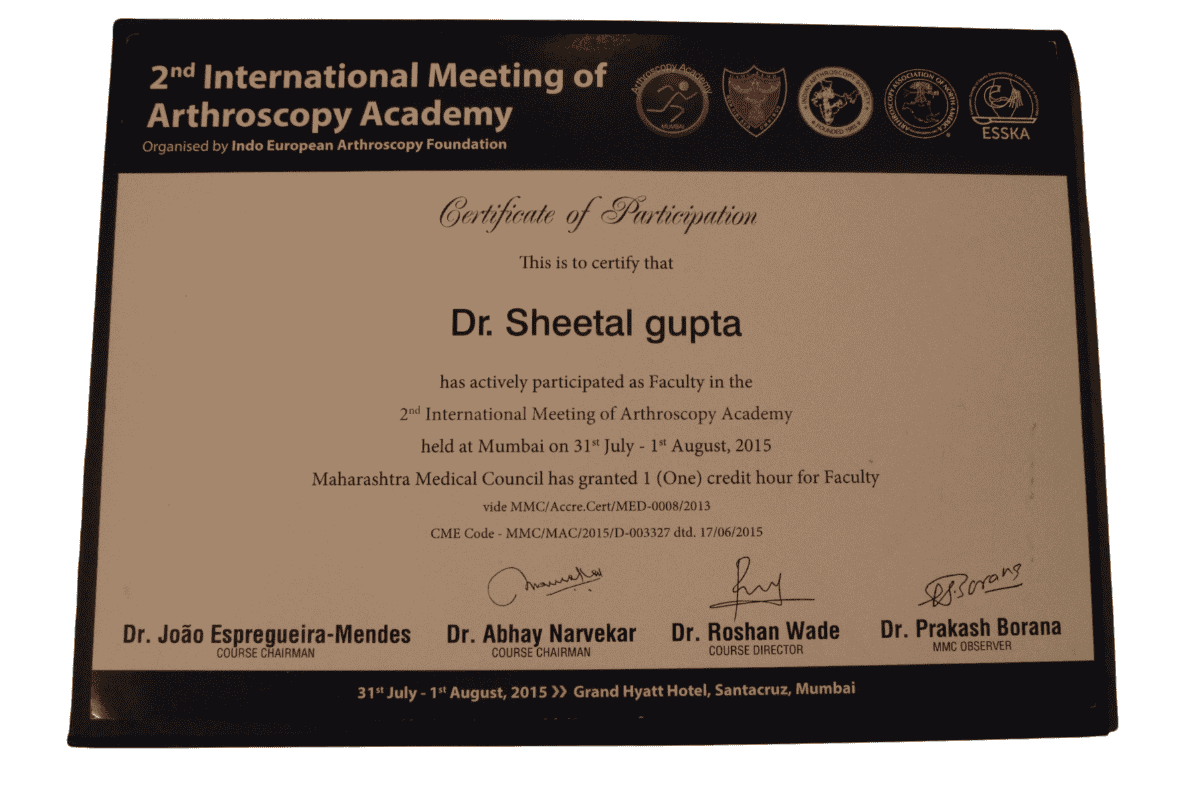
Faculty Indore Arthroplasty course 2018
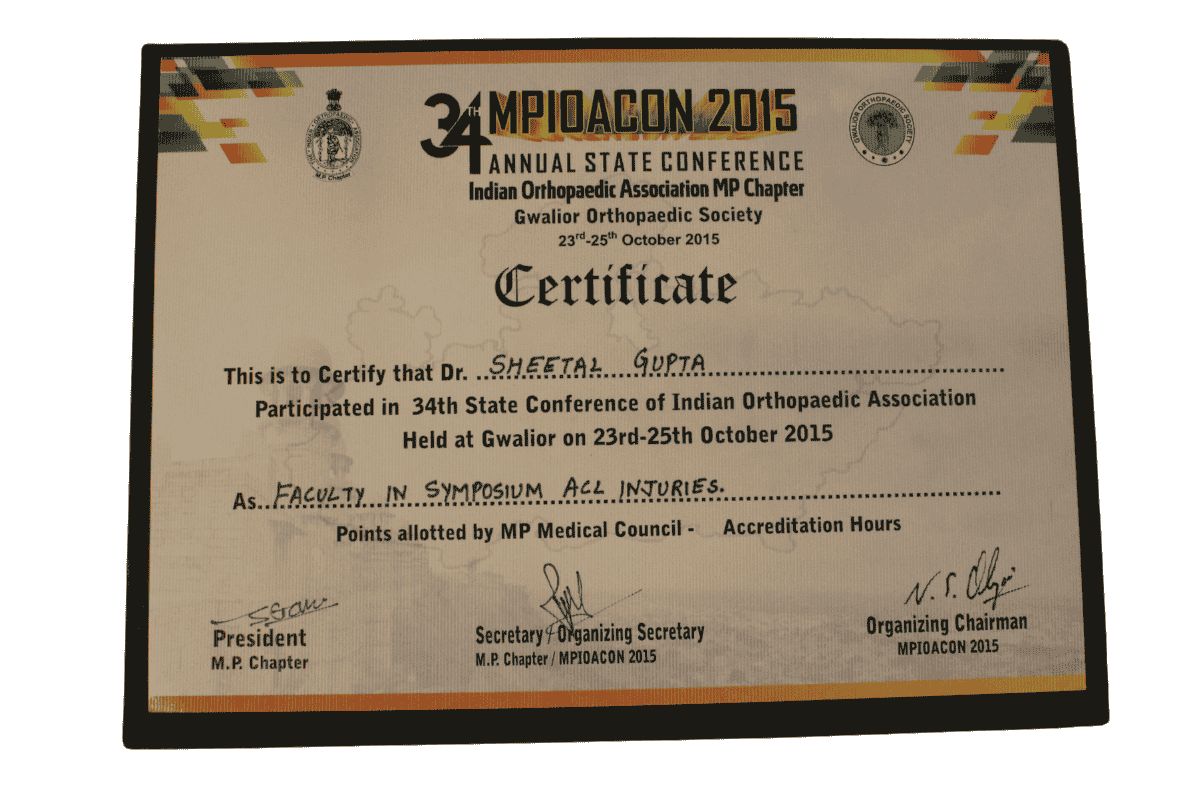
Faculty CGORTHOCON 2017
Publication-
Role of debulking mucoid ACL in unicompartmental knee arthroplasty: a
prospective multicentric study.
Knee surgery & related research 2022-10-23 Journal article DOI: 10.1186/s43019-022-00169-9
Surgeon Dr S K Gupta has worked with Dr Rajeev K Sharma, Senior Consultant (Dept of Orthopedics
& Joint Replacement) from Feb 2005 to Apr 2006 at Indraprastha Apollo Hospital, New Delhi.
- Worked with Dr Jean Louis Briad with exposure in navigation knee replacement.
- Worked with Dr Y. Kharbanda senior consultant joint replacement Apollo Hospital Delhi.
- Exposure in Primary & Revision Knee Replacement (assisted over more than 300 cases).
- Exposure in Unicondylar Knee Replacement, Surface Replacement
Arthroplasty & Metal on Metal Hip Replacement.
● Exposure in Navigation Total Knee Arthroplasty.
Call for Phone Assistance
Google Reviews
EXCELLENT Based on 565 reviews
 Posted on Google
 Santosh ShrivasIn Apollo hospital...under guidance of Dr. SK Gupta sir I had completed my ACL reconstruction surgery under sir guidance.....with help of Dr Gupta expertise and skills I gone through a successful surgery. Dr. SK Gupta is a truly good and compassionate surgeon... talking about appolo hospital there the helpful nursing staff, cleanliness and comfort, management team, anesthesia team all provide me with the quick response...after surgery also the nursing staff provide me with the quick response and after surgery treatment... Talking about ACL surgery experience was overall good....the pre surgery process, surgery process, and physical therapy after surgery was also very effective As I experienced I would say For ligament and ACL reconstruction surgery D.R SK Gupta Sir was best and Apollo Hospital was bestPosted on Google
 Satyam KumarDr. S. K. Gupta performed ACL surgery on both of my mother’s knees, and we couldn’t be more grateful for his exceptional care and expertise. He explained the procedure clearly, ensured we were comfortable at every step, and followed up regularly during recovery. The surgeries went smoothly, and my mother is now recovering with great confidence. Dr. Gupta is not only highly skilled but also very compassionate and approachable. His team at the hospital was equally supportive and attentive. I would highly recommend Dr. S. K. Gupta for anyone looking for an experienced and caring orthopedic surgeon in Bhopal.Posted on Google
 Shivank Kashyap> I recently underwent surgery in Apollo SAGE hospital Bhopal and I’m very satisfied with the entire experience of Dr SK Gupta Sir team. The doctors and wtaff were professional, caring, and attentive throughout the process. The procedure went smoothly, and my recovery has been undergoing with SK Gupta Sir team. The doctors was very supportive during my undergoing recovery and visited multiple times a day to help with my issues and guide me with exercises. I’m thankful for his care and concern.Posted on Google
 Shubhanshu UsreteI would like to express my heartfelt gratitude to Dr. S.K. Gupta for the exceptional care and expertise he showed while treating my mother’s (Mrs. Indra Usrete) knee. She recently underwent surgery under his supervision, and we are truly thankful for how smoothly everything went — from pre-surgery counselling to post-operative recovery. Dr. Gupta’s professionalism, patience, and genuine concern for his patients made a huge difference in my mother’s confidence and comfort throughout the process. His ability to clearly explain every step of the treatment helped us feel reassured and informed at all times. I would highly recommend Dr. S.K. Gupta to anyone seeking an experienced, caring, and trustworthy orthopaedic specialist. P.S.- Above is my personal opinion, kindly take proper advise and guidance before treating your dear ones.Posted on Google
 YASH YEWALE
Trustindex verifies that the original source of the review is Google.
Dr. S.K. Gupta and team are doing good jobPosted on Google Dr. Mukesh Chandra BishtI had my knee surgery of acl and meniscus on 3rd October 2025 had a great experience. Dr Gupta is one of the best sports injuries specialist. The junior doctors and all the staff were very professional and everyone knew his/her role.Posted on Google
 Prashant ChaudharyIt's a privilege to having an International level doctor Dr S K Gupta sir (Knee & Shoulder Surgeon) in Central India, Bhopal. Else for the same surgery patients had to visit Mumbai, Delhi etc, now which saves time and money both. Thank you sir for successful ACL replacement of my wife.Posted on Google
 Pushpendra KushwahaDr. Well experienced and polite.. 2 din pahle main visit kiya tha x-ray quility had se jyada poor hai and x-ray staff all time mobile me lage rahte hai unka kam par bilkul dyan nhi rahta .. Jinki laparwahi ki wajah se report proper nhi ati hai aur digonosis sahi se nhi hua .. Ohi poor and galat report ki wajah se muje opass se surgery ka suggestion diya gya jab main second opinion liye other dr. Se to all good and fast recovery results aya..
Patient Success Stories
Our Experience in Numbers
Dr. S.K. Gupta is a renowned surgical orthopedic doctor practising in India.
Unicondylar Knee Replacement (UKR) is a minimally invasive surgical procedure that replaces only the damaged compartment of the knee joint, preserving healthy bone, cartilage, and ligaments. Unlike total knee replacement, UKR requires a smaller incision, involves less blood loss, and offers significantly faster recovery — making it an ideal choice for patients with single-compartment osteoarthritis.
Introduction
If you have been told you need a knee replacement but want to preserve as much of your natural knee as possible, Unicondylar Knee Replacement (UKR) — also called partial knee replacement — may be the right solution for you. At Apollo Sage Hospital, Bhopal, Dr SK Gupta, one of India’s most experienced orthopaedic surgeons with over 21 years of practice and 12,500+ surgeries, performs advanced UKR procedures using state-of-the-art arthroscopic and implant technologies.
Unlike Total Knee Replacement (TKR), UKR replaces only the diseased compartment of your knee, leaving healthy tissue intact. This translates to less pain, smaller scars, quicker return to daily life, and a more natural-feeling knee after recovery. If you are suffering from medial or lateral compartment osteoarthritis in Bhopal or anywhere in Madhya Pradesh, this page will help you understand everything about UKR surgery, who qualifies, what to expect, and why Apollo Sage Hospital is the preferred destination for this procedure in Central India.
1. What Is Unicondylar Knee Replacement (UKR)?
Quick Answer: UKR is a surgical procedure that replaces only the damaged compartment (medial, lateral, or patellofemoral) of the knee with a prosthetic implant, preserving all healthy knee structures. It is recommended for patients with single-compartment osteoarthritis and intact cruciate ligaments.
The knee joint is divided into three compartments:
- Medial compartment (inner side of the knee) – most commonly affected
- Lateral compartment (outer side of the knee)
- Patellofemoral compartment (front of the knee, behind the kneecap)
In Unicondylar Knee Replacement (UKR), also referred to as Unicompartmental Knee Arthroplasty (UKA), only the damaged compartment is replaced with a metal and polyethylene implant. The remaining healthy bone and cartilage are left completely untouched. This is fundamentally different from a Total Knee Replacement (TKR), where the entire knee surface — all three compartments — is replaced regardless of disease extent.
Dr SK Gupta at Apollo Sage Hospital, Bhopal, uses advanced precision-guided techniques to perform UKR with exceptional accuracy, optimizing implant positioning and long-term outcomes for patients across Madhya Pradesh and Central India.
2. How Is UKR Different from Total Knee Replacement?
Quick Answer: UKR replaces only one compartment; TKR replaces the entire knee. UKR preserves more natural knee tissue, offers faster recovery, and delivers a more natural feel post-surgery, but is only suitable for patients with single-compartment disease.
Feature | UKR (Partial Knee Replacement) |
Compartments Replaced | 1 only (medial, lateral, or patellofemoral) |
Incision Size | Smaller (8–10 cm) |
Blood Loss | Significantly less |
Hospital Stay | 1–2 days |
Recovery Time | 4–6 weeks to return to activities |
Natural Knee Feel | Higher – preserves ligaments & tissue |
Eligibility | Single-compartment OA, intact ligaments |
Long-Term Revision | May require conversion to TKR if OA progresses |
Research published in peer-reviewed journals including the British Medical Journal (BMJ) and NCBI confirms that UKR patients demonstrate superior early functional outcomes and faster return to activity compared to TKR, especially in younger and more active patients. Dr SK Gupta tailors each surgical plan to the individual patient’s anatomy, activity level, and disease progression.
3. Who Is a Candidate for UKR Surgery?
Quick Answer: Ideal UKR candidates are patients aged 55–75 with isolated single-compartment knee osteoarthritis, a BMI below 35, intact cruciate ligaments, and minimal deformity. Dr SK Gupta performs a thorough clinical and imaging evaluation to confirm candidacy.
Ideal Candidates for UKR:
- Diagnosed with medial or lateral compartment osteoarthritis (Kellgren-Lawrence Grade 3–4)
- Intact anterior and posterior cruciate ligaments (ACL and PCL)
- Minimal angular deformity (varus or valgus less than 15 degrees)
- Age typically 55 to 75 years (may be considered in selected younger patients)
- BMI preferably below 35
- Conservative treatments (physiotherapy, injections) have not provided lasting relief
- Patient desires an active lifestyle post-surgery
Who May NOT Be Suitable for UKR:
- Multi-compartment osteoarthritis or severe deformity
- Ruptured or absent cruciate ligaments
- Severe inflammatory arthritis (rheumatoid arthritis)
- Significant prior knee surgery limiting implant placement
- Very young patients with very high activity demands (assessed case by case)
Dr SK Gupta conducts a comprehensive evaluation including weight-bearing X-rays, MRI scans, and clinical examination at Apollo Sage Hospital and Orthocity Clinic, Bhopal, before recommending UKR.
4. The UKR Surgical Procedure – Step by Step
Quick Answer: UKR surgery at Apollo Sage Hospital typically takes 60–90 minutes under spinal or general anaesthesia. Dr SK Gupta uses precision alignment tools to remove only the damaged bone surface and place a custom-fitted implant with minimal disruption to surrounding tissue.
- Pre-operative Assessment: Blood tests, imaging, anaesthesia review, and physical examination at Apollo Sage Hospital.
- Anaesthesia: Spinal (regional) or general anaesthesia, selected based on patient health profile.
- Incision: A small 8–10 cm incision is made over the affected compartment — significantly smaller than a TKR incision.
- Bone Preparation: Only the arthritic bone surface of the damaged compartment is precisely resected using computer-assisted or conventional guides.
- Implant Placement: A metal femoral component, tibial tray, and high-grade polyethylene bearing are secured in the optimal biomechanical position.
- Closure: Wound is closed in layers; drain may be placed for 24 hours.
- Recovery Room: Patient monitored post-anaesthesia; physiotherapy begins within hours of surgery.
Dr SK Gupta’s expertise with over 12,500 orthopaedic and arthroscopic procedures ensures precision implant placement, optimal alignment, and excellent functional outcomes in every UKR case performed at Apollo Sage Hospital, Bhopal.
5. Types of UKR Implants Used at Apollo Sage Hospital
Quick Answer: Apollo Sage Hospital uses internationally approved fixed-bearing and mobile-bearing unicondylar implants from leading manufacturers. Dr SK Gupta selects the implant design based on each patient’s anatomy, activity level, and surgical findings.
- Fixed-Bearing UKR Implants: Tibial component is rigidly fixed; suitable for most patients.
- Mobile-Bearing UKR Implants: Polyethylene insert rotates freely; may offer improved range of motion in selected patients.
- Robotic-Assisted / Navigation-Guided Implantation: Precision alignment technology to reduce human error and improve outcomes.
All implants used at Apollo Sage Hospital meet international quality and biocompatibility standards. Dr SK Gupta discusses the most appropriate implant choice with each patient during the pre-operative consultation.
6. Benefits of Unicondylar Knee Replacement
Quick Answer: Key benefits of UKR over TKR include smaller incision, less blood loss, faster recovery, shorter hospital stay, preservation of healthy tissue, and a more natural-feeling knee. UKR is particularly advantageous for younger, active patients.
- Minimally Invasive: Smaller incision (8–10 cm) compared to TKR (20–30 cm), leading to less tissue damage and reduced scarring.
- Faster Recovery: Most patients return to light daily activities within 2–4 weeks and full activities within 6–8 weeks.
- Less Blood Loss: Reduced operative blood loss means lower transfusion risk and faster post-operative recovery.
- Shorter Hospital Stay: Typically 1–2 days compared to 3–5 days for TKR.
- Preservation of Natural Tissue: Healthy bone, cartilage, and both cruciate ligaments are preserved, maintaining natural knee biomechanics.
- Better Range of Motion: Patients often achieve greater flexion and a more natural knee feel post-surgery.
- Lower Anaesthesia Exposure: Shorter operative time reduces anaesthetic burden, particularly beneficial for elderly patients.
- Future Revision Possible: If osteoarthritis progresses to other compartments, UKR can be converted to TKR — the prior UKR does not compromise future surgical options.
7. Risks and Considerations
Quick Answer: UKR carries standard surgical risks including infection, deep vein thrombosis, and implant loosening. Disease progression to other compartments may require future revision surgery. Dr SK Gupta conducts thorough pre-operative risk stratification to minimise complications.
- Surgical site infection (rare; managed with prophylactic antibiotics)
- Deep vein thrombosis (DVT) — prevented with blood thinners and early mobilisation
- Implant loosening or wear over time
- Progression of osteoarthritis to other compartments
- Persistent pain or stiffness in a small minority of patients
- Anaesthetic complications (assessed and managed by the Apollo Sage anaesthesia team)
The vast majority of appropriately selected UKR patients at Apollo Sage Hospital experience excellent outcomes with minimal complications. Dr SK Gupta’s international fellowships and extensive experience ensure the highest standard of surgical care and risk management.
8. UKR Recovery and Rehabilitation Timeline
Quick Answer: UKR recovery progresses from immediate post-operative mobilisation (within hours of surgery) to returning to full activities by 6–8 weeks. A structured physiotherapy programme at Apollo Sage Hospital guides each patient through a safe and effective recovery.
Timeline | Recovery Milestones |
Day 1–2 | Pain management, physiotherapy starts, walking with support |
Week 1–2 | Discharge home, gentle knee bending exercises, reduced swelling |
Week 2–4 | Walking without aids, driving (as advised), light activities |
Week 4–6 | Stairs, longer walks, return to sedentary work |
Week 6–8 | Return to most daily and light recreational activities |
3–6 Months | Full recovery, return to active lifestyle, swimming, cycling |
The rehabilitation team at Apollo Sage Hospital, Bhopal, under the direction of Dr SK Gupta, provides a personalised physiotherapy and recovery plan to ensure each patient achieves the best possible functional outcome.
9. Why Choose Dr SK Gupta for UKR Surgery in Bhopal?
Quick Answer: Dr SK Gupta is one of India’s most experienced knee and shoulder surgeons, with 21+ years of practice, 12,500+ surgeries, international fellowships from Japan, Singapore, and Delhi, and recognition as a Centre of Excellence for Sports Surgeries by the Abhinav Bindra Foundation Trust.
- 21+ Years of Expertise: Highly specialised in knee arthroscopy, knee replacement, and sports surgery.
- 12,500+ Surgeries Performed: One of the highest-volume knee surgeons in Central India.
- MS Orthopaedics (Mumbai): Rigorous academic and clinical training at one of India’s premier institutions.
- International Fellowships: Trained in Japan, Singapore, and Delhi — bringing global surgical standards to Bhopal.
- First Indian FAANA Fellow: The first arthroscopy surgeon from India to receive the prestigious Fellowship of the Arthroscopy Association of North America (FAANA).
- Abhinav Bindra Foundation Centre of Excellence: Recognised for surgical excellence in sports and joint procedures.
- Senior Orthopaedic Surgeon, Apollo Sage Hospital Bhopal: Director, Arthroscopy & Joint Replacement — leading the most advanced knee programme in Madhya Pradesh.
Learn more: About Dr SK Gupta | International Presence & Fellowships
Partial Knee Replacement for Arthritis
Partial knee replacement is an effective treatment for individuals suffering from knee arthritis, particularly when the damage is confined to one part of the knee. Unlike total knee replacement, which replaces the entire joint, partial knee replacement focuses on removing the damaged portion of the knee and replacing it with an artificial implant while preserving the healthy bone and tissue.
Arthritis can lead to the breakdown of the cartilage in the knee, causing pain, stiffness, and reduced mobility. When this happens in one area of the knee, partial knee replacement may be recommended, as it can provide significant relief while preserving more of the knee’s natural structure. This procedure is particularly beneficial for individuals who are still relatively active and wish to maintain a higher level of physical function.
Dr. S.K. Gupta emphasizes that partial knee replacement is a highly effective solution for patients with arthritis who have not responded well to non-surgical treatments such as physical therapy, medications, or injections. It is often an option for individuals who are in the earlier stages of arthritis and still have healthy cartilage in some parts of the knee.
The surgery is usually performed with minimally invasive techniques, meaning smaller incisions and a faster recovery time. This results in less postoperative pain and a quicker return to daily activities. Many patients can resume normal activities such as walking, climbing stairs, and light sports after a few months of recovery.
Partial knee replacement surgery can offer improved outcomes for patients by restoring the knee’s function and reducing pain without the need for a full knee replacement. It is essential, however, to consult with an experienced orthopedic surgeon like Dr. S.K. Gupta to determine if this procedure is suitable for your specific condition and needs.
In the initial recovery phase, physical therapy plays a crucial role in helping patients regain strength and mobility in the operated knee. This step is essential for a successful outcome, enabling individuals to return to their normal activities, such as walking and light sports, after several months of rehabilitation.
Partial knee replacement surgery can be an excellent option for patients suffering from arthritis who have significant damage to only part of their knee. The procedure helps reduce pain and discomfort, restoring function and improving quality of life. However, it’s important to pursue surgical intervention only after exhausting all non-surgical treatment options, such as medications, physical therapy, and injections.
10. Why Apollo Sage Hospital Is Central India's Leading Knee Centre
Quick Answer: Apollo Sage Hospital, Bhopal, offers the highest standard of orthopaedic and joint replacement care in Madhya Pradesh, combining Apollo’s world-class infrastructure with Dr SK Gupta’s unmatched surgical expertise in knee procedures.
- Apollo network’s ISO-certified infrastructure and international-grade operation theatres
- Advanced anaesthesia and critical care facilities
- Dedicated orthopaedic and physiotherapy rehabilitation team
- State-of-the-art imaging (high-field MRI, digital X-ray, CT scan)
- International implant systems from globally recognised manufacturers
- Comprehensive pre-operative and post-operative care protocols
- Recognised Centre of Excellence for Sports Surgeries (Abhinav Bindra Foundation)
- Serving patients from across Madhya Pradesh, Chhattisgarh, Rajasthan, and beyond
Locations & Appointments
Apollo Sage Hospital, Bhopal
Get Directions – Apollo Sage Hospital
Orthocity Clinic, Bhopal
Get Directions – Orthocity Clinic
Book Appointment Online:
Call / WhatsApp: +91-7610101079 | +91-7611111179
11. Patient Experiences
Patients who have undergone UKR surgery under Dr SK Gupta at Apollo Sage Hospital, Bhopal, consistently report significantly reduced knee pain, improved mobility, and a rapid return to daily activities within weeks of surgery. Many describe the experience of walking without a limp for the first time in years. Patients from across Madhya Pradesh, and those who have travelled from other states, appreciate the attentive pre-operative counselling, smooth hospital experience, and the dedicated post-operative rehabilitation at Apollo Sage Hospital.
Feedback themes from patients treated by Dr SK Gupta include confidence in surgical expertise, clear communication about the procedure and recovery expectations, and a high level of trust in the Apollo Sage Hospital team.
Read patient testimonials: Written Testimonials | Video Testimonials
Why Consult Dr. S.K. Gupta for Partial Knee Replacement for Arthritis
Dr. Sheetal Kumar Gupta is an arthroscopy and sports injury specialist heading the arthroscopy and joint reconstruction unit at apollo sage and galaxy hospital, Bhopal. He has been a consultant for sports medicine, Sports Authority of India & State Sports Academy and is serving National level teams of various disciplines like Hockey, Judo, Kabbadi, Water Sports, Wushu Taikwando etc.
He has done his fellowship in Arthroscopy and Sports medicine from Japan and was trained at various international surgical centres. With an experience of more than 18 years, he has performed over 8000 knee and shoulder surgeries including complex ligament surgeries and surgeries of around more than 2000 National/International level players of various disciplines. He is National and International level faculty for various seminars, conferences and workshops.
Notable Achievements:
- Trained at Japan, Germany, UK, Singapore, Malaysia and Thailand.
- Visiting sports medicine specialist Sports Authority of India (SAI).
- Ex Sports injury specialist to Indian senior Women National Hockey team.
- Ex-Dope control officer, National Anti-doping Agency (NADA).
- National faculty for advance knee and shoulder arthroscopy workshop and conferences.
- Performed more than 8000 arthroscopies independently including knee, shoulder, ankle and hip arthroscopies.
- Successfully operated over 2000 players who are back in sports and have won national and international medals after their surgeries.
- Successfully treated more than 10000 sports players of various disciplines.
- Internationally trained and more than 21+ years of experience.
- Has treated National and International level players of Hockey like Sardar Singh, Shivendra, Sandeep Singh, Dilip Tirkey, Sameer Dad ; Olympic champion Ankit Sharma, Commonwealth Karate champion Supriya Jatav, world champions of Judo like Sanathoi, Kalpana Devi, Navjot to name a few and boxing legends like M.C. Mary Kom & Sarita devi.
📞 Call / WhatsApp: +91-7610101079 | +91-7611111179
📅 Book Online: https://apollosage.in/doctors/dr-s-k-gupta
📍 Apollo Sage Hospital, Bhopal: https://share.google/SXEd0xJbNkufOGGXc
📍 Orthocity Clinic, Arera Colony, Bhopal: https://share.google/QfMSO7rDjztjpYLI2
📧 Send your MRI / X-ray report online for an expert second opinion.
Types Of Treatments Offered By SKG Ortho Unit.
Dr. S.K. Gupta specializes in problems of shoulder, hip and knee. These are the following types of treatments that the doctor provides.
Sports Injury Treatment
HIP Surgery
FREQUENTLY ASKED QUESTIONS
Q1: What is Unicondylar Knee Replacement (UKR)?
Unicondylar Knee Replacement (UKR), also called partial knee replacement, is a surgical procedure that replaces only the damaged compartment of the knee joint — either the medial (inner), lateral (outer), or patellofemoral (front) compartment. Unlike total knee replacement, UKR preserves all healthy knee tissue, the cruciate ligaments, and the remaining healthy compartments, resulting in a more natural-feeling knee after surgery.
Q2. Who is a good candidate for UKR surgery in Bhopal?
Ideal candidates for UKR in Bhopal are patients with isolated single-compartment knee osteoarthritis, intact cruciate ligaments, minimal knee deformity, and a BMI below 35. Dr SK Gupta at Apollo Sage Hospital performs a thorough clinical evaluation including imaging to determine if UKR is appropriate for each individual patient.
Q3. How is UKR different from Total Knee Replacement (TKR)?
UKR replaces only the diseased compartment of the knee, while TKR replaces the entire knee surface. UKR offers a smaller incision, less blood loss, shorter hospital stay, faster recovery, and a more natural knee feel. However, UKR is only suitable for patients with single-compartment osteoarthritis and intact ligaments.
Q4. What is the recovery time after Unicondylar Knee Replacement?
Most UKR patients begin walking with support within hours of surgery. Light daily activities resume within 2–4 weeks. Full recovery and return to an active lifestyle typically occur within 6–8 weeks. Dr SK Gupta's dedicated physiotherapy team at Apollo Sage Hospital, Bhopal, guides each patient through a structured rehabilitation programme.
Q5. Is UKR surgery painful?
Post-operative pain after UKR is generally less than after total knee replacement due to the smaller incision and less tissue disruption. Pain is effectively managed with a multimodal analgesia protocol at Apollo Sage Hospital. Most patients report significant pain relief within the first 1–2 weeks following surgery.
Q6. How long does a UKR implant last?
Well-placed UKR implants in appropriately selected patients have demonstrated excellent durability, with studies reporting over 90% survivorship at 10 years. Long-term implant longevity depends on patient weight, activity level, and implant alignment. Dr SK Gupta uses internationally validated implant systems at Apollo Sage Hospital, Bhopal.
Q7. Can UKR be converted to Total Knee Replacement later?
Yes. If osteoarthritis progresses to other compartments of the knee in future, UKR can be converted to a total knee replacement. This conversion surgery is technically feasible and does not compromise the outcome of the subsequent TKR. Dr SK Gupta discusses this possibility with every UKR patient during pre-operative counselling.
Q8. What anaesthesia is used for UKR surgery?
UKR surgery at Apollo Sage Hospital is performed under spinal (regional) anaesthesia or general anaesthesia, based on the patient's health profile and anaesthetist recommendation. Spinal anaesthesia is often preferred as it allows faster post-operative recovery and reduces systemic side effects.
Q9. Is there a weight limit for UKR surgery?
A BMI below 35 is generally recommended for UKR, as higher body weight increases implant stress and the risk of early wear or loosening. Dr SK Gupta evaluates each patient individually — patients with higher BMI may be counselled on weight management before considering surgery.
Q10. What are the risks of Unicondylar Knee Replacement?
Risks of UKR include surgical site infection, deep vein thrombosis, implant loosening, and progression of arthritis to other knee compartments. These risks are minimised through careful patient selection, precision surgical technique, and thorough post-operative care. Dr SK Gupta's extensive surgical experience ensures the highest safety standards at Apollo Sage Hospital.
Q11. How many days of hospitalisation are required for UKR in Bhopal?
Most UKR patients at Apollo Sage Hospital, Bhopal, are hospitalised for 1–2 days. Early mobilisation, effective pain management, and structured physiotherapy allow patients to return home safely within 48 hours of surgery in most cases.
Q12. Does UKR preserve the cruciate ligaments?
Yes. One of the key advantages of UKR is that it preserves both the anterior cruciate ligament (ACL) and posterior cruciate ligament (PCL), as well as the intact compartments. This preservation of the natural ligamentous anatomy is a major reason why UKR provides a more natural-feeling knee compared to total knee replacement.
Q13. What physiotherapy is required after UKR?
Physiotherapy after UKR begins within hours of surgery. The rehabilitation programme includes range-of-motion exercises, quadriceps strengthening, balance training, and progressive weight-bearing. Dr SK Gupta's physiotherapy team at Apollo Sage Hospital provides a personalised protocol designed to maximise recovery and functional outcomes.
Q14. Is Unicondylar Knee Replacement available at Apollo Sage Hospital, Bhopal?
Yes. Dr SK Gupta performs Unicondylar Knee Replacement (UKR) at Apollo Sage Hospital, Bhopal, which is the most advanced orthopaedic centre in Central India. Patients from across Madhya Pradesh, Chhattisgarh, Rajasthan, and other states travel to Apollo Sage Hospital for UKR surgery under Dr SK Gupta's care.
Q15. How do I book a consultation for UKR with Dr SK Gupta in Bhopal?
You can book a consultation with Dr SK Gupta for UKR surgery by visiting the Apollo Sage Hospital appointment portal, calling +91-7610101079 or +91-7611111179, or visiting Orthocity Clinic, Bhopal. Early consultation is recommended to allow time for pre-operative investigations and surgical planning.
Q16. Where can I get Unicondylar Knee Replacement surgery in Bhopal?
Unicondylar Knee Replacement surgery in Bhopal is available at Apollo Sage Hospital under the care of Dr SK Gupta, Director of Arthroscopy & Joint Replacement. Apollo Sage Hospital is Madhya Pradesh's premier orthopaedic centre, equipped with international-standard infrastructure and a dedicated knee replacement programme.
Q17. Which is the best hospital for knee replacement in Madhya Pradesh?
Apollo Sage Hospital, Bhopal, is widely regarded as the leading hospital for knee replacement procedures in Madhya Pradesh and Central India. Under the leadership of Dr SK Gupta — with 21+ years of experience, 12,500+ surgeries, and international surgical fellowships — the hospital offers patients world-class orthopaedic care, advanced implant technology, and excellent rehabilitation support.
What Happens When You Have Arthritis?
(vid- knee ostoearthritis, cartilage damage)
Arthritis is a condition that involves inflammation of the joints, leading to pain, stiffness, and swelling. It can affect one or more joints and may cause the following symptoms:
- Persistent joint pain
- Swelling and tenderness in the affected area
- Redness and warmth around the joint
- Difficulty in moving the joint
- Limited range of motion in the joint
- Morning stiffness that improves with activity
- Joint deformity over time
What is Partial Knee Replacement Surgery?
Partial knee replacement (PKR) surgery, also known as unicompartmental knee arthroplasty (UKA), involves replacing only the damaged part of the knee joint, rather than the entire knee. This procedure is typically performed in cases of arthritis when the damage is confined to a specific compartment (medial, lateral, or patellofemoral) of the knee. ( vid-new- What is UKR?)
In PKR or UKR the surgeon removes the damaged cartilage and bone from the affected compartment and replaces it with a prosthetic implant made of metal and plastic, allowing for smoother movement and reduced pain.
Does Arthritis Require Surgery?
Not all cases of arthritis require surgical intervention. Treatment options vary depending on the severity of the arthritis and the impact on daily activities. Surgery is typically considered when non-surgical methods such as medications, physical therapy, and lifestyle changes no longer provide adequate relief.
Partial knee replacement surgery may be recommended in the following scenarios: ( Vid new- When is UKR planned ?)
- Moderate to severe knee arthritis in one compartment of the knee
- Conservative treatments (such as medications, physical therapy, and injections) have failed to provide relief
- The knee is causing significant pain or interfering with daily activities
- The individual is in good overall health and has realistic expectations about the surgery and recovery
Symptoms of Knee Arthritis
Common symptoms of knee arthritis may include:
- Persistent pain, especially with activity or after sitting for long periods
- Swelling and tenderness in the knee joint
- Stiffness, especially in the morning or after periods of inactivity
- Limited range of motion and difficulty bending or straightening the knee
- A grinding or popping sensation in the knee
- Knee instability or a feeling that the knee may give way
Does Partial Knee Replacement Lead to Full Knee Replacement?
Partial knee replacement surgery does not directly lead to the need for a total knee replacement (TKR). However, some patients may eventually require TKR if arthritis progresses in other compartments of the knee or if the partial knee replacement wears out over time. PKR has a shorter recovery time and a higher likelihood of preserving natural knee function compared to TKR, but its long-term durability can depend on various factors such as the patient’s age, activity level, and the extent of the arthritis.
Treatment Procedure for Partial Knee Replacement
The treatment for knee arthritis varies based on the individual’s specific condition. Non-surgical treatments may involve:
- Medications: Nonsteroidal anti-inflammatory drugs (NSAIDs), pain relievers, and corticosteroid injections to reduce inflammation and pain.
- Physical Therapy: Exercises and stretching to improve joint mobility, strengthen the muscles around the knee, and reduce stiffness.
- Lifestyle Modifications: Weight management, changes in activity levels, and using assistive devices like knee braces or canes to reduce strain on the knee.
If conservative treatments are not sufficient, partial knee replacement surgery may be considered. The procedure involves:
- Pre-Operative Assessments: The doctor will assess the patient’s health and the extent of knee damage using X-rays or MRI scans.
- Surgical Procedure: The damaged portion of the knee is removed and replaced with a prosthesis. The surrounding ligaments and tissues are preserved to maintain knee function.
- Post-Surgery Rehabilitation: After the surgery, physical therapy is necessary to help regain strength and mobility in the knee.
Preparation for Partial Knee Replacement
Before undergoing partial knee replacement surgery, the patient should follow specific steps:
- Medical Evaluation: The doctor will conduct a thorough physical examination and may recommend diagnostic tests such as X-rays, MRI scans, or blood tests.
- Medications: Discuss any current medications, including blood thinners or anti-inflammatory drugs, which may need to be adjusted before surgery.
- Fasting: Patients are usually instructed to fast for 6-8 hours before surgery.
- Pre-Surgery Exercises: Strengthening exercises may be recommended to prepare the muscles around the knee.
- Discuss Post-Op Care: Talk with your doctor about post-surgery care, including rehabilitation and expectations for recovery.
Post-Operative Protocol for Partial Knee Replacement Surgery
After partial knee replacement surgery, the following protocols will help with recovery:
- Pain Management: Pain medication will be prescribed to manage discomfort.
- Physical Therapy: Early physical therapy is crucial to restore range of motion and strength in the knee.
- Use of a Knee Brace: A knee brace may be recommended to stabilize the knee during recovery.
- Crutches or Walker: Patients will use crutches or a walker for a few weeks to avoid putting too much weight on the knee.
- Elevate the Leg: Elevating the leg helps reduce swelling.
- Monitor for Complications: Watch for signs of infection, blood clots, or other complications, and report them immediately.
Risks and Complications Associated with Partial Knee Replacement Surgery
Although partial knee replacement surgery is considered safe and effective, it carries some risks and complications, including:
- Infection
- Blood clots
- Bleeding
- Knee stiffness or reduced range of motion
- Implant failure or loosening
- Nerve or blood vessel injury
Partial Knee Replacement Surgery Cost in India
The cost of partial knee replacement surgery in India typically ranges from INR 1,00,000 to INR 3,50,000. The cost may vary depending on:
- Hospital and Location: Multispecialty private hospitals tend to be more expensive than government or smaller private hospitals.
- Surgeon’s Experience: Highly experienced orthopedic surgeons may charge more for consultation and surgery.
- Type of Prosthesis: The quality and brand of the knee implant used can affect the overall cost. High-quality implants are generally more expensive.
- Pre-Surgery Diagnostics: Costs for tests like X-rays, MRIs, or blood tests are additional.
- Post-Surgery Care: Physiotherapy sessions and follow-up consultations also contribute to the total cost.
Qualities of a Top Partial Knee Replacement Surgeon
To ensure successful surgery and recovery, choosing the right surgeon is essential. The qualities of a top orthopedic surgeon performing partial knee replacement surgery include:
- Board Certification and Specialization: Specialized in knee replacement surgery with expertise in partial knee replacements.
- Experience: A track record of successful partial knee replacements.
- Reputable Hospital: Affiliated with a renowned hospital or clinic known for its orthopedic care.
- Compassionate Care: A doctor who takes time to explain the procedure, listens to patient concerns, and provides support throughout the recovery process.
- Use of Advanced Technology: Expertise in using modern surgical techniques and implants to ensure the best possible outcome.
How to Choose the Best Partial Knee Replacement Surgeon
Choosing the right surgeon is crucial for a successful partial knee replacement. Here are some tips for selecting the best one:
- Seek Referrals: Ask for recommendations from family, friends, and healthcare providers.
- Check Online Reviews: Look for ratings and patient testimonials to evaluate the surgeon’s expertise and success rate.
- Verify Credentials: Ensure the surgeon is board-certified and experienced in performing partial knee replacements.
- Schedule a Consultation: Meet with the surgeon to discuss your condition, treatment options, and recovery expectations.
- Evaluate the Hospital: Choose a hospital or clinic with a reputation for high-quality orthopedic care.
- Consider Insurance Coverage: Check if the surgeon and hospital accept your health insurance plan to minimize out-of-pocket expenses.
By carefully considering these factors, you can make an informed decision and receive the best possible care for your partial knee replacement surgery.
Ready to Relieve Your Knee Pain?
Book a consultation with Dr SK Gupta at Apollo Sage Hospital, Bhopal, and find out if Unicondylar Knee Replacement is right for you.
📞 +91-7610101079 | +91-7611111179
Book Appointment Online – Apollo Sage Hospital
Apollo Sage Hospital – Get Directions | Orthocity Clinic – Get Directions
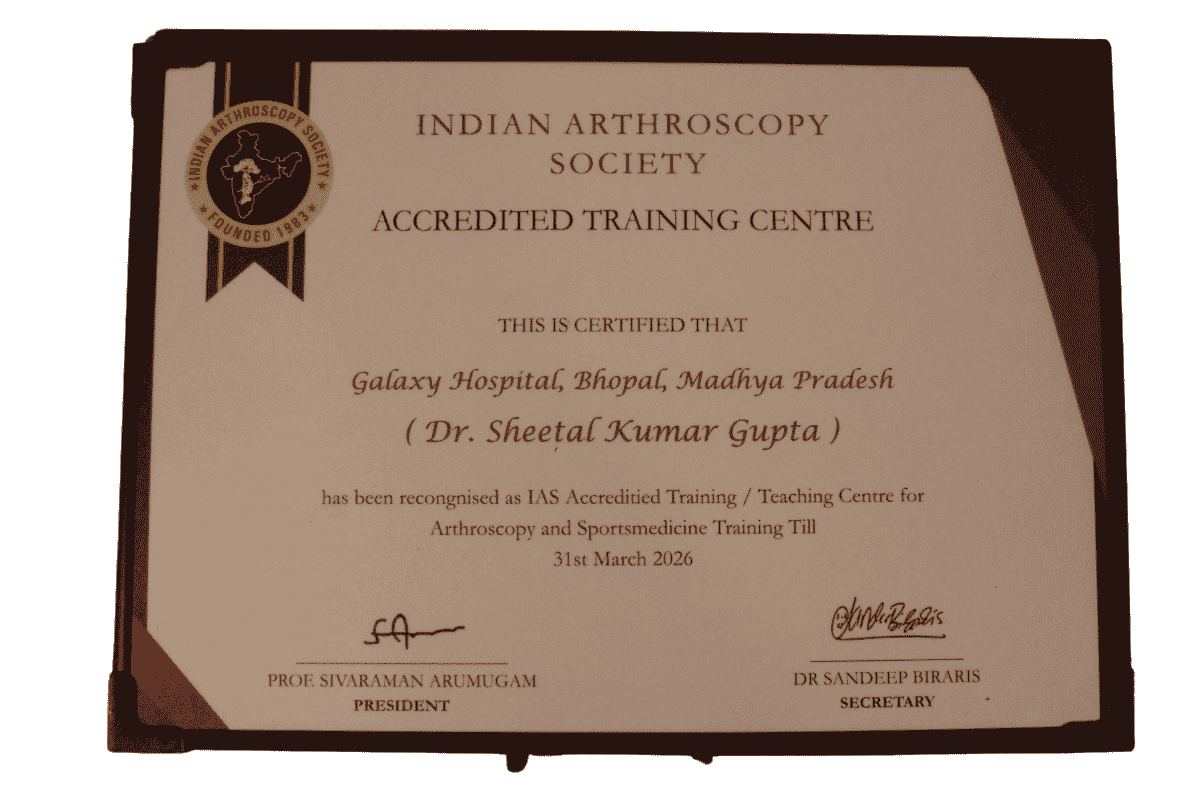
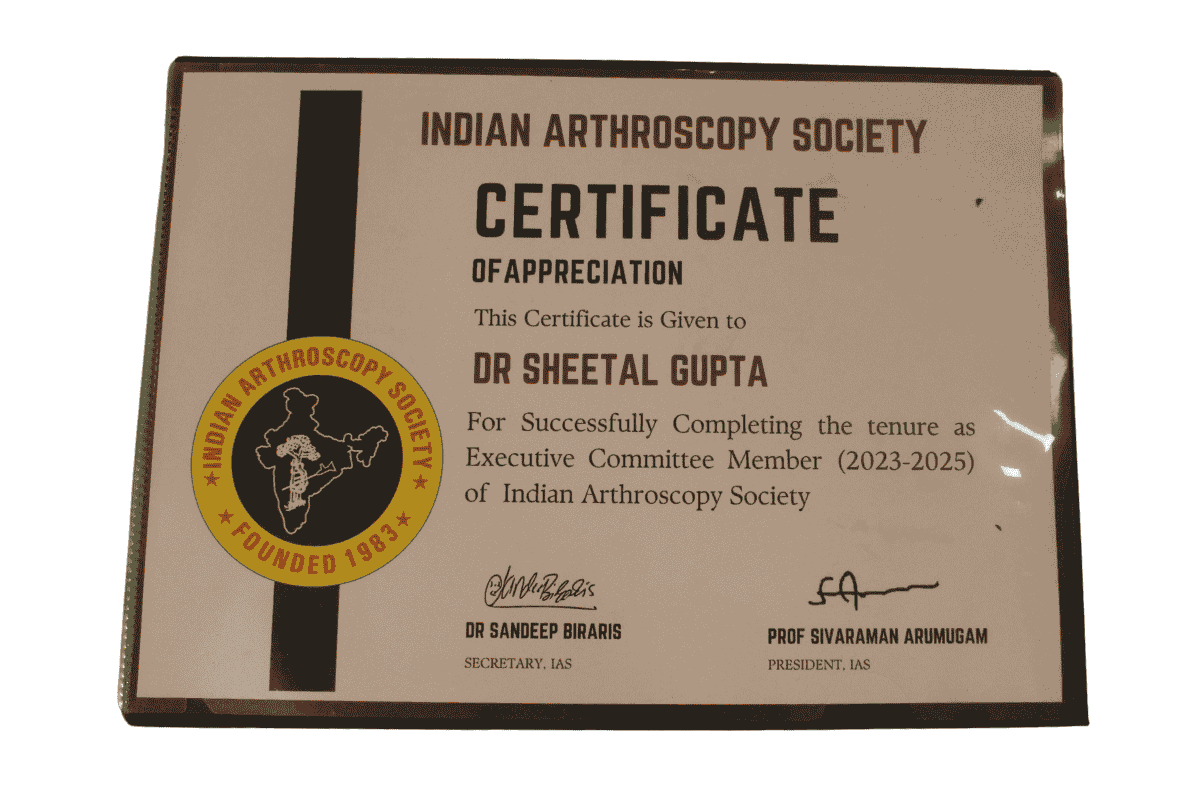
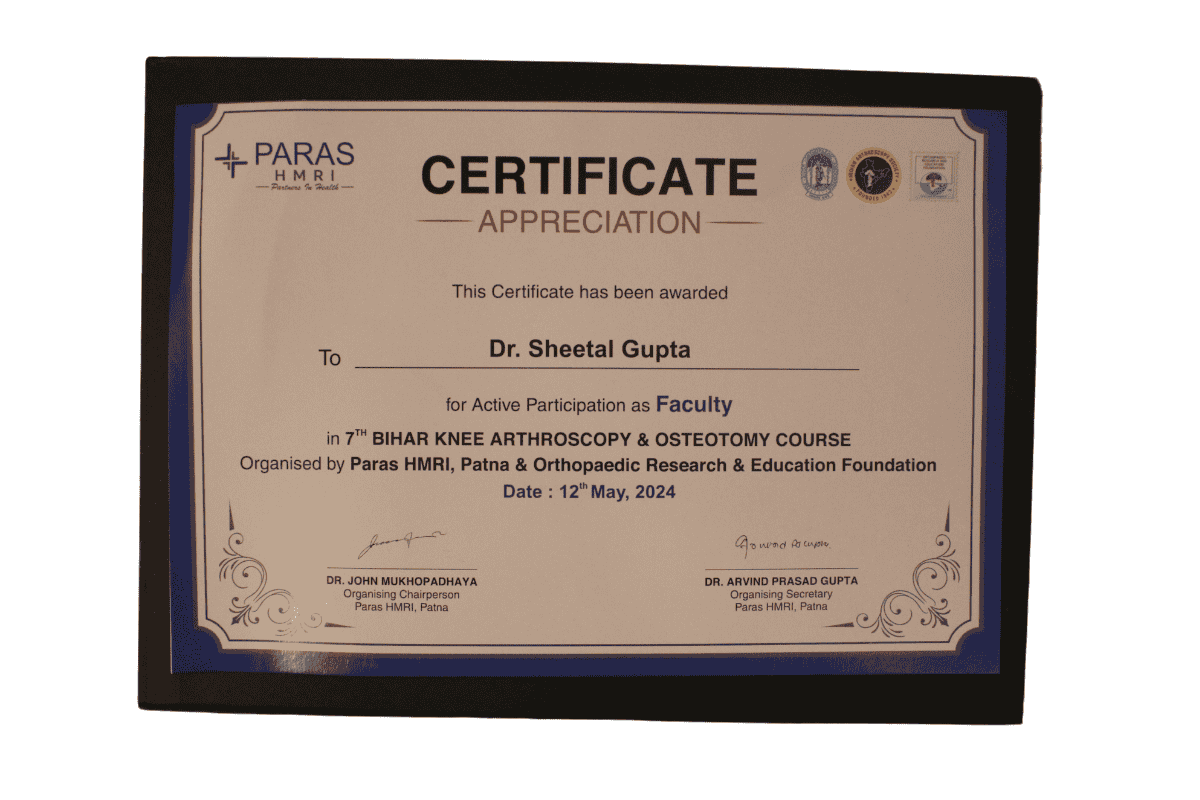
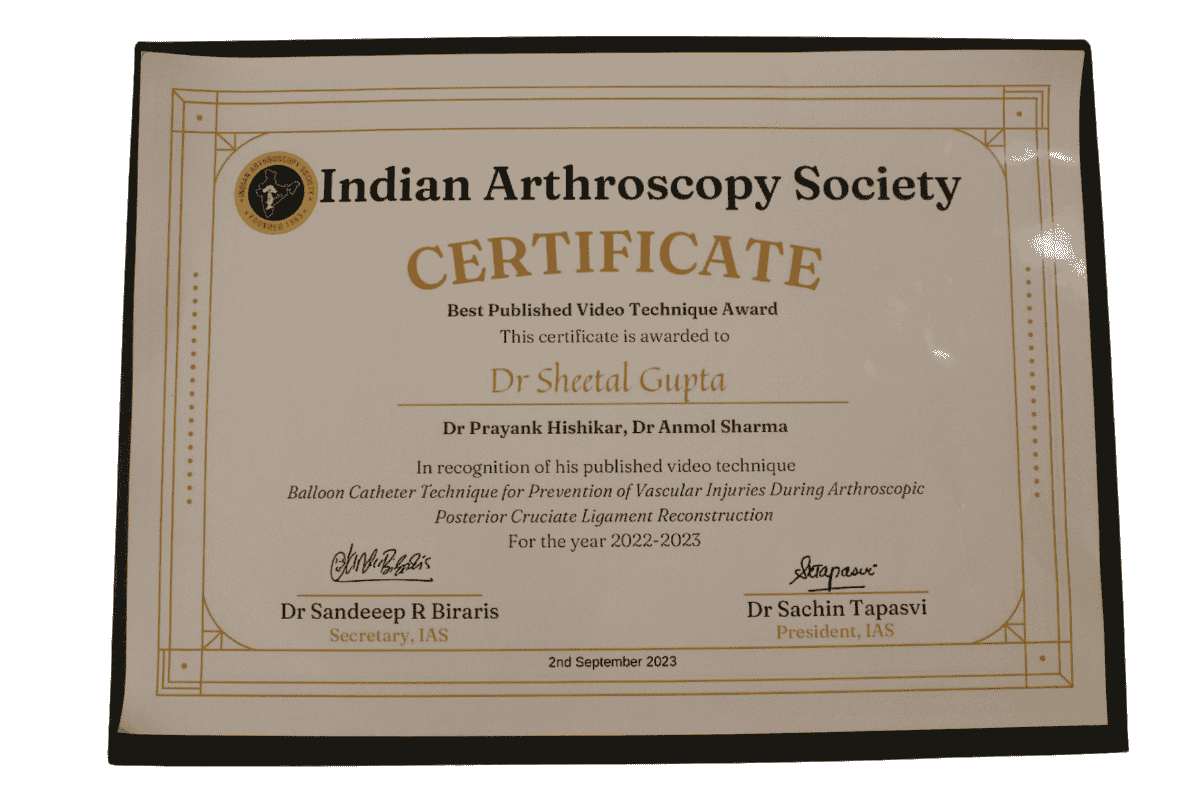
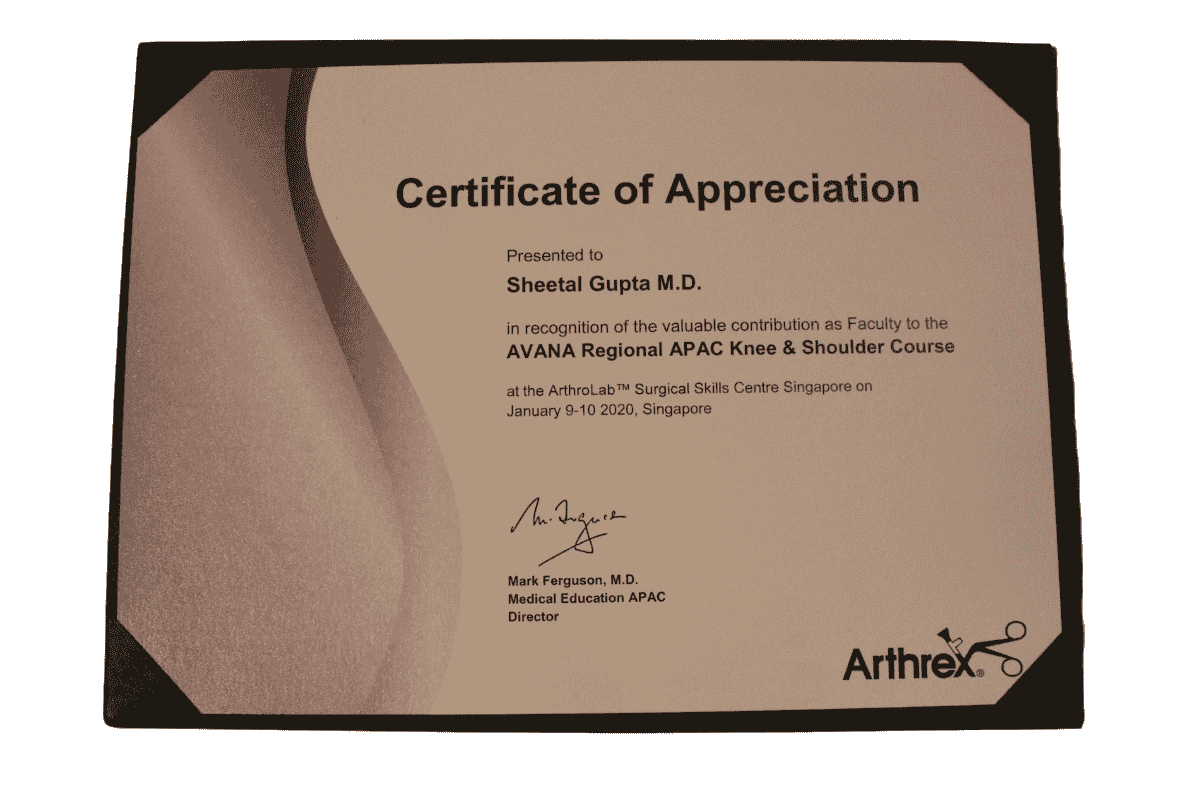
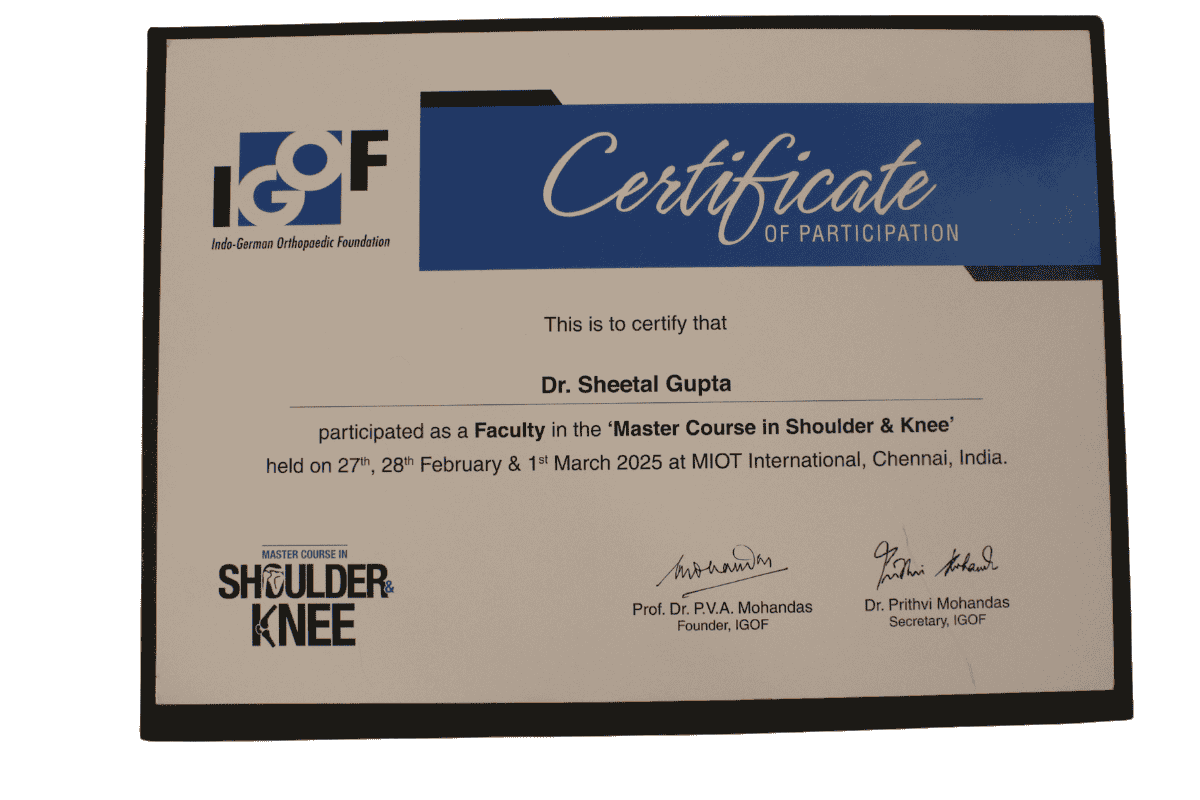
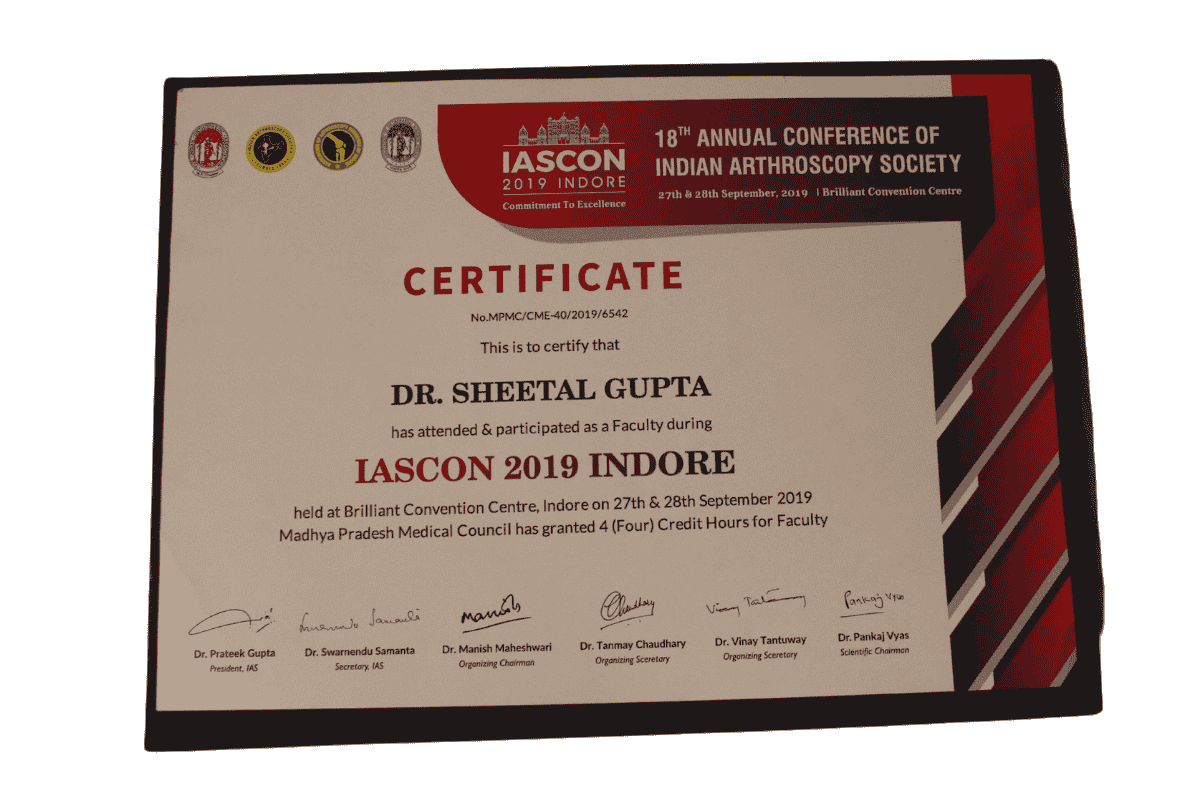
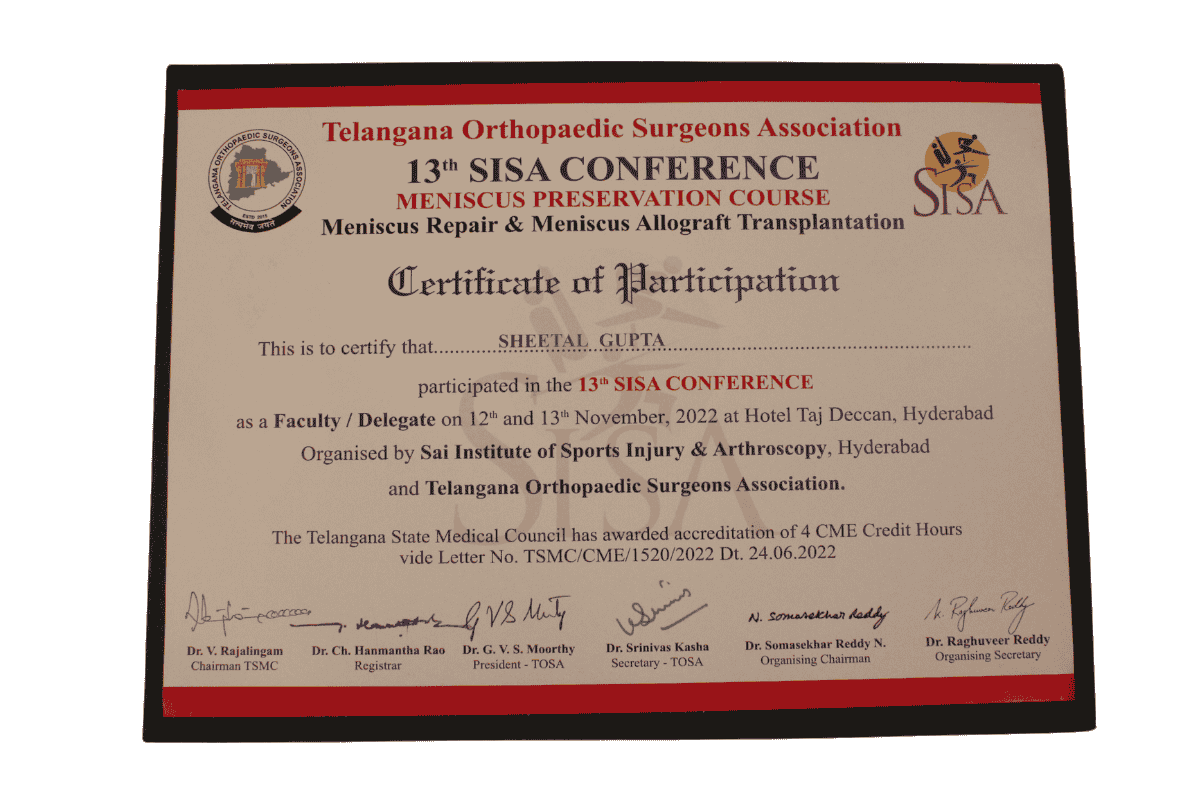
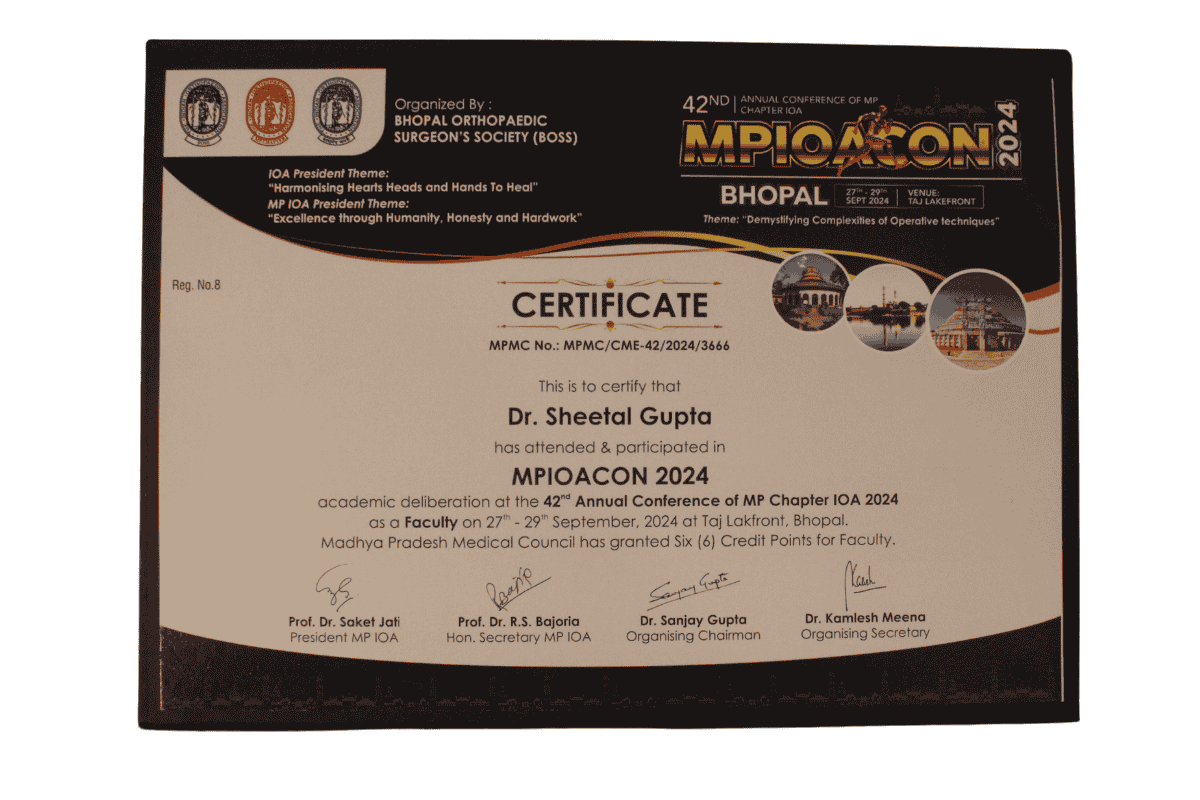
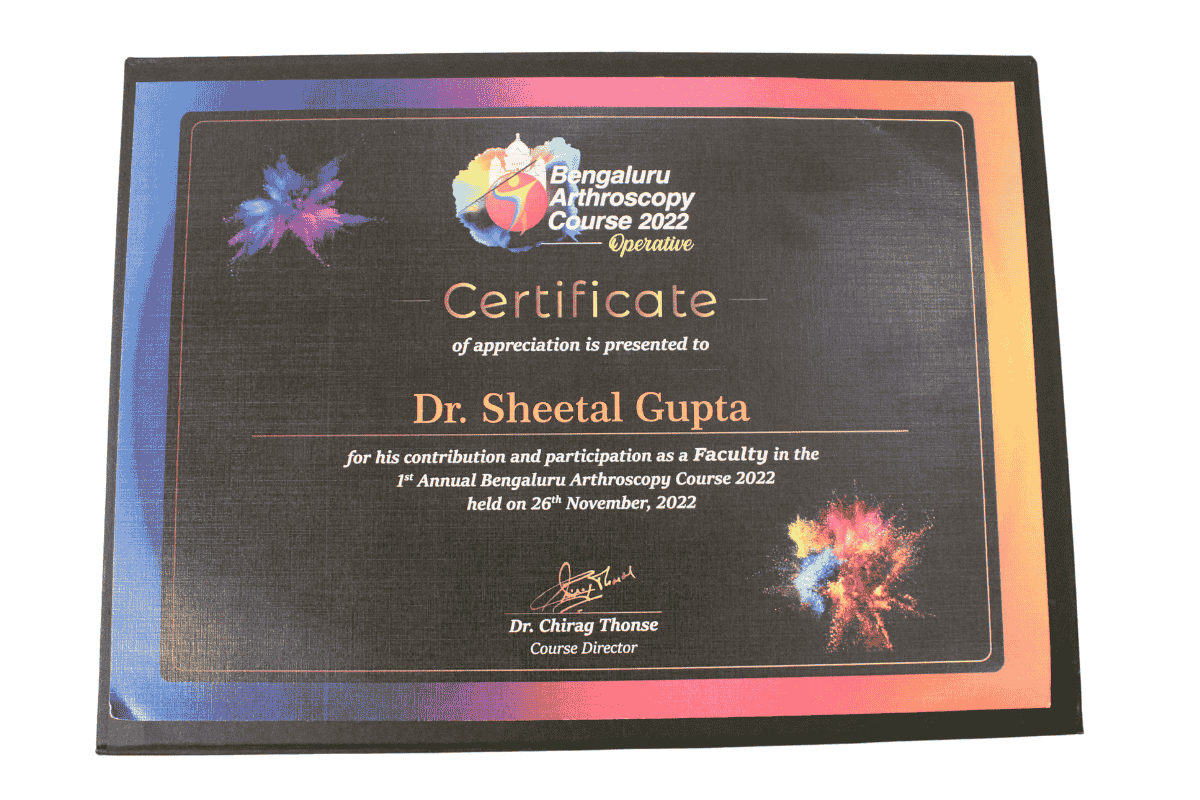
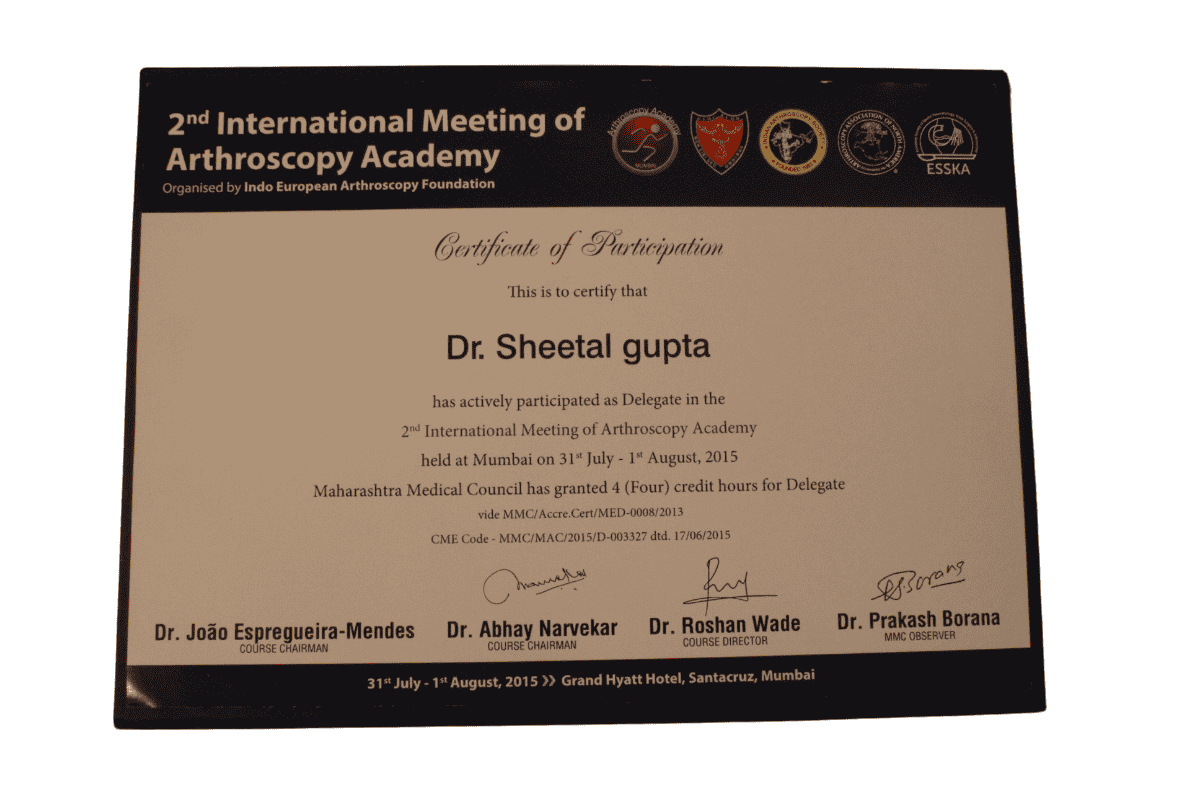
Publications
Author Bio
Dr. S.K. Gupta | MS Ortho. (Mumbai) | FAANA (USA) | FIAS (Japan) | FAPOA (Singapore)
Director — Arthroscopy & Joint Replacement, Apollo Sage Hospital, Bhopal
Dr. S.K. Gupta is a Senior Orthopaedic, Knee & Shoulder Surgeon with 21+ years of experience and 12,500+ surgeries performed. He holds an MS in Orthopaedics from LTMMC Medical College & Sion Hospital Mumbai and international fellowships from Japan, USA, Singapore, and Delhi. Widely known as the “Meniscus Man of India”, he is the first arthroscopy surgeon from India to receive the prestigious FAANA Fellowship and is recognized by the Abhinav Bindra Foundation Trust as a Centre of Excellence for Sports Surgeries. His surgical techniques are published in leading international journals.
Full Profile: https://drskguptaligamentsurgeonindia.com/about-dr/
Medical Disclaimer
The information on this page is intended for general educational purposes only and does not constitute medical advice. It does not replace a professional medical consultation, diagnosis, or treatment recommendation. Every patient’s condition is unique. Please consult Dr. SK Gupta or a qualified orthopaedic surgeon to determine the most appropriate treatment for your individual situation. Do not delay seeking professional medical advice based on information read on this website.
Why Choose Us for UKR
Why choose our "surgeon"?
- Our surgeon Dr S.K Gupta is a world renowned knee and shoulder surgeon with extensive experience of ACL and meniscus surgeries.
- He has over 21 years of focused work-experience in knee and shoulder arthroscopy and12500 + successful surgeries.
- He has experience of successful treatment of hundreds of International and national sports persons.
- His highest level of qualifications and mastery in his work, is the reason of making him first choice for ACL Meniscus treatment by patients from across the country.
Why Choose Us?
- We are dedicated Arthroscopy Centre with highest number of ACL and meniscus surgeries.
- This makes every member of the team in your service, highly competent and experienced for ACL and Meniscus surgery pre-op, intra-op, post-op and rehabilitation management.
- We are well known for affordable cost and cashless facility with combination of best surgeon, best equipments, best implants, and specially trained team for knee and shoulder surgery care.
Why does "surgeon's experience" matter?
- The successful result of surgery depends very much on the detailed and focused expertise of surgeon and his team.
- Experience and skills of your surgeon is the most important factor for successful result.
- You must research well about it, as the primary surgery is the most important chance.
Why choose our "operation theatre" and OT team?
- Hi-Tech modular operation theatres, high precision International equipments for arthroscopy, world class OT machinery specific for knee and shoulder surgery
- Protocol based and highly skilled OT team with focussed work in knee and shoulder arthroscopy plays a vital role in surgical success.
- All our operation theatres are well equipped with planum with HEPA filters. High efficiency HEPA filters can remove 99.97 to 99.99% of airborne particles including smallest bacteria to the size of 0.3 microns. This helps to safeguard our patient from infections.
- The hospital has well defined “infection control guidelines” to be followed by all team members. This helps in reducing the infection rate to less than 0.1%.
- “Triple Level checks” for sterility and disinfection of implants and OT support materials is strictly followed.
- “WHO surgical Safety protocol” for Sign-IN, Time-Out, Sign-Out is adhered to In 100% patients.
- “High pressure autoclave with Pre-Vac” and “ETO sterilization” procedures are used.
- Wheeling in, Wheeling out and anaesthesia safety protocols are strictly followed. One Way Traffic protocol is followed.
- Central Medical gases oxygen and nitrous supply And central suction systems are in place.
- Pressure Dampeners are active to maintain OR pressures. Humidity Checks are done to maintain evidence based recommended guidelines.
Why "post-op care" matters?
KPI (Key Performance Indicators) are being regularly caught, audited and analyzed. Team Galaxy takes utmost care and as a result the captured para are between 0 to 0.13%. This practice is one of the central reasons for our very high success rate.
Post Op care team is regularly following Care Bundles like-
- PVC insertion Care Bundle
- PVR Daily Care Bundle
- Catheter Insertion Care Bundle
- Catheter Daily Care Bundle
- SS care Bundle
- WHO Hand Hygiene Protocol
- Universal Precautions
Patient Safety Protocols being followed are like-
- “7 Level Check” for Side identification
- Pre-Operative Checklist
- BT prep and safety protocol
- Belongings and Material Handover Protocol
- Surgical Site Marking Protocol
- Patient Identification Protocol
- Admission and Discharge Protocol
- Checklist for shifting from OR to Recovery SICU
- Checklist for shifting from SICU to Ward
- The finest details of immediate post-op depends on the expertise of medical, nursing and rehabilitation team.
Why does our "rehabilitation team results" excel?
- The team follows “Surgical age-based assessments and reassessments” to formulate the customized care.
- Rehab is planned “One-O-One as per the milestones achieved” by the patient till visit date.
- Phases of Rehab are scientifically based on division into Macrocycle, Mesocycle and Microcycles of care, the Pre-Injury level of activity, the Surgical details of patient as per the surgeon; and “not one size fits all” method.
- The “5-Staged Plan of Care” of post op rehabilitation is followed for holistic recovery of patients –
- Protection & Activation
- Recovery of Range
- Strength Development
- Functional Integration Inclusion
- RTS If Sports Person
- Sports-Persons’ prolonged follow up to Return To Sports after RTS Testing is followed.
- Regular skill upgrade training of team is done as per new international guidelines.
- Our Physiotherapy team serves large number of ACL and meniscus surgery post operative patients, with close follow up, for return to normal and return to Sports.
- This huge experience in knee and shoulder surgery rehabilitation is the reason for their best results.
- Our successful results are the reason, why our old patients send other patients for similar results.
Contact Us



Happy to Serve Pt. From Various Cities
- Mumbai
- Chennai
- Lucknow
- Bengaluru
- Hyderabad
- Kolkata
- Surat
- Ahmedabad
- Pune
- Jalandhar
- Jaipur
- Jalgaon
- Solapur
- Chandigarh
- Nashik
- Goa
- Ranchi
- Madurai
- Kanpur
- Kochi
- Noida
- Coimbatore
- Jamshedpur
- Ludhiana
- Rajkot
- Amritsar
- Guwahati
- Dehradun
- Bhubaneswar
- Kota
- Agra
- Meerut
- Varanasi
- Aurangabad
- Jodhpur
- Vijaywada
- Raipur
- Sri Nagar
- Vadodara
- Cuttack
- Gwalior
- Nagpur
- Aligarh
- Bhopal
- Jabalpur
- Ujjain
- Udaipur
- Moradabad
- Chhindwara
- Patna
- Indore
- Shahdol
- Umaria
- Sagar
- Dewas
- Mandsaur
- Neemuch
- Ratlam
- Singrauli
- Prayagraj