

ACL Surgery | Dr. SK Gupta, Bhopal
Our Work Experience
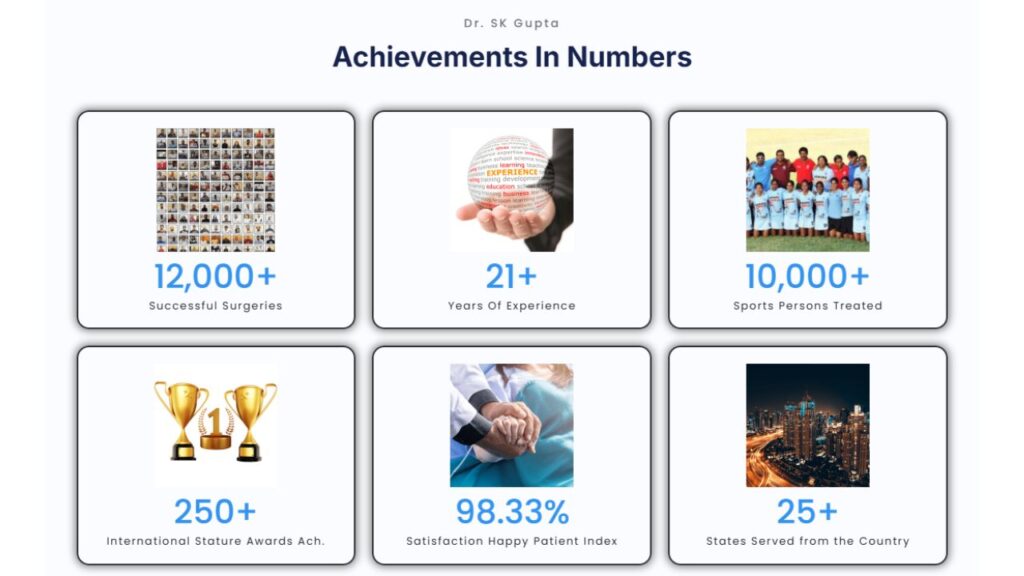
12500+ Successful
Surgeries
21+ Years
Of Experience
10000+ Sports
Persons Treated
25+ States Serve
from the Country
250 International
Stature Awards Ach.
98.33% Satisfaction
Happy Patient Index
Get An Expert Opinion
Advanced Knee & Shoulder Surgeon
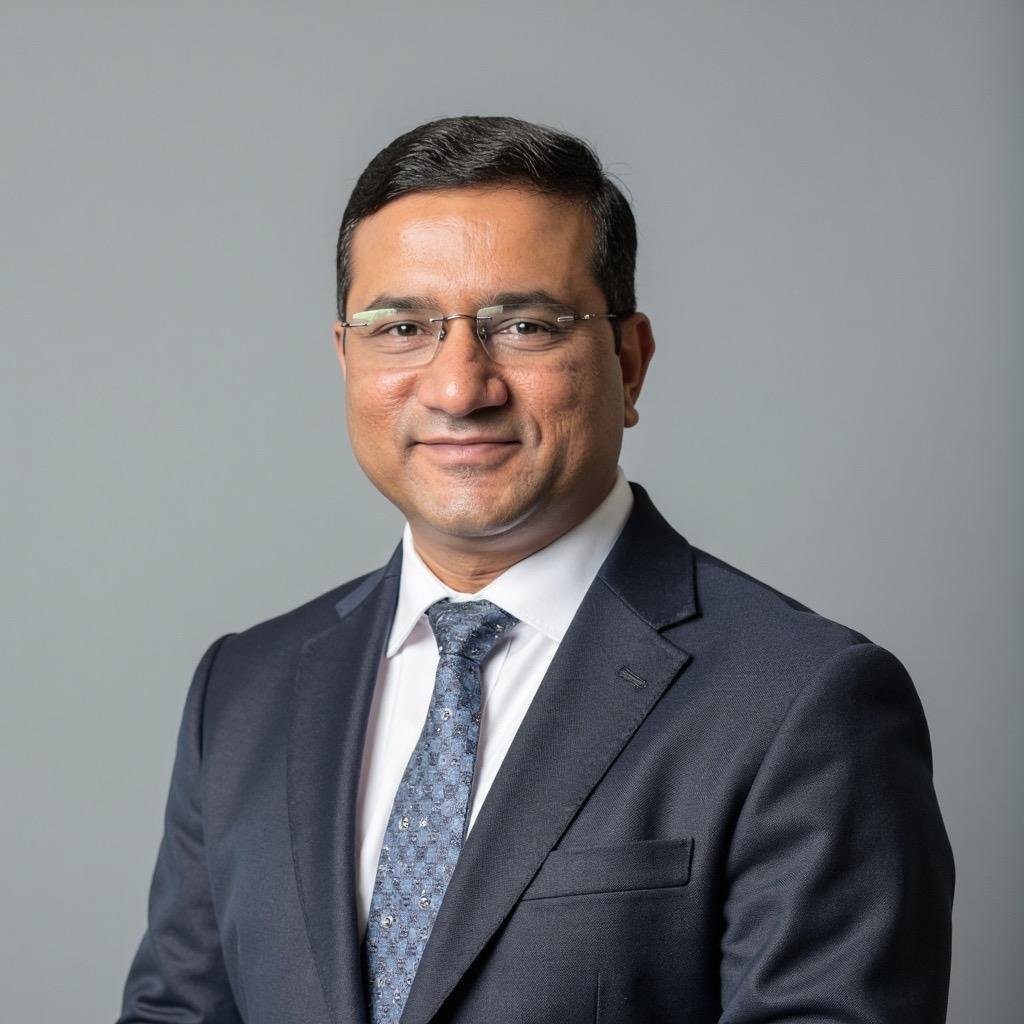
ABOUT US
Dr. S.K. Gupta
The Knee & Shoulder Surgeon
MS Ortho.(Mumbai), FIJR(Apollo,Delhi), FIAS(Japan), FAPOA(Singapore).
Arthroscopy, Sports Surgery & Joint Replacement Surgeon.
- International Faculty of Knee & Shoulder Surgeries
- Ex. Consultant Sports Authority of India SAI
- Fondly known as "Meniscus Man of INDIA"
- His surgical techniques published worldwide
- International Faculty of Knee & Shoulder Surgeries
- Ex. Consultant Sports Authority of India SAI
- Fondly known as "Meniscus Man of INDIA"
- His surgical techniques published worldwide
Contribution In ACL
- Faculty International Arthroscopy Academy Jun 2024 Mumbai performed live revision ACL BTB and won two debates
- Faculty Master case series knee March 2024 Delhi talk on revision ACL reconstruction
- Faculty KASS Knee 360 Kolkata Feb 2024 performed live ACL surgery and talk on meniscus repair
- Faculty Chandigarh Arthroscopy course April 2023 performed knee ligament reconstruction and talk on ACL
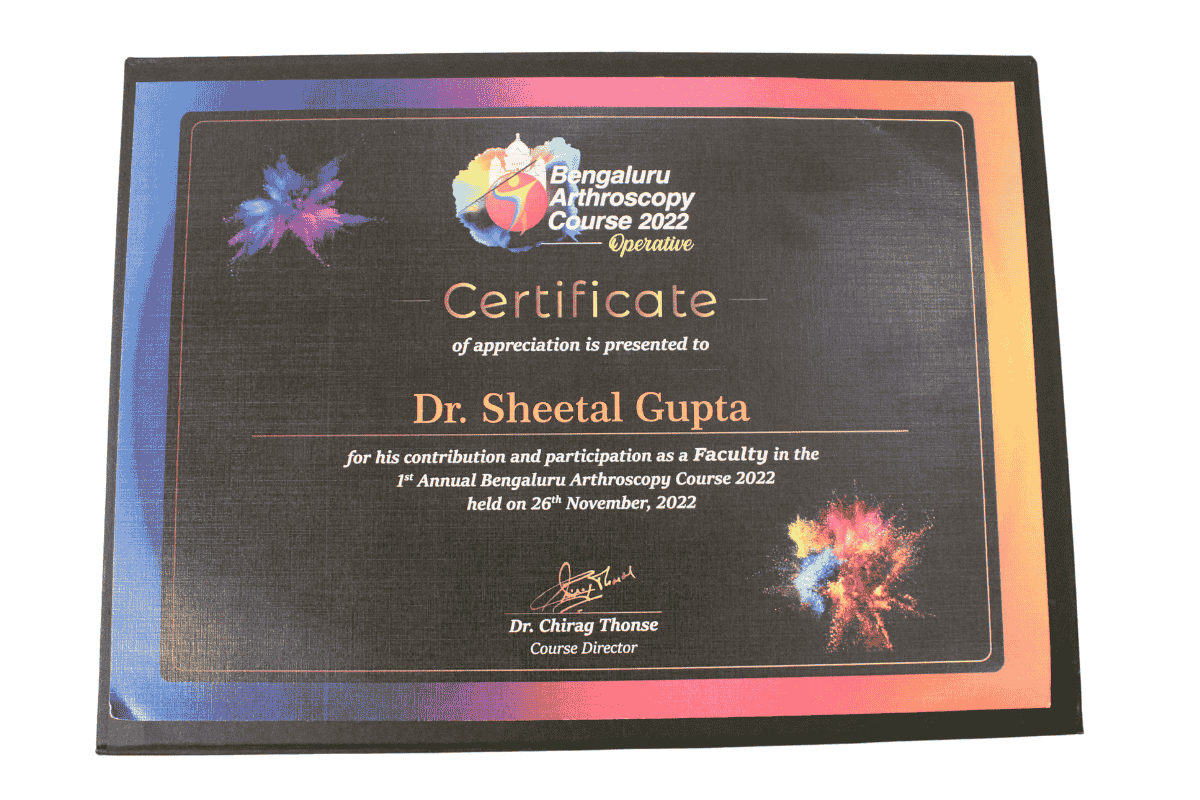
- Faculty knee 360 and London Osteotomy course at Kolkata, delivered talk on arthroscopic ACL and internal bracing Jan 2023
- Faculty 1st SAARC Sports medicine meet March 2022
Dr. S.K. Gupta: Contribution In ACL
- Faculty International Arthroscopy Academy Jun 2024 Mumbai performed live revision ACL BTB and won two debates
- Faculty Master case series knee March 2024 Delhi talk on revision ACL reconstruction
- Faculty KASS Knee 360 Kolkata Feb 2024 performed live ACL surgery and talk on meniscus repair
- Faculty Chandigarh Arthroscopy course April 2023 performed knee ligament reconstruction and talk on ACL
- Faculty knee 360 and London Osteotomy course at Kolkata, delivered talk on arthroscopic ACL and internal bracing Jan 2023
- Faculty 1st SAARC Sports medicine meet March 2022
Call for Phone Assistance
Google Reviews
EXCELLENT Based on 565 reviews
 Posted on Google
 Santosh ShrivasIn Apollo hospital...under guidance of Dr. SK Gupta sir I had completed my ACL reconstruction surgery under sir guidance.....with help of Dr Gupta expertise and skills I gone through a successful surgery. Dr. SK Gupta is a truly good and compassionate surgeon... talking about appolo hospital there the helpful nursing staff, cleanliness and comfort, management team, anesthesia team all provide me with the quick response...after surgery also the nursing staff provide me with the quick response and after surgery treatment... Talking about ACL surgery experience was overall good....the pre surgery process, surgery process, and physical therapy after surgery was also very effective As I experienced I would say For ligament and ACL reconstruction surgery D.R SK Gupta Sir was best and Apollo Hospital was bestPosted on Google
 Satyam KumarDr. S. K. Gupta performed ACL surgery on both of my mother’s knees, and we couldn’t be more grateful for his exceptional care and expertise. He explained the procedure clearly, ensured we were comfortable at every step, and followed up regularly during recovery. The surgeries went smoothly, and my mother is now recovering with great confidence. Dr. Gupta is not only highly skilled but also very compassionate and approachable. His team at the hospital was equally supportive and attentive. I would highly recommend Dr. S. K. Gupta for anyone looking for an experienced and caring orthopedic surgeon in Bhopal.Posted on Google
 Shivank Kashyap> I recently underwent surgery in Apollo SAGE hospital Bhopal and I’m very satisfied with the entire experience of Dr SK Gupta Sir team. The doctors and wtaff were professional, caring, and attentive throughout the process. The procedure went smoothly, and my recovery has been undergoing with SK Gupta Sir team. The doctors was very supportive during my undergoing recovery and visited multiple times a day to help with my issues and guide me with exercises. I’m thankful for his care and concern.Posted on Google
 Shubhanshu UsreteI would like to express my heartfelt gratitude to Dr. S.K. Gupta for the exceptional care and expertise he showed while treating my mother’s (Mrs. Indra Usrete) knee. She recently underwent surgery under his supervision, and we are truly thankful for how smoothly everything went — from pre-surgery counselling to post-operative recovery. Dr. Gupta’s professionalism, patience, and genuine concern for his patients made a huge difference in my mother’s confidence and comfort throughout the process. His ability to clearly explain every step of the treatment helped us feel reassured and informed at all times. I would highly recommend Dr. S.K. Gupta to anyone seeking an experienced, caring, and trustworthy orthopaedic specialist. P.S.- Above is my personal opinion, kindly take proper advise and guidance before treating your dear ones.Posted on Google
 YASH YEWALE
Trustindex verifies that the original source of the review is Google.
Dr. S.K. Gupta and team are doing good jobPosted on Google Dr. Mukesh Chandra BishtI had my knee surgery of acl and meniscus on 3rd October 2025 had a great experience. Dr Gupta is one of the best sports injuries specialist. The junior doctors and all the staff were very professional and everyone knew his/her role.Posted on Google
 Prashant ChaudharyIt's a privilege to having an International level doctor Dr S K Gupta sir (Knee & Shoulder Surgeon) in Central India, Bhopal. Else for the same surgery patients had to visit Mumbai, Delhi etc, now which saves time and money both. Thank you sir for successful ACL replacement of my wife.Posted on Google
 Pushpendra KushwahaDr. Well experienced and polite.. 2 din pahle main visit kiya tha x-ray quility had se jyada poor hai and x-ray staff all time mobile me lage rahte hai unka kam par bilkul dyan nhi rahta .. Jinki laparwahi ki wajah se report proper nhi ati hai aur digonosis sahi se nhi hua .. Ohi poor and galat report ki wajah se muje opass se surgery ka suggestion diya gya jab main second opinion liye other dr. Se to all good and fast recovery results aya..
Patient Success Stories
Our Experience in Numbers
Dr. S.K. Gupta is a renowned surgical orthopedic doctor practising in India.
Quick Answer: What Is an ACL Tear?
An ACL (Anterior Cruciate Ligament) tear is a rupture of one of the four primary stabilising ligaments of the knee. It is most commonly caused by sudden pivoting, twisting, or direct impact — frequently seen in football, cricket, badminton, and road accident injuries. Depending on severity, treatment ranges from guided physiotherapy to arthroscopic ACL reconstruction surgery.
Introduction
In Bhopal and across Madhya Pradesh, patients with ACL injuries are now seeking advanced arthroscopic solutions rather than accepting a lifetime of pain and instability. At Apollo Sage Hospital, Bhopal, Dr. S.K. Gupta — MS Ortho, Director of Arthroscopy & Joint Replacement, and India’s first recipient of the FAANA (Fellow of Arthroscopy Association of North America) fellowship — has performed over 12,500 orthopaedic surgeries over a career spanning 21+ years, delivering proven outcomes for athletes and active individuals alike.
This comprehensive guide covers everything you need to know about ACL tears: what they are, why they happen, how they are diagnosed, and what treatment — including state-of-the-art arthroscopic ACL reconstruction — involves.
1. What Is the ACL? Understanding Your Knee's Stabiliser
Quick Answer
The ACL (Anterior Cruciate Ligament) is one of the four major ligaments of the knee. Located in the centre of the joint, it prevents the tibia (shin bone) from sliding forward relative to the femur (thigh bone) and controls rotational stability. Without an intact ACL, the knee becomes unstable during cutting, pivoting, and twisting movements.
The knee joint is supported by four major ligaments: the ACL, PCL (Posterior Cruciate Ligament), MCL (Medial Collateral Ligament), and LCL (Lateral Collateral Ligament). The ACL runs diagonally through the interior of the knee, connecting the femur (thighbone) to the tibia (shinbone).
Its primary functions include: (1) Preventing forward displacement of the tibia; (2) Providing rotational stability during athletic movements; (3) Sending proprioceptive signals to the brain about knee position. When the ACL ruptures, these functions are disrupted, resulting in instability, pain, and a heightened risk of secondary injuries to the meniscus and articular cartilage.
2. What Causes an ACL Tear?
Quick Answer
ACL tears most often result from non-contact mechanisms during sport — a sudden stop, deceleration, change of direction, or awkward landing. High-risk sports in India include cricket, football (soccer), kabaddi, badminton, and field hockey. Road traffic accidents and falls from height are also significant causes.
The ACL is highly vulnerable during movements that place rotational or hyperextension stress on the knee. Common causes include:
- Sudden pivoting or cutting movements — common in football, cricket, and kabaddi
- Landing awkwardly from a jump — frequent in basketball, volleyball, and badminton
- Sudden deceleration — when a player stops abruptly while running
- Direct blow to the outer knee — in contact sports or road accidents
- Hyperextension of the knee — the joint bends backwards beyond its normal range
Risk factors include female sex (due to anatomical and hormonal differences), adolescence, poor neuromuscular control, previous ACL injury, and playing on artificial turf without proper footwear.
3. Grades of ACL Injury
Grade | Description | Ligament Status | Typical Management |
Grade I (Mild) | Microscopic tears; ligament intact | Intact, not lengthened | RICE therapy, physiotherapy |
Grade II (Partial) | Significant tearing; ligament lax | Partially torn | Physiotherapy ± bracing; surgery for high-demand athletes |
Grade III (Complete) | Full rupture; no continuity | Completely torn | Arthroscopic ACL reconstruction recommended |
The vast majority of clinically significant ACL injuries presenting to orthopaedic surgeons in India involve Grade III (complete) tears. A small proportion of Grade II injuries in low-demand patients may be managed without surgery.
4. Signs and Symptoms of an ACL Tear
Quick Answer
The hallmark of an acute ACL tear is a loud ‘pop’ at the time of injury, followed by immediate knee swelling (haemarthrosis), pain, and inability to continue activity. In the days that follow, instability — a feeling of the knee ‘giving way’ — becomes the dominant symptom.
Recognising an ACL tear early is critical. Key symptoms include:
- Audible or felt ‘pop’ at the moment of injury
- Rapid, significant knee swelling (usually within 2–6 hours)
- Severe pain, particularly with weight-bearing
- Loss of full range of motion
- Feeling of instability — knee ‘buckling’ or ‘giving way’
- Difficulty walking on a straight or uneven surface
If you experience any of these symptoms following a sports injury or fall, seek orthopaedic evaluation promptly. Early diagnosis prevents secondary damage to the meniscus and articular cartilage — damage that significantly complicates later reconstruction.
5. How Is an ACL Tear Diagnosed?
Quick Answer
ACL tears are diagnosed through clinical examination supported by MRI. The Lachman Test and Anterior Drawer Test are the primary clinical tools. MRI provides definitive confirmation of the tear, assesses its grade, and identifies associated injuries to the meniscus or cartilage.
Diagnosis involves three complementary approaches:
Clinical Examination
- Lachman Test: The gold-standard physical test with >85% sensitivity for complete ACL tears. The examiner pulls the tibia forward while stabilising the femur.
- Anterior Drawer Test: Assessment of anterior tibial displacement at 90° knee flexion.
- Pivot Shift Test: Detects rotational instability — pathognomonic for ACL deficiency.
Imaging
- X-Ray (Radiograph): Taken first to rule out associated bony fractures (especially a Segond fracture, which is virtually pathognomonic of ACL injury).
- MRI (Magnetic Resonance Imaging): The definitive diagnostic tool. MRI confirms the tear, assesses fibre integrity, and identifies concurrent injuries — meniscal tears, bone bruises, or MCL injuries. Sensitivity > 90% for complete ACL rupture.
Arthroscopy
In select cases, diagnostic arthroscopy is performed at the time of surgery, providing direct visualisation of all intra-articular structures and allowing simultaneous treatment.
6. Treatment Options for ACL Tear
Quick Answer
Treatment is guided by the grade of tear, patient age, activity level, and presence of associated injuries. Grade III ACL tears in athletes and active individuals are best managed with arthroscopic ACL reconstruction surgery, which restores knee stability and enables safe return to sport.
Non-Surgical Management
Appropriate for: low-grade (Grade I-II) tears, elderly patients with low functional demands, or those medically unfit for surgery.
- POLICE protocol: Protect, Optimal loading, Ice, Compression, Elevation
- Non-steroidal anti-inflammatory medications (NSAIDs)
- Structured physiotherapy focusing on quadriceps and hamstring strengthening
- Functional knee bracing
Important caveat: Without adequate ACL function, repeated episodes of knee instability can accelerate meniscal and cartilage damage, potentially leading to early-onset osteoarthritis. Patients managed conservatively require careful monitoring.
Surgical Management — Arthroscopic ACL Reconstruction
Recommended for: Grade III complete tears in athletes, active individuals, those with instability symptoms affecting daily life, or patients with associated meniscal or cartilage injuries. Surgery is performed arthroscopically — through small keyhole incisions — using a tendon graft to replace the torn ligament.
7. Arthroscopic ACL Reconstruction Surgery: Step-by-Step
Quick Answer
Arthroscopic ACL reconstruction is a minimally invasive, keyhole surgical procedure in which the torn ACL is replaced with a tendon graft. The procedure typically takes 60–90 minutes under regional or general anaesthesia. Most patients are discharged within 24–48 hours and begin physiotherapy the following day.
At Apollo Sage Hospital, Bhopal, Dr. SK Gupta performs arthroscopic ACL reconstruction using internationally refined techniques developed during his fellowships in Japan, Singapore, and Delhi. The procedure proceeds as follows:
Step | Description |
1. Anaesthesia | Spinal (regional) or general anaesthesia administered; tourniquet applied to thigh. |
2. Arthroscopic Evaluation | Two small incisions (portals) allow insertion of camera and instruments. The knee interior is examined for associated injuries. |
3. Graft Harvesting | The chosen graft (typically hamstring tendon from the same leg) is harvested and prepared. |
4. Tunnel Creation | Bone tunnels are precisely drilled in the femur and tibia at the anatomical ACL attachment sites. |
5. Graft Passage | The prepared graft is threaded through the tunnels to replicate the original ACL orientation. |
6. Graft Fixation | The graft is secured using titanium or bioabsorbable fixation devices (screws/buttons). |
7. Additional Repairs | Meniscal tears or cartilage damage identified arthroscopically are treated at this stage. |
8. Closure & Dressing | Portals closed, knee wrapped; drain placed if required. Patient transferred to recovery. |
8. Graft Choices for ACL Reconstruction
Graft Type | Source | Advantages | Considerations |
Hamstring Tendon (ST/G) | Patient’s own thigh (autograft) | Minimal donor site morbidity, excellent outcomes, preferred in young athletes | Slightly longer biological incorporation |
Patellar Tendon (BTB) | Kneecap tendon (autograft) | Gold standard, bone-to-bone healing | Anterior knee pain risk |
Quadriceps Tendon | Thigh tendon (autograft) | Robust graft, suitable for revision | Larger donor site |
Allograft | Cadaveric donor tissue | No donor site; useful in revision surgery | Higher re-rupture rates in young athletes |
Dr. SK Gupta individualises graft selection based on patient age, activity level, bone tunnel dimensions, and whether this is a primary or revision reconstruction — an approach refined through 21+ years and 12,500+ surgeries.
9. Recovery & Rehabilitation After ACL Surgery
Quick Answer
ACL reconstruction recovery typically spans 9–12 months for return to competitive sport. Physiotherapy begins the day after surgery and progresses through distinct phases: early motion, strengthening, neuromuscular retraining, and sport-specific conditioning. Commitment to rehabilitation is the single greatest determinant of outcome.
Phase | Timeline | Goals |
Phase 1 – Acute Recovery | Week 0–2 | Reduce swelling, regain full extension, begin quad activation, partial weight-bearing |
Phase 2 – Strengthening | Week 3–8 | Full weight-bearing, progressive resistance training, gait normalisation |
Phase 3 – Neuromuscular | Month 2–5 | Balance, proprioception, agility drills, cycling, swimming |
Phase 4 – Sport-Specific | Month 5–9 | Running, cutting drills, sport-simulated training under supervision |
Phase 5 – Return to Sport | Month 9–12 | Clearance testing (hop tests, strength symmetry), gradual return to competition |
Apollo Sage Hospital Bhopal offers a dedicated orthopaedic physiotherapy programme led by experienced sports physiotherapists, using internationally benchmarked rehabilitation protocols. Patients from across Madhya Pradesh — Bhopal, Indore, Jabalpur, Rewa, Sagar, and Gwalior — receive comprehensive post-operative care at the hospital and at Dr. SK Gupta’s Orthocity Clinic.
10. Why Choose Dr. SK Gupta & Apollo Sage Hospital, Bhopal?
Quick Answer
Dr. SK Gupta is India’s first arthroscopy surgeon to receive the FAANA Fellowship. With 21+ years of experience, 12,500+ surgeries, and international training from Japan, Singapore, and Delhi, he combines global expertise with deep local roots at Apollo Sage Hospital, Bhopal — the region’s premier orthopaedic centre.
About Dr. SK Gupta
Credential | Detail |
Qualification | MS in Orthopaedics, Mumbai |
Experience | 21+ years | 12,500+ surgeries |
Fellowship | FAANA (First Indian to receive this honour) |
International Training | Japan | Singapore | Delhi |
Recognition | Meniscus Man of India |
Award | Abhinav Bindra Foundation Trust – Centre of Excellence for Sports Surgeries |
Hospital Role | Director, Arthroscopy & Joint Replacement, Apollo Sage Hospital Bhopal |
Appointment | Apollo Sage Hospital & Orthocity Clinic, Bhopal |
About Apollo Sage Hospital, Bhopal
- State-of-the-art arthroscopic operation theatres with advanced imaging integration
- Internationally trained orthopaedic team complemented by dedicated sports physiotherapy
- Comprehensive post-operative rehabilitation using evidence-based protocols
- Serving patients from across Madhya Pradesh: Bhopal, Indore, Jabalpur, Gwalior, Rewa, Sagar, Ujjain, and beyond
- Recognised Centre of Excellence for Sports Surgeries by the Abhinav Bindra Foundation Trust
Location & Appointment
Apollo Sage Hospital, Bhopal → Maps: https://share.google/SXEd0xJbNkufOGGXc
Orthocity Clinic, Bhopal → Maps: https://share.google/QfMSO7rDjztjpYLI2
Book Appointment: https://apollosage.in/doctors/dr-s-k-gupta
11. Patient Experience
Patients travelling to Dr. SK Gupta from Bhopal, Indore, Jabalpur, and beyond consistently describe his approach as thorough, transparent, and patient-centred. Many are competitive athletes — cricketers, footballers, and badminton players — who credit his precise ACL reconstruction technique and structured rehabilitation guidance for enabling them to return to the sport they love.
Dr. Gupta is known for taking time to explain diagnoses clearly, involving patients in shared decision-making, and providing detailed rehabilitation roadmaps before surgery — a reflection of his philosophy that the best surgical outcome begins with the best-informed patient.
Note: The above represents reputation-based observations in keeping with ethical medical communication standards. Individual outcomes vary and depend on multiple factors including injury severity, patient health, and adherence to rehabilitation.
12. Key Takeaways
Key Takeaway | Detail |
ACL tears are serious but treatable | Complete (Grade III) tears can be fully reconstructed with arthroscopic surgery |
Early diagnosis matters | Delays increase risk of secondary meniscal and cartilage damage |
Surgery is minimally invasive | Arthroscopic technique means small incisions, less pain, faster recovery |
Rehabilitation is equally important | 9–12 months of structured physio determines ultimate outcome |
Bhopal has world-class expertise | Dr. SK Gupta at Apollo Sage Hospital offers FAANA-level care locally |
Graft choice is individualised | Hamstring, patellar tendon, or quadriceps based on patient profile |
Conclusion & Call to Action
An ACL tear is not the end of your active life — with the right expertise, it is the beginning of a carefully managed recovery journey. At Apollo Sage Hospital, Bhopal, Dr. SK Gupta brings world-class arthroscopic surgical skill, honed through international fellowships and over two decades of clinical practice, to patients across Madhya Pradesh and Central India.
Whether you are a professional athlete, a weekend warrior, or someone who sustained a knee injury in daily life, you deserve an accurate diagnosis, honest guidance, and state-of-the-art treatment — all of which are available in Bhopal, right at Apollo Sage Hospital.
📞 Book Your Appointment with Dr. SK Gupta Today
▶ Click here to book your consultation at Apollo Sage Hospital, Bhopal
Frequently Asked Questions — ACL Tear
Q1: What is an ACL tear?
An ACL (Anterior Cruciate Ligament) tear is a complete or partial rupture of the ligament that stabilises the centre of the knee joint. It is caused by sudden pivoting, twisting, hyperextension, or direct impact. Symptoms include an audible 'pop', immediate swelling, pain, and knee instability. In Bhopal, Dr. SK Gupta at Apollo Sage Hospital specialises in ACL reconstruction.
Q2: Can an ACL tear heal without surgery?
Partial ACL tears (Grade I–II) in low-demand patients may stabilise with physiotherapy and bracing. However, complete (Grade III) ACL ruptures do not heal spontaneously. Without surgery, the knee remains unstable, dramatically increasing the risk of meniscal and cartilage damage. Athletes and active individuals typically require arthroscopic ACL reconstruction.
Q3: How is ACL tear diagnosed?
ACL tears are diagnosed through clinical examination (Lachman Test, Anterior Drawer Test) and confirmed with MRI. The Lachman Test has over 85% sensitivity for complete tears. MRI not only confirms the ACL injury but also identifies any concurrent meniscal tears or cartilage damage, guiding comprehensive surgical planning.
Q4: What is arthroscopic ACL reconstruction?
Arthroscopic ACL reconstruction is a minimally invasive knee surgery performed through small keyhole incisions. The torn ligament is replaced with a tendon graft (usually from the patient's own hamstrings or patellar tendon). The procedure takes 60–90 minutes, requires a 24–48 hour hospital stay, and physiotherapy begins the next day.
Q5: How long does ACL surgery recovery take?
Full recovery from ACL reconstruction typically takes 9–12 months for return to competitive sport. The initial recovery (pain-free walking, knee motion) takes 6–8 weeks. Running is usually permitted at 4–5 months, and sport-specific training from month 5–9. A structured physiotherapy programme is essential throughout recovery.
Q6: What graft is used in ACL reconstruction?
The most commonly used grafts are the hamstring tendon autograft (semi-tendinosus and gracilis — the preferred choice in most young athletes), the patellar tendon (bone-tendon-bone — the historical gold standard), and quadriceps tendon. Dr. SK Gupta individualises graft selection based on each patient's age, activity level, and anatomy.
Q7: Is ACL surgery painful?
ACL reconstruction is performed under anaesthesia (spinal or general), so there is no pain during surgery. Post-operative pain is manageable with prescribed medications and is typically moderate for the first 3–5 days. Most patients report the rehabilitation — particularly regaining strength and full motion — requires more discipline than managing pain.
Q8: Who is the best ACL surgeon in Bhopal?
Dr. SK Gupta is widely regarded as Bhopal's leading ACL reconstruction surgeon. He holds an MS in Orthopaedics from Mumbai, international fellowships from Japan, Singapore, and Delhi, and is India's first recipient of the FAANA (Fellow of Arthroscopy Association of North America) fellowship. He practises at Apollo Sage Hospital and Orthocity Clinic, Bhopal.
Q9: What is the FAANA fellowship and why does it matter?
The FAANA (Fellow of Arthroscopy Association of North America) is one of the world's most prestigious arthroscopic surgery honours. Dr. SK Gupta is the first arthroscopy surgeon from India to receive this recognition, positioning him among the top arthroscopic surgeons globally. It reflects exceptional expertise in knee and shoulder arthroscopy and ligament reconstruction.
Q10: Can I play sports again after ACL reconstruction?
Yes — return to sport is the primary goal of ACL reconstruction, and the vast majority of patients who complete the full rehabilitation programme successfully return to their pre-injury sport. Athletes must pass objective return-to-sport criteria (strength symmetry, hop tests, psychological readiness) before resumption of competitive play — typically around 9–12 months post-surgery.
Q11: What happens if an ACL tear is left untreated?
An untreated complete ACL tear leads to chronic knee instability. Repeated episodes of 'giving way' gradually damage the meniscus and articular cartilage, accelerating the development of early-onset osteoarthritis. This secondary joint damage can eventually necessitate more complex surgery — including meniscal transplantation or joint replacement — at a younger age.
Q12: Are there any risks associated with ACL surgery?
ACL reconstruction is a well-established, safe procedure. As with any surgery, there are small risks including anaesthetic complications, infection, deep vein thrombosis, nerve or vessel injury, stiffness, graft failure, or re-rupture (approximately 5% in the first two years in young athletes). These risks are minimised by choosing an experienced, fellowship-trained surgeon.
Q13: Where can I get ACL surgery in Bhopal?
ACL reconstruction surgery in Bhopal is performed at Apollo Sage Hospital by Dr. SK Gupta — Director, Arthroscopy & Joint Replacement, and India's first FAANA fellowship recipient. The hospital is a recognised Centre of Excellence for Sports Surgeries. Appointments can be booked at https://apollosage.in/doctors/dr-s-k-gupta
Q14: How soon after ACL injury should surgery be performed?
Surgery is generally recommended once acute swelling has subsided — usually 3–6 weeks after injury. Operating in the acute inflammatory phase increases the risk of post-operative stiffness (arthrofibrosis). During this window, physiotherapy to regain range of motion and reduce swelling is prescribed as 'prehabilitation', which improves surgical outcomes.
Q15: What is the difference between ACL repair and ACL reconstruction?
ACL repair attempts to reattach the torn ligament to its original attachment site. It is occasionally possible for proximal (femoral-side) tears diagnosed early. ACL reconstruction replaces the ligament entirely with a tendon graft. Reconstruction is the current standard of care for most complete ACL tears and is associated with superior long-term stability compared to repair in the majority of cases.
HEALTH FACILITIES
Knee & Shoulder Treatment List
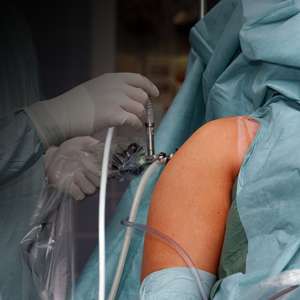
Knee Arthroscopy
Minimally invasive ligament treatment
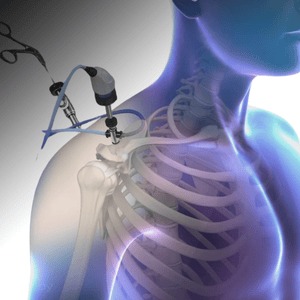
Shoulder Arthroscopy
Minimally invasive shoulder treatment
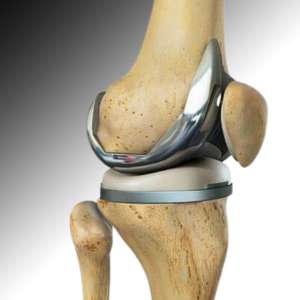
Joint Replacement
Surgical joint pain relief
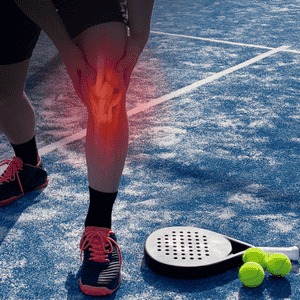
Sports Injury Treatment
Sports injury treatment and rehab
Why Consult Dr. S.K. Gupta for ACL Surgery
Dr. Sheetal Kumar Gupta is an arthroscopy and sports injury specialist heading the arthroscopy and joint reconstruction unit at apollo sage and galaxy hospital, bhopal, India. He has been a consultant for sports medicine, Sports Authority of India & to the players of State Sports Academy and has been serving National level teams of various disciplines like Hockey, Judo, Kabbadi, Water Sports, Wushu Taikwando etc.
He has done his fellowship in Arthroscopy and Sports medicine from Japan and was trained at various international surgical centres. With an experience of more than 21 years, he has performed over 12,500+ knee and shoulder surgeries including complex ligament surgeries and surgeries of around more than 8000 National/International level players of various disciplines. He is National and International level faculty for various seminars, conferences and workshops.
Notable Achievements:
- Trained at Japan, Germany, UK, Singapore, Malaysia and Thailand.
- Visiting sports medicine specialist Sports Authority of India (SAI).
- Ex Sports injury specialist to Indian senior Women National Hockey team.
- Ex-Dope control officer, National Anti-doping Agency (NADA).
- National faculty for advance knee and shoulder arthroscopy workshop and conferences.
- Performed more than 12,500 arthroscopies independently including knee, shoulder, ankle and hip arthroscopies.
- Successfully treated over 10000 players, many of whom are back in sports and have won national and international medals after their surgeries.
- Internationally trained and more than 21 years of experience.
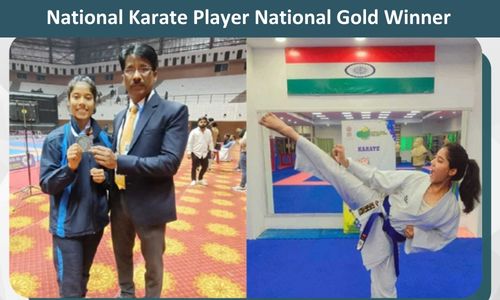
- Has treated National and International level players of various sports. To name of few, from Hockey like Sardar Singh, Shivendra, Sandeep Singh, Dilip Tirkey, Sameer Dad ; Olympic champion Ankit Sharma, Commonwealth Karate champion Supriya Jatav, world champions of Judo like Sanathoi, Kalpana Devi, Navjot to name a few and boxing legends like M.C. Mary Kom & Sarita devi.
📞 Call / WhatsApp: +91-7610101079 | +91-7611111179
📅 Book Online: https://apollosage.in/doctors/dr-s-k-gupta
📍 Apollo Sage Hospital, Bhopal: https://share.google/SXEd0xJbNkufOGGXc
📍 Orthocity Clinic, Arera Colony, Bhopal: https://share.google/QfMSO7rDjztjpYLI2
📧 Send your MRI / X-ray report online for an expert second opinion.
Types Of Treatments Offered By SKG Ortho Unit.
Dr. S.K. Gupta specializes in problems of shoulder, hip and knee. These are the following types of treatments that the doctor provides.
Sports Injury Treatment
HIP Surgery
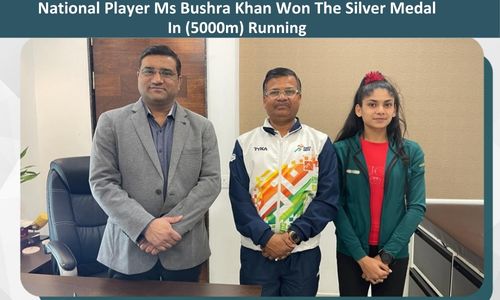
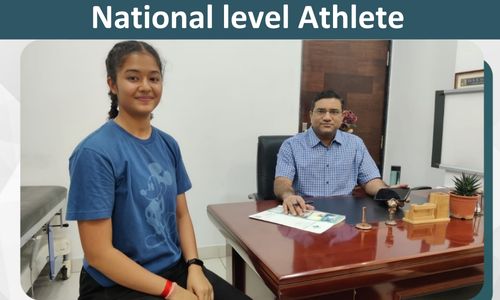
Sport Persons With Dr. S.K. Gupta
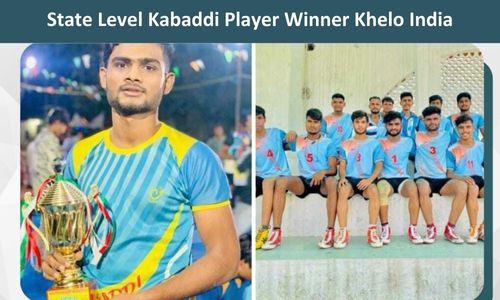
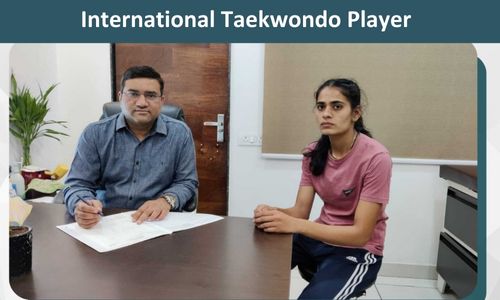
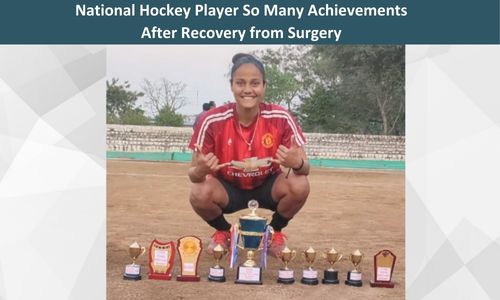
Trailblazer in Orthopedics – The Contributions of Dr. S K Gupta
What Happens When You Have an ACL Tear?
An ACL tear is an injury to the anterior cruciate ligament (ACL), located in the center of the knee. This tear can be either partial or complete and may cause the following symptoms:
- A distinct popping sound at the moment of injury
- Swelling
- Intense pain
- Tenderness
- Inability to continue the activity
- Restricted range of motion in the knee
- Discomfort while walking
- Knee instability or difficulty bearing weight on the affected leg
What is a BTB Graft ACL Reconstruction?
The Bone-Patellar Tendon-Bone (BTB) graft is an autograft commonly used for reconstructing or repairing a torn anterior cruciate ligament (ACL).
This procedure involves removing a section of soft tissue from the central portion of the patient’s own patellar tendon, which connects the kneecap (patella) to the upper part of the shinbone (tibia).
The harvested tissue includes bone blocks at both ends—one from the lower end of the patella and the other from the upper portion of the tibia. ( video -new)
When the BTB graft is used to repair the ACL, these bone plugs are securely positioned within bone sockets on either side of the reconstructed ligament in the knee.
Does ACL Need Surgery?
ACL reconstructive surgery is often advised to repair an ACL tear and restore movement and stability to the knee joint. ( video- kya acl lig tear me surgery zaruri hai )
However, not all ACL tears require surgical intervention. Surgery is typically recommended for individuals who are highly physically active or for those who experience persistent pain despite trying non-surgical treatments such as medication, rest, ice application, elevation, and compression wraps.
ACL reconstruction surgery is generally recommended in the following scenarios:
- Young and active individuals
- Persistent knee pain that does not improve with conservative treatments
- Knee instability, such as buckling during everyday activities like walking
- Athletes aiming to maintain a physically active lifestyle
- Concurrent injuries to other ligaments or the knee’s fibrous cartilage (meniscus)
Contribution In Sports
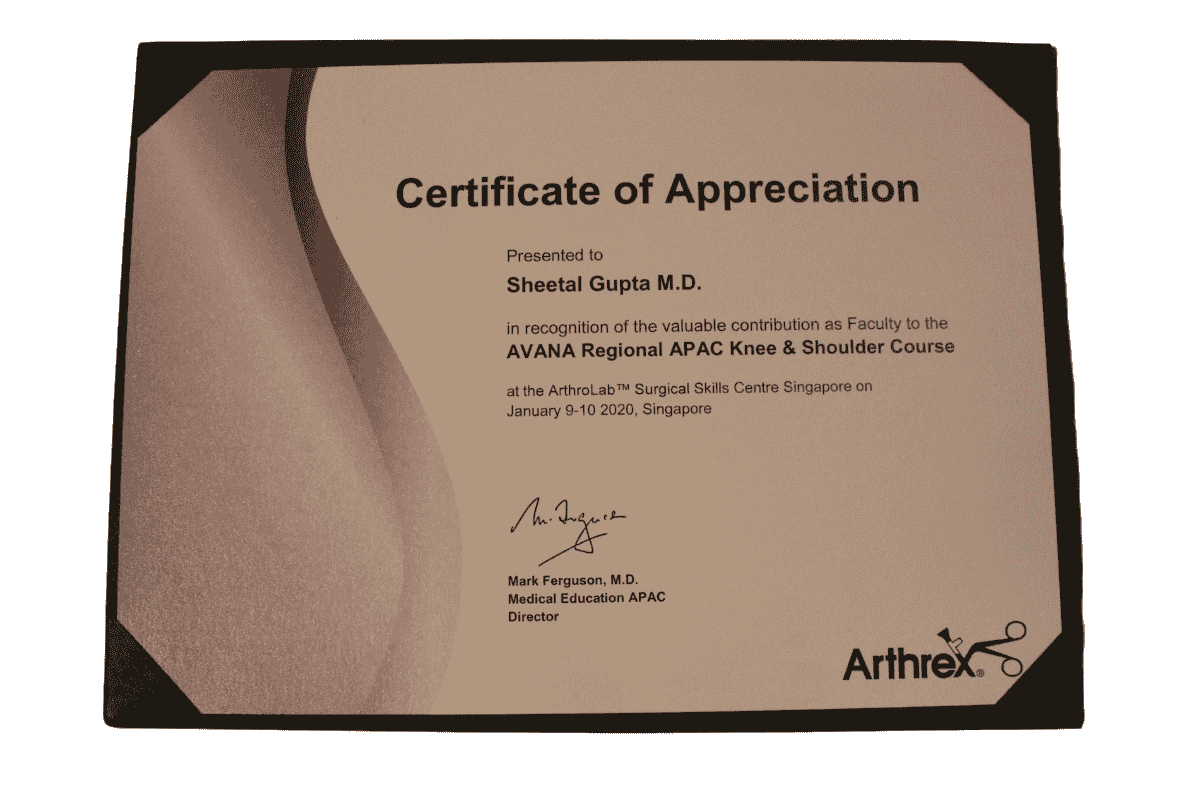
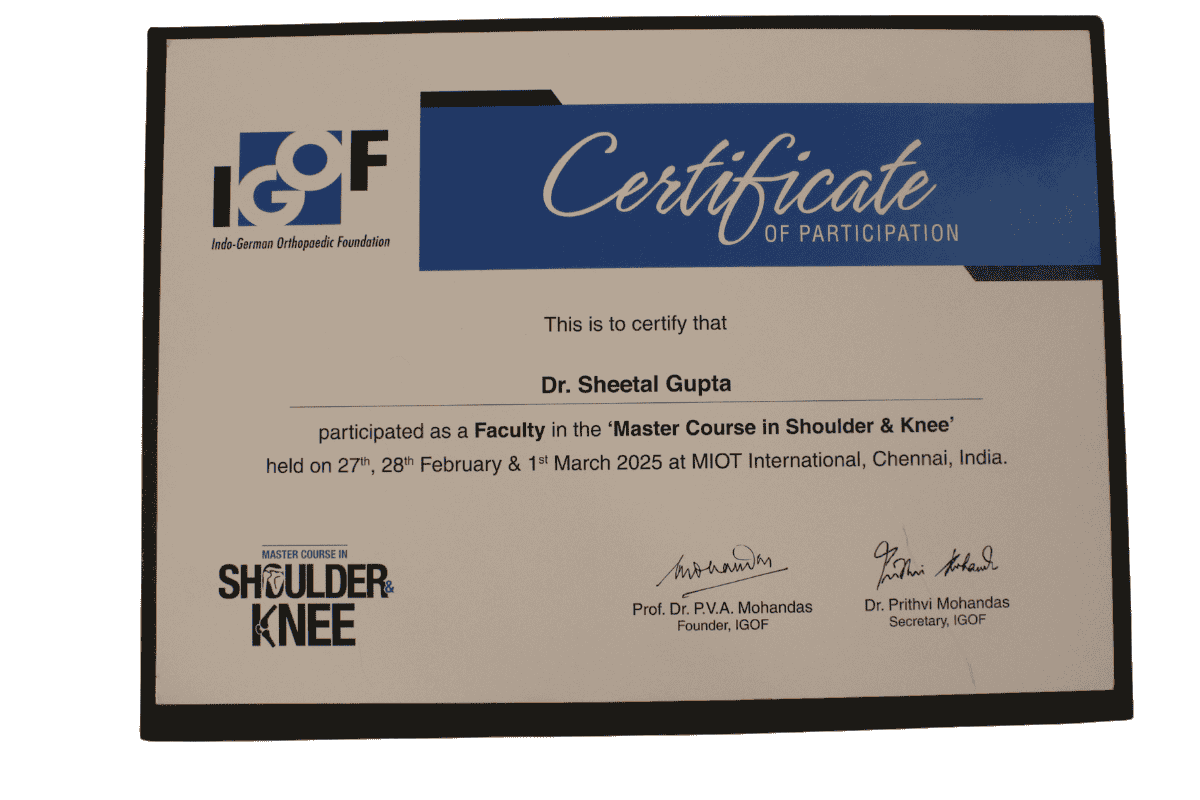
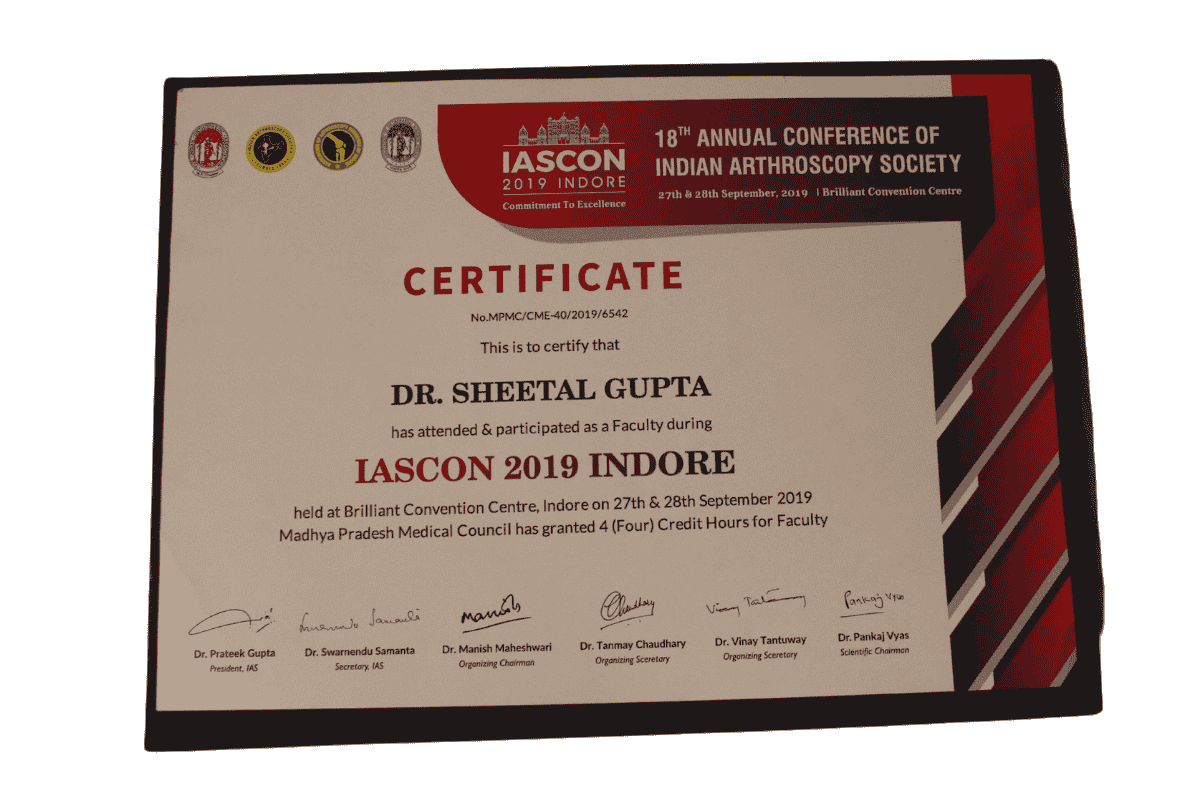
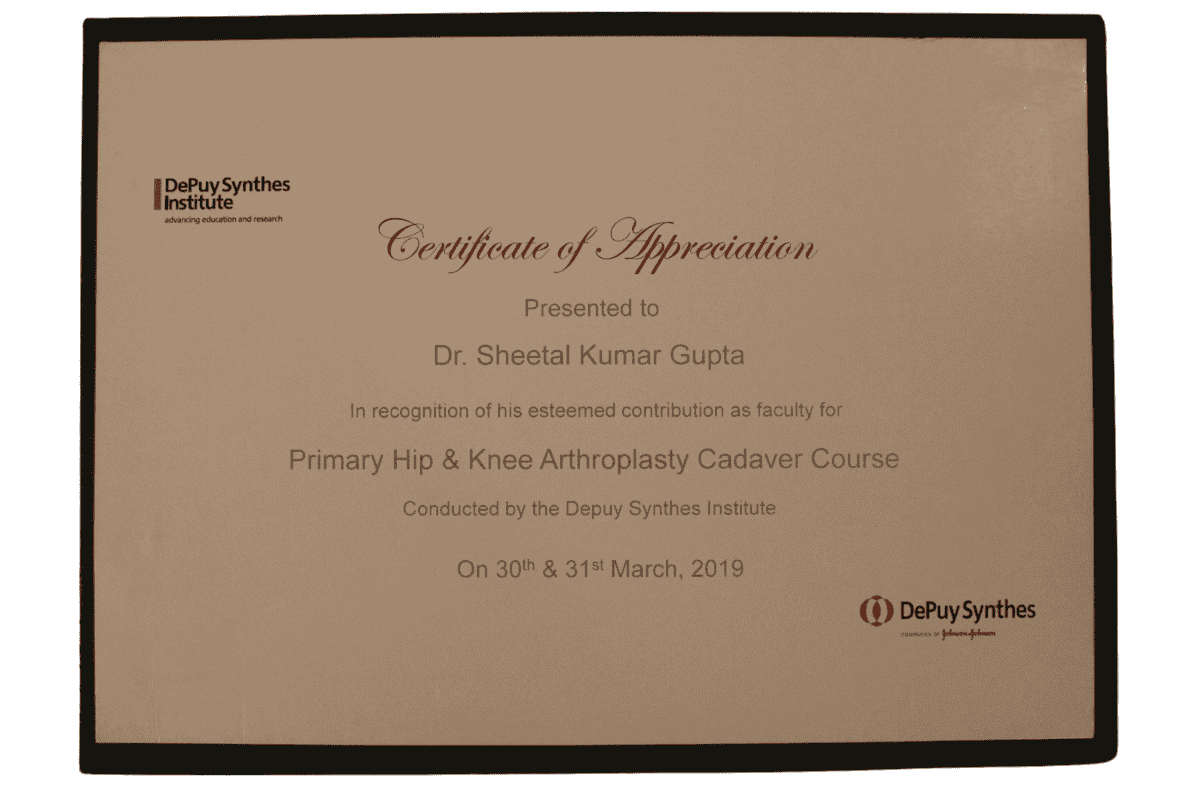
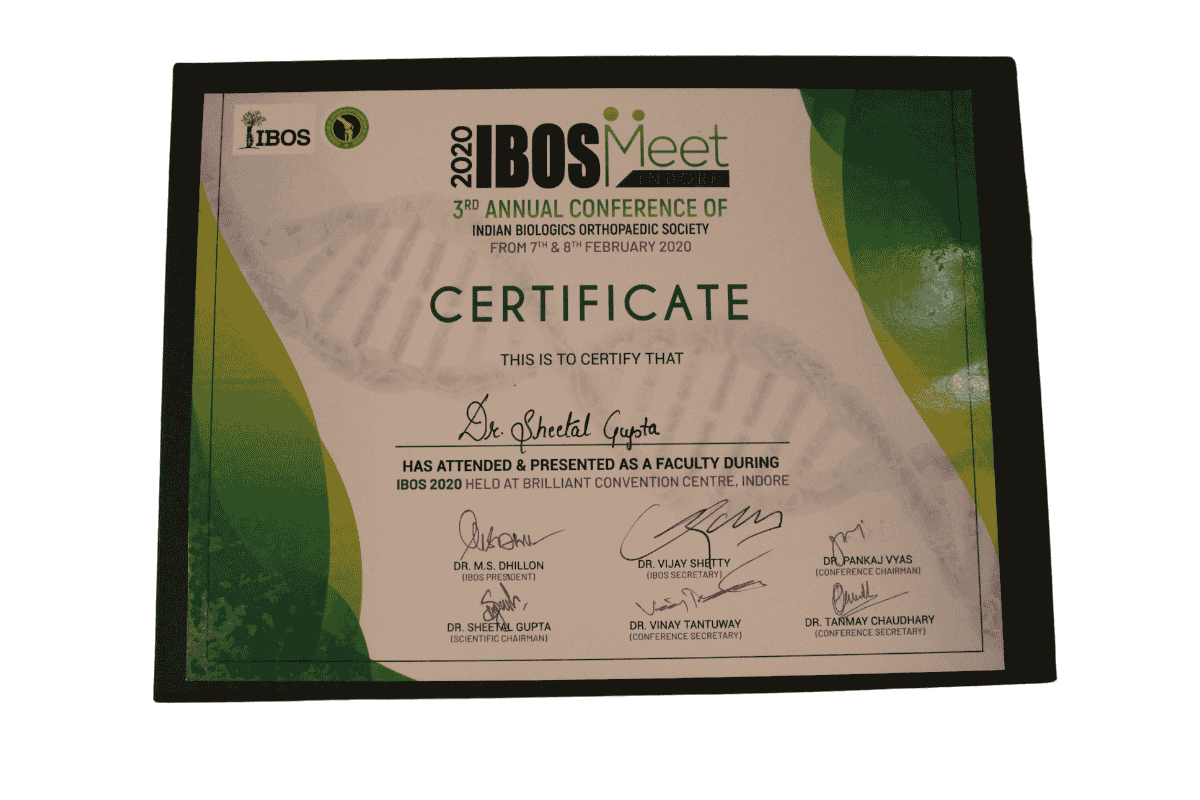
- Faculty Indian arthroscopy association conference 2016
- Faculty Pune Knee Course 2016.
- Organizer and course director for arthroscopy Cadaveric course at Indore sep 2016
- Faculty Bangalore cadaveric course at MSR , aug 2016. ∙ Faculty shoulder and knee arthroscopy IAA MUMBAI 2016.
- Faculty Asia arthroscopy symposium with lecture on shoulder cuff tear at Malaysia may 2016.
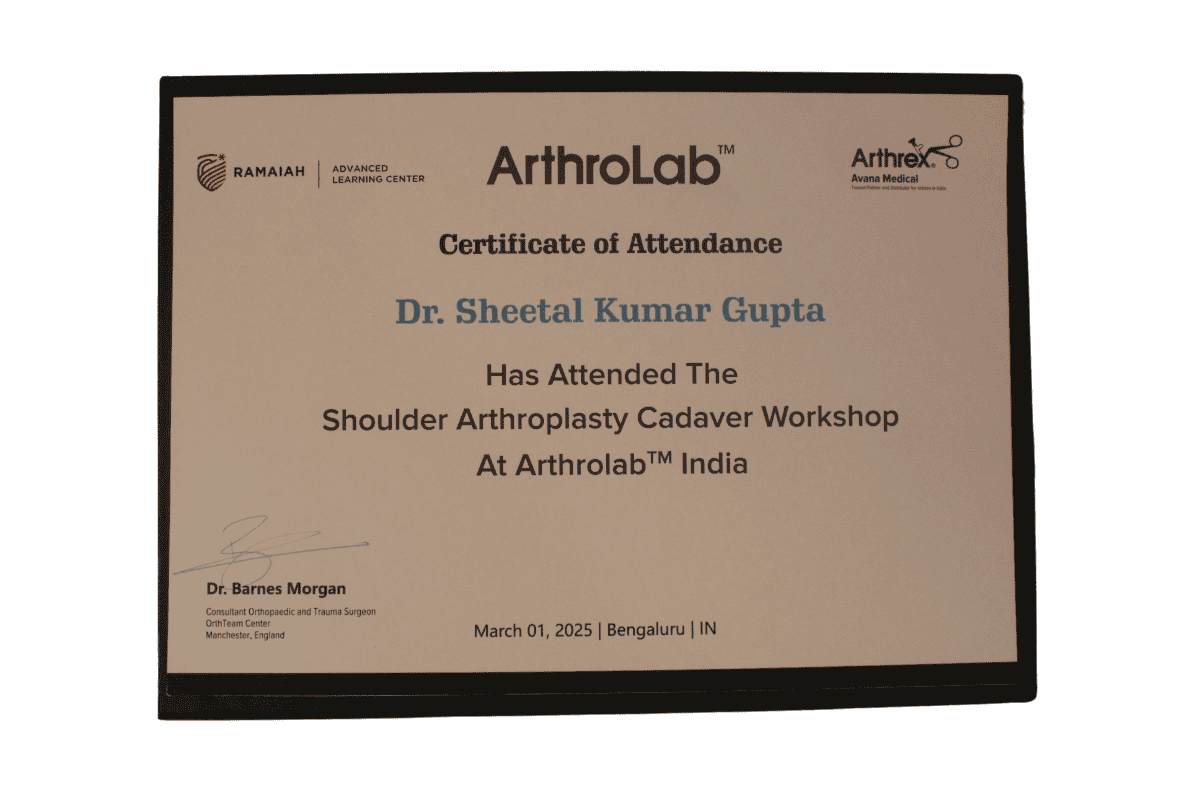
- Faculty Advance shoulder arthroscopy course Jan 2016 at M.S.Ramaiha Banglore.
- Faculty Pune Shoulder Course dec 2015
- FacultyShouldercon Nagpur Jan 2016
- Invited speaker and presented on PCL Avulsion at CLASS meeting Thailand 2015
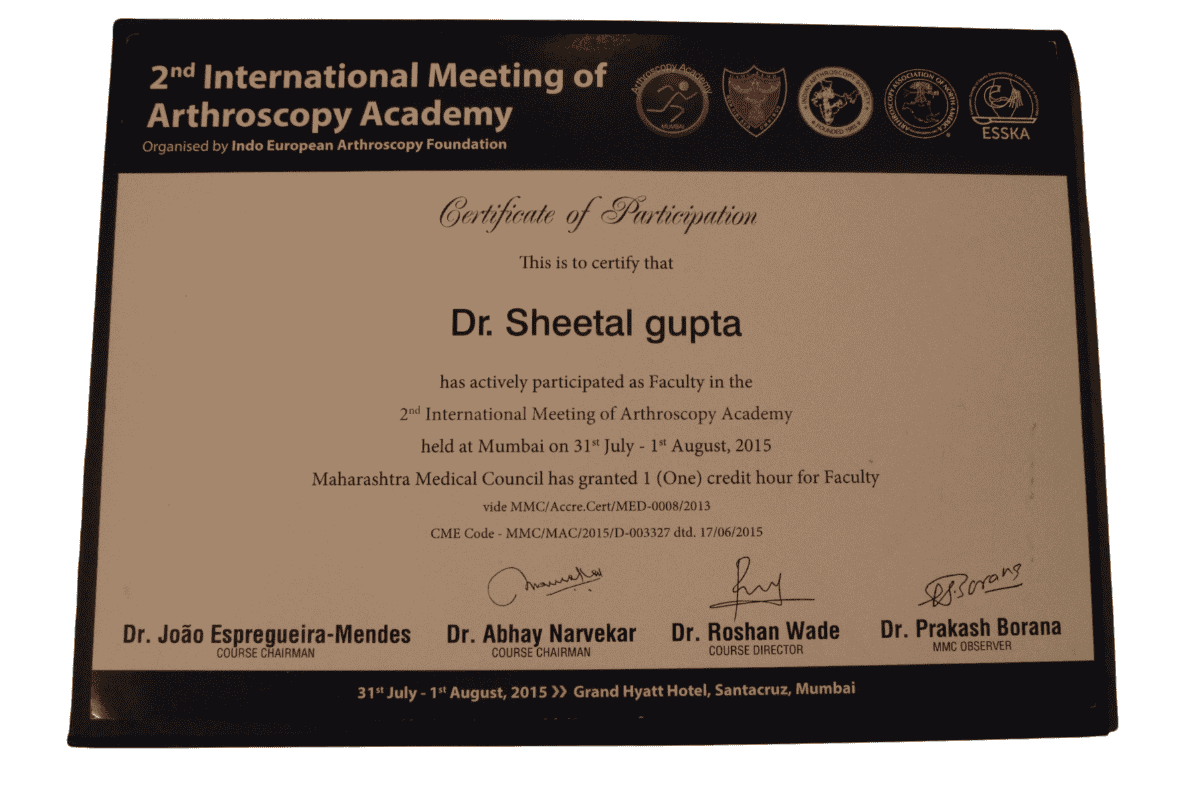
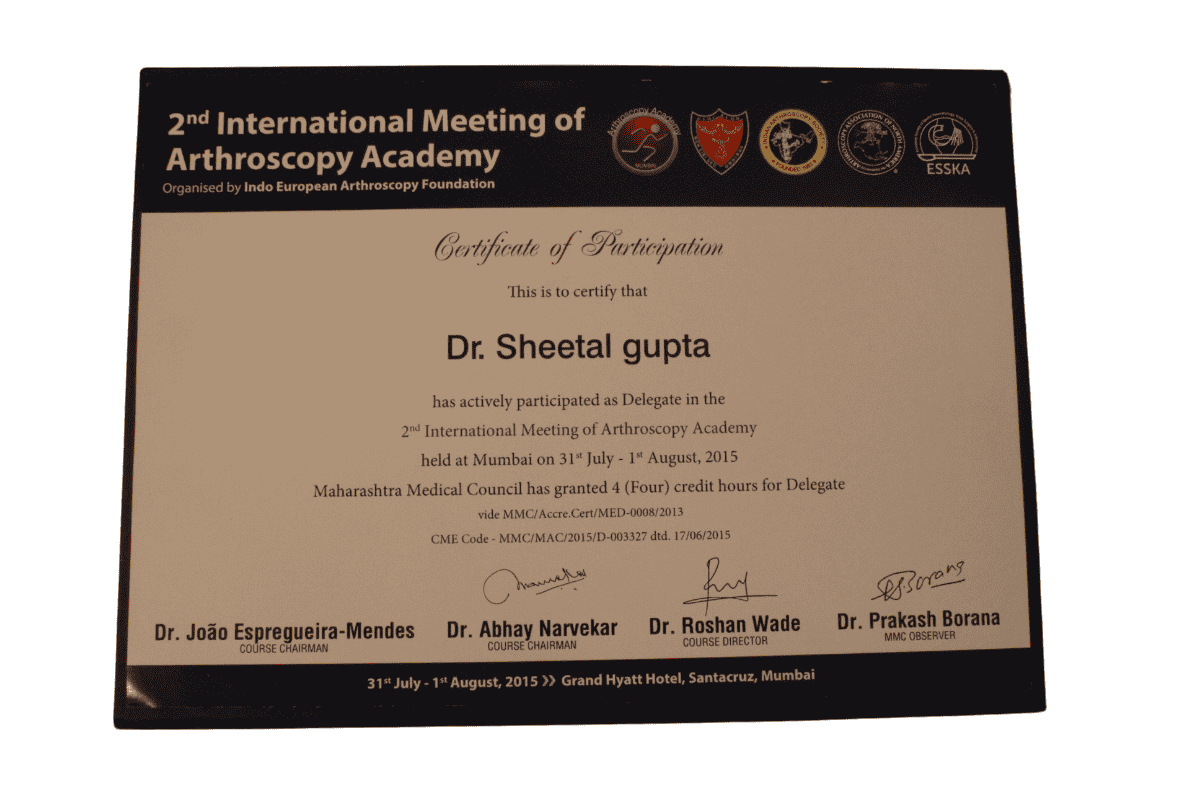
- Faculty arthoscopy academy meeting 2015 , Mumbai
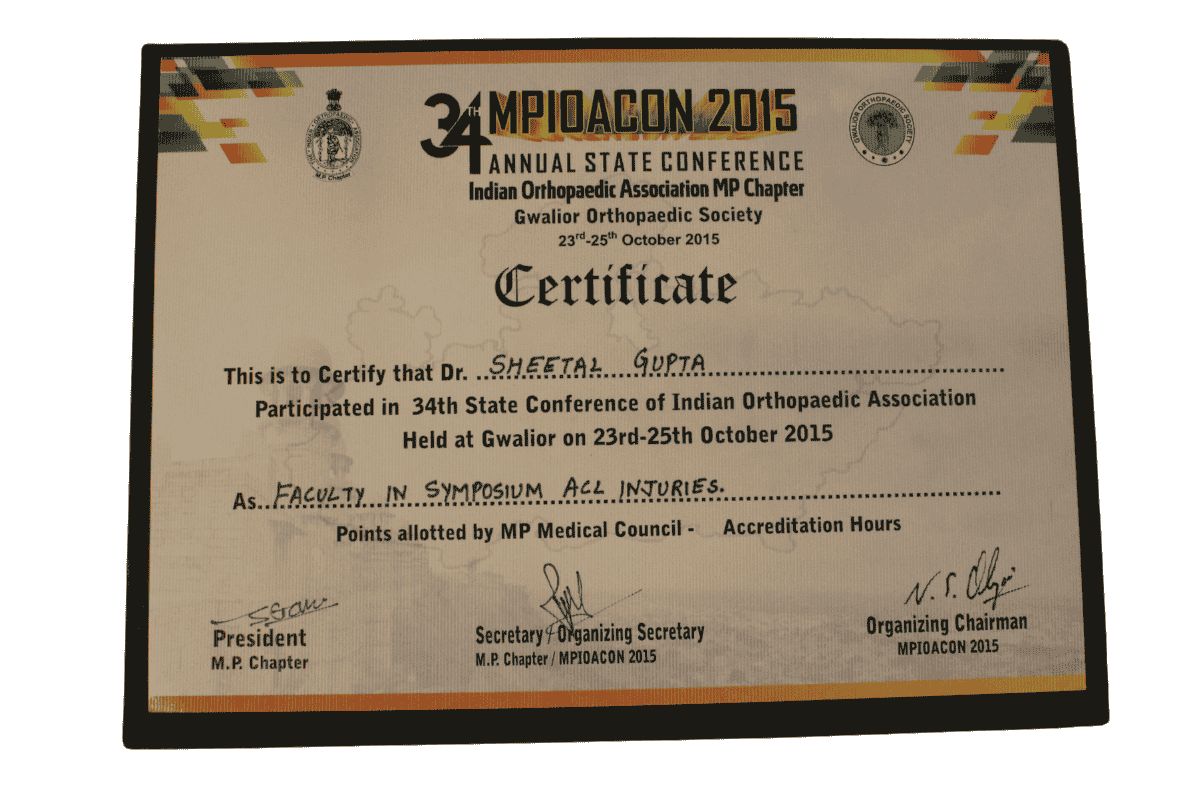
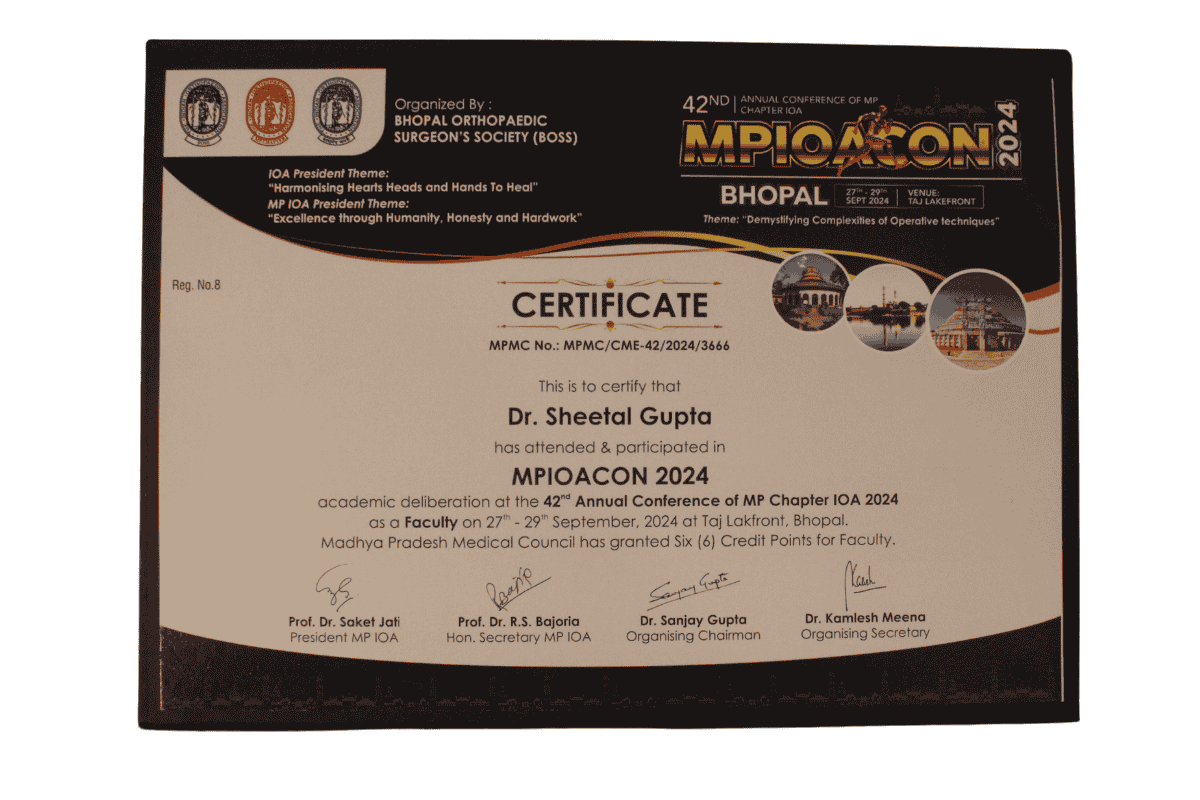
- Faculty MPIOACON 2015, gwalior
- Course convenor and organiser for SMS
- Faculty knee arthroscopy ISKSAA Delhi 2014; arthroscopic synovectomy and biopsy.
- Faculty and surgery demonstration for Advance knee and shoulder arthroscopy workshop at SRMC Chennai Aug 2014.
- Faculty and surgery demonstration for Basic and Advance knee arthroscopy workshop at SAIMS Indore July 2014.
- Faculty and surgery demonstration for Advance knee and shoulder arthroscopy workshop at Indore cadaveric course June 2014.
- Faculty and surgery demonstration for Advance knee and shoulder arthroscopy workshop karl storz Feb 2014.
- Faculty and surgery demonstration for Advance shoulder arthroscopy workshop at Bangalore Sep 2013.
- Faculty and surgery demonstration for Advance shoulder arthroscopy workshop at V.S.S. Ahmadabad Aug 2013. ∙ Faculty MPORTHOCON 2012, presentation on arthroscopic shoulder anatomy.
- Faculty IASMU 2012, paper on arthroscopic frozen shoulder release.
- IGOF 2012 paper on arthroscopic tibial spine fixation. ∙ Faculty MPORTHOCON 2011 paper on anatomy and biomechanics knee joint.
- Winner 2011 national quiz karl storz arthroscope ; at IAS 2011
- MPORTHOCON 2011 presented on resistant frozen shoulder
- IAS 2010 paper on Arthroscopic meniscus flounce sign.
- Have performed more than 3000 arthroscopy independently including knee shoulder ankle and hip arthroscopy.
- Have successfully performed over more than 250 national level players surgeries and are back in sports and won national and international medals.
- At Gunma sports medicine research centre Japan, with exposure in double bundle ACL reconstruction,PCL,PLC reconstruction ,Meniscus repair and Revision reconstruction .Osteochondral allograft.
- Shoulder arthroscopy surgeries, Rotator cuff repair, Bankart repair, AC reconstruction, and SLAP repair at Funabashi Sports Medicine centre, Japan.
- Worked with Dr Rajeev K Sharma, Senior Consultant (Dept of Orthopedics & Joint Replacement) from Feb 2005 to Apr 2006 at Indraprastha Apollo Hospital, New Delhi.
- Worked with Dr Jean Louis Briad with exposure in navigation knee replacement.
- Worked with Dr Y. Kharbanda senior consultant joint replacement Apollo Hospital Delhi.
- Exposure in Primary & Revision Knee Replacement (assisted over more than 300 cases).
- Exposure in Primary & Revision Hip Replacement.
- Exposure in Unicondylar Knee Replacement, Surface Replacement Arthroplasty & Metal on Metal Hip Replacement.
- Exposure in Navigation Total Knee Arthroplasty.
- Performed & assisted in Diagnostic & therapeutic Arthroscopic procedures like Meniscectomy, Synovectomy, ACL & PCL Reconstruction with total 10 years experience.
- As sports medicine specialist involved in treatment of national hockey team, judo, boxing and athletics.
- Visited Argentina with Indian National Hockey team as sports injury specialist and team doctor for four nation tournament Dec 2011.
- Visited Thailand with Indian National Hockey team as sports injury specialist and team doctor for Asian championship tournament Sep 2011.
- Sports medicine consultant for players preparing for Olympics 2012 under OPEX 2012 Scheme.
- York surgical centre, arthroscopy knee and shoulder master course 2013; Yorkshire (U.K.).
- Prince of wales hospital; knee and shoulder arthroscopy course 2013; HONGKONG.
- IOF Course 2010 Singapore.
- NSM joint replacement course Malaysia 2011.
- Fellowship in arthroscopy and sports medicine; GSMRC JAPAN 2008.
- Sports medicine consultant to Indian senior national women hockey team
- Visited Argentina with Indian senior National Hockey team as sports injury specialist and team doctor for four nation tournament Dec 2011.
- Visited Thailand with Indian National Hockey team as sports injury specialist and team doctor for Asian championship tournament(under 18) Sep 2011.
- Consultant to Indian men hockey team during camp at Bhopal in 2009
- Have treated injuries of national fame players like sardar singh,shivendra,sandeep singh,dilip tirkey,sameer dad etc.
- Successfully performed arthroscopic surgeries of various national and state level players
- Dope control officer for senior national men’s hockey semifinals and finals cup 2011.
- In charge for nutritional and food supplements for national team for
Olympic qualifier preparation.
- Educated teams by taking lecture on sports injury prevention.
- Treated injuries and other ailments of boxing legends M.C.Marrycom,Sarita devi.
- Successful surgeries of STC & Centre of excellence players for shoulder and knee injuries.
- Consultant to Indian national women kabbadi team (2011-12) & mens kabbadi team (2010).
- Attended selection trials and treated spot injuries.
- Performed arthroscopic ligament reconstruction for national kabbadi players.
- Sports injury consultant to both national mens & womens senior national judo team from past three years.
- Successfully treated and helped in fast recovery and rehabilitation for injries of knee,shoulder,ankle etc for world champions like tombi devi,kalpana devi,navjot etc
- Operated using arthroscopy for sports injury (knee,shoulder,ankle) of ex-olympic player, national level players who recovered after their surgery and won gold medals at various competition at international & national level.
- Regularly conducted dope test for national judo team.
- Designed individualized rehabilitation programme for national players for faster recovery and for prevention of injury
- Also I have been looking after national water sports (kayaking and canoeing) team , injuries of athletics’, football (SAI), basketball, taikando,
- Treating players of various cricket academies, BDCA, few of ranji cricket players.
- Highly injury prone game ,designed sports injury prevention programme and treated successfully all type of sports injuries including of Arjun awardee Sandhya devi.
Membership (International)
- INTERNATIONAL FEDERATION OF SPORTS MEDICINE
- ASIA PACIFIC ORTHOPAEDIC ASSOCIATION,FELLOW(KNEE AND HIP SPECIALITY)
- ISAKOS
Membership (National)
- INDIAN ORTHOPAEDIC ASSOCIATION∙
- INDIAN ARTHROSCOPY SOCIETY
Experience: 21 years
Get An Expert Opinion
What Are the Symptoms of ACL Tear?
An ACL tear may cause the following symptoms: (video- ACL injury symptoms?)
- A sensation or sound of a pop in the knee
- Pain and tenderness
- Swelling that begins immediately or within four to six hours after the injury and may persist for two to four weeks
- Reduced range of motion in the knee joint
- Difficulty or discomfort while walking
- Instability in the knee
- Difficulty bearing weight on the affected leg
- Inability to continue the activity that caused the injury
Does ACL Reconstruction Lead to Knee Replacement?
ACL reconstruction surgery does not directly lead to the need for knee replacement surgery. ACL reconstruction is performed to repair or reconstruct damaged knee ligaments, whereas knee replacement surgery is typically recommended for cases of bone damage within the knee joint. This is often due to arthritis, where the cartilage cushioning the knee bones wears away over time. Common forms of arthritis treated with knee replacement include osteoarthritis, rheumatoid arthritis, and psoriatic arthritis. (video- new)
While ACL surgery focuses on repairing or reconstructing the torn ligament, knee replacement surgery involves replacing the damaged knee joint with an artificial prosthesis.
Treatment Procedure for ACL Surgery
The treatment for ACL tears varies depending on the individual’s specific circumstances and the condition of their knee. The various treatment options for an ACL tear include:
Patients' Result-Stories
Playlist

0:16
0:16
0:16
Physiotherapy to Treat ACL Tear
A physiotherapist will guide the patient through specific exercises designed to reduce knee pain and swelling while restoring the full range of motion in the knee joint.
The patient may also be advised to wear a brace for knee stabilization and use crutches to assist with walking, preventing weight-bearing on the affected knee. ( video- can ACL complete tear be healed with physiotherapy)
Physiotherapy is an effective treatment for ACL tears in individuals who are less physically active, engage in mild to moderate exercise or recreational activities, or participate in low-impact sports that place minimal stress on the knee joint.
Surgery for ACL Tear Treatment
Surgery is typically advised in the following situations: ( vid- can ACL ligament tear heal without surgery)
- An athlete intending to remain physically active
- Damage involving multiple ligaments or fibrous cartilage in the knee joint
- An injury causing knee instability or buckling during everyday activities
ACL reconstruction surgery involves removing the damaged ligament and replacing it with a graft—a tendon segment that connects bone to muscle. This graft may be taken from another part of the patient’s body.
Following surgery, physiotherapy is essential to restore the knee’s function and stability.
ACL Tear Repair by Home Remedies
Certain home remedies can help alleviate pain and swelling immediately after a knee injury. These home-care tips may assist in managing the symptoms of an ACL tear: ( video – new, what home remedies to do when you get an ACL tear?)
- Rest: Adequate rest supports healing and reduces weight-bearing stress on the knee.
- Ice Application: Applying ice to the affected knee every two hours for about 20 minutes at a time during waking hours can help reduce swelling.
- Compression: Wrapping the knee joint with a compression wrap or elastic bandage can help minimize pain and swelling.
- Elevation: Keeping the knee elevated by placing the lower leg on a few pillows while lying down can help decrease swelling.
Preparation for ACL Treatment
Before undergoing ACL treatment, the doctor may recommend specific tests and evaluations, including:
- Physical Examination: To assess pain, swelling, range of motion, and the overall function of the knee joint.
- X-rays: To rule out the possibility of a bone fracture.
- MRI Scans: To evaluate the extent of the ACL injury grade 1,2,or 3 and check for damage to other tissues in the knee joint.
- Ultrasounds: To detect injuries to the tendons, ligaments, and muscles around the knee joint.
Preparatory Steps for ACL Tear Treatment
The following steps are typically advised by the doctor before treatment or surgery: ( vid new- how to prepare for ACL surgery)
- Discuss Treatment Options: The patient should review the available treatment options with the doctor and address any questions or concerns about the procedure.
- Fasting Before Surgery: The patient must refrain from eating or drinking after midnight the night before ACL reconstruction surgery.
- Medication Disclosure: The patient should inform the doctor about any vitamins, supplements, or medications they are taking. Certain medications, such as blood thinners or anti-inflammatory drugs, may need to be reduced or stopped a few days before surgery to minimize the risk of bleeding.
- Avoid Smoking and Alcohol: The doctor will recommend abstaining from smoking and alcohol for several days leading up to the surgery.
- Physiotherapy: Pre-surgery physiotherapy sessions may be advised to reduce knee swelling, strengthen the surrounding muscles, and improve the knee joint’s range of motion.
- Practice Using Crutches: The patient may be instructed to practice walking with crutches in preparation for post-surgery mobility.
Post-Operative Protocol for ACL Surgery
Most patients are discharged on the next day as their ACL reconstruction surgery. The following post-operative guidelines can help ensure a smooth and speedy recovery: ( video- ACL rehab phases )
- Ankle Movement: Patients are advised to move their ankles up and down at least 10 times every 30 minutes for the first two to three days after surgery to prevent blood clots.
- Dressing Removal: The knee dressing is usually removed the day after surgery.
- Rest and Hygiene: Adequate rest is crucial, and the incision area must be kept clean and dry.
- Suture Removal: Stitches are typically removed one to two weeks post-surgery.
- Pain Management: Some discomfort and pain are normal in the initial days. Painkillers prescribed by the doctor can help manage this.
- Leg Elevation: Keeping the operated leg elevated for the first three to five days helps reduce swelling.
- Ice Packs: Applying ice packs can alleviate pain and swelling in the days following surgery.
- Avoid Pressure on the Operated Leg: Refrain from placing any weight or strain on the leg during recovery.
- Follow-Up Appointments: Regular check-ups are scheduled a few weeks post-surgery to monitor progress and rule out complications.
- Knee Brace: A knee brace should be worn for at least 3 week post-surgery.
- Crutch Use: Patients will need to use crutches or another walking aid for at least six weeks.
- Physical Therapy: Rehabilitation exercises are essential to restore knee function and mobility. Most patients regain full range of motion within a few weeks.
- Return to Sports: Athletes may need six to twelve months to fully resume sports activities.(
Risks and Complications Associated with ACL Surgery
ACL reconstruction surgery is highly successful and carries a low risk of complications.
ACL Surgery Cost in India
The cost of ACL surgery can vary depending on several factors, including:
- Type of Treatment: Surgical treatments tend to be more expensive than non-surgical options.
- Extent of Knee Damage: Severe damage to ligaments or tendons may require more complex and costly treatment.
- Graft Type: The cost varies as per autograft or neo ligament.
- Hospital Choice: Treatment costs can be higher in corporate hospitals compared to dedicated centers for arthroscopy.
- Insurance Coverage: The cost will depend on the patient’s insurance coverage and what it includes for ACL ligament surgery.
- Surgeon’s Expertise: Experienced surgeon’s charges are often higher than novice surgeons.
- Diagnostic Tests: Pre-surgical diagnostic tests such as MRIs, X-rays, or ultrasounds contribute to the total cost.
- Anesthesia and Medications: The cost of anesthesia, medications, and necessary surgical equipment is included in the overall price.
- Physiotherapy Sessions: Post-surgery rehabilitation and physiotherapy sessions are an additional cost.
- Follow-Up Appointments: Regular follow-up visits to monitor recovery also add to the overall treatment cost.
Qualities of a Top ACL Surgeon in India
In India, ACL (Anterior Cruciate Ligament) treatment is performed by an orthopedic surgeon specializing in knee arthroscopy surgeries. A skilled ACL surgeon typically possesses the following qualities:
- Proper Certification and Specialization: post graduate degree in orthopedics and higher trainings as fellowships in arthroscopy.
- Experience: Experienced in treating ACL injuries and familiar with a wide range of related conditions.
- Reputable Practice: Associated with well-established hospitals or clinics known for high-quality orthopedic care.
- Insurance Acceptance: Works with insurance providers to accommodate patients with coverage for ACL surgery.
- Patient Comfort: Creates a comfortable and reassuring environment for patients, addressing all questions and concerns.
- Compassion and Bedside Manner: Demonstrates empathy, strong communication skills, and a caring attitude toward patients.
- Leadership Skills: Capable of leading a multidisciplinary medical team to ensure optimal treatment outcomes.
- Flexible Treatment Approach: Tailors treatment plans to meet the unique needs of each patient based on their specific injury and lifestyle.
- Realistic Perspective: Provides clear, honest expectations regarding recovery time and surgical outcomes.
- Commitment to Learning: Stays updated with the latest advancements, techniques, and technologies in ACL treatment to provide the best care possible.
Get An Expert Opinion
How to Choose the Best ACL Surgeon in India
Choosing the right orthopedic surgeon for ACL treatment in India is a key step towards ensuring successful recovery. With several skilled surgeons and medical centers across the country, it’s important to follow certain steps to find the best one for your needs. Here are some tips for selecting an ACL specialist in India:
Seek guidance: Start by asking your family, friends, or healthcare providers for recommendations. Also, check with local sports clubs or physiotherapists who may have experience with ACL injuries.
Check Online Reviews: Look for online reviews, ratings, and patient testimonials that provide insight into the surgeon’s expertise, approach, and success rates in ACL treatment.
Verify Credentials: Make sure the surgeon is certified, particularly in orthopedic surgery, and has no history of malpractice. You can also verify their qualifications with medical boards in India like the Medical Council of India (MCI).
Evaluate Experience: It is essential to choose a surgeon with substantial experience in ACL surgeries. An experienced surgeon is more likely to offer successful treatment outcomes and handle complications effectively.
Assess Hospital Reputation: Research hospitals or clinics where the surgeon practices. Choose well-established institutions with excellent ratings for orthopedic treatments, advanced technology, and patient care.
Schedule a Consultation: Meet with the surgeon for a consultation. This will give you a chance to discuss your condition, treatment options, and ask questions about the surgeon’s experience with ACL surgery. It’s also an opportunity to assess the surgeon’s communication skills and approach.
Insurance Coverage: Ensure the surgeon is covered by your health insurance plan, if applicable, to help minimize out-of-pocket expenses.
By following these steps, you can find a highly skilled orthopedic surgeon for your ACL injury treatment in India, ensuring the best possible outcome for your recovery.
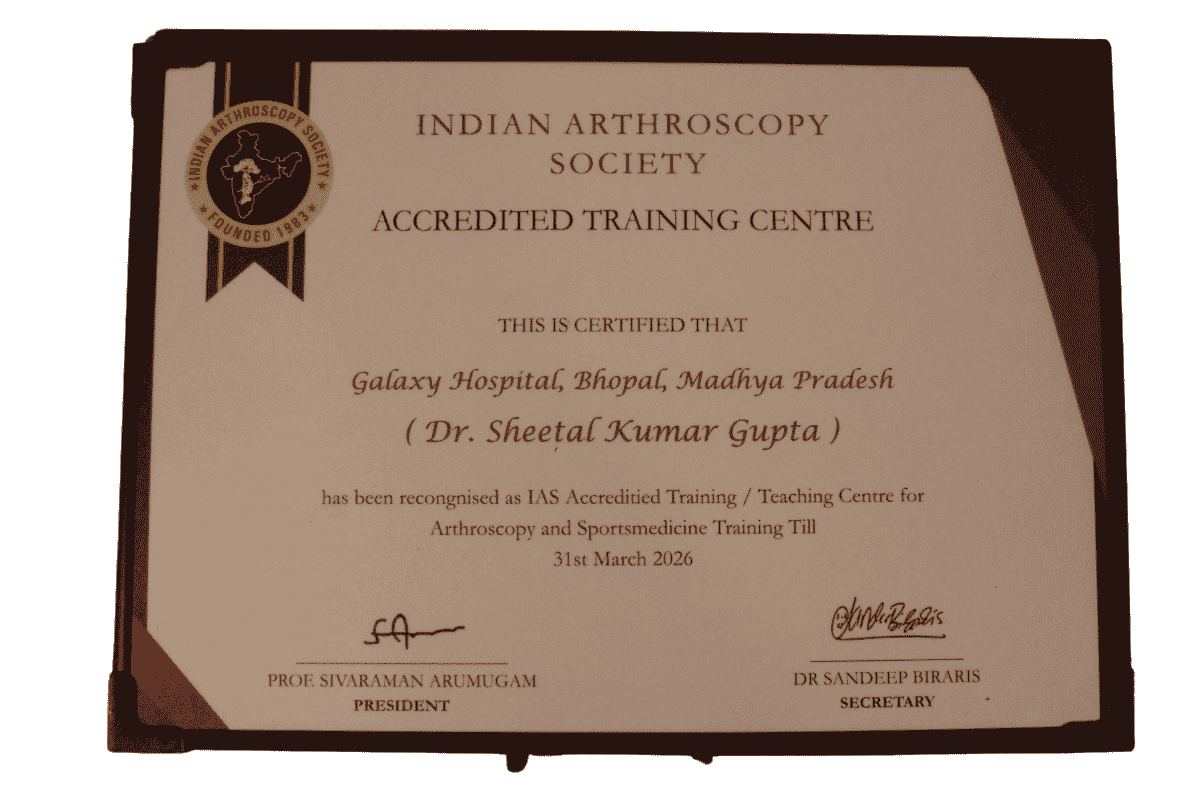
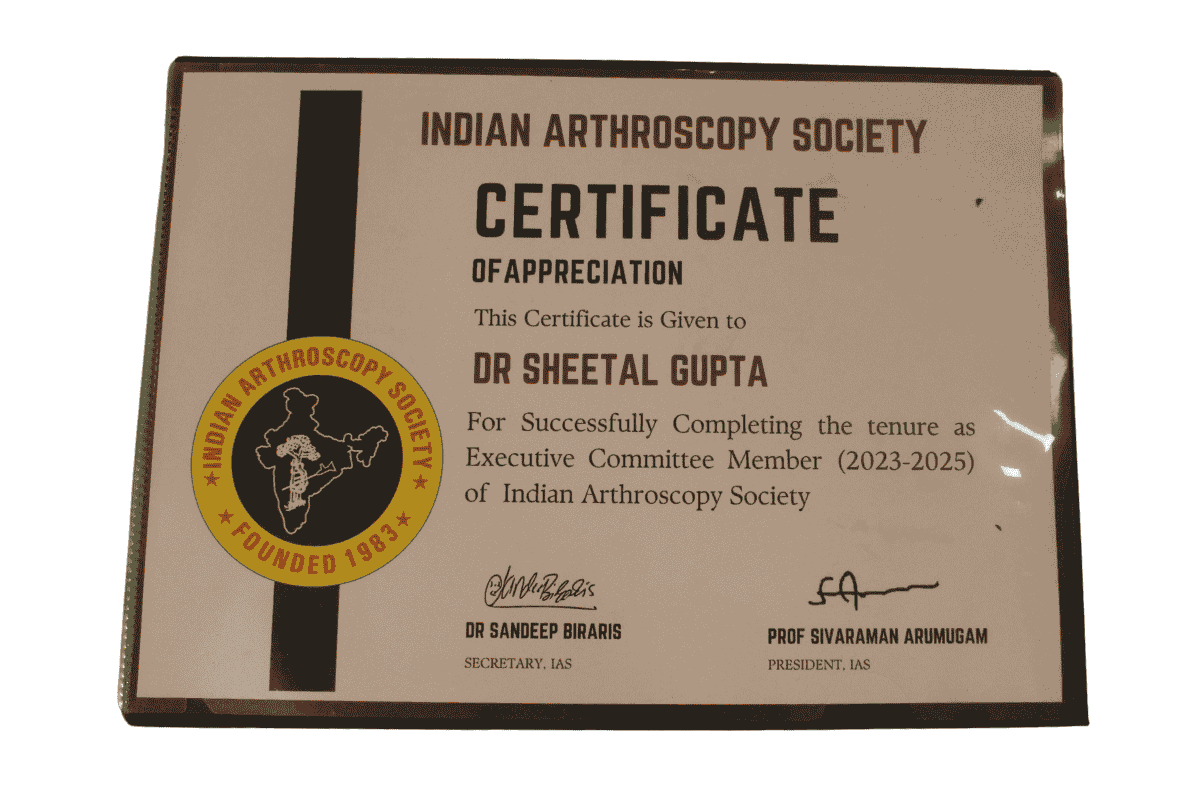
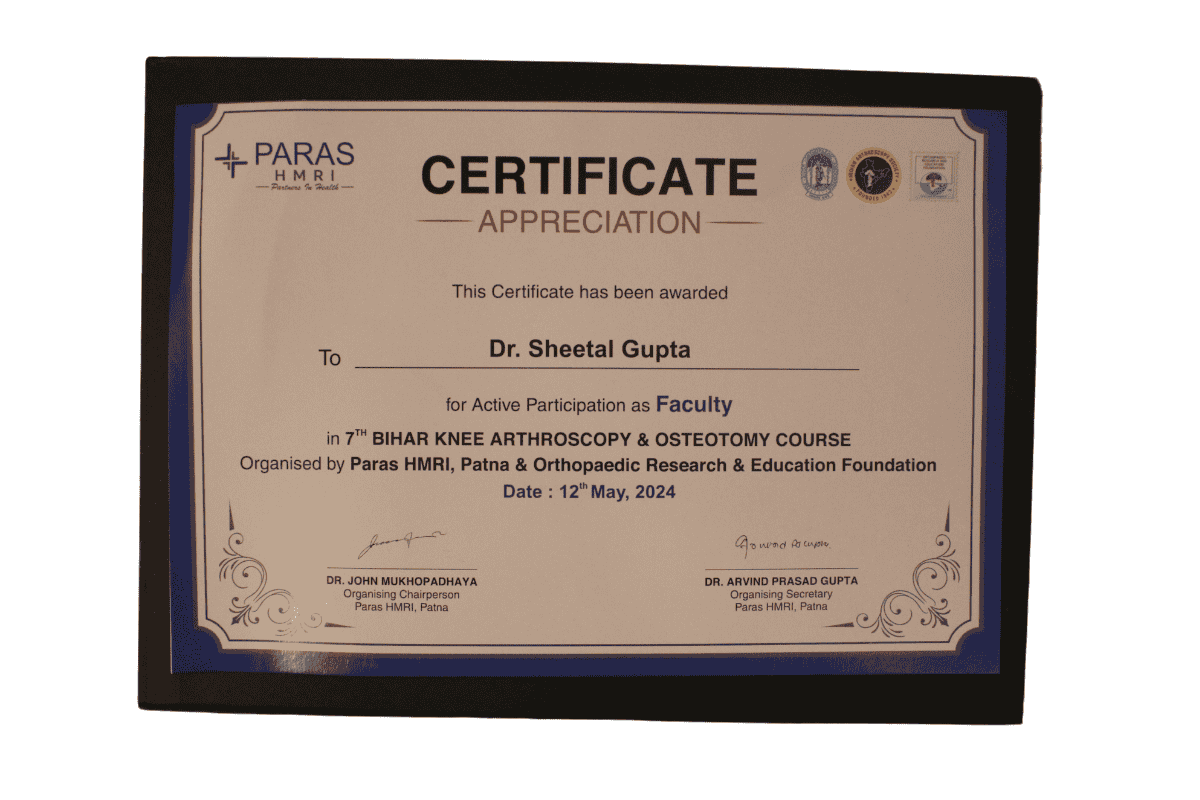
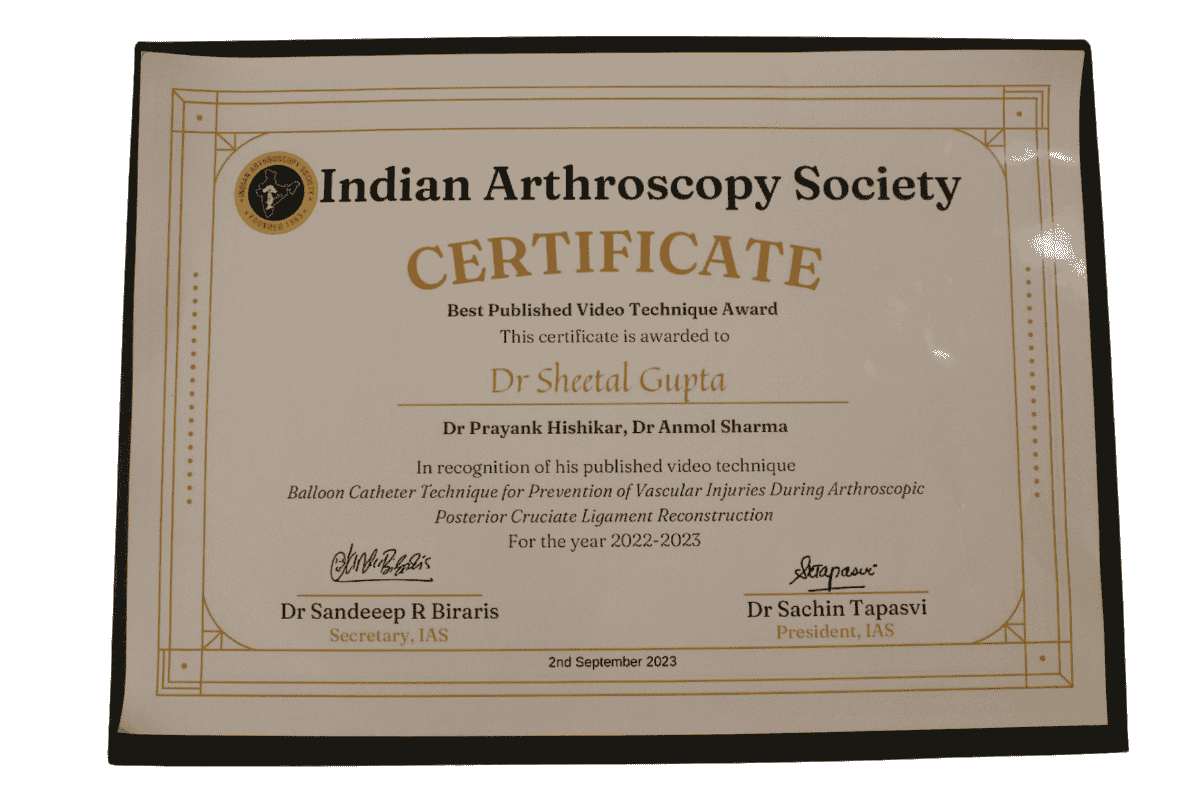
Publications
Author Bio
Dr. S.K. Gupta | MS Ortho. (Mumbai) | FAANA (USA) | FIAS (Japan) | FAPOA (Singapore)
Director — Arthroscopy & Joint Replacement, Apollo Sage Hospital, Bhopal
Dr. S.K. Gupta is a Senior Orthopaedic, Knee & Shoulder Surgeon with 21+ years of experience and 12,500+ surgeries performed. He holds an MS in Orthopaedics from LTMMC Medical College & Sion Hospital Mumbai and international fellowships from Japan, USA, Singapore, and Delhi. Widely known as the “Meniscus Man of India”, he is the first arthroscopy surgeon from India to receive the prestigious FAANA Fellowship and is recognized by the Abhinav Bindra Foundation Trust as a Centre of Excellence for Sports Surgeries. His surgical techniques are published in leading international journals.
Full Profile: https://drskguptaligamentsurgeonindia.com/about-dr/
Medical Disclaimer
The information on this page is intended for general educational purposes only and does not constitute medical advice. It does not replace a professional medical consultation, diagnosis, or treatment recommendation. Every patient’s condition is unique. Please consult Dr. SK Gupta or a qualified orthopaedic surgeon to determine the most appropriate treatment for your individual situation. Do not delay seeking professional medical advice based on information read on this website.
Why Choose Us for ACL Surgery
Why choose our "surgeon"?
- Our surgeon Dr S.K Gupta is a world renowned knee and shoulder surgeon with extensive experience of ACL and meniscus surgeries.
- He has over 21 years of focused work-experience in knee and shoulder arthroscopy and12500 + successful surgeries.
- He has experience of successful treatment of hundreds of International and national sports persons.
- His highest level of qualifications and mastery in his work, is the reason of making him first choice for ACL Meniscus treatment by patients from across the country.
Why Choose Us?
- We are dedicated Arthroscopy Centre with highest number of ACL and meniscus surgeries.
- This makes every member of the team in your service, highly competent and experienced for ACL and Meniscus surgery pre-op, intra-op, post-op and rehabilitation management.
- We are well known for affordable cost and cashless facility with combination of best surgeon, best equipments, best implants, and specially trained team for knee and shoulder surgery care.
Why does "surgeon's experience" matter?
- The successful result of surgery depends very much on the detailed and focused expertise of surgeon and his team.
- Experience and skills of your surgeon is the most important factor for successful result.
- You must research well about it, as the primary surgery is the most important chance.
Why choose our "operation theatre" and OT team?
- Hi-Tech modular operation theatres, high precision International equipments for arthroscopy, world class OT machinery specific for knee and shoulder surgery
- Protocol based and highly skilled OT team with focussed work in knee and shoulder arthroscopy plays a vital role in surgical success.
- All our operation theatres are well equipped with planum with HEPA filters. High efficiency HEPA filters can remove 99.97 to 99.99% of airborne particles including smallest bacteria to the size of 0.3 microns. This helps to safeguard our patient from infections.
- The hospital has well defined “infection control guidelines” to be followed by all team members. This helps in reducing the infection rate to less than 0.1%.
- “Triple Level checks” for sterility and disinfection of implants and OT support materials is strictly followed.
- “WHO surgical Safety protocol” for Sign-IN, Time-Out, Sign-Out is adhered to In 100% patients.
- “High pressure autoclave with Pre-Vac” and “ETO sterilization” procedures are used.
- Wheeling in, Wheeling out and anaesthesia safety protocols are strictly followed. One Way Traffic protocol is followed.
- Central Medical gases oxygen and nitrous supply And central suction systems are in place.
- Pressure Dampeners are active to maintain OR pressures. Humidity Checks are done to maintain evidence based recommended guidelines.
Why "post-op care" matters?
KPI (Key Performance Indicators) are being regularly caught, audited and analyzed. Team Galaxy takes utmost care and as a result the captured para are between 0 to 0.13%. This practice is one of the central reasons for our very high success rate.
Post Op care team is regularly following Care Bundles like-
- PVC insertion Care Bundle
- PVR Daily Care Bundle
- Catheter Insertion Care Bundle
- Catheter Daily Care Bundle
- SS care Bundle
- WHO Hand Hygiene Protocol
- Universal Precautions
Patient Safety Protocols being followed are like-
- “7 Level Check” for Side identification
- Pre-Operative Checklist
- BT prep and safety protocol
- Belongings and Material Handover Protocol
- Surgical Site Marking Protocol
- Patient Identification Protocol
- Admission and Discharge Protocol
- Checklist for shifting from OR to Recovery SICU
- Checklist for shifting from SICU to Ward
- The finest details of immediate post-op depends on the expertise of medical, nursing and rehabilitation team.
Why does our "rehabilitation team results" excel?
- The team follows “Surgical age-based assessments and reassessments” to formulate the customized care.
- Rehab is planned “One-O-One as per the milestones achieved” by the patient till visit date.
- Phases of Rehab are scientifically based on division into Macrocycle, Mesocycle and Microcycles of care, the Pre-Injury level of activity, the Surgical details of patient as per the surgeon; and “not one size fits all” method.
- The “5-Staged Plan of Care” of post op rehabilitation is followed for holistic recovery of patients –
- Protection & Activation
- Recovery of Range
- Strength Development
- Functional Integration Inclusion
- RTS If Sports Person
- Sports-Persons’ prolonged follow up to Return To Sports after RTS Testing is followed.
- Regular skill upgrade training of team is done as per new international guidelines.
- Our Physiotherapy team serves large number of ACL and meniscus surgery post operative patients, with close follow up, for return to normal and return to Sports.
- This huge experience in knee and shoulder surgery rehabilitation is the reason for their best results.
- Our successful results are the reason, why our old patients send other patients for similar results.
Contact Us


We Serve Pt. From Various Cities
- Mumbai
- Chennai
- Lucknow
- Bengaluru
- Hyderabad
- Kolkata
- Surat
- Ahmedabad
- Pune
- Jalandhar
- Jaipur
- Jalgaon
- Solapur
- Chandigarh
- Nashik
- Goa
- Ranchi
- Madurai
- Kanpur
- Kochi
- Noida
- Coimbatore
- Jamshedpur
- Ludhiana
- Rajkot
- Amritsar
- Guwahati
- Dehradun
- Bhubaneswar
- Kota
- Agra
- Meerut
- Varanasi
- Aurangabad
- Jodhpur
- Vijaywada
- Raipur
- Sri Nagar
- Vadodara
- Cuttack
- Gwalior
- Nagpur
- Aligarh
- Bhopal
- Jabalpur
- Ujjain
- Udaipur
- Moradabad
- Chhindwara
- Patna
- Indore
- Shahdol
- Umaria
- Sagar
- Dewas
- Mandsaur
- Neemuch
- Ratlam
- Singrauli
- Prayagraj