

Knee Cartilage Damage Surgery in Bhopal | Dr SK Gupta
Our Work Experience
12500+ Successful
Surgeries
21+ Years
Of Experience
10000+ Sports
Persons Treated
25+ States Serve
from the Country
250 International
Stature Awards Ach.
98.33% Satisfaction
Happy Patient Index
Get An Expert Opinion
Knee & Shoulder Surgeon
About Dr. S.K. Gupta
M.S. (Ortho.) Mumbai,
M.R.C.S., F.I.A.S. (Japan),
F.A.P.O.A. (Singapore),
- Arthroscopy,
- Joint Reconstruction,
- Sport Injury Surgery.

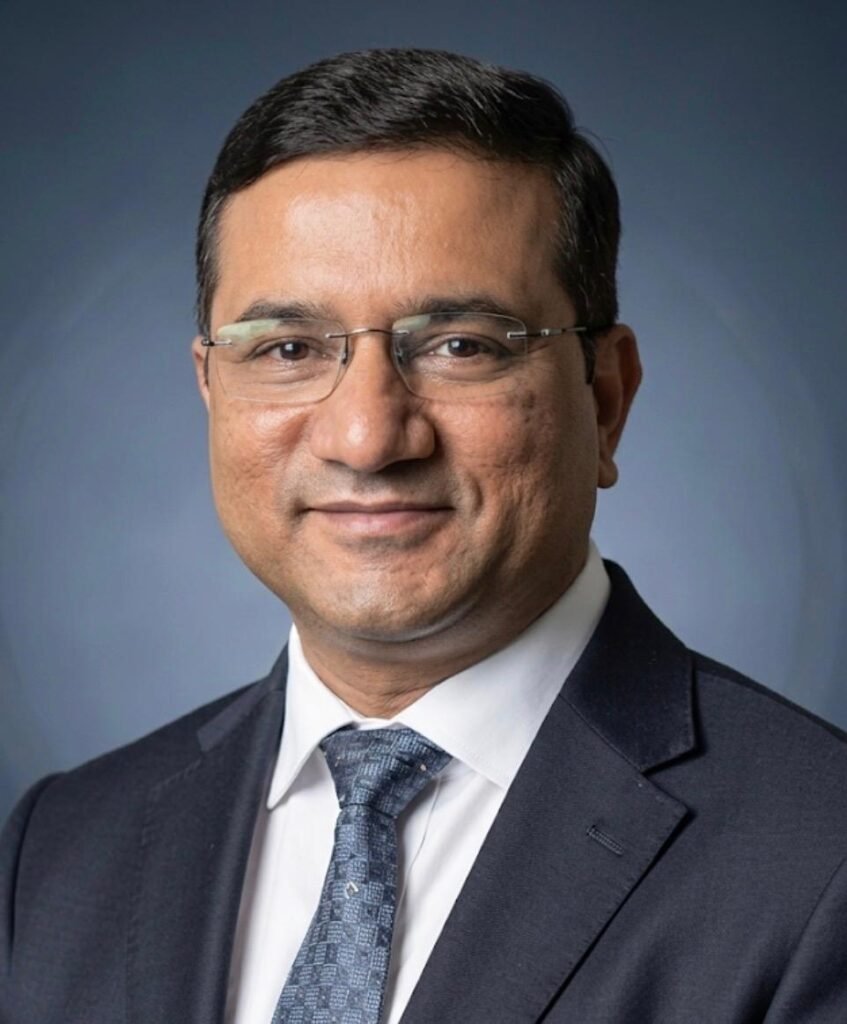
Dr. S.K. Gupta Contribution In Knee Cartilage Preservation and Regrowth
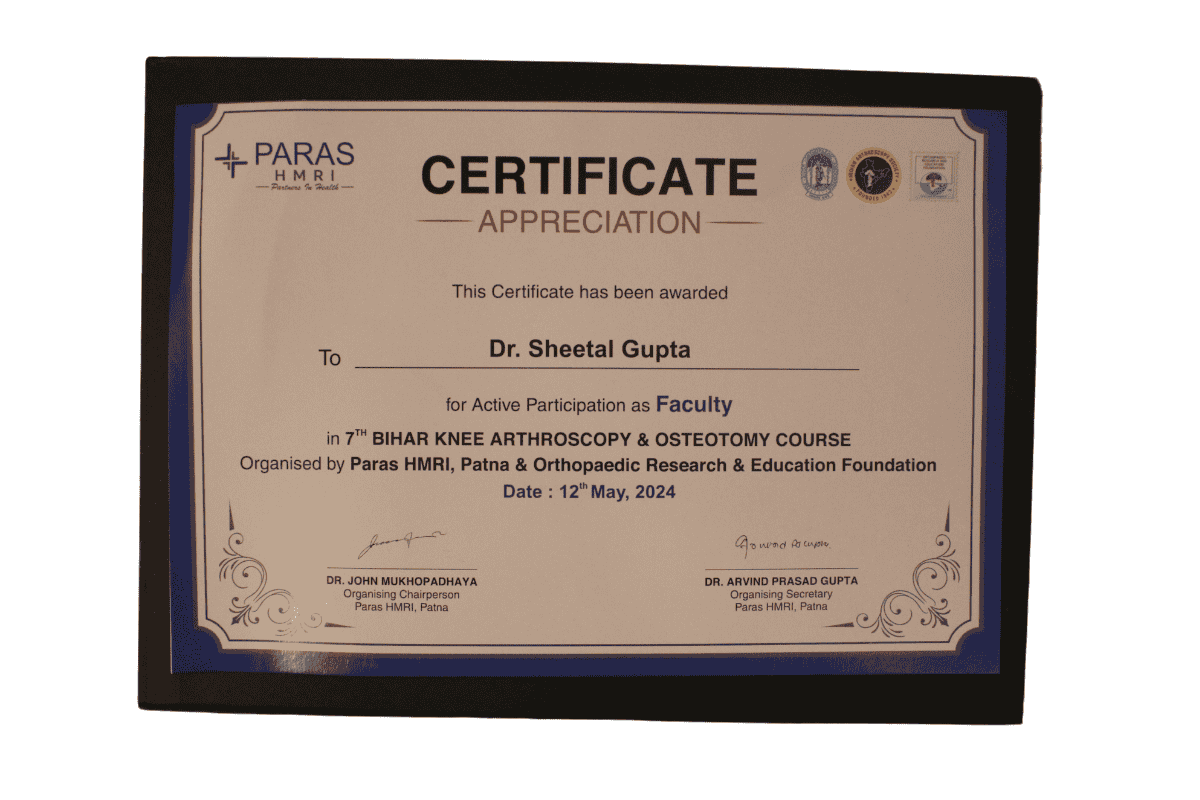
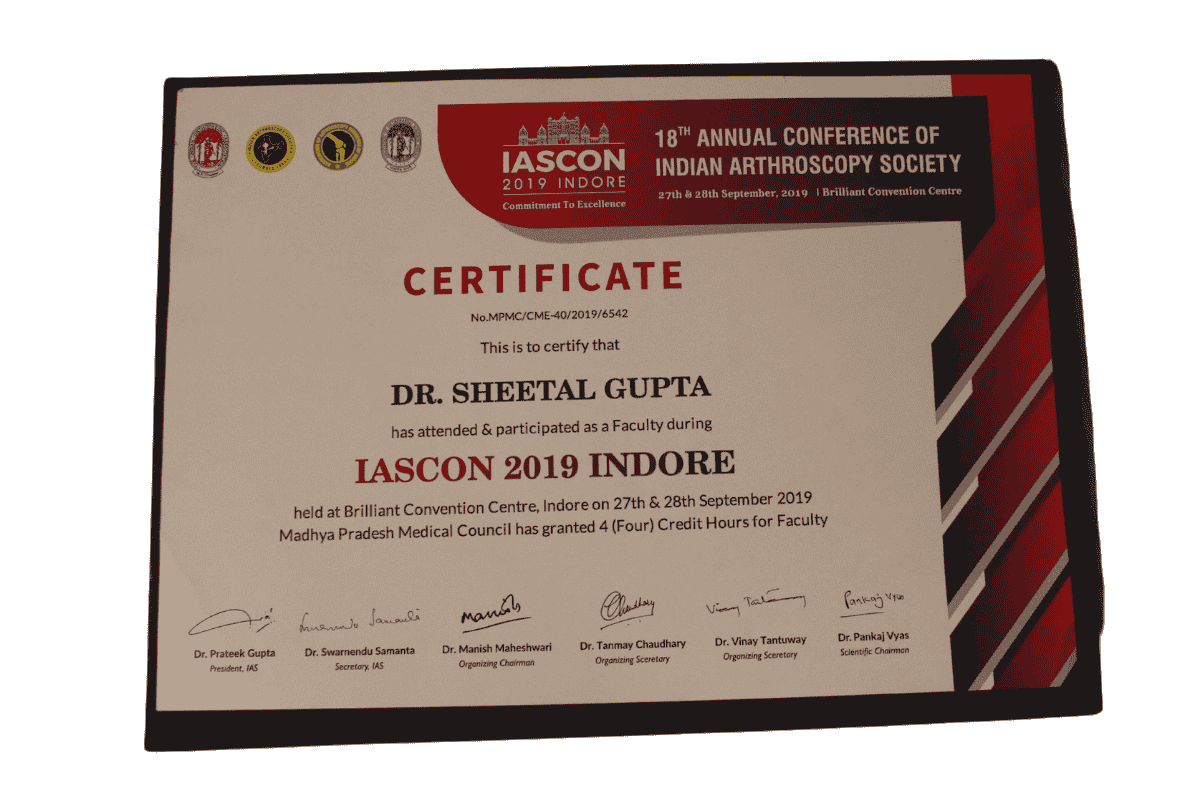
Faculty Bihar Knee Arthroscopy and osteotomy course May 2024 Patna talk on
hidden lesion of knee
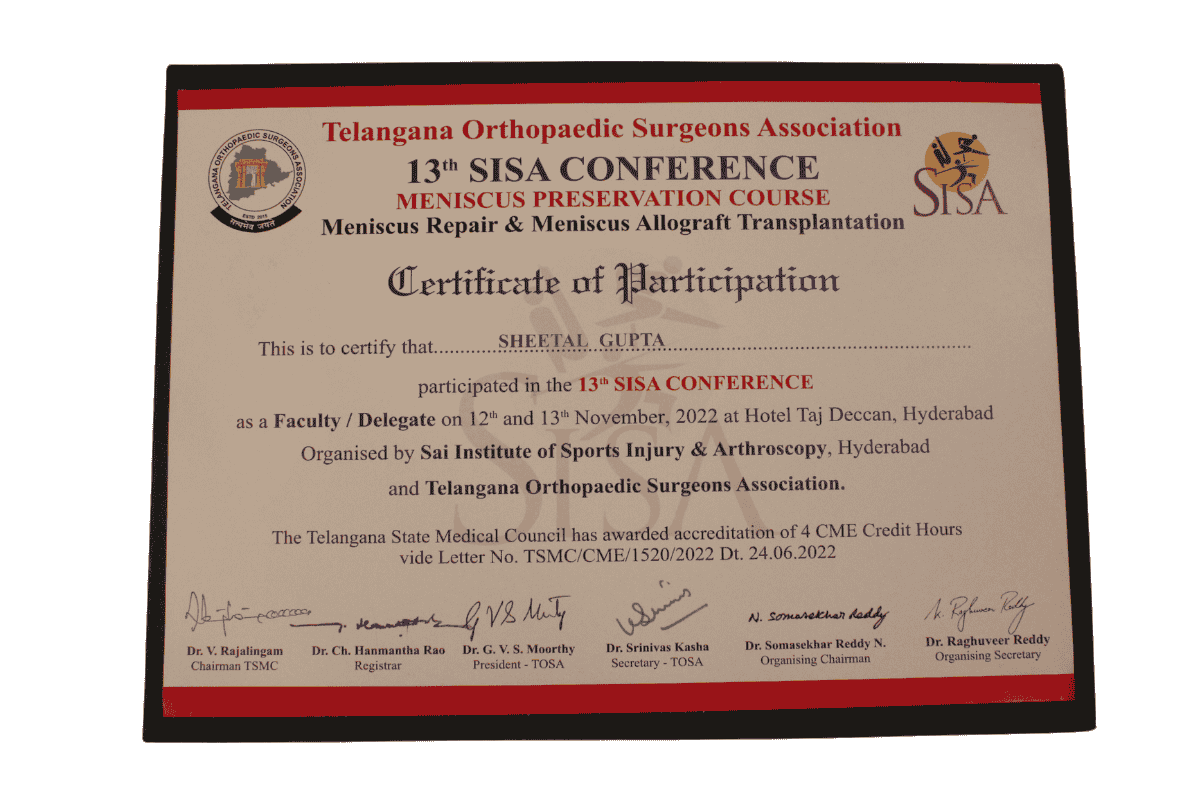
Faculty CGIOACON Jan 2023 and talk on cartilage lesion
Faculty 1 st Knee preservation course Dec 2021
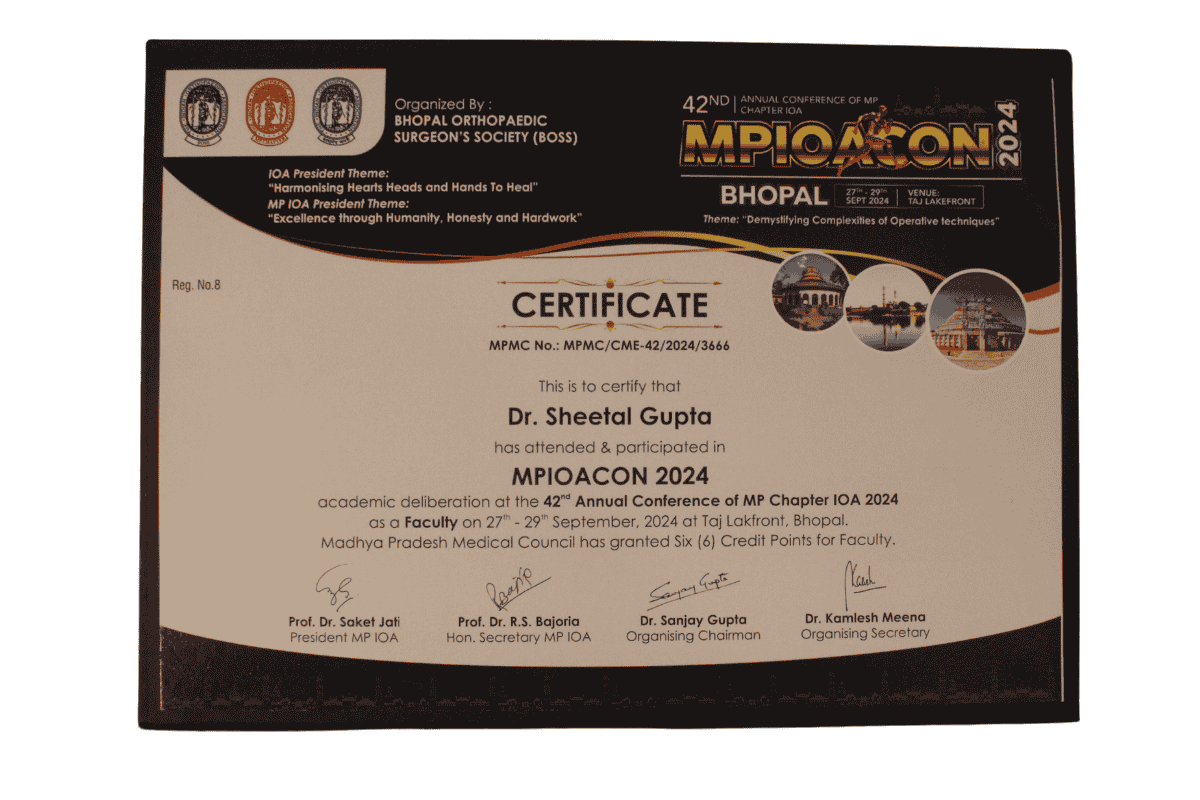
Faculty and co organizing secretory MPIOACON 2021
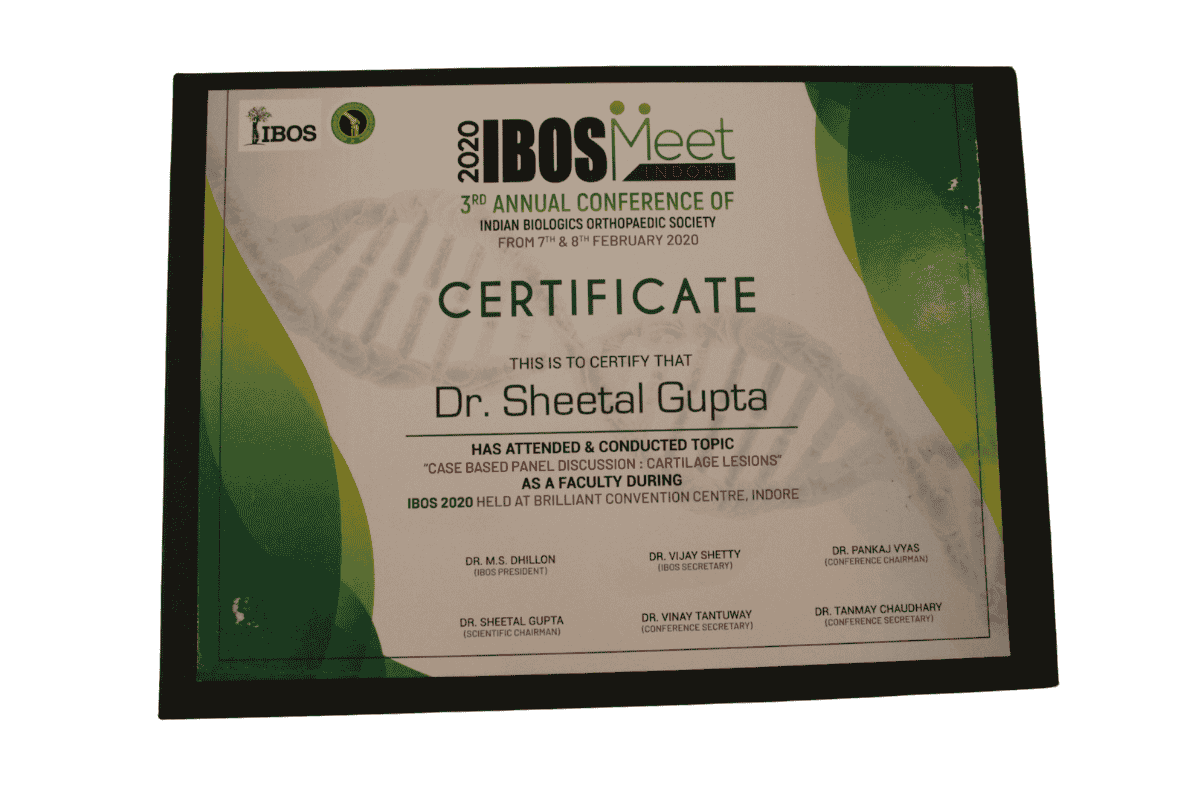
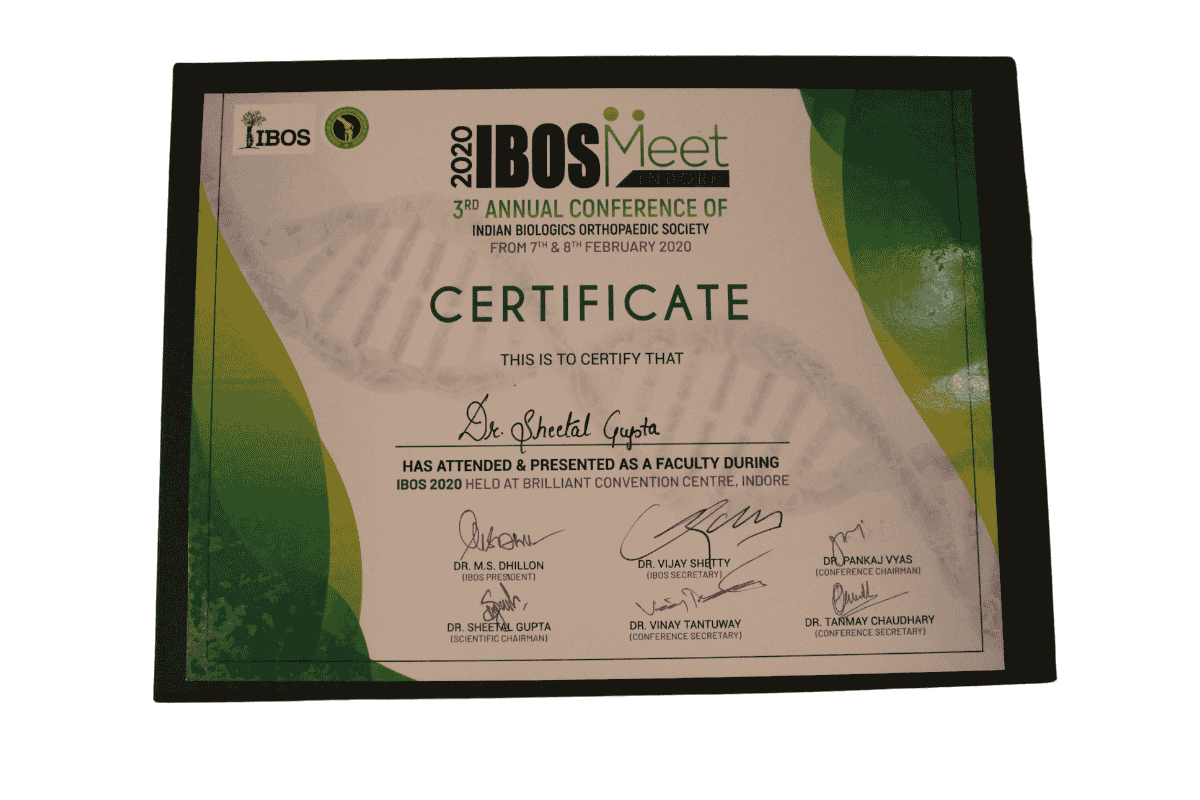
Scientific chairman and Faculty IBOS, Feb 2020, Indian biologics
orthopedic society.
Faculty IOACON 2017
Faculty IASCON 2016
Faculty and surgery demonstration for Advance knee and shoulder
arthroscopy workshop at SRMC Chennai Aug 2014.
Faculty and surgery demonstration for Basic and Advance knee
arthroscopy workshop at SAIMS Indore July 2014.
Call for Phone Assistance
Google Reviews
EXCELLENT Based on 565 reviews
 Posted on Google
 Santosh ShrivasIn Apollo hospital...under guidance of Dr. SK Gupta sir I had completed my ACL reconstruction surgery under sir guidance.....with help of Dr Gupta expertise and skills I gone through a successful surgery. Dr. SK Gupta is a truly good and compassionate surgeon... talking about appolo hospital there the helpful nursing staff, cleanliness and comfort, management team, anesthesia team all provide me with the quick response...after surgery also the nursing staff provide me with the quick response and after surgery treatment... Talking about ACL surgery experience was overall good....the pre surgery process, surgery process, and physical therapy after surgery was also very effective As I experienced I would say For ligament and ACL reconstruction surgery D.R SK Gupta Sir was best and Apollo Hospital was bestPosted on Google
 Satyam KumarDr. S. K. Gupta performed ACL surgery on both of my mother’s knees, and we couldn’t be more grateful for his exceptional care and expertise. He explained the procedure clearly, ensured we were comfortable at every step, and followed up regularly during recovery. The surgeries went smoothly, and my mother is now recovering with great confidence. Dr. Gupta is not only highly skilled but also very compassionate and approachable. His team at the hospital was equally supportive and attentive. I would highly recommend Dr. S. K. Gupta for anyone looking for an experienced and caring orthopedic surgeon in Bhopal.Posted on Google
 Shivank Kashyap> I recently underwent surgery in Apollo SAGE hospital Bhopal and I’m very satisfied with the entire experience of Dr SK Gupta Sir team. The doctors and wtaff were professional, caring, and attentive throughout the process. The procedure went smoothly, and my recovery has been undergoing with SK Gupta Sir team. The doctors was very supportive during my undergoing recovery and visited multiple times a day to help with my issues and guide me with exercises. I’m thankful for his care and concern.Posted on Google
 Shubhanshu UsreteI would like to express my heartfelt gratitude to Dr. S.K. Gupta for the exceptional care and expertise he showed while treating my mother’s (Mrs. Indra Usrete) knee. She recently underwent surgery under his supervision, and we are truly thankful for how smoothly everything went — from pre-surgery counselling to post-operative recovery. Dr. Gupta’s professionalism, patience, and genuine concern for his patients made a huge difference in my mother’s confidence and comfort throughout the process. His ability to clearly explain every step of the treatment helped us feel reassured and informed at all times. I would highly recommend Dr. S.K. Gupta to anyone seeking an experienced, caring, and trustworthy orthopaedic specialist. P.S.- Above is my personal opinion, kindly take proper advise and guidance before treating your dear ones.Posted on Google
 YASH YEWALE
Trustindex verifies that the original source of the review is Google.
Dr. S.K. Gupta and team are doing good jobPosted on Google Dr. Mukesh Chandra BishtI had my knee surgery of acl and meniscus on 3rd October 2025 had a great experience. Dr Gupta is one of the best sports injuries specialist. The junior doctors and all the staff were very professional and everyone knew his/her role.Posted on Google
 Prashant ChaudharyIt's a privilege to having an International level doctor Dr S K Gupta sir (Knee & Shoulder Surgeon) in Central India, Bhopal. Else for the same surgery patients had to visit Mumbai, Delhi etc, now which saves time and money both. Thank you sir for successful ACL replacement of my wife.Posted on Google
 Pushpendra KushwahaDr. Well experienced and polite.. 2 din pahle main visit kiya tha x-ray quility had se jyada poor hai and x-ray staff all time mobile me lage rahte hai unka kam par bilkul dyan nhi rahta .. Jinki laparwahi ki wajah se report proper nhi ati hai aur digonosis sahi se nhi hua .. Ohi poor and galat report ki wajah se muje opass se surgery ka suggestion diya gya jab main second opinion liye other dr. Se to all good and fast recovery results aya..
Patient Success Stories
Our Experience in Numbers
Dr. S.K. Gupta is a renowned surgical orthopedic doctor practising in India.
▶ What Is Knee Cartilage Preservation Surgery?
Knee cartilage preservation surgery refers to a group of arthroscopic and surgical procedures designed to repair, restore, or regenerate damaged articular cartilage in the knee — delaying or preventing the need for total knee replacement. Performed at Apollo Sage Hospital, Bhopal, by Dr. SK Gupta, these procedures restore pain-free mobility in athletes and active patients.
Knee cartilage damage is one of the most common — and most misunderstood — orthopaedic problems in India today. Millions of active adults, young athletes, and working professionals suffer from cartilage injuries that cause chronic knee pain, swelling, and loss of function. Left untreated, cartilage damage progresses to early osteoarthritis, often forcing patients into premature total knee replacement.
The good news: knee cartilage preservation surgery in Bhopal at Apollo Sage Hospital, led by Dr. SK Gupta, offers proven, advanced solutions that can repair and regenerate knee cartilage — helping you return to an active life without a knee replacement. With over 21 years of experience, 12,500+ surgeries performed, and international fellowships from Japan, Singapore, and Delhi, Dr. SK Gupta is among India’s most trusted specialists for knee cartilage repair.
1. Understanding Knee Cartilage and Why It Matters
▶ What Is Knee Cartilage?
Knee cartilage — specifically articular (hyaline) cartilage — is the smooth, white tissue covering the ends of bones inside the knee joint. It acts as a shock absorber and allows bones to glide painlessly. Unlike bone, cartilage has no blood supply and a very limited ability to heal on its own.
The knee joint contains two types of cartilage:
- Articular (hyaline) cartilage — covers the femur (thigh bone), tibia (shin bone), and patella (kneecap), providing frictionless joint movement.
- Meniscal cartilage — two C-shaped discs (menisci) that provide cushioning and load distribution within the knee.
Because articular cartilage cannot regenerate spontaneously, even a small cartilage defect can gradually worsen into full-thickness damage, leading to bone-on-bone contact and severe osteoarthritis. This is why early intervention through cartilage preservation surgery is critical.
Key Facts:
- Articular cartilage is 2–4 mm thick in a healthy knee.
- Grade 3–4 cartilage defects (bone exposed) cause severe pain and rapid joint degeneration.
- Cartilage preservation surgery can restore function in patients as young as 15 and as old as 55+.
2. What Causes Knee Cartilage Damage?
▶ What Causes Knee Cartilage Damage?
Knee cartilage damage is caused by sports injuries, repetitive overuse, trauma (such as falls or accidents), and age-related degeneration. Conditions like osteochondritis dissecans and malalignment of the knee also accelerate cartilage wear.
Common causes include:
- Sports injuries — sudden twisting, direct impact, or falls in football, cricket, kabaddi, basketball, and running
- Traumatic injuries — road traffic accidents, workplace injuries
- Osteochondritis dissecans (OCD) — a condition where bone beneath cartilage loses blood supply and the overlying cartilage loosens or detaches
- Repetitive stress — long-distance running, heavy manual labour, squatting repetitively
- Ligament injuries — untreated ACL or PCL tears lead to joint instability and secondary cartilage damage
- Malalignment (knock-knees or bow-legs) — uneven load distribution accelerates cartilage wear
- Obesity — excess weight multiplies force on knee cartilage with every step
Risk Factors:
- Age 15–50 (most active population)
- Sports participation (professional and amateur)
- Prior knee injuries or surgeries
- Family history of osteoarthritis
- BMI > 27
3. Symptoms of Knee Cartilage Injury
▶ What Are the Symptoms of Knee Cartilage Damage?
Common symptoms include persistent knee pain (especially during activity), swelling, stiffness, a catching or locking sensation, and reduced range of motion. In advanced cases, patients report pain even at rest.
Watch for these warning signs:
Symptom | When It Occurs |
Knee pain | During or after activity; later at rest |
Swelling | After exercise or prolonged standing |
Stiffness | Especially in the morning or after sitting |
Clicking / catching | During knee bending |
Locking of the knee | Loose cartilage fragment obstructs movement |
Giving way | Instability during walking or sports |
Reduced range of motion | Unable to fully bend or straighten knee |
Do not ignore these symptoms. Early-stage cartilage damage, if treated promptly, can be repaired and preserved. Delayed treatment leads to irreversible joint destruction.
4. Diagnosis: How Is Cartilage Damage Detected?
▶ How Is Knee Cartilage Damage Diagnosed?
Diagnosis involves a thorough clinical examination, MRI (most accurate non-invasive tool), weight-bearing X-rays to assess joint space, and in some cases, diagnostic arthroscopy for direct visualization of cartilage damage.
At Apollo Sage Hospital, Bhopal, Dr. SK Gupta uses a comprehensive diagnostic protocol:
- Clinical assessment — Detailed history, gait analysis, joint-line tenderness, range of motion testing
- MRI (3 Tesla) — Gold standard for visualising cartilage thickness, defect size, and subchondral bone health
- Weight-bearing X-rays — Assesses joint space narrowing and bony alignment
- CT scan — Used in complex bony deformity or OCD staging
- Diagnostic arthroscopy — Direct inspection under camera for precise lesion grading (ICRS grading system, Grade I–IV)
ICRS Cartilage Grading:
Grade | Description |
Grade I | Superficial softening / fissuring |
Grade II | Defect < 50% cartilage depth |
Grade III | Defect > 50% depth (may reach bone) |
Grade IV | Full-thickness loss; bone exposed |
Grade III–IV lesions require surgical intervention to prevent progression to total joint destruction.
5. What Is Knee Cartilage Preservation Surgery?
▶ What Is Knee Cartilage Preservation Surgery?
Knee cartilage preservation surgery is a group of minimally invasive or open procedures designed to repair focal cartilage defects, stimulate new cartilage growth, or transplant healthy cartilage tissue — aiming to restore normal knee function and delay or eliminate the need for knee replacement.
Unlike total knee replacement — which removes and replaces the entire joint — cartilage preservation surgery targets the damaged area specifically, leaving healthy tissue intact. These procedures are typically performed arthroscopically (keyhole surgery) or through small incisions, resulting in:
- Minimal hospital stay (often 1–2 days)
- Faster recovery versus joint replacement
- Preservation of the natural knee joint
- Return to sports and active lifestyle
- Prevention or significant delay of knee replacement
Dr. SK Gupta at Apollo Sage Hospital, Bhopal, performs the full spectrum of cartilage preservation procedures, individualised to each patient’s age, activity level, defect size, and overall joint health.
6. Types of Cartilage Preservation Procedures
▶ What Are the Types of Knee Cartilage Preservation Surgery?
The main types include microfracture, autologous chondrocyte implantation (ACI), osteochondral autograft transfer (OATS/mosaicplasty), osteochondral allograft transplantation, and MACI. The choice depends on defect size, patient age, and activity level.
6.1 Microfracture Surgery
The most established marrow stimulation technique. The surgeon creates multiple small perforations (microfractures) in the exposed subchondral bone beneath the cartilage defect. Bone marrow stem cells migrate to the site and form a fibrocartilage repair tissue.
Parameter | Detail |
Best for | Defects < 2 cm2 | Younger, active patients | First-line intervention |
Procedure | Arthroscopic | Duration: 45–60 mins | Hospital stay: 1 day |
Recovery | 6–8 weeks non-weight-bearing; return to sports in 4–6 months |
6.2 OATS / Mosaicplasty
Healthy cartilage plugs (with underlying bone) are harvested from a non-load-bearing area of the patient’s own knee and transplanted into the defect site. Multiple small plugs create a mosaic pattern.
Parameter | Detail |
Best for | Defects 1–4 cm2 | Younger patients (under 45) | Athletes |
Procedure | Arthroscopic or mini-open | Duration: 60–90 mins | Hospital stay: 1–2 days |
Recovery | 3–4 months before return to sport |
Key advantage | Patient’s own tissue — no rejection risk |
6.3 Autologous Chondrocyte Implantation (ACI)
A two-stage procedure. Stage 1: cartilage cells harvested arthroscopically and cultured in laboratory (4–6 weeks). Stage 2: expanded cells implanted into cartilage defect, covered by collagen membrane.
Parameter | Detail |
Best for | Larger defects (2–10 cm2) | Young patients under 50 | Failed prior marrow stimulation |
Recovery | 12–18 months for full return to high-impact sport |
6.4 Matrix-Associated ACI (MACI)
An advanced evolution of ACI. Cultured chondrocytes are seeded onto a 3D collagen matrix scaffold, which is then implanted into the defect and secured with fibrin glue. More uniform cell distribution and better integration than traditional ACI.
6.5 Osteochondral Allograft Transplantation
Fresh cartilage and bone from a cadaveric donor (allograft) are shaped and transplanted into large defects. Preferred for very large lesions or when there is insufficient donor tissue from the patient.
Parameter | Detail |
Best for | Large defects > 4 cm2 | Failed prior procedures | Complex OCD with bone loss |
Recovery | 9–12 months return to sport |
6.6 Realignment Osteotomy (High Tibial Osteotomy — HTO)
When malalignment causes abnormal load on damaged cartilage, an osteotomy corrects the bone angle to shift load away from the damaged compartment. Often combined with cartilage repair for optimal, lasting results.
Procedure Comparison Summary:
Procedure | Defect Size | Stage | Return to Sport |
Microfracture | < 2 cm2 | Single | 4–6 months |
OATS / Mosaicplasty | 1–4 cm2 | Single | 3–4 months |
ACI | 2–10 cm2 | Two-stage | 12–18 months |
MACI | 2–10 cm2 | Two-stage | 12–18 months |
Osteochondral Allograft | > 4 cm2 | Single | 9–12 months |
HTO + Cartilage Repair | Any (with malalignment) | Combined | 6–12 months |
7. Who Is a Candidate for Cartilage Preservation Surgery?
▶ Who Is a Good Candidate for Cartilage Preservation Surgery?
Ideal candidates are patients under 55 with focal cartilage defects, stable knee ligaments, near-normal alignment, and a healthy BMI. Athletes with sports injuries and young adults with osteochondritis dissecans are frequently excellent candidates.
You may be a candidate if:
- You are aged 15–55 with focal cartilage damage
- Your knee ligaments are intact (or have been previously reconstructed)
- Your knee alignment is normal or correctable
- You have not responded to conservative treatment for 3–6 months
- Your MRI shows Grade II–IV cartilage defect
- You want to return to sport or an active lifestyle
- You want to delay or avoid total knee replacement
You may NOT be a candidate if:
- You have advanced diffuse osteoarthritis (bone-on-bone throughout the entire joint)
- You have severe uncorrectable malalignment
- You have inflammatory joint disease (active rheumatoid arthritis)
- You are unable to comply with post-operative rehabilitation
Dr. SK Gupta conducts a personalised assessment of every patient before recommending a specific procedure — ensuring the right surgery for the right patient.
8. The Surgical Experience at Apollo Sage Hospital, Bhopal
▶ What Happens During Knee Cartilage Surgery at Apollo Sage Hospital?
Procedures are performed in a fully equipped arthroscopy suite under regional or general anaesthesia. Most surgeries last 45–120 minutes, with patients admitted for 1–2 days. The hospital offers high-definition arthroscopy, dedicated sports medicine OT, and a structured post-surgical rehabilitation programme.
Apollo Sage Hospital, Bhopal, offers:
- State-of-the-art arthroscopy OT — HD arthroscope, 4K imaging, dedicated sports medicine suite
- Experienced anaesthesia team — Regional or general anaesthesia tailored to patient preference
- Pre-surgical planning — MRI analysis, 3D simulation of defect, individualised surgical strategy
- Minimally invasive approach — Keyhole (arthroscopic) technique for most procedures
- ICU support — Available for complex cases
- Dedicated physiotherapy team — Protocol-based rehabilitation from Day 1 post-surgery
- Smooth patient journey — From OPD consultation to surgery to discharge, coordinated care
Post-operative care includes:
- Pain management protocol
- Cryotherapy and limb elevation
- Structured physiotherapy initiation
- Regular follow-up at Orthocity Clinic and Apollo Sage Hospital, Bhopal
Apollo Sage Hospital, Bhopal: Get Directions (Google Maps)
Orthocity Clinic, Bhopal: Get Directions (Google Maps)
9. Recovery and Rehabilitation
▶ How Long Is Recovery After Knee Cartilage Preservation Surgery?
Recovery depends on the procedure. Microfracture typically requires 4–6 months before returning to sport. OATS/mosaicplasty takes 3–4 months. ACI and MACI procedures require 12–18 months for full recovery. Rehabilitation is a critical part of the healing process and begins within 24 hours of surgery.
Recovery Timeline (General Guide):
Phase | Timeframe | Goals |
Immediate post-op | Days 0–3 | Pain control, limb elevation, start CPM |
Early rehab | Weeks 1–6 | Range of motion, quadriceps activation, partial weight-bearing |
Intermediate rehab | Weeks 6–12 | Progressive weight-bearing, strength training, proprioception |
Advanced rehab | Months 3–6 | Sport-specific training, agility, endurance |
Return to sport | 4–18 months* | Full return based on procedure and individual progress |
*Specific timelines guided by Dr. SK Gupta’s post-operative protocol.
Rehabilitation Principles at Apollo Sage Hospital:
- CPM (Continuous Passive Motion) machine — begins Day 1 to promote cartilage nutrition and healing
- Weight-bearing progression — carefully staged to protect healing cartilage
- Hydrotherapy — water-based exercises reduce joint load while building strength
- PRP (Platelet-Rich Plasma) — may be used to enhance biological healing
- Return-to-sport testing — functional assessments before full clearance
10. Why Choose Dr. SK Gupta and Apollo Sage Hospital, Bhopal?
▶ Why Is Dr. SK Gupta the Best Choice for Knee Cartilage Surgery in Bhopal?
Dr. SK Gupta is one of India’s most experienced arthroscopy and cartilage surgery specialists, with 21+ years, 12,500+ surgeries, international fellowships from Japan, Singapore, and Delhi, and recognition as a Centre of Excellence for Sports Surgeries by the Abhinav Bindra Foundation Trust.
Expertise & Training
- MS Orthopaedics, Mumbai — one of India’s premier orthopaedic training institutions
- International Fellowships: Japan | Singapore | Delhi (AIIMS)
- First arthroscopy surgeon from India to receive the prestigious FAANA Fellowship
- 21+ years of dedicated knee and shoulder surgery experience
- 12,500+ surgeries performed — vast clinical exposure across diverse cases
Recognition & Authority
- Recognised Centre of Excellence for Sports Surgeries — Abhinav Bindra Foundation Trust
- International Presence & Fellowships: View International Presence
- “Meniscus Man of India” — earned through pioneering meniscus preservation work
- National reputation in arthroscopy, ACL reconstruction, and cartilage preservation
Technology & Facilities
- Apollo Sage Hospital Bhopal — internationally recognised healthcare institution
- 4K High-Definition arthroscopy equipment
- Advanced MRI and imaging suite
- Dedicated sports medicine OT and rehabilitation centre
Patient-First Approach
- Read Patient Testimonials
- Watch Video Testimonials
- Transparent, evidence-based communication
- Structured follow-up and long-term rehabilitation support
Apollo Sage Hospital, Bhopal, under Dr. SK Gupta’s leadership, has established itself as a centre of national excellence for arthroscopy and sports medicine. Patients travel from Delhi, Mumbai, Pune, Hyderabad, Indore, Jabalpur, Raipur, Nagpur, and across Madhya Pradesh and Chhattisgarh to receive advanced knee cartilage care here.
Knee Cartilage Preservation and Regrowth
Knee cartilage is the one that plays an essential role in the function of the knee joint, allowing smooth movement and absorbing shock. Damaged cartilage can lead to pain, stiffness, and difficulty in performing everyday activities. Thus, preserving and regenerating knee cartilage is vital to prevent further joint damage and avoid more invasive surgeries like knee replacements.
The ultimate goal is to regrow cartilage, especially for patients who want to delay the need for knee replacements. With regenerative therapies and modern surgical techniques, cartilage can be preserved or regenerated, allowing patients to continue their active lifestyles with less pain and greater mobility.
Knee cartilage assists the knee to be functional through easy movement without shocks. Broken or damaged cartilage can provoke painful stiffness with challenges in basic actions. Healthy cartilage ensures one does not get worse further from the conditions mentioned above into an invasive method, such as replacement of knee parts.
Regrowing cartilage is an important goal, particularly for patients who wish to delay the need for knee replacements. With regenerative therapies and modern surgical techniques, cartilage can be preserved or regenerated, which allows patients to continue their active lifestyles with less pain and greater mobility.
Why Consult Dr. S.K. Gupta for Knee Cartilage Preservation and Regrowth
Dr. Sheetal Kumar Gupta is an arthroscopy and sports injury specialist heading the arthroscopy and joint reconstruction unitat apollo sage and galaxy hospital, Bhopal. He has been a consultant for sports medicine, Sports Authority of India & State Sports Academy and is serving National level teams of various disciplines like Hockey, Judo, Kabbadi, Water Sports, Wushu Taikwando etc.
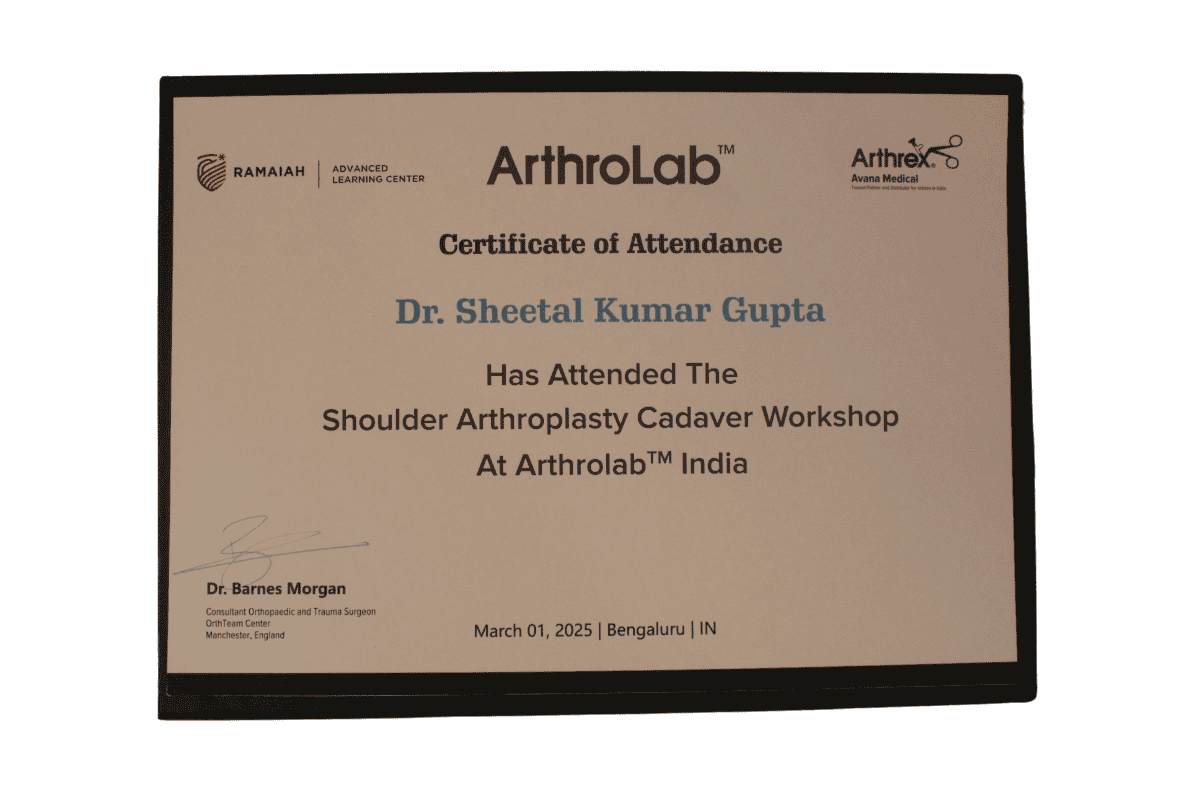
He has done his fellowship in Arthroscopy and Sports medicine from Japan and was trained at various international surgical centres. With an experience of more than 21 years, he has performed over 12000 knee and shoulder surgeries including complex ligament surgeries and surgeries of around more than 8000 National/International level players of various disciplines. He is National and International level faculty for various seminars, conferences and workshops.
Notable Achievements:
- Trained at Japan, Germany, UK, Singapore, Malaysia and Thailand.
- Visiting sports medicine specialist Sports Authority of India (SAI).
- Ex Sports injury specialist to Indian senior Women National Hockey team.
- Ex-Dope control officer, National Anti-doping Agency (NADA).
- National faculty for advance knee and shoulder arthroscopy workshop and conferences.
- Performed more than 12000 arthroscopies independently including knee and shoulder arthroscopies.
- Successfully operated over 3000 players who are back in sports and have won national and international medals after their surgeries.
- Successfully treated more than 10000 sports players of various disciplines.
- Internationally trained and more than 21 years of experience.
- Has treated National and International level players of Hockey like Sardar Singh, Shivendra, Sandeep Singh, Dilip Tirkey, Sameer Dad ; Olympic champion Ankit Sharma, Commonwealth Karate champion Supriya Jatav, world champions of Judo like Sanathoi, Kalpana Devi, Navjot to name a few and boxing legends like M.C. Mary Kom & Sarita devi
📞 Call / WhatsApp: +91-7610101079 | +91-7611111179
📅 Book Online: https://apollosage.in/doctors/dr-s-k-gupta
📍 Apollo Sage Hospital, Bhopal: https://share.google/SXEd0xJbNkufOGGXc
📍 Orthocity Clinic, Arera Colony, Bhopal: https://share.google/QfMSO7rDjztjpYLI2
📧 Send your MRI / X-ray report online for an expert second opinion.
Types Of Treatments Offered By SKG Ortho Unit.
Dr. S.K. Gupta specializes in problems of shoulder, hip and knee. These are the following types of treatments that the doctor provides.
Sports Injury Treatment
HIP Surgery
11. Frequently Asked Questions — Knee Cartilage Preservation Surgery
Q1. What is knee cartilage preservation surgery?
Knee cartilage preservation surgery is a group of minimally invasive procedures designed to repair or regenerate damaged articular cartilage in the knee joint. The goal is to restore pain-free function and prevent the progression of cartilage damage to severe osteoarthritis — delaying or avoiding the need for total knee replacement.
Q2. Is it possible to repair knee cartilage without knee replacement?
Yes. For patients with focal cartilage defects and relatively preserved overall joint health, procedures such as microfracture, mosaicplasty (OATS), ACI, and MACI can effectively repair cartilage damage and restore knee function — without replacing the knee joint. Dr. SK Gupta at Apollo Sage Hospital, Bhopal, specialises in these joint-preserving techniques.
Q3. What are the signs that I may need cartilage preservation surgery?
Key signs include persistent knee pain during or after activity, swelling, stiffness, a clicking or locking sensation, and reduced range of motion. If conservative treatments such as physiotherapy and injections have not provided relief after 3–6 months, and MRI confirms significant cartilage damage, surgery may be recommended.
Q4. Who is the best doctor for knee cartilage surgery in Bhopal?
Dr. SK Gupta, MS Ortho, at Apollo Sage Hospital, Bhopal, is widely regarded as one of India's leading arthroscopy and cartilage preservation surgeons. With 21+ years of experience, 12,500+ surgeries, international fellowships from Japan and Singapore, and recognition as a Centre of Excellence by the Abhinav Bindra Foundation Trust, Dr. Gupta brings unmatched expertise to knee cartilage care.
Q5. What is the difference between microfracture and mosaicplasty?
Microfracture stimulates bone marrow stem cells to form fibrocartilage repair tissue over small defects (< 2 cm2). Mosaicplasty (OATS) transplants actual hyaline cartilage plugs from a healthy area of the patient's knee into the defect — producing superior cartilage quality. Mosaicplasty is preferred for larger defects (1–4 cm2) in younger, active patients.
Q6. How long does it take to recover from knee cartilage surgery?
Recovery varies by procedure: microfracture takes 4–6 months; mosaicplasty 3–4 months; ACI and MACI procedures require 12–18 months for return to high-impact sport. All patients follow a structured physiotherapy protocol starting from Day 1. Dr. SK Gupta's team at Apollo Sage Hospital provides individualised recovery guidance.
Q7. Is knee cartilage surgery available in Bhopal?
Yes. Apollo Sage Hospital, Bhopal, offers the full range of knee cartilage preservation procedures under Dr. SK Gupta — including microfracture, OATS/mosaicplasty, ACI, MACI, and osteochondral allograft transplantation. Patients from across Madhya Pradesh, Chhattisgarh, and other states regularly travel to Bhopal for these procedures.
Q8. What is the youngest age for knee cartilage surgery?
Cartilage preservation procedures can be performed in adolescents from approximately 14–16 years of age, particularly for osteochondritis dissecans (OCD). These procedures are especially important in young athletes to restore joint health and preserve long-term joint function.
Q9. Can athletes return to sport after cartilage preservation surgery?
Yes. Return to sport is a primary goal of cartilage preservation surgery. Most athletes return to sport within 4–6 months after microfracture or mosaicplasty, and 12–18 months after ACI/MACI. Dr. SK Gupta has successfully returned numerous professional and amateur athletes to their sports following cartilage repair.
Q10. What happens if knee cartilage damage is left untreated?
Untreated focal cartilage defects progress to full-thickness cartilage loss, exposing underlying bone. This leads to bone-on-bone contact, severe osteoarthritis, chronic pain, and eventual need for total knee replacement — often at a young age. Early cartilage preservation is far less invasive and more effective than managing end-stage arthritis.
Q11. Is cartilage preservation surgery painful?
The surgery itself is performed under anaesthesia — you will not feel pain during the procedure. Post-operatively, mild to moderate pain and swelling are expected for the first 1–2 weeks and are managed with medications and physiotherapy. Most patients report significant improvement in pain levels within 6–8 weeks.
Q12. What is osteochondritis dissecans of the knee?
Osteochondritis dissecans (OCD) is a condition in which bone beneath the knee cartilage loses its blood supply, causing the overlying cartilage to soften, crack, and potentially detach. It is common in active adolescents and young adults and is treated with cartilage preservation surgery (OATS or fixation) for optimal long-term outcomes.
Q13. Does Apollo Sage Hospital have a physiotherapy programme for cartilage surgery patients?
Yes. Apollo Sage Hospital, Bhopal, has a dedicated physiotherapy and rehabilitation team that implements a structured post-surgical protocol from Day 1. This includes CPM therapy, progressive weight-bearing exercises, hydrotherapy, strength training, and sport-specific rehabilitation.
Q14. How many cartilage surgeries has Dr. SK Gupta performed?
Dr. SK Gupta has performed over 12,500 orthopaedic surgeries across 21+ years of practice, including a significant number of arthroscopic cartilage preservation procedures. His extensive surgical volume, combined with international fellowships and national recognition, places him among India's most experienced cartilage preservation specialists.
Q15. How do I book an appointment with Dr. SK Gupta in Bhopal?
You can book an appointment with Dr. SK Gupta at Apollo Sage Hospital, Bhopal, through online booking at apollosage.in/doctors/dr-s-k-gupta, by calling +91-7610101079 or +91-7611111179, or by visiting Apollo Sage Hospital or Orthocity Clinic, Bhopal.
Book Your Appointment — Knee Cartilage Specialist in Bhopal
Don’t let knee cartilage damage limit your life.
Apollo Sage Hospital, Bhopal: Get Directions
Orthocity Clinic, Bhopal: Get Directions
📞 +91-7610101079 | +91-7611111179
Book Appointment Online → apollosage.in/doctors/dr-s-k-gupta
Key Takeaways
- Knee cartilage damage affects millions of active adults and athletes across India
- Cartilage cannot heal on its own — early surgical intervention is essential
- Multiple proven procedures exist: microfracture, OATS, ACI, MACI, allograft transplantation
- The right procedure depends on defect size, patient age, and activity level
- SK Gupta at Apollo Sage Hospital, Bhopal, offers the full spectrum of cartilage preservation surgery
- Most patients return to active life and sport without needing knee replacement
- Early diagnosis and treatment delivers the best long-term outcomes
What Happens When You Have Knee Cartilage Damage?
Knee cartilage damage occurs when the cartilage in the knee joint becomes worn, torn, or damaged due to injury, age-related wear, or degenerative diseases such as osteoarthritis. Cartilage is essential for cushioning and supporting the knee joint, allowing smooth movement and shock absorption. Cartilage damage can result in several symptoms:
- Pain in the knee joint, especially when bearing weight
- Swelling in the knee
- Stiffness or reduced range of motion
- Difficulty walking, running, or climbing stairs
- A feeling of the knee “locking” or “giving way”
- Popping or grinding sounds when moving the knee
- Instability or weakness in the knee
What is Cartilage Regrowth or Preservation?
Cartilage regeneration and preservation are innovative techniques that aim to restore or protect the knee cartilage from further damage. The goal is to reduce pain, restore function, and delay or prevent the need for more invasive procedures like knee replacement. Various methods are available to promote cartilage healing or to regrow the cartilage. Some popular options include:
Autologous Chondrocyte Implantation (ACI): This procedure involves harvesting cartilage cells from the patient’s own knee, growing them in a lab, and then re-implanting them into the damaged area of the knee. It is a two-stage process and works best for larger cartilage defects.
Microfracture Surgery: A minimally invasive technique where tiny holes are made in the bone under the cartilage to stimulate the growth of new cartilage. This technique is suitable for smaller defects and has been a common choice for cartilage repair.
Osteochondral Autograft Transplantation (OAT): A method where healthy cartilage is taken from non-weight-bearing areas of the knee and transplanted to the damaged area. This can help restore function and reduce pain.
Stem Cell Therapy: Stem cells are injected into the knee joint to encourage cartilage regrowth. This is an emerging treatment and may help in regenerating the damaged tissue.
Platelet-Rich Plasma (PRP) Therapy: PRP injections use concentrated platelets from the patient’s own blood to accelerate healing and regeneration in the cartilage.
Does Cartilage Regrowth or Preservation Need Surgery?
Cartilage regrowth and preservation techniques typically require surgery or minimally invasive procedures. These options are most suitable for patients who:
- Are younger, active, and wish to avoid knee replacement surgery
- Have cartilage damage that significantly affects knee function and quality of life
- Experience persistent pain or instability despite conservative treatments
- Have specific cartilage defects that can be addressed through regenerative techniques
What Are the Symptoms of Cartilage Damage?
Symptoms of cartilage damage may include:
- Pain that worsens with activity or pressure on the knee
- Swelling around the knee joint
- A grinding or clicking sensation when moving the knee
- Reduced mobility or stiffness in the knee joint
- Limited ability to engage in physical activities or sports
- A feeling of instability or weakness in the knee
Does Cartilage Regrowth Lead to Knee Replacement?
Cartilage preservation and regeneration techniques aim to restore the function of the knee and prevent the need for knee replacement surgery. While these treatments can be highly effective in reducing pain and improving mobility, they do not always restore the knee joint to its original state. If the cartilage is severely damaged and regeneration is not effective, knee replacement may still be necessary down the line.
However, cartilage regeneration can significantly delay the need for knee replacement and extend the functional life of the knee joint.
Treatment Procedure for Cartilage Regrowth
Treatment for knee cartilage damage depends on the extent of the damage and the chosen method for cartilage regrowth. The following options are available:
Home Remedies for Cartilage Damage
Before pursuing surgical or regenerative treatments, some home remedies may help manage pain and reduce inflammation:
- Rest: Limiting activities that place stress on the knee, such as running or jumping, can give the cartilage time to heal.
- Ice Packs: Applying ice for 15-20 minutes can reduce swelling and pain.
- Anti-inflammatory Medication: Over-the-counter medications like ibuprofen or acetaminophen can provide relief from inflammation and pain.
- Compression Wraps: Compression may help reduce swelling around the knee.
- Elevation: Elevating the knee may help reduce swelling.
Physiotherapy for Cartilage Damage
A physiotherapist will create an exercise plan tailored to strengthening the muscles around the knee joint and improving flexibility. Physiotherapy is particularly helpful for managing pain and improving the range of motion before or after any surgical procedure.
Surgical and Minimally Invasive Procedures for Cartilage Damage
Surgical treatments may be recommended for those with significant cartilage damage. Depending on the method chosen, surgery may involve one of the following:
- Autologous Chondrocyte Implantation (ACI): Harvesting cartilage cells and implanting them into the damaged area.
- Microfracture Surgery: Stimulating new cartilage growth by creating small fractures in the underlying bone.
- Osteochondral Autograft Transplantation (OAT): Harvesting cartilage from healthy areas and transplanting it into the damaged region.
- Stem Cell Therapy: Introducing stem cells into the knee to stimulate regeneration.
- PRP Therapy: Using platelet-rich plasma to promote healing in the knee joint.
Preparation for Cartilage Regrowth Treatment
Before undergoing cartilage regeneration treatments, the doctor may perform the following:
- Physical Examination: To assess the range of motion, pain levels, and overall knee function.
- X-rays: To examine the bone structure and rule out fractures.
- MRI or CT Scans: To evaluate the extent of cartilage damage and plan the appropriate treatment.
- Blood Tests: If considering stem cell or PRP therapy, blood tests may be done to ensure suitability.
Pre-Surgery Preparations for Cartilage Regrowth
Before undergoing any surgical treatment for cartilage regrowth, the following steps are typically recommended:
- Discussion of Treatment Options: The patient should understand all available treatment methods and their potential outcomes.
- Fasting: Fasting may be required before surgery, particularly for arthroscopic procedures.
- Medication Disclosure: Any medications, supplements, or blood thinners should be disclosed to the doctor.
- Smoking and Alcohol: Avoid smoking and alcohol before surgery to improve healing.
- Physiotherapy: Pre-surgery physiotherapy may be suggested to strengthen the knee muscles and reduce inflammation.
Post-Operative Care for Cartilage Regrowth Treatment
Recovery after cartilage regrowth procedures varies depending on the method used. Common post-operative guidelines include:
- Rest: Avoiding strenuous activities that could strain the knee.
- Physical Therapy: Rehabilitation exercises to improve mobility and strength.
- Pain Management: Use of prescribed pain medication and anti-inflammatory drugs.
- Ice Therapy: Applying ice to reduce swelling.
- Follow-up Appointments: Regular check-ups to monitor the healing process.
Risks and Complications Associated with Cartilage Regrowth Procedures
While regenerative treatments have a high success rate, they do carry some risks, including:
- Infection
- Blood clots
- Graft rejection or failure
- Persistent knee pain
- Delayed or incomplete cartilage regeneration
- Swelling and stiffness in the knee
Cartilage Regrowth Surgery Cost in India
The cost of cartilage regrowth treatment in India varies based on the method used, the severity of cartilage damage, and the location of the treatment. Typical prices include:
- Microfracture Surgery: INR 50,000 to INR 1,50,000
- Autologous Chondrocyte Implantation (ACI): INR 2,00,000 to INR 5,00,000
- Osteochondral Autograft Transplantation (OAT): INR 1,50,000 to INR 3,00,000
- Stem Cell or PRP Therapy: INR 40,000 to INR 1,50,000
Choosing the Right Specialist for Cartilage Regrowth Treatment
It is crucial to choose a qualified and experienced orthopedic surgeon for cartilage regrowth treatment. Look for:
- Board Certification: Ensure the surgeon is board-certified and specializes in knee surgeries.
- Experience: An experienced surgeon will have a proven track record in cartilage treatments.
- Reputation: Look for positive reviews and testimonials from previous patients.
- Technology: Ensure that the clinic or hospital uses the latest techniques and technologies for cartilage repair.
- Compassionate Care: The best surgeons will prioritize patient comfort and explain all procedures in detail.
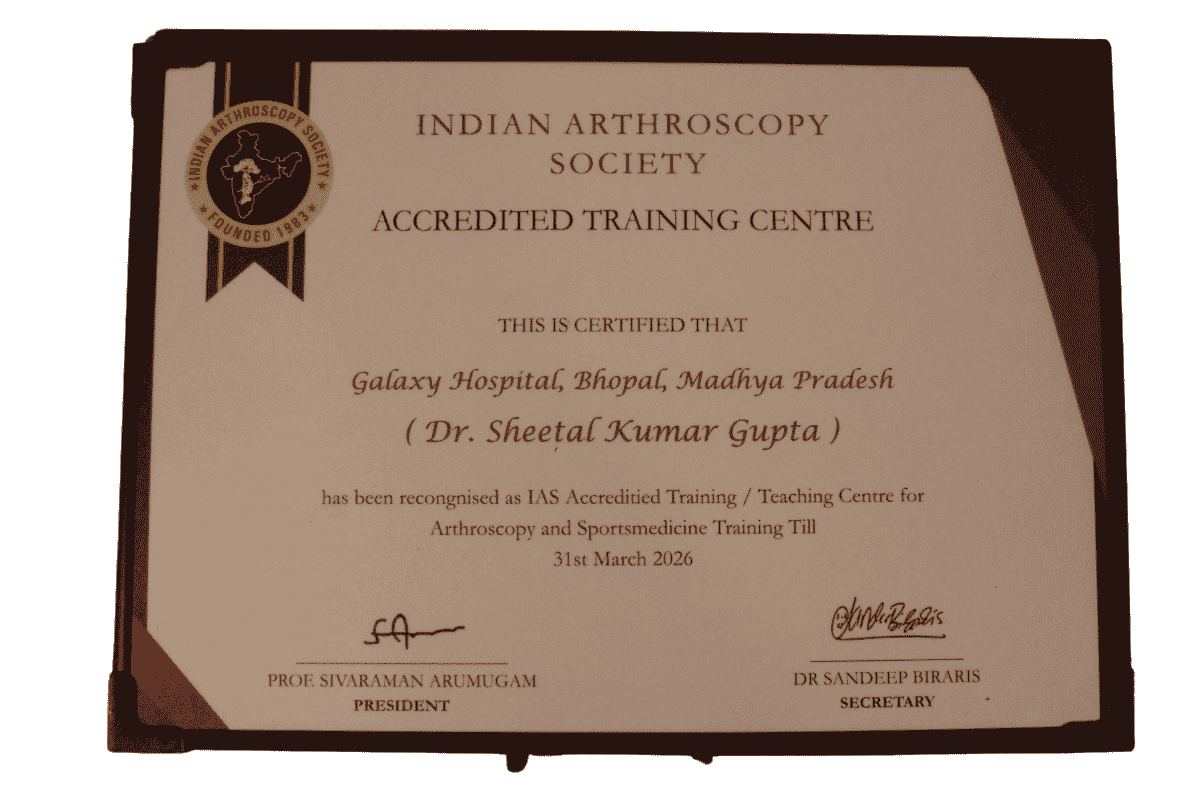
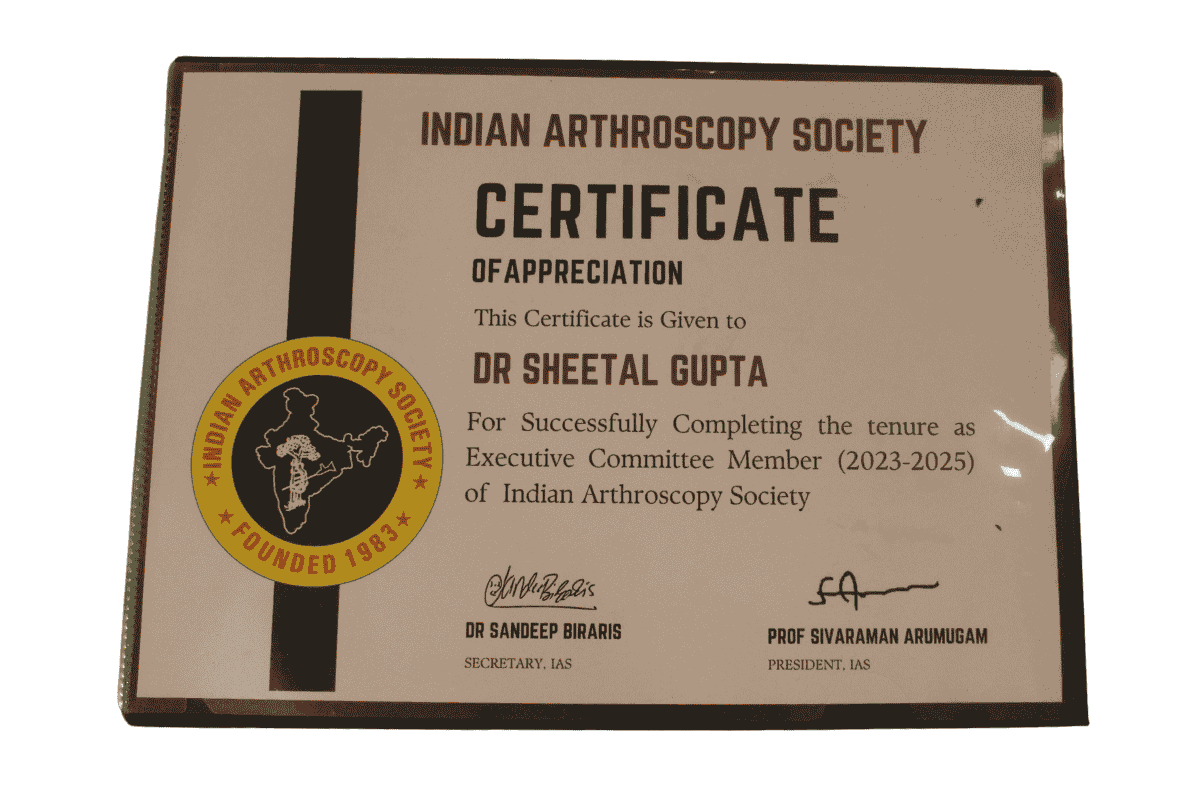
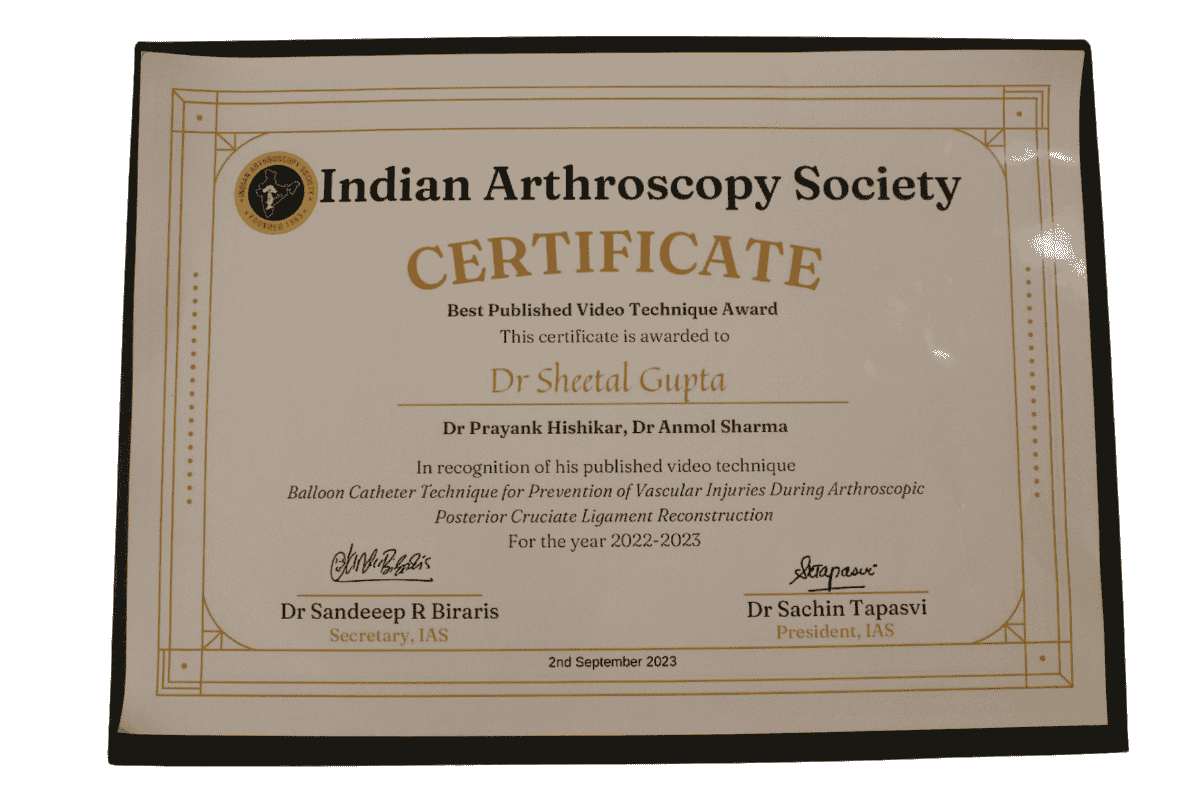
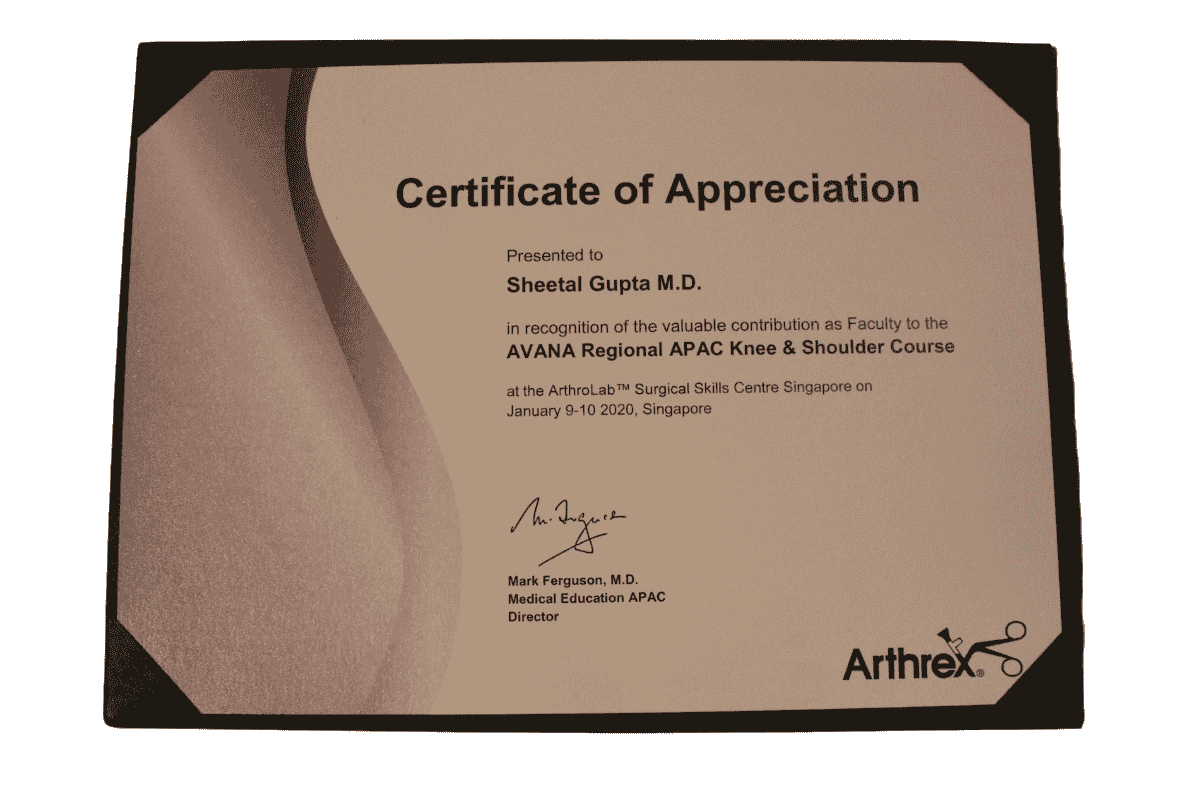
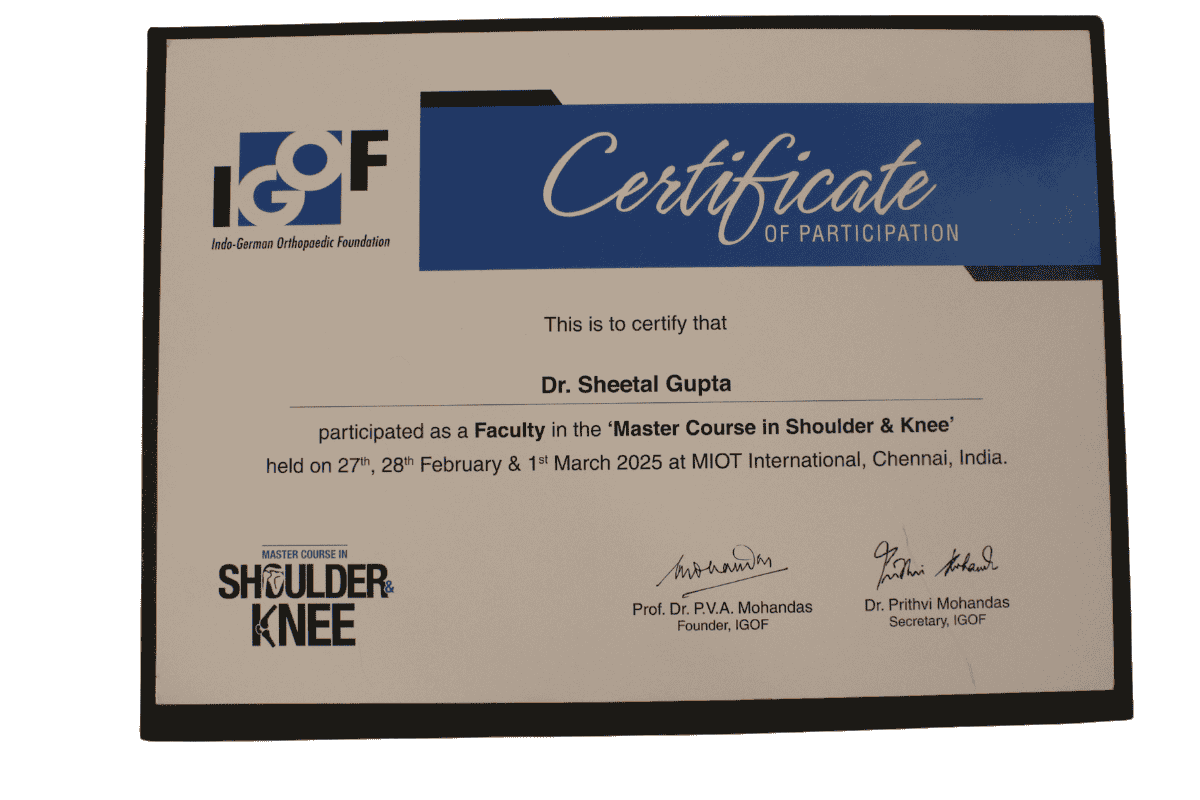
Publications
Author Bio
Dr. S.K. Gupta | MS Ortho. (Mumbai) | FAANA (USA) | FIAS (Japan) | FAPOA (Singapore)
Director — Arthroscopy & Joint Replacement, Apollo Sage Hospital, Bhopal
Dr. S.K. Gupta is a Senior Orthopaedic, Knee & Shoulder Surgeon with 21+ years of experience and 12,500+ surgeries performed. He holds an MS in Orthopaedics from LTMMC Medical College & Sion Hospital Mumbai and international fellowships from Japan, USA, Singapore, and Delhi. Widely known as the “Meniscus Man of India”, he is the first arthroscopy surgeon from India to receive the prestigious FAANA Fellowship and is recognized by the Abhinav Bindra Foundation Trust as a Centre of Excellence for Sports Surgeries. His surgical techniques are published in leading international journals.
Full Profile: https://drskguptaligamentsurgeonindia.com/about-dr/
Medical Disclaimer
The information on this page is intended for general educational purposes only and does not constitute medical advice. It does not replace a professional medical consultation, diagnosis, or treatment recommendation. Every patient’s condition is unique. Please consult Dr. SK Gupta or a qualified orthopaedic surgeon to determine the most appropriate treatment for your individual situation. Do not delay seeking professional medical advice based on information read on this website.
Why Choose Us for Knee Cartilage
Why choose our "surgeon"?
- Our surgeon Dr S.K Gupta is a world renowned knee and shoulder surgeon with extensive experience of ACL and meniscus surgeries.
- He has over 21 years of focused work-experience in knee and shoulder arthroscopy and12500 + successful surgeries.
- He has experience of successful treatment of hundreds of International and national sports persons.
- His highest level of qualifications and mastery in his work, is the reason of making him first choice for ACL Meniscus treatment by patients from across the country.
Why Choose Us?
- We are dedicated Arthroscopy Centre with highest number of ACL and meniscus surgeries.
- This makes every member of the team in your service, highly competent and experienced for ACL and Meniscus surgery pre-op, intra-op, post-op and rehabilitation management.
- We are well known for affordable cost and cashless facility with combination of best surgeon, best equipments, best implants, and specially trained team for knee and shoulder surgery care.
Why does "surgeon's experience" matter?
- The successful result of surgery depends very much on the detailed and focused expertise of surgeon and his team.
- Experience and skills of your surgeon is the most important factor for successful result.
- You must research well about it, as the primary surgery is the most important chance.
Why choose our "operation theatre" and OT team?
- Hi-Tech modular operation theatres, high precision International equipments for arthroscopy, world class OT machinery specific for knee and shoulder surgery
- Protocol based and highly skilled OT team with focussed work in knee and shoulder arthroscopy plays a vital role in surgical success.
- All our operation theatres are well equipped with planum with HEPA filters. High efficiency HEPA filters can remove 99.97 to 99.99% of airborne particles including smallest bacteria to the size of 0.3 microns. This helps to safeguard our patient from infections.
- The hospital has well defined “infection control guidelines” to be followed by all team members. This helps in reducing the infection rate to less than 0.1%.
- “Triple Level checks” for sterility and disinfection of implants and OT support materials is strictly followed.
- “WHO surgical Safety protocol” for Sign-IN, Time-Out, Sign-Out is adhered to In 100% patients.
- “High pressure autoclave with Pre-Vac” and “ETO sterilization” procedures are used.
- Wheeling in, Wheeling out and anaesthesia safety protocols are strictly followed. One Way Traffic protocol is followed.
- Central Medical gases oxygen and nitrous supply And central suction systems are in place.
- Pressure Dampeners are active to maintain OR pressures. Humidity Checks are done to maintain evidence based recommended guidelines.
Why "post-op care" matters?
KPI (Key Performance Indicators) are being regularly caught, audited and analyzed. Team Galaxy takes utmost care and as a result the captured para are between 0 to 0.13%. This practice is one of the central reasons for our very high success rate.
Post Op care team is regularly following Care Bundles like-
- PVC insertion Care Bundle
- PVR Daily Care Bundle
- Catheter Insertion Care Bundle
- Catheter Daily Care Bundle
- SS care Bundle
- WHO Hand Hygiene Protocol
- Universal Precautions
Patient Safety Protocols being followed are like-
- “7 Level Check” for Side identification
- Pre-Operative Checklist
- BT prep and safety protocol
- Belongings and Material Handover Protocol
- Surgical Site Marking Protocol
- Patient Identification Protocol
- Admission and Discharge Protocol
- Checklist for shifting from OR to Recovery SICU
- Checklist for shifting from SICU to Ward
- The finest details of immediate post-op depends on the expertise of medical, nursing and rehabilitation team.
Why does our "rehabilitation team results" excel?
- The team follows “Surgical age-based assessments and reassessments” to formulate the customized care.
- Rehab is planned “One-O-One as per the milestones achieved” by the patient till visit date.
- Phases of Rehab are scientifically based on division into Macrocycle, Mesocycle and Microcycles of care, the Pre-Injury level of activity, the Surgical details of patient as per the surgeon; and “not one size fits all” method.
- The “5-Staged Plan of Care” of post op rehabilitation is followed for holistic recovery of patients –
- Protection & Activation
- Recovery of Range
- Strength Development
- Functional Integration Inclusion
- RTS If Sports Person
- Sports-Persons’ prolonged follow up to Return To Sports after RTS Testing is followed.
- Regular skill upgrade training of team is done as per new international guidelines.
- Our Physiotherapy team serves large number of ACL and meniscus surgery post operative patients, with close follow up, for return to normal and return to Sports.
- This huge experience in knee and shoulder surgery rehabilitation is the reason for their best results.
- Our successful results are the reason, why our old patients send other patients for similar results.
Contact Us


Happy to Serve Pt. From Various Cities
- Mumbai
- Chennai
- Lucknow
- Bengaluru
- Hyderabad
- Kolkata
- Surat
- Ahmedabad
- Pune
- Jalandhar
- Jaipur
- Jalgaon
- Solapur
- Chandigarh
- Nashik
- Goa
- Ranchi
- Madurai
- Kanpur
- Kochi
- Noida
- Coimbatore
- Jamshedpur
- Ludhiana
- Rajkot
- Amritsar
- Guwahati
- Dehradun
- Bhubaneswar
- Kota
- Agra
- Meerut
- Varanasi
- Aurangabad
- Jodhpur
- Vijaywada
- Raipur
- Sri Nagar
- Vadodara
- Cuttack
- Gwalior
- Nagpur
- Aligarh
- Bhopal
- Jabalpur
- Ujjain
- Udaipur
- Moradabad
- Chhindwara
- Patna
- Indore
- Shahdol
- Umaria
- Sagar
- Dewas
- Mandsaur
- Neemuch
- Ratlam
- Singrauli
- Prayagraj