

MCL Ligament Tear Treatment in Bhopal | Dr SK Gupta
Our Work Experience
12500+ Successful
Surgeries
21+ Years
Of Experience
10000+ Sports
Persons Treated
25+ States Serve
from the Country
250 International
Stature Awards Ach.
98.33% Satisfaction
Happy Patient Index
Get An Expert Opinion
Knee & Shoulder Surgeon
About Dr. S.K. Gupta
M.S. (Ortho.) Mumbai,
M.R.C.S., F.I.A.S. (Japan),
F.A.P.O.A. (Singapore),
- Arthroscopy,
- Joint Reconstruction,
- Sport Injury Surgery.

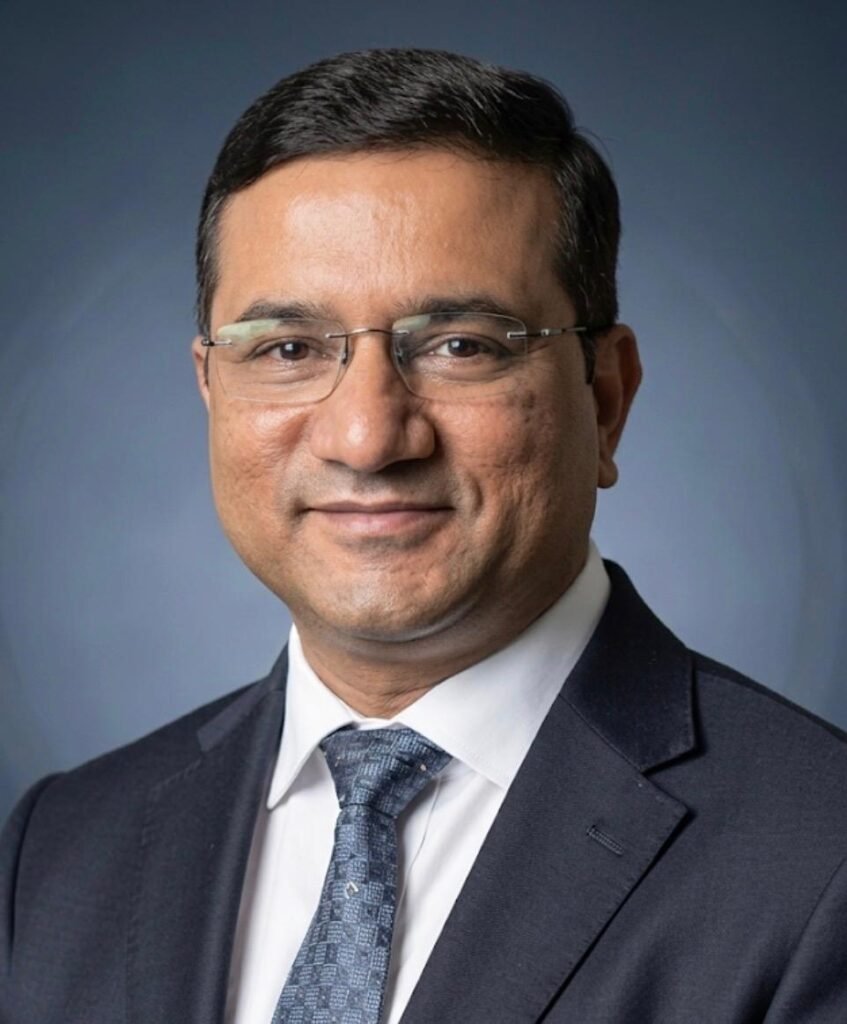
Dr. S.K. Gupta: Contribution In MCL
- Dr SK Gupta’s Surgical technique published in International Journal -Reconstruction of Superficial Medial Collateral Ligament: Modified Danish Technique with Dual Adjustable Loop Suspensory Fixation Arthroscopy Techniques 2023-12 Journal article DOI: 1016/j.eats.2023.07.039
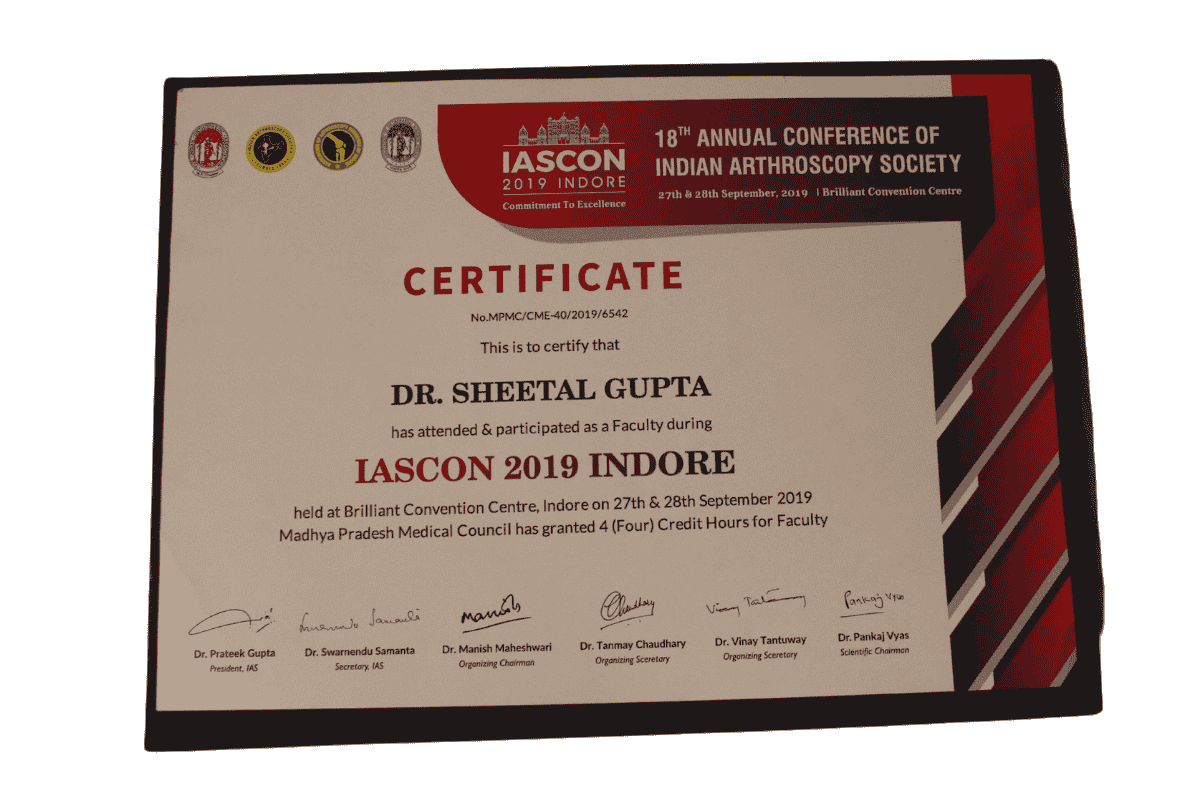
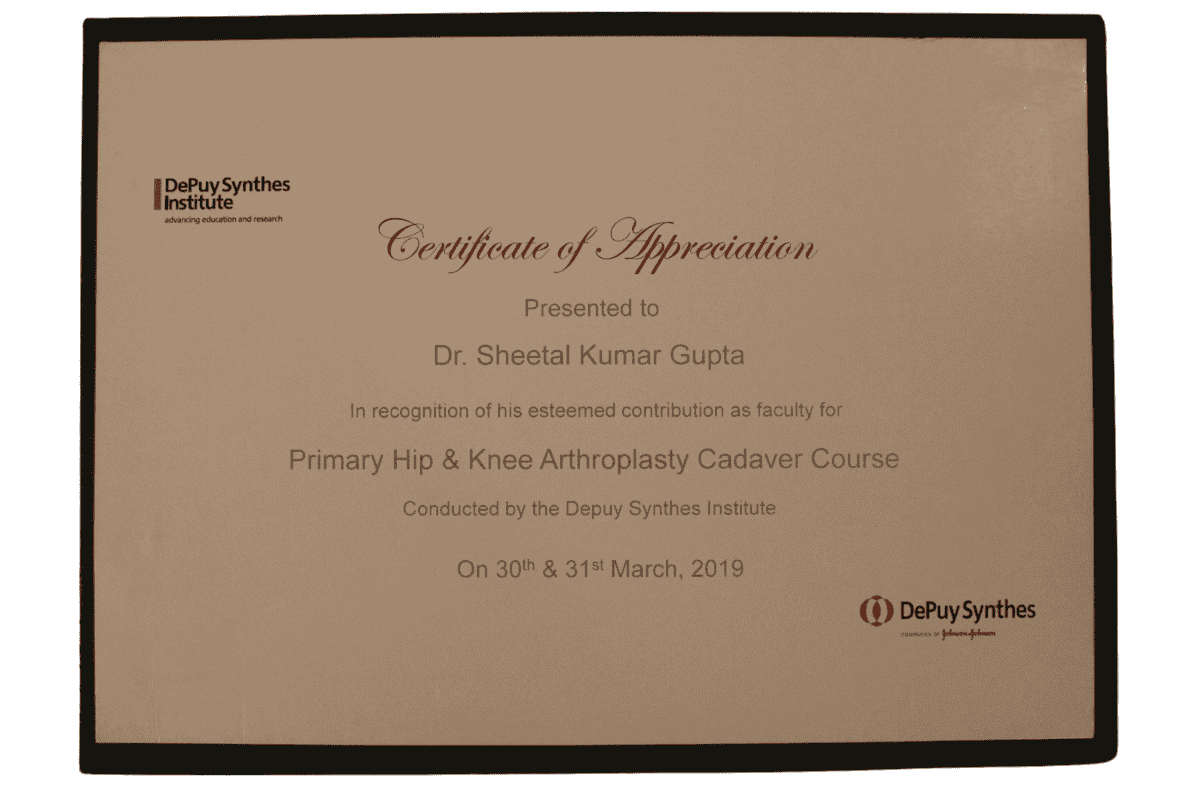
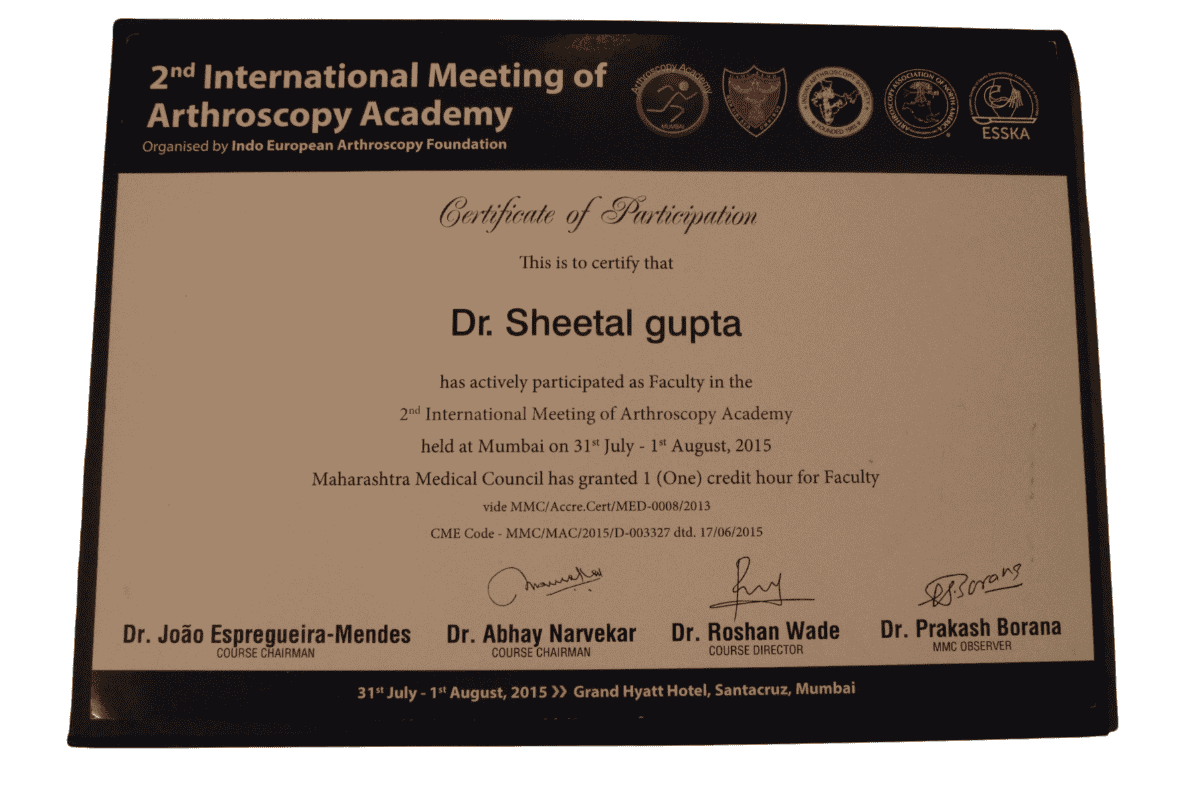
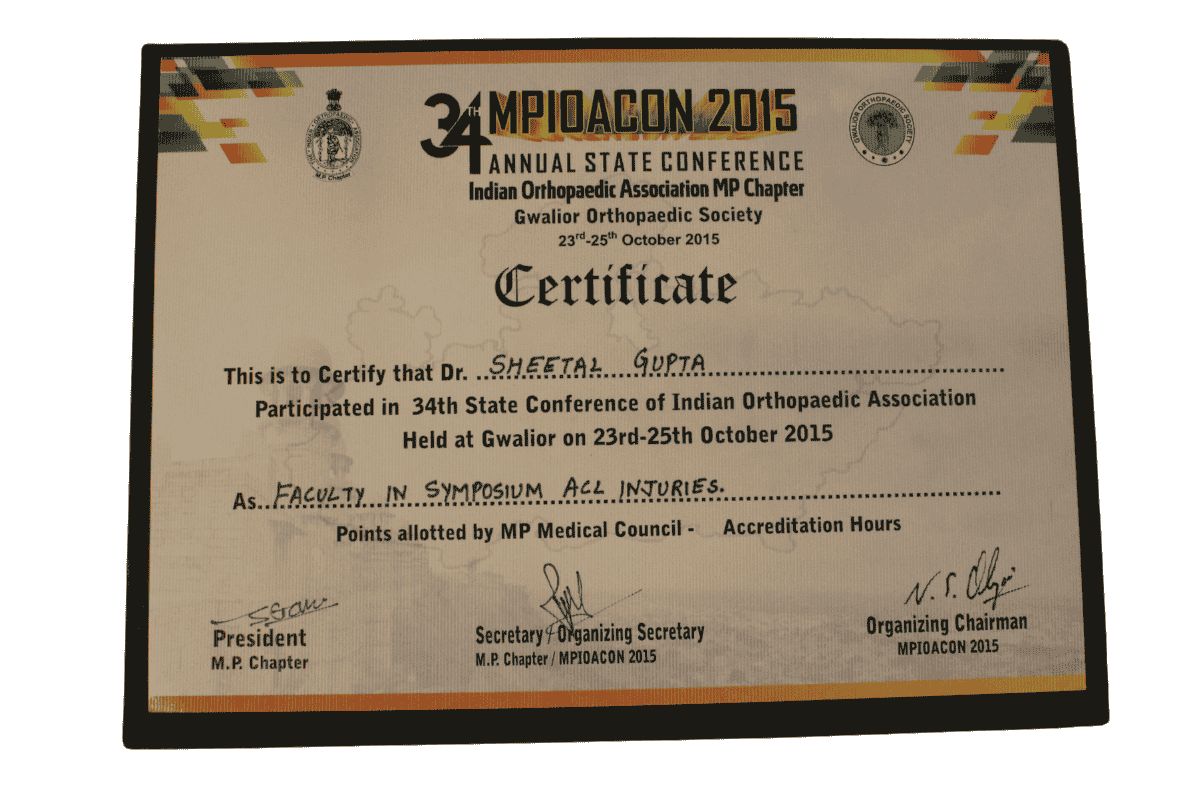
- Worked with Dr Masashi Kimura, Gunma sports medicine research centre, Japan, with exposure in arthroscopy and sports injury
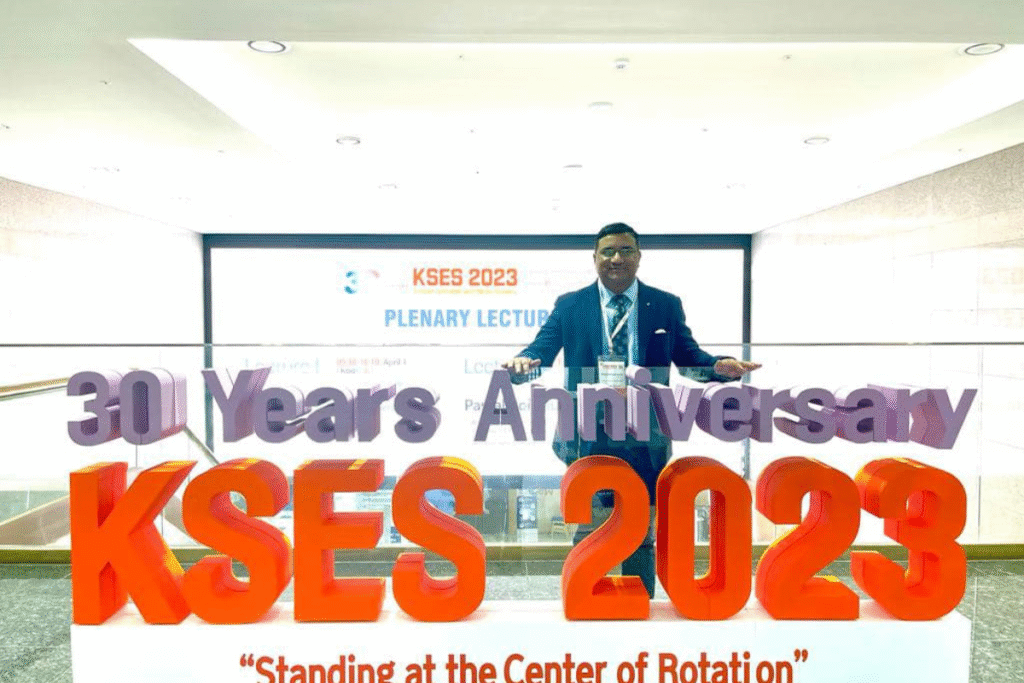
- International Faculty at Singapore advance knee symposium Dec 2023 talk on MCL and ramp lesion
- Faculty Chandigarh Arthroscopy course April 2023 performed live PCL reconstruction and talk on MCL
Faculty and surgery demonstration for Advance knee and shoulder arthroscopy workshop at SRMC Chennai Aug 2014.
Call for Phone Assistance
Google Reviews
EXCELLENT Based on 565 reviews
 Posted on Google
 Santosh ShrivasIn Apollo hospital...under guidance of Dr. SK Gupta sir I had completed my ACL reconstruction surgery under sir guidance.....with help of Dr Gupta expertise and skills I gone through a successful surgery. Dr. SK Gupta is a truly good and compassionate surgeon... talking about appolo hospital there the helpful nursing staff, cleanliness and comfort, management team, anesthesia team all provide me with the quick response...after surgery also the nursing staff provide me with the quick response and after surgery treatment... Talking about ACL surgery experience was overall good....the pre surgery process, surgery process, and physical therapy after surgery was also very effective As I experienced I would say For ligament and ACL reconstruction surgery D.R SK Gupta Sir was best and Apollo Hospital was bestPosted on Google
 Satyam KumarDr. S. K. Gupta performed ACL surgery on both of my mother’s knees, and we couldn’t be more grateful for his exceptional care and expertise. He explained the procedure clearly, ensured we were comfortable at every step, and followed up regularly during recovery. The surgeries went smoothly, and my mother is now recovering with great confidence. Dr. Gupta is not only highly skilled but also very compassionate and approachable. His team at the hospital was equally supportive and attentive. I would highly recommend Dr. S. K. Gupta for anyone looking for an experienced and caring orthopedic surgeon in Bhopal.Posted on Google
 Shivank Kashyap> I recently underwent surgery in Apollo SAGE hospital Bhopal and I’m very satisfied with the entire experience of Dr SK Gupta Sir team. The doctors and wtaff were professional, caring, and attentive throughout the process. The procedure went smoothly, and my recovery has been undergoing with SK Gupta Sir team. The doctors was very supportive during my undergoing recovery and visited multiple times a day to help with my issues and guide me with exercises. I’m thankful for his care and concern.Posted on Google
 Shubhanshu UsreteI would like to express my heartfelt gratitude to Dr. S.K. Gupta for the exceptional care and expertise he showed while treating my mother’s (Mrs. Indra Usrete) knee. She recently underwent surgery under his supervision, and we are truly thankful for how smoothly everything went — from pre-surgery counselling to post-operative recovery. Dr. Gupta’s professionalism, patience, and genuine concern for his patients made a huge difference in my mother’s confidence and comfort throughout the process. His ability to clearly explain every step of the treatment helped us feel reassured and informed at all times. I would highly recommend Dr. S.K. Gupta to anyone seeking an experienced, caring, and trustworthy orthopaedic specialist. P.S.- Above is my personal opinion, kindly take proper advise and guidance before treating your dear ones.Posted on Google
 YASH YEWALE
Trustindex verifies that the original source of the review is Google.
Dr. S.K. Gupta and team are doing good jobPosted on Google Dr. Mukesh Chandra BishtI had my knee surgery of acl and meniscus on 3rd October 2025 had a great experience. Dr Gupta is one of the best sports injuries specialist. The junior doctors and all the staff were very professional and everyone knew his/her role.Posted on Google
 Prashant ChaudharyIt's a privilege to having an International level doctor Dr S K Gupta sir (Knee & Shoulder Surgeon) in Central India, Bhopal. Else for the same surgery patients had to visit Mumbai, Delhi etc, now which saves time and money both. Thank you sir for successful ACL replacement of my wife.Posted on Google
 Pushpendra KushwahaDr. Well experienced and polite.. 2 din pahle main visit kiya tha x-ray quility had se jyada poor hai and x-ray staff all time mobile me lage rahte hai unka kam par bilkul dyan nhi rahta .. Jinki laparwahi ki wajah se report proper nhi ati hai aur digonosis sahi se nhi hua .. Ohi poor and galat report ki wajah se muje opass se surgery ka suggestion diya gya jab main second opinion liye other dr. Se to all good and fast recovery results aya..
Patient Success Stories
Our Experience in Numbers
Dr. S.K. Gupta is a renowned surgical orthopedic doctor practising in India.
1. Introduction
A Medial Collateral Ligament (MCL) tear is one of the most common knee injuries in India, affecting athletes, active individuals, and even people who sustain everyday accidents. At Apollo Sage Hospital in Bhopal, Dr SK Gupta — one of India’s foremost knee and shoulder surgeons — offers comprehensive, evidence-based MCL ligament tear treatment using the latest arthroscopic and minimally invasive techniques.
Whether you have suffered a Grade 1 MCL sprain from a sports collision or a Grade 3 complete MCL rupture requiring surgical reconstruction, Dr SK Gupta’s team in Bhopal delivers personalized care focused on full recovery and return to activity.
QUICK ANSWER — What Is MCL Tear Treatment?
MCL tear treatment ranges from RICE therapy and bracing for mild sprains (Grade 1–2) to surgical repair or reconstruction for complete tears (Grade 3) or injuries that fail conservative management. Early, accurate diagnosis and expert-guided rehabilitation are the keys to a full recovery.
2. What Is the Medial Collateral Ligament (MCL)?
The Medial Collateral Ligament (MCL) is a broad, flat band of tissue running along the inner (medial) side of the knee, connecting the femur (thigh bone) to the tibia (shin bone). Its primary role is to resist valgus stress — forces that push the knee inward — and to provide rotational stability to the joint.
The MCL works in concert with other knee stabilisers including the ACL, PCL, and menisci. When the MCL is torn or injured, the knee loses medial stability, resulting in pain, swelling, and a characteristic sense of giving way.
KEY FACTS
- Location: Inner (medial) side of the knee
- Function: Resists valgus (inward) stress; stabilises rotation
- Common in: Soccer, football, skiing, rugby, martial arts, road traffic accidents
- Incidence: Among the most common knee ligament injuries globally
- Healing potential: Grade 1 & 2 usually heal non-surgically; Grade 3 may need surgery
3. Causes of MCL Tears
MCL tears result from a force applied to the outer (lateral) side of the knee that drives the joint inward, stretching or rupturing the MCL fibres. Common causes include:
- Contact sports injuries: A direct blow to the outer knee in football, hockey, or wrestling
- Valgus stress during pivoting: Sudden change of direction in basketball or soccer
- Skiing injuries: The ski catching an edge and forcing the knee inward
- Road traffic accidents: Dashboard injuries, pedestrian collisions
- Fall onto a bent knee: Common in elderly patients
- Combined ligament injuries: MCL tears often occur alongside ACL or meniscus tears
Understanding the mechanism of injury is critical for treatment planning. Dr SK Gupta at Apollo Sage Hospital, Bhopal, performs a meticulous clinical evaluation and uses advanced MRI imaging to accurately characterize every MCL injury before recommending treatment.
4. Grades of MCL Injury
MCL injuries are classified into three grades based on severity:
Grade | Description & Treatment Overview |
Grade 1 (Mild Sprain) | Microscopic tearing of MCL fibres. Tenderness on inner knee, minimal swelling. Full stability retained. Heals with RICE, bracing, physiotherapy in 1–3 weeks. |
Grade 2 (Partial Tear) | Partial disruption of MCL fibres. Moderate pain, swelling, slight laxity on valgus stress test. Usually treated non-surgically with a hinged brace and structured physiotherapy over 4–6 weeks. |
Grade 3 (Complete Tear) | Full-thickness MCL rupture. Significant laxity, instability, possible associated injuries (ACL, meniscus). Often requires surgical repair or reconstruction, especially if combined injuries are present. |
5. Symptoms & Diagnosis of MCL Tear
5.1 Symptoms
- Sharp pain on the inner side of the knee at the time of injury
- Swelling and bruising along the medial (inner) knee
- Stiffness and difficulty bending or straightening the knee
- A popping or snapping sensation at the moment of tear
- Knee instability or buckling, particularly on lateral loading
- Pain when walking, running, or climbing stairs
5.2 Diagnostic Approach
At Apollo Sage Hospital, Bhopal, Dr SK Gupta employs a systematic diagnostic protocol:
- Clinical Examination: Valgus stress test, palpation of MCL insertion points, assessment of laxity at 0° and 30° flexion
- X-Ray: To rule out associated bony avulsion or fracture
- MRI Scan: Gold-standard imaging to confirm MCL grade, visualise fibre disruption, and detect associated ACL/meniscus injuries
- Dynamic Ultrasound: Used selectively to assess ligament continuity in real-time
QUICK ANSWER — How Is MCL Tear Diagnosed?
An MCL tear is diagnosed through a combination of clinical valgus stress testing and MRI
scanning. MRI accurately classifies the grade (1, 2, or 3), identifies the tear location
(proximal, midsubstance, or distal), and detects any concurrent ACL or meniscal injuries.
6. Non-Surgical (Conservative) Treatment for MCL Tear
The majority of isolated MCL tears (Grade 1 and Grade 2, and many Grade 3 cases) heal effectively with structured non-surgical management. Dr SK Gupta at Apollo Sage Hospital, Bhopal, emphasises that early, well-supervised conservative treatment often produces excellent outcomes.
6.1 RICE Protocol (Acute Phase)
- Rest: Avoid weight-bearing activity that stresses the knee
- Ice: Apply ice pack for 15–20 minutes every 2–3 hours for the first 48–72 hours
- Compression: Use a compression bandage or sleeve to limit swelling
- Elevation: Keep the limb elevated above heart level to reduce oedema
6.2 Bracing & Immobilisation
A hinged knee brace is commonly prescribed to protect the healing MCL while allowing controlled range-of-motion exercises. The duration varies: Grade 1 — up to 2 weeks; Grade 2 — 4–6 weeks; Grade 3 (when managed conservatively) — 6–8 weeks.
6.3 Physiotherapy & Rehabilitation
A structured rehabilitation programme is the cornerstone of MCL recovery. This typically progresses through three phases:
- Phase 1 (0–2 weeks): Pain and swelling control; gentle range-of-motion exercises; quadriceps activation
- Phase 2 (2–6 weeks): Progressive strengthening; proprioception training; gradual weight-bearing
Phase 3 (6–12 weeks): Sport-specific agility drills; functional testing; return-to-sport clearance
SUMMARY BOX — Conservative MCL Treatment
Most Grade 1 and 2 MCL tears recover fully within 4–8 weeks with RICE, bracing, and physiotherapy. Isolated Grade 3 tears in non-athletic patients can also heal non-surgically with immobilisation and rehabilitation. Surgical intervention is reserved for Grade 3 tears with instability, combined ligament injuries, or failure of conservative care.
7. Surgical Treatment for MCL Tear — Repair & Reconstruction
When conservative treatment fails or when a Grade 3 MCL tear is associated with other ligament injuries (e.g., ACL, PCL), surgical intervention is indicated. Dr SK Gupta at Apollo Sage Hospital, Bhopal, is highly experienced in all forms of MCL surgery, including:
7.1 MCL Primary Repair
In acute, proximal (femoral side) MCL tears, primary repair — re-attaching the torn ligament to its bony insertion using suture anchors — delivers reliable results, particularly when performed within 3–4 weeks of injury. Suture augmentation or internal brace techniques may be added to protect the repair during healing.
7.2 MCL Reconstruction
For chronic MCL insufficiency or failed repairs, reconstruction using a tendon graft (hamstring tendon, gracilis) is recommended. The graft is tunnelled through anatomically placed bone tunnels in the femur and tibia to replicate the native MCL’s biomechanical function. Arthroscopic-assisted techniques allow simultaneous assessment and treatment of intra-articular injuries.
7.3 Combined MCL + ACL Reconstruction
In multi-ligament knee injuries involving both the MCL and ACL, a staged or simultaneous reconstruction approach is planned by Dr SK Gupta based on the severity and chronicity of each ligament injury. His international fellowship training from Japan and Singapore ensures exposure to the most advanced combined ligament reconstruction techniques practised globally.
QUICK ANSWER — When Is MCL Surgery Needed?
MCL surgery is indicated for complete Grade 3 tears with persistent instability, MCL injuries combined with ACL or PCL ruptures, chronic MCL laxity unresponsive to physiotherapy, and bony avulsion fractures at the MCL insertion. Dr SK Gupta at Apollo
Sage Hospital, Bhopal, individualises each surgical plan based on patient age, activity
level, and associated knee pathology.
8. MCL vs ACL Tear — Key Differences
Feature | MCL Tear vs ACL Tear |
Location | MCL: Inner (medial) side | ACL: Inside the joint (central) |
Mechanism | MCL: Valgus force (knee pushed inward) | ACL: Pivot/twist or hyperextension |
Haemarthrosis | MCL: Rare | ACL: Common (blood fills joint immediately) |
Instability | MCL: Medial laxity on valgus stress | ACL: Anterior drawer / pivot shift positive |
Non-surgical healing | MCL: Most cases respond well | ACL: Rarely heals without surgery in athletes |
Surgery rate | MCL: Lower | ACL: Higher (especially athletes) |
Recovery time | MCL: 4–12 weeks | ACL: 9–12 months |
9. Recovery & Rehabilitation After MCL Treatment
Recovery from an MCL injury is heavily dependent on the grade of tear and the treatment pathway chosen. Under Dr SK Gupta’s care at Apollo Sage Hospital, Bhopal, every patient receives a personalised, milestone-based rehabilitation plan:
Milestone | Expected Timeline |
Pain & swelling control | Week 1–2 |
Brace-free walking (Grade 1–2) | Week 3–6 |
Return to gym / light activity | Week 6–8 |
Return to jogging (non-surgical) | Week 8–10 |
Return to sport (non-surgical) | Week 10–16 |
Post-surgical weight-bearing | Week 2–4 |
Return to jogging (post-surgery) | Month 3–4 |
Return to full sport (post-surgery) | Month 6–9 |
The Apollo Sage Hospital sports rehabilitation team collaborates closely with Dr SK Gupta to provide supervised physiotherapy, neuromuscular training, and return-to-sport testing to ensure patients reach their pre-injury performance levels safely.
10. Why Choose Dr SK Gupta at Apollo Sage Hospital, Bhopal — India's Centre of Excellence for Arthroscopy
Apollo Sage Hospital, Bhopal, under the leadership of Dr SK Gupta, has emerged as India’s premier destination for knee ligament surgeries, including MCL repair and reconstruction. Here is why patients travel from across India and internationally to seek care at this Centre of Excellence:
Differentiator | Details |
Experience | 21+ years of orthopaedic and arthroscopic surgery experience |
Volume | 12,500+ surgeries performed; one of the highest arthroscopy volumes in India |
Qualifications | MS Orthopaedics (Mumbai) + International Fellowships (Japan, Singapore, Delhi) |
First FAANA Fellow from India | First arthroscopy surgeon from India to receive the prestigious FAANA Fellowship |
Meniscus Man of India | Nationally recognised expert in meniscus, ACL, MCL, and multi-ligament reconstruction |
Centre of Excellence | Recognised by the Abhinav Bindra Foundation Trust for Sports Surgeries |
Apollo Sage Hospital | State-of-the-art infrastructure: dedicated arthroscopy OTs, advanced imaging, sports rehabilitation |
Personalised care | Every MCL patient receives an individualised treatment plan tailored to their goals |
Orthocity Clinic | Accessible outpatient clinic with same-day consultation and diagnostic services |
Apollo Sage Hospital, Bhopal, is equipped with high-definition arthroscopy systems, dedicated sports medicine rehabilitation suites, and multidisciplinary team support — placing it firmly alongside the best arthroscopy centres in Delhi, Mumbai, and Bengaluru.
Learn more about Dr SK Gupta: drskguptaligamentsurgeonindia.com/about-dr/
International presence & fellowships: International Presence
11. Patient Experiences
Dr SK Gupta has treated patients from across Madhya Pradesh, Rajasthan, Uttar Pradesh, Maharashtra, and from international destinations including the United Kingdom and UAE. Patients consistently commend the team at Apollo Sage Hospital, Bhopal, for the thoroughness of diagnosis, clarity of communication, and the structured post-operative rehabilitation support that enabled them to return to sport and daily life.
Reputation-based observations from patients include praise for Dr Gupta’s meticulous surgical planning, his personal involvement in rehabilitation milestones, and the hospital’s modern sports medicine infrastructure.
Read written patient testimonials: Written Testimonials
Watch video testimonials: Video Testimonials
Why Consult Dr. S.K. Gupta for MCL Surgery
Dr. Sheetal Kumar Gupta is an arthroscopy and sports injury specialist heading the arthroscopy and joint reconstruction unit at apollo sage and galaxy hospital, Bhopal. He has been a consultant for sports medicine, Sports Authority of India & State Sports Academy and is serving National level teams of various disciplines like Hockey, Judo, Kabbadi, Water Sports, Wushu Taikwando etc.
He has done his fellowship in Arthroscopy and Sports medicine from Japan and was trained at various international surgical centres. With an experience of more than 21 years, he has performed over 12500 knee and shoulder surgeries including complex ligament surgeries and surgeries of around more than 8000 National/International level players of various disciplines. He is National and International level faculty for various seminars, conferences and workshops.
Notable Achievements:
- Trained at Japan, Germany, UK, Singapore, Malaysia and Thailand.
- Visiting sports medicine specialist Sports Authority of India (SAI).
- Ex Sports injury specialist to Indian senior Women National Hockey team.
- Ex-Dope control officer, National Anti-doping Agency (NADA).
- National faculty for advance knee and shoulder arthroscopy workshop and conferences.
- Performed more than 8000 arthroscopies independently including knee, shoulder, ankle and hip arthroscopies.
- Successfully operated over 2000 players who are back in sports and have won national and international medals after their surgeries.
- Successfully treated more than 10000 sports players of various disciplines.
- Internationally trained and more than 21+ years of experience.
- Has treated National and International level players of Hockey like Sardar Singh, Shivendra, Sandeep Singh, Dilip Tirkey, Sameer Dad ; Olympic champion Ankit Sharma, Commonwealth Karate champion Supriya Jatav, world champions of Judo like Sanathoi, Kalpana Devi, Navjot to name a few and boxing legends like M.C. Mary Kom & Sarita devi.
📞 Call / WhatsApp: +91-7610101079 | +91-7611111179
📅 Book Online: https://apollosage.in/doctors/dr-s-k-gupta
📍 Apollo Sage Hospital, Bhopal: https://share.google/SXEd0xJbNkufOGGXc
📍 Orthocity Clinic, Arera Colony, Bhopal: https://share.google/QfMSO7rDjztjpYLI2
📧 Send your MRI / X-ray report online for an expert second opinion.
Types Of Treatments Offered By SKG Ortho Unit.
Dr. S.K. Gupta specializes in problems of shoulder, hip and knee. These are the following types of treatments that the doctor provides.
Sports Injury Treatment
HIP Surgery
12. Frequently Asked Questions — MCL Ligament Tear
Q1: What is a MCL ligament tear?
A: An MCL (Medial Collateral Ligament) tear is a stretching or rupture of the ligament on the inner side of the knee, caused by a force that pushes the knee inward. It is graded 1 (mild sprain), 2 (partial tear), or 3 (complete rupture), and is among the most common knee ligament injuries in athletes and active individuals.
Q2: Can an MCL tear heal without surgery?
A: Yes. Most Grade 1 and Grade 2 MCL tears, and many isolated Grade 3 tears, heal without surgery using RICE therapy, a hinged brace, and structured physiotherapy. Surgical reconstruction is needed for Grade 3 tears with persistent instability, combined ACL or PCL injuries, or failure of conservative treatment.
Q3: How long does MCL tear recovery take?
A: Recovery depends on the grade: Grade 1 takes 1–3 weeks, Grade 2 takes 4–6 weeks, and Grade 3 (non-surgical) takes 8–16 weeks. After MCL reconstruction surgery, patients typically return to sport in 6–9 months with a structured rehabilitation programme.
Q4: Who is the best MCL surgeon in Bhopal?
A: Dr SK Gupta at Apollo Sage Hospital, Bhopal, is widely regarded as one of India's foremost knee ligament surgeons. With 21+ years of experience, 12,500+ surgeries, and international fellowships from Japan and Singapore, Dr Gupta is the first Indian arthroscopy surgeon to receive the FAANA Fellowship and is recognised as a Centre of Excellence for Sports Surgeries.
Q5: What is the difference between MCL and ACL tear?
A: The MCL (Medial Collateral Ligament) is on the inner side of the knee and is injured by inward-pushing (valgus) forces, while the ACL (Anterior Cruciate Ligament) is inside the joint and tears with pivoting or hyperextension. MCL tears more often heal without surgery; ACL tears in athletes almost always require surgical reconstruction.
Q6: Is MCL reconstruction surgery painful?
A: Post-operative pain after MCL reconstruction is well-managed at Apollo Sage Hospital, Bhopal, using multimodal pain protocols including regional nerve blocks. Most patients experience significant pain relief within the first week, with full comfort returning progressively as rehabilitation advances.
Q7: What type of graft is used for MCL reconstruction?
A: MCL reconstruction at Apollo Sage Hospital, Bhopal, most commonly uses an autograft (the patient's own hamstring or gracilis tendon) to replicate the native MCL. In select cases, allograft tissue may be used. Dr SK Gupta selects the graft type based on the patient's anatomy, activity level, and any associated injuries.
Q8: Can I return to sports after MCL surgery?
A: Yes. The majority of athletes treated by Dr SK Gupta at Apollo Sage Hospital, Bhopal, successfully return to their sport following MCL reconstruction, typically between 6 and 9 months post-surgery. Return-to-sport is guided by objective functional testing, not just a fixed time frame.
Q9: Is Apollo Sage Hospital good for MCL treatment in Bhopal?
A: Apollo Sage Hospital, Bhopal, is one of India's leading centres for knee ligament surgery. Under the leadership of Dr SK Gupta, the hospital combines state-of-the-art arthroscopy infrastructure, internationally trained surgical expertise, and dedicated sports rehabilitation — making it a top choice for MCL treatment in Central India.
Q10: What happens if MCL tear is left untreated?
A: An untreated MCL tear — especially a Grade 3 rupture — can result in chronic knee instability, altered gait biomechanics, accelerated cartilage wear, and secondary injury to other knee structures such as the ACL and menisci. Early, appropriate treatment under an experienced specialist like Dr SK Gupta prevents long-term knee damage.
Q11: How is MCL tear diagnosed?
A: MCL tears are diagnosed through clinical examination (valgus stress test at 0° and 30°), X-ray to exclude fractures, and MRI scanning to confirm ligament integrity, grade the injury, and identify associated damage. At Apollo Sage Hospital, Bhopal, all imaging is performed in-house with rapid reporting.
Q12: What brace is used for MCL tear?
A: A hinged knee brace is the standard orthosis for MCL tear management. It protects the healing ligament while allowing controlled range of motion. Dr SK Gupta at Apollo Sage Hospital, Bhopal, customises brace prescription based on the grade of injury and the patient's weight-bearing status.
Q13: Is MCL surgery done arthroscopically?
A: MCL reconstruction is typically performed as an open or mini-open procedure with arthroscopic-assisted evaluation of the knee joint. Arthroscopy allows simultaneous treatment of any intra-articular pathology (meniscus tears, cartilage damage, ACL injuries) during the same anaesthetic sitting.
Q14: What are the risks of MCL reconstruction surgery?
A: As with all surgical procedures, MCL reconstruction carries low-probability risks including infection, nerve or vessel injury, graft failure, stiffness, and deep vein thrombosis. These risks are minimised by the experience of Dr SK Gupta, advanced surgical techniques at Apollo Sage Hospital, and rigorous post-operative care protocols.
Q15: How do I book an appointment with Dr SK Gupta in Bhopal for MCL tear?
A: Appointments with Dr SK Gupta at Apollo Sage Hospital, Bhopal, can be booked online via the Apollo Sage appointment portal or by calling the clinic directly. You may also visit Orthocity Clinic. Contact: +91-7610101079 | +91-7611111179.
Book Your Appointment — MCL Ligament Tear Specialist, Bhopal
CONSULT DR SK GUPTA FOR MCL LIGAMENT TEAR
Apollo Sage Hospital, Bhopal
Google Maps: https://share.google/SXEd0xJbNkufOGGXc
Orthocity Clinic, Bhopal
Google Maps: https://share.google/QfMSO7rDjztjpYLI2
Appointment: https://apollosage.in/doctors/dr-s-k-gupta
📞 +91-7610101079 | +91-7611111179
Book Online: apollosage.in/doctors/dr-s-k-gupta
What Happens When You Have an MCL Tear?
An MCL (Medial Collateral Ligament) tear occurs when the ligament on the inner side of the knee is partially or completely injured. This type of injury can lead to a range of symptoms, including: (vid new- how do I know that I have MCL tear?)
- A popping sound or sensation at the time of injury
- Swelling around the inner side of the knee
- Pain on the inside of the knee
- Tenderness when touched
- Difficulty continuing activity due to pain
- Reduced range of motion in the knee
- Discomfort while walking or bending the knee
- Knee instability or a feeling that the knee might give way
An MCL tear can significantly impact your ability to perform everyday activities and may require medical evaluation to ensure proper treatment and recovery.
What is an MCL Reconstruction?
It is a surgical intervention meant to repair a ruptured or torn Medial Collateral Ligament (MCL) that is an essential stabilizing element on the inner knee side for movement. (vid new- MCL surgery, considerations?)
In MCL reconstruction, a graft is used in place of the injured ligament. This graft is typically obtained from the patient’s own body, referred to as an autograft.
The graft, once harvested, is positioned on the site where the MCL is damaged. Both ends of the graft, are inserted into pre-drilled sockets in the knee bones, thereby positioning it to integrate well with the tissue around it and to heal properly.
This enables the patient to return to his normal activities and exercises. Reconstruction of MCL is particularly useful in patients who have grade III tears of the knee or whose responses to nonsurgical measures are not significant.
Not all MCL tears need surgery. The decision to have surgery is based on the severity of the tear, the patient’s activity level, and the success of conservative treatments.
Most MCL injuries can be treated without surgery through non-surgical methods such as rest, ice, compression, elevation (P.O.L.I.C.E.), and physical therapy. These measures help reduce pain, manage swelling, and restore knee strength and mobility.
Surgery might be required in the following cases:
- Severe or Complete Tears: Surgery is often required for fully torn MCLs or when the tear causes significant knee instability.
- Failure of Conservative Treatment: If the injury does not improve despite rest, rehabilitation, and other non-surgical treatments.
- Persistent Instability: If the knee feels unstable or buckles during daily activities, surgery may be needed to restore stability and function.
- Associated Injuries: When the MCL tear occurs along with other knee injuries, such as an ACL tear or meniscus damage, surgical intervention may be necessary to repair all affected structures.
Surgery is typically recommended for individuals with high activity levels or athletes who need to regain full knee functionality and stability for sports or demanding activities.
What Are the Symptoms of MCL Tear?
An MCL (Medial Collateral Ligament) tear shares many symptoms with other ligament injuries, but its specific symptoms are focused on the inner side of the knee. Common symptoms of an MCL tear include:
- Pain and Tenderness: Pain along the inner side of the knee, especially when touched or under pressure. Pain often increases with movement or activity.
- Swelling: Swelling around the inner side of the knee, typically appearing within hours of the injury.
- Knee Instability: A sensation that the knee may give way or buckle, particularly during activities involving turning, twisting, or sudden stops.
- Limited Range of Motion: Difficulty bending or straightening the knee fully due to pain or stiffness. The knee may feel locked or restricted.
- Pain While Walking: Discomfort or difficulty walking, especially when the knee feels weak or unstable, often resulting in limping.
- Bruising: Bruising on the inner side of the knee can occur with more severe injuries, caused by impact or damage to surrounding blood vessels.
- Difficulty Bearing Weight: Pain or discomfort when putting weight on the affected leg, leading to limping or favoring the uninjured leg.
In severe MCL tears, the knee may become unstable, making it difficult to resume physical activities or sports without proper treatment. Mild tears may cause less severe symptoms and often improve with rest, ice, and non-surgical care. However, moderate to severe injuries may require physical therapy or surgery to restore knee stability and function.
If you suspect an MCL tear, it’s essential to consult a healthcare professional for an accurate diagnosis and appropriate treatment plan.
Does MCL Reconstruction Lead to Knee Replacement?
MCL (Medial Collateral Ligament) reconstruction surgery does not directly lead to the need for knee replacement; however, there are certain situations where individuals may require knee replacement in the future. The primary goal of MCL reconstruction is to repair the damaged ligament and restore knee stability, but various factors can influence the long-term outcomes:
- Long-Term Instability: If the knee remains unstable after MCL reconstruction due to insufficient healing or improper rehabilitation, it can place added stress on the joint. This may cause wear and tear on the cartilage over time, increasing the risk of arthritis or other joint problems that could ultimately lead to knee replacement.
- Arthritis or Cartilage Damage: Pre-existing cartilage damage or other knee injuries (such as damage to the meniscus or other ligaments) combined with an MCL tear can result in joint degeneration. Over time, arthritis may develop, causing pain and limited mobility. If arthritis becomes severe, knee replacement surgery may be necessary.
- Repeated Injuries: Individuals who suffer multiple knee injuries, especially if they are not adequately treated or rehabilitated, can experience cumulative damage to the knee joint. This damage can lead to the need for knee replacement, particularly if significant wear occurs on the joint surfaces.
- Age and Activity Level: Younger, more active individuals who undergo MCL reconstruction typically have a lower risk of needing knee replacement soon after surgery. However, older adults or those who continue engaging in high-impact activities may experience faster joint wear, which could accelerate the need for knee replacement.
In conclusion, while MCL reconstruction surgery itself does not directly result in knee replacement, long-term issues such as instability, arthritis, or joint degeneration can increase the likelihood of needing knee replacement later in life. Proper post-surgical care, rehabilitation, and addressing any existing joint damage are critical in minimizing this risk.
Treatment Procedure for MCL Surgery
The treatment of an MCL injury is usually done based on the severity of the injury, the level of activity for the patient, and the condition of the knee. From simple conservative treatments to major surgical intervention, here are some common approaches towards treating an MCL tear.
MCL Tear Repair: Home Remedies
Home remedies for managing the symptoms and recovery process of MCL tears; these are usually feasible for mild to moderate injuries. These methods can be useful in the early stages of recovery, especially; however, after consulting a healthcare professional for a proper diagnosis and guidance, particularly if the injury is severe. Some common home remedies for an MCL tear include:
Rest is very important because the injured ligament needs rest to heal. Refrain from engaging in activities that can cause knee stress, including running, jumping, or quick movements. This way, one prevents further injuries and gives their knee time to recover.
Ice Application: Applying ice on the knee may help decrease swelling and help with pain relief. Use an ice pack, wrapped in a cloth, 15-20 minutes at one time, several times in a day, especially during the first 48 hours after injury. It helps with controlling inflammation and will reduce your pain.
Compression: Use of an elastic bandage or compression wrap around the knee helps in stabilizing swelling. Be careful to avoid too-tight wrapping because it can hamper blood flow. Compression of the knee can stabilize the fluid buildup and maintain the balance in the injured part.
Elevation: When practical, elevate the knee above heart level to help reduce swelling. Rest the leg on pillows if sitting or lying down to aid fluid drainage from the injured site.
Pain Relief: Over-the-counter pain relievers can be given such as ibuprofen or acetaminophen that can help with pain relief and inflammation. Always consult a healthcare provider for dosage and if unsure on medication use.
Physical Therapy : After the swelling and initial pain have dissipated, physical therapy can strengthen the knee through active exercises and encourage mobility, stability, and strengthening of the joint. It further aims at rehabilitation of the function and motion in the knee. The physical therapies may involve stretching maneuvers, quadriceps strengthening, or range-of-motion activities.
These home remedies aid in promoting the healing of an MCL tear, while more severe ones may require proper medical intervention including physical therapy and surgery to make a full restoration and prevent later complications. Only a doctor can be consulted for any injury to choose the best available treatment option on the basis of the severity level of the damage.
Surgery for MCL Tear Treatment
For an MCL (Medial Collateral Ligament) tear, surgery is generally considered when conservative treatments, such as rest, ice, and physical therapy, are not enough to restore knee stability or function. Surgery is typically recommended for severe MCL tears or if knee instability persists despite non-surgical methods. Here’s how surgical treatment for MCL tears works:
Types of Surgery for MCL Tear Treatment:
- MCL Reconstruction: This is the most common surgical procedure for severe MCL tears. If the ligament is completely torn or significantly damaged, the surgeon may reconstruct the ligament using a graft. The graft may be taken from the patient’s own tissue (autograft) The surgeon will attach the graft to the femur and tibia to restore stability to the knee.
- Surgical Repair: If the MCL tear is not as severe, the surgeon may perform a direct repair. In this case, the torn ends of the ligament are reattached to the bone using sutures or fixation devices, allowing the tissue to heal in its original position.
Recovery after MCL Surgery:
- Immobilization: After surgery, the knee is typically placed in a brace or cast to restrict movement and allow the ligament to heal properly. The knee may be immobilized for several weeks, depending on the severity of the tear and the surgery performed.
- Physical Therapy: Rehabilitation is a crucial part of recovery after MCL surgery. A physical therapist will guide you through exercises to improve knee strength, flexibility, and stability. The aim is to restore normal function, range of motion, and prevent future injuries. Early physical therapy may focus on gentle movements and strengthening the muscles around the knee to support the healing ligament.
- Return to Activity: Full recovery after MCL surgery can take several months. The time depends on the injury’s severity, the surgery type, and how well the patient follows the rehabilitation plan. Athletes or active individuals may need 6 to 9 months before returning to high-impact sports, while less active individuals may return to daily activities sooner.
When Surgery Is Recommended:
Surgery is typically recommended for:
- Severe MCL tears where the ligament cannot heal on its own.
- Persistent knee instability despite conservative treatments.
- Simultaneous injuries to other ligaments, such as the ACL, which may require surgery as part of a broader knee repair.
For mild to moderate MCL tears, surgery is usually not needed, and non-surgical treatments such as physical therapy, rest, and bracing are sufficient for recovery. Always consult an orthopedic specialist to determine the best treatment based on the severity of the injury.
Preparation for MCL Treatment
Before undergoing MCL (Medial Collateral Ligament) treatment, similar to the process for LCL treatment, doctors will perform a series of evaluations and diagnostic tests to understand the severity of the injury and determine the most appropriate treatment plan. Here’s how the preparation for MCL treatment generally unfolds:
1. Physical Examination:
The doctor will conduct a thorough examination of the knee to evaluate:
- Pain: They will press along the inner side of the knee to identify areas of tenderness and localized discomfort.
- Swelling: Swelling around the knee is assessed, as it can indicate ligament damage or associated inflammation.
- Instability: The doctor may perform valgus stress tests, applying pressure to the outer side of the knee to evaluate the stability of the MCL.
- Range of Motion: They will check for any limitations in bending or straightening the knee due to stiffness or pain.
- Functionality: The impact of the injury on daily activities like walking, climbing stairs, or bearing weight will also be assessed.
2. X-rays:
X-rays are typically used to rule out bone-related injuries, such as fractures or joint misalignment. While X-rays don’t show soft tissue like ligaments, they help identify:
- Bone avulsions, where a fragment of bone may have been pulled off by the ligament.
- Structural issues around the knee joint that could complicate the MCL injury.
3. MRI Scans:
An MRI is the most effective imaging tool for diagnosing MCL injuries as it provides a clear view of soft tissues.
- It will reveal whether the MCL tear is partial or complete.
- MRI scans help identify any associated injuries to the ACL, PCL, or meniscus, which can affect the treatment approach.
- The imaging also detects bone bruising or additional soft tissue damage.
4. Ultrasound (Optional):
Ultrasound imaging may be used as a supplemental tool to evaluate the condition of the MCL and surrounding soft tissues in real time. While less common than MRIs, it can be useful in certain cases, such as monitoring the healing process during treatment.
Preparing for Treatment:
Based on the results of these diagnostic evaluations, the doctor will:
- Assess the severity of the MCL injury.
- Identify any other ligament or joint damage.
- Recommend an appropriate course of treatment, which could involve conservative management (rest, ice, bracing, and physical therapy) or, in rare cases, surgical repair for more severe injuries.
Key Takeaway:
The preparation for MCL treatment involves a combination of physical exams and advanced imaging to gain a full understanding of the injury. This enables the doctor to develop a personalized treatment plan, ensuring optimal recovery and knee function.
Preparatory Steps for MCL Treatment
For MCL (Medial Collateral Ligament) tear treatment, the preparatory steps are similar to those for LCL treatment and are crucial for ensuring the best possible recovery, whether through conservative methods or surgical intervention. Here are the key steps involved in preparing for MCL treatment:
1. Discuss Treatment Options
- Treatment Plan Discussion: Patients should engage in a detailed conversation with their doctor regarding available treatment options, which may include:
- Conservative (Non-Surgical): Rest, ice, compression, elevation, bracing, and physical therapy for mild to moderate tears.
- Surgical Options: For severe MCL tears or persistent knee instability, surgical repair or reconstruction might be necessary.
- Addressing Concerns: Any questions about the procedure, recovery time, or risks should be thoroughly discussed to ensure the patient is well-informed and confident about the treatment plan.
2. Fasting Before Surgery (If Required)
- Fasting Instructions: If surgery is recommended, the patient should avoid eating or drinking after midnight before the procedure. This helps ensure an empty stomach during anesthesia, reducing the risk of complications such as aspiration.
3. Medication Disclosure
- Informing the Doctor: Patients must provide a complete list of medications, vitamins, and supplements they are taking. Some medications can interfere with surgery or recovery, such as:
- Blood Thinners: Medications like aspirin or warfarin may need to be paused days before surgery to minimize bleeding risks.
- NSAIDs: Anti-inflammatory drugs like ibuprofen may need to be stopped to reduce surgical and post-operative complications.
- Supplements: Herbal or over-the-counter supplements, like fish oil, can affect bleeding or anesthesia and may require temporary discontinuation.
4. Avoid Smoking and Alcohol
- Smoking Cessation: Smoking can impair circulation and delay healing. Patients are advised to stop smoking several days before surgery.
- Avoid Alcohol: Alcohol consumption may interfere with anesthesia and the recovery process, so it’s best to abstain in the days leading up to surgery.
5. Physiotherapy (Pre-Surgery)
- Pre-Surgical Physiotherapy: In preparation for surgery, the doctor may recommend physiotherapy sessions to:
- Reduce Swelling: Techniques like massage, ice therapy, or electrical stimulation can help manage inflammation.
- Strengthen Muscles: Building strength in surrounding muscles, especially the quadriceps, provides better knee stability and support during recovery.
- Improve Range of Motion: Exercises to enhance knee flexibility can reduce stiffness and help regain full movement post-surgery.
- Enhance Mobility: Preparing the knee functionally before surgery aids in quicker post-operative recovery.
6. Additional Preparations
- Pre-Operative Health Check: Patients may undergo blood tests or other evaluations to ensure they are fit for surgery.
- Support and Arrangements: Post-surgery, assistance with mobility and daily activities will likely be needed during the initial recovery period.
Summary of Preparatory Steps for MCL Treatment
- Discuss Treatment Options to understand conservative and surgical approaches.
- Fasting: Follow fasting guidelines if surgery is required.
- Medication Disclosure: Inform the doctor about all medications and supplements.
- Avoid Smoking and Alcohol to promote healing and anesthesia safety.
- Pre-Surgery Physiotherapy: Strengthen, stabilize, and prepare the knee for recovery.
By following these preparatory steps, patients can optimize their treatment success and recovery process, whether managing the MCL tear conservatively or undergoing surgery.
Post-Operative Protocol for MCL Surgery
The post-operative protocol for MCL (Medial Collateral Ligament) surgery is critical for ensuring proper healing, minimizing complications, and restoring full knee function. It focuses on pain management, knee protection, and a gradual progression toward regaining strength and mobility. Below is a detailed breakdown of the steps involved in MCL post-operative care:
1. Immediate Post-Surgery Care (First 1-2 Weeks)
Pain Management:
- Pain Medications: Doctors typically prescribe pain relievers, such as opioids or over-the-counter options like ibuprofen, to manage discomfort during the early recovery phase.
- Ice Therapy: Applying ice to the knee for 15-20 minutes several times a day helps reduce pain and swelling.
Knee Immobilization:
- Brace or Immobilizer: A knee brace is often used to stabilize the joint and protect the healing ligament by limiting movement.
- Elevation: Keeping the leg elevated above heart level reduces swelling and promotes blood circulation.
Swelling Control:
- Compression Wrap: A compression bandage helps manage swelling, but care should be taken to avoid excessive tightness that could impair blood flow.
Initial Mobility:
- Crutches: Patients are advised to use crutches or a walker to keep weight off the injured leg.
- Weight-Bearing Instructions: Your doctor will provide specific guidelines about when and how much weight can be placed on the knee.
2. Early Rehabilitation (Weeks 2-6)
Range of Motion Exercises:
- Physical Therapy: Gentle exercises, like knee bends and straight leg raises, are introduced to improve flexibility and prevent stiffness.
- Goal: Gradually restore the knee’s full range of motion while avoiding stress on the healing ligament.
Strengthening Exercises:
- Quadriceps Strengthening: Early focus is placed on strengthening the quadriceps to support the knee.
- Hamstring and Calf Strengthening: Mild exercises for these muscle groups help prevent atrophy and improve joint stability.
Activity Modification:
- Low-Impact Activities: Avoid high-impact movements like running or jumping. Low-impact exercises, such as cycling, may be introduced with your doctor’s approval.
Swelling Management:
- Continue using ice and compression wraps after therapy sessions to manage swelling.
3. Intermediate Rehabilitation (Weeks 6-12)
Increasing Weight-Bearing:
- Gradual Return to Weight-Bearing: As healing progresses, you’ll begin to bear more weight on the knee, reducing reliance on crutches or a walker.
- Brace Usage: The knee brace may be gradually discontinued based on your doctor’s advice.
Strengthening and Mobility:
- Exercise Intensity: Strengthening exercises for the quadriceps, hamstrings, and calf muscles will become more advanced.
- Balance and Proprioception: Training to improve balance and knee joint awareness helps prevent re-injury.
Functional Training:
- Low-Impact Exercises: Activities like using a stationary bike or swimming can enhance joint mobility and strength.
4. Advanced Rehabilitation (3-6 Months)
Return to Sport and Activity:
- Gradual Increase in Activity: Depending on your progress, you may begin light jogging or other low-demand sports activities.
- Sport-Specific Drills: For athletes, training that mimics specific movements (like lateral cuts or pivots) may be introduced.
Full Weight-Bearing:
- Most patients will be cleared for full weight-bearing without a brace, but this depends on individual recovery.
Strength and Endurance:
- Strengthening exercises will focus on restoring muscle endurance and stability for high-demand activities.
5. Long-Term Recovery and Maintenance (6-12 Months)
Full Recovery:
- Return to Normal Activities: By 6-12 months, most patients can return to sports or other physical activities, provided they’ve completed their rehabilitation program.
- Ongoing Strength Maintenance: Continued exercises to maintain knee strength and flexibility are important to prevent future injuries.
Monitoring for Complications:
- Follow-Up Appointments: Regular check-ups ensure proper healing and monitor for any complications, such as instability or re-injury.
Summary of Post-Operative Protocol for MCL Surgery
- Immediate Post-Surgery (Weeks 1-2):
- Pain management, immobilization, and swelling control.
- Use of crutches and weight-bearing restrictions.
- Early Rehabilitation (Weeks 2-6):
- Gentle range-of-motion exercises and muscle strengthening.
- Low-impact activities and continued swelling management.
- Intermediate Rehabilitation (Weeks 6-12):
- Increased weight-bearing, advanced strengthening, and balance training.
- Advanced Rehabilitation (3-6 Months):
- Return to sport-specific drills and full weight-bearing activities.
- Long-Term Recovery (6-12 Months):
- Full return to physical activities with ongoing maintenance exercises.
By adhering to this protocol, patients can maximize their chances of a successful recovery, minimizing the risk of complications or re-injury. Always follow your doctor’s and physical therapist’s guidance for personalized care.
Risks and Complications Associated with MCL Surgery
MCL Repair reconstruction surgery is highly successful and carries a low risk of complications.
MCL Surgery Cost in India
The cost of MCL surgery can vary depending on several factors, including:
- Type of Treatment: Surgical treatments tend to be more expensive than non-surgical options.
- Extent of Knee Damage: Severe damage to ligaments or tendons may require more complex and costly treatment.
- Graft Type: The cost varies as per autograft or neo ligament.
- Hospital Choice: Treatment costs can be higher in corporate hospitals compared to dedicated centers for arthroscopy.
- Insurance Coverage: The cost will depend on the patient’s insurance coverage and what it includes for MCL ligament surgery.
- Surgeon’s Expertise: Experienced surgeon’s charges are often higher than novice surgeons.
- Diagnostic Tests: Pre-surgical diagnostic tests such as MRIs, X-rays, or ultrasounds contribute to the total cost.
- Anesthesia and Medications: The cost of anesthesia, medications, and necessary surgical equipment is included in the overall price.
- Physiotherapy Sessions: Post-surgery rehabilitation and physiotherapy sessions are an additional cost.
- Follow-Up Appointments: Regular follow-up visits to monitor recovery also add to the overall treatment cost.
Qualities of a Top MCL Surgeon in India
When seeking a surgeon for MCL (Medial Collateral Ligament) treatment, consider the following qualities to ensure optimal care and recovery:
Board Certification and Specialization: The surgeon should be certified and specialized in knee surgeries, particularly in MCL repair or reconstruction.
Experience: Extensive experience in treating MCL injuries and managing complex knee conditions is a vital criterion.
Reputable Practice: Affiliation with a well-known hospital or clinic, reflecting a solid professional reputation and trustworthiness.
Insurance Acceptance: The ability to work with various insurance providers to minimize out-of-pocket expenses for the patient.
Patient Comfort: Ensures a welcoming and supportive environment while addressing patient concerns thoroughly.
Compassion and Bedside Manner: Demonstrates empathy, excellent communication, and a patient-centered approach.
Leadership Skills: Capable of leading a medical team effectively, ensuring seamless coordination during surgery and recovery.
Flexible Treatment Approach: Develops personalized treatment plans tailored to each patient’s unique condition and recovery goals.
Realistic Perspective: Provides honest and clear expectations regarding recovery timelines and potential outcomes.
Commitment to Learning: Stays updated with the latest advancements in MCL treatment techniques and medical technology to offer the best care possible.
Conclusion
A top MCL surgeon not only possesses technical expertise but also prioritizes patient well-being through personalized care and effective communication. Choosing a surgeon with these qualities can significantly enhance the recovery process and overall experience.
How to Choose the Best MCL Surgeon in India
Tips for Choosing the Best MCL Surgeon in India
Selecting the right MCL (Medial Collateral Ligament) surgeon is crucial for a successful treatment and recovery. Here are some tips to help you make an informed decision:
- Seek Referrals: Ask family, friends, or your primary care doctor for recommendations. Compare the options based on their experiences and feedback.
- Check Online Reviews: Read patient testimonials, ratings, and reviews to understand the surgeon’s expertise, care quality, and success rate.
- Verify Credentials: Ensure the surgeon is board-certified in orthopedic surgery and has no history of malpractice or disciplinary actions.
- Evaluate Experience: Opt for a surgeon with extensive experience in MCL surgeries, particularly in handling complex knee injuries.
- Assess Hospital Reputation: Research the hospital or clinic where the surgeon practices. High-quality institutions with excellent facilities can contribute to better outcomes.
- Schedule a Consultation: Meet with the surgeon to discuss your condition, treatment options, and recovery expectations. This helps gauge their communication style and approach to patient care.
- Insurance Coverage: Ensure the surgeon accepts your insurance plan to help minimize out-of-pocket expenses for the procedure and follow-up care.
Conclusion
Taking the time to research and evaluate your options will help you find an experienced, qualified MCL surgeon who aligns with your medical needs and financial considerations.
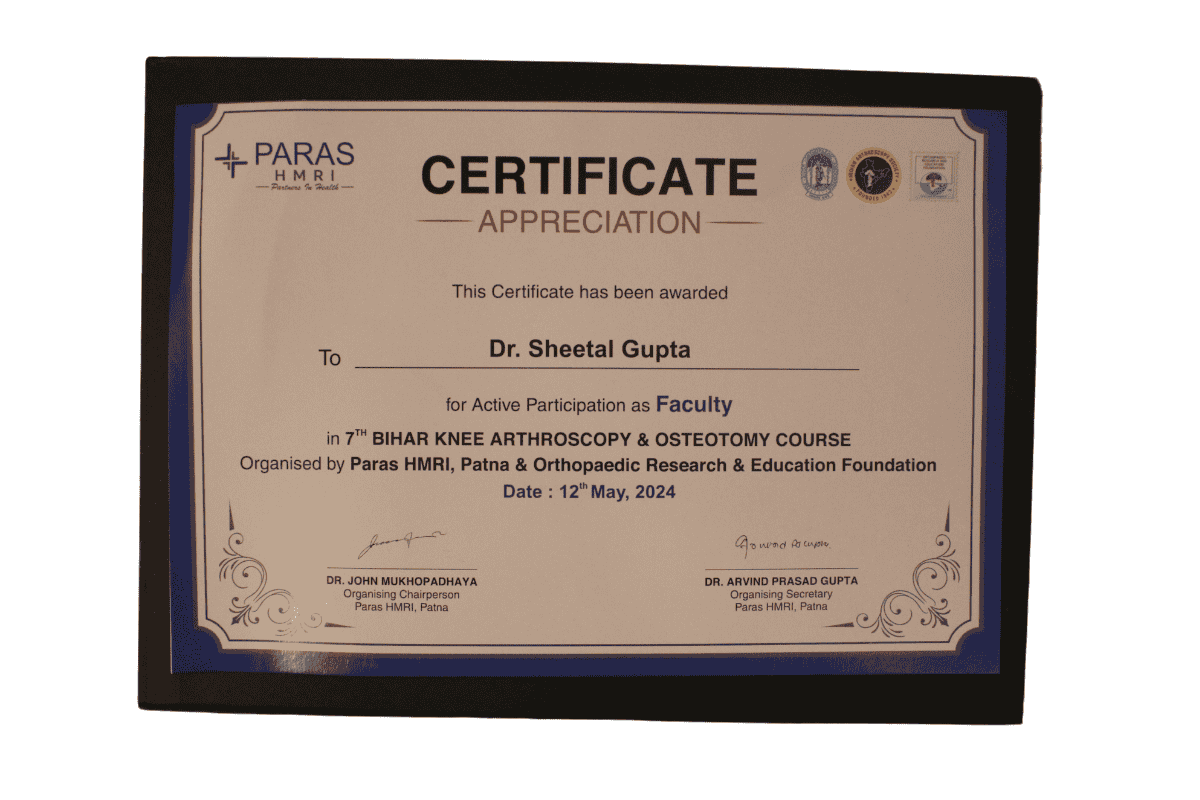
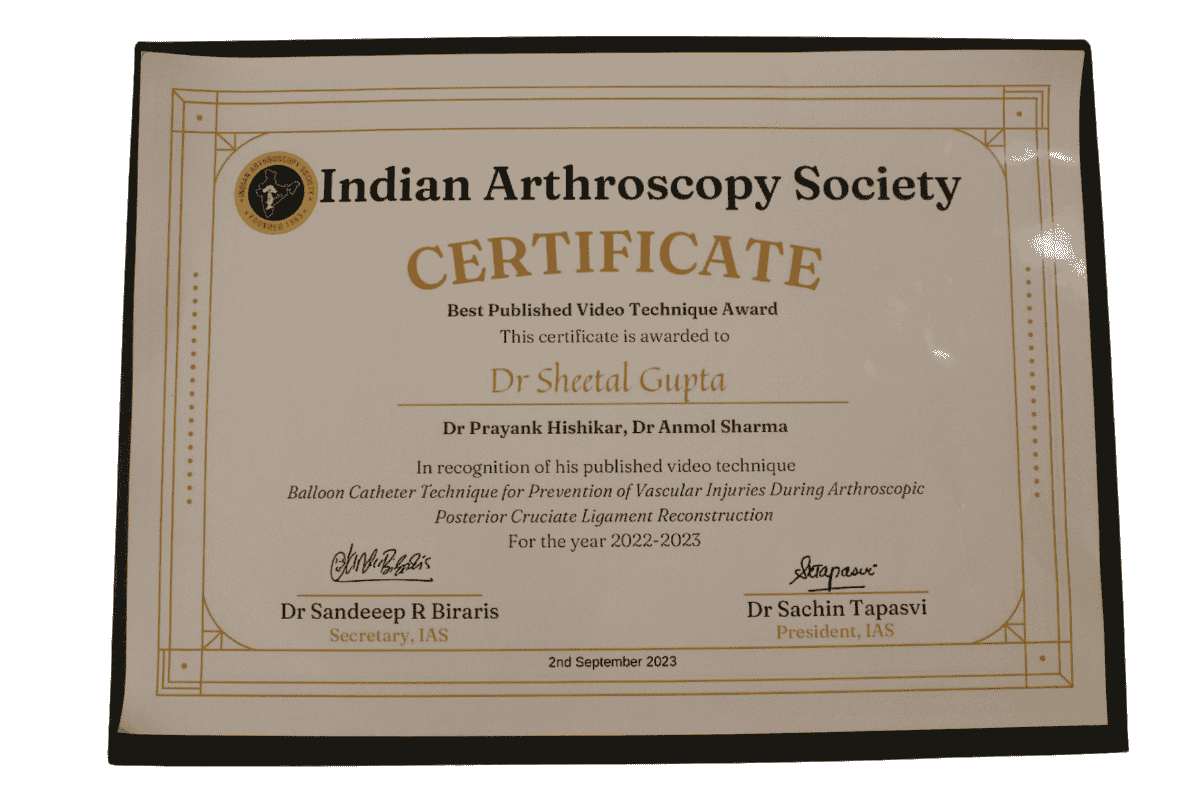
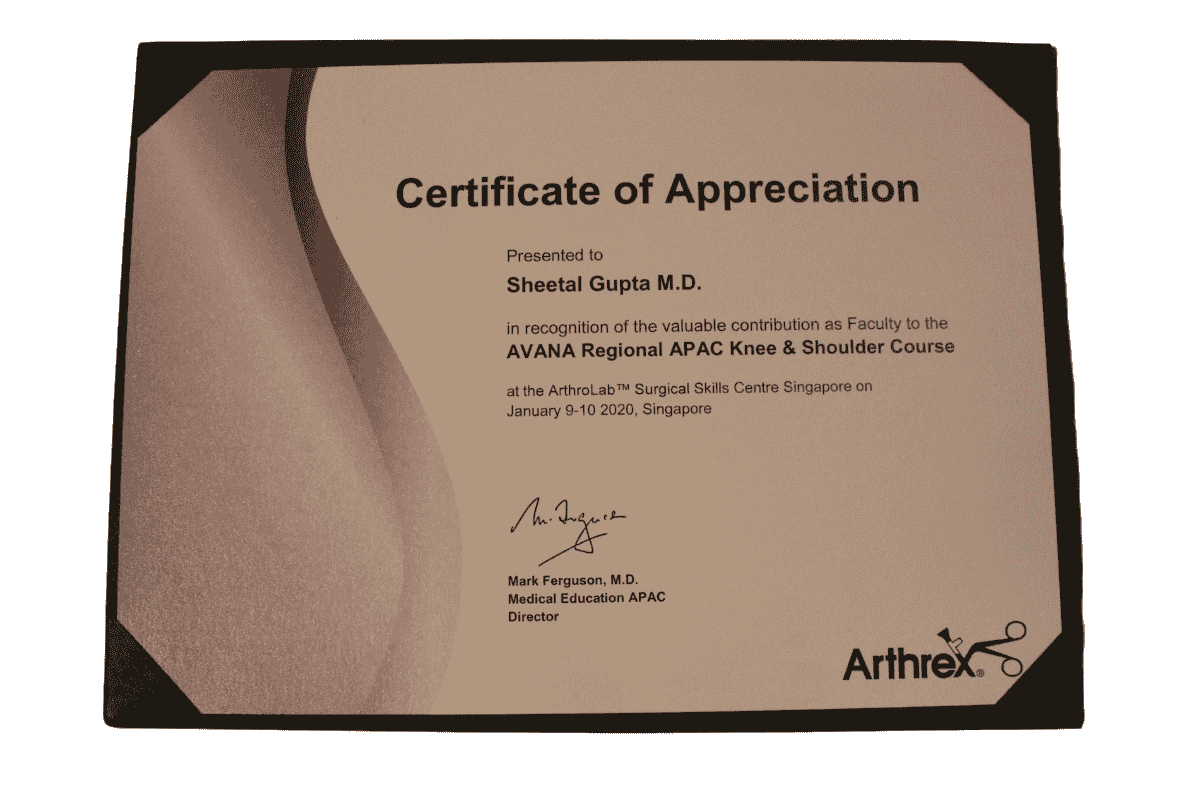
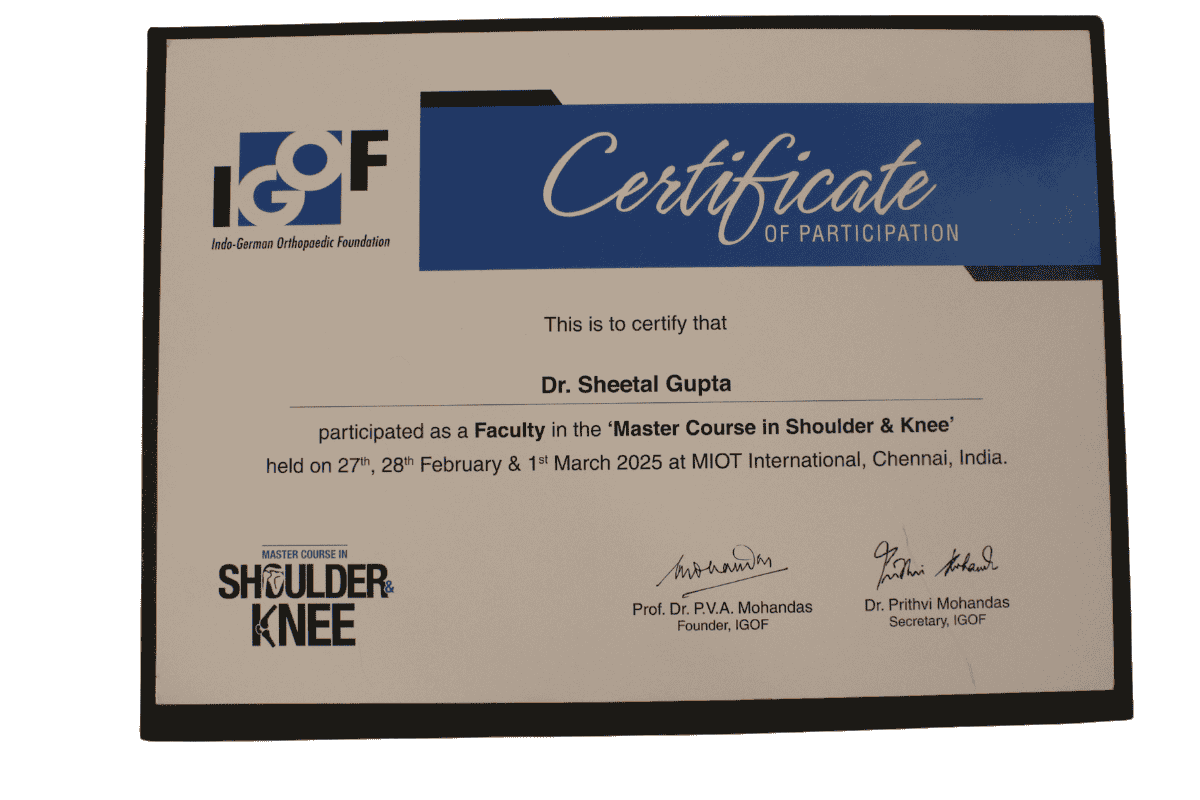
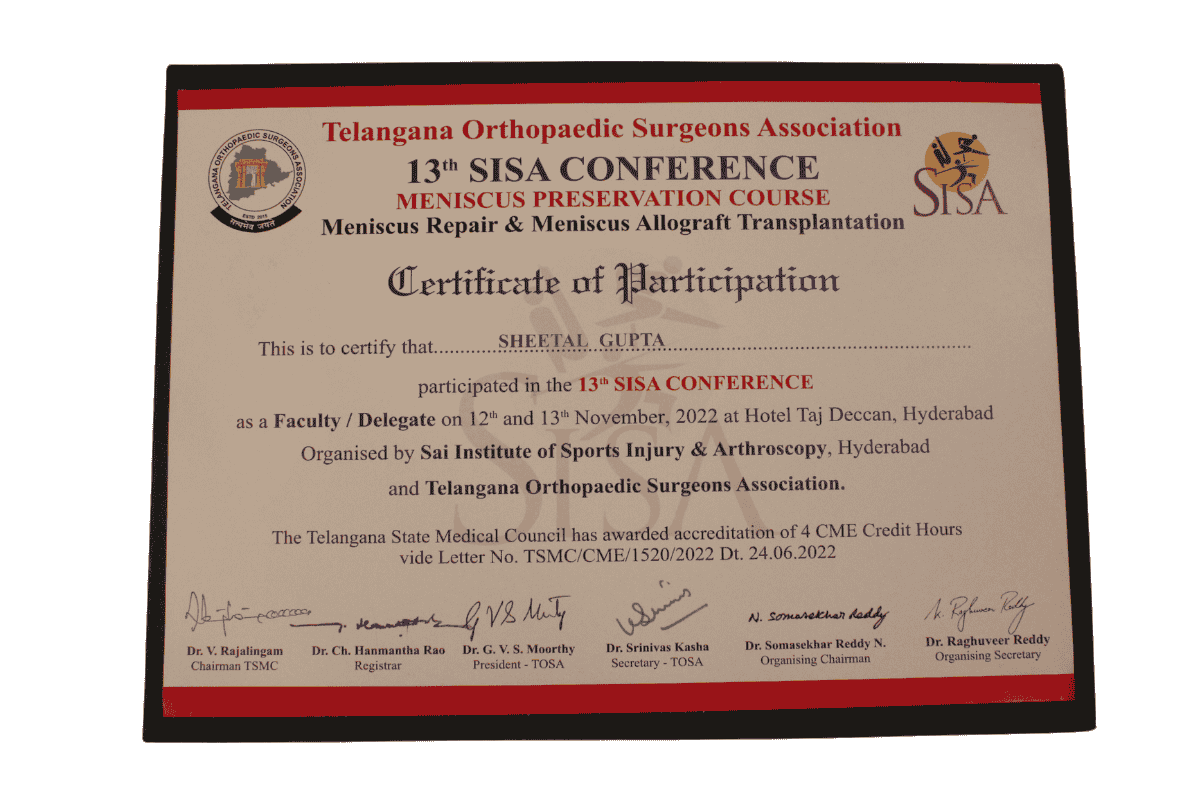
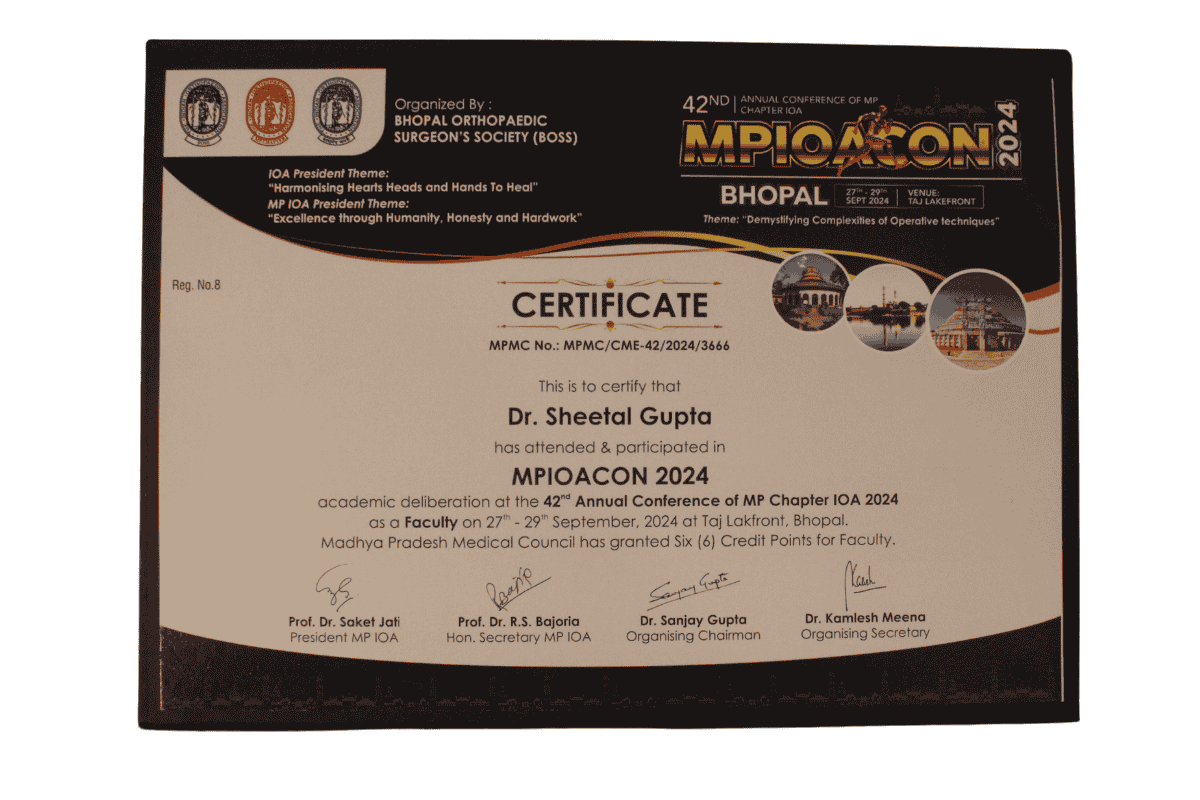
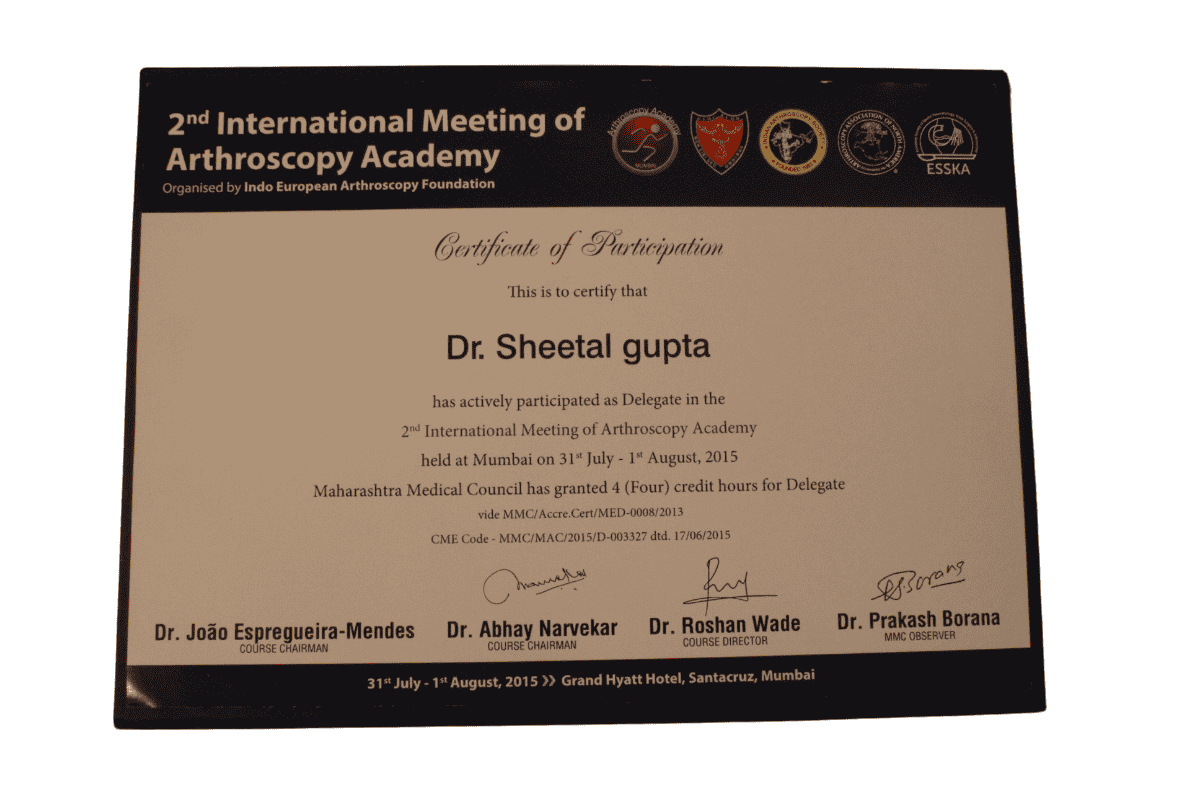
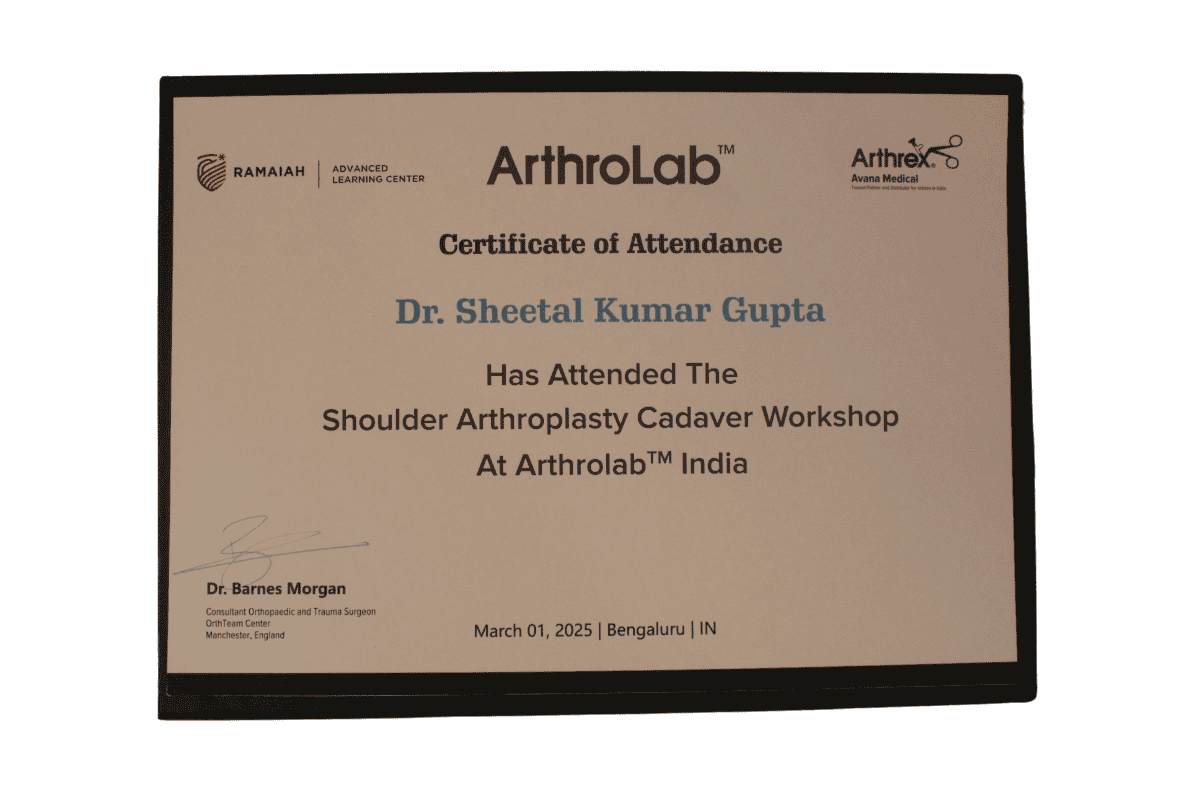
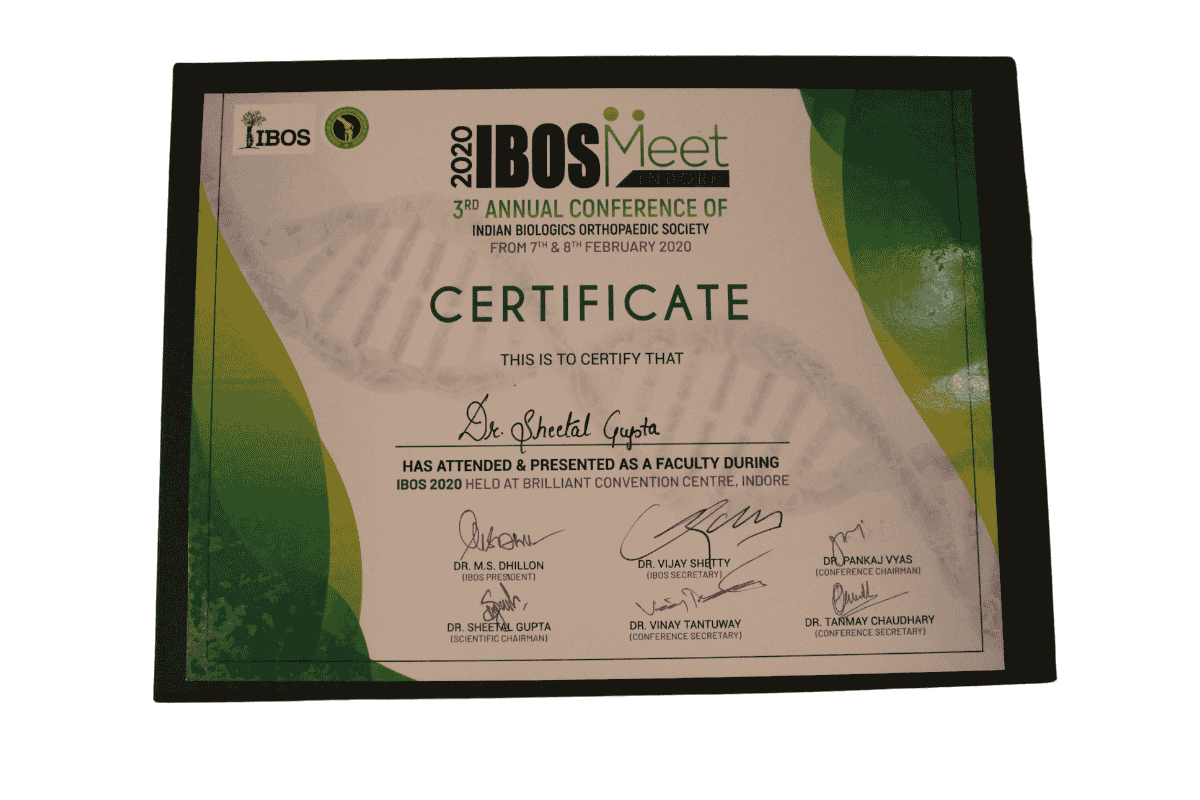
Publications


Author Bio
Dr. S.K. Gupta | MS Ortho. (Mumbai) | FAANA (USA) | FIAS (Japan) | FAPOA (Singapore)
Director — Arthroscopy & Joint Replacement, Apollo Sage Hospital, Bhopal
Dr. S.K. Gupta is a Senior Orthopaedic, Knee & Shoulder Surgeon with 21+ years of experience and 12,500+ surgeries performed. He holds an MS in Orthopaedics from LTMMC Medical College & Sion Hospital Mumbai and international fellowships from Japan, USA, Singapore, and Delhi. Widely known as the “Meniscus Man of India”, he is the first arthroscopy surgeon from India to receive the prestigious FAANA Fellowship and is recognized by the Abhinav Bindra Foundation Trust as a Centre of Excellence for Sports Surgeries. His surgical techniques are published in leading international journals.
Full Profile: https://drskguptaligamentsurgeonindia.com/about-dr/
Medical Disclaimer
The information on this page is intended for general educational purposes only and does not constitute medical advice. It does not replace a professional medical consultation, diagnosis, or treatment recommendation. Every patient’s condition is unique. Please consult Dr. SK Gupta or a qualified orthopaedic surgeon to determine the most appropriate treatment for your individual situation. Do not delay seeking professional medical advice based on information read on this website.
Why Choose Us for MCL Surgery
Why choose our "surgeon"?
- Our surgeon Dr S.K Gupta is a world renowned knee and shoulder surgeon with extensive experience of ACL and meniscus surgeries.
- He has over 21 years of focused work-experience in knee and shoulder arthroscopy and12500 + successful surgeries.
- He has experience of successful treatment of hundreds of International and national sports persons.
- His highest level of qualifications and mastery in his work, is the reason of making him first choice for ACL Meniscus treatment by patients from across the country.
Why Choose Us?
- We are dedicated Arthroscopy Centre with highest number of ACL and meniscus surgeries.
- This makes every member of the team in your service, highly competent and experienced for ACL and Meniscus surgery pre-op, intra-op, post-op and rehabilitation management.
- We are well known for affordable cost and cashless facility with combination of best surgeon, best equipments, best implants, and specially trained team for knee and shoulder surgery care.
Why does "surgeon's experience" matter?
- The successful result of surgery depends very much on the detailed and focused expertise of surgeon and his team.
- Experience and skills of your surgeon is the most important factor for successful result.
- You must research well about it, as the primary surgery is the most important chance.
Why choose our "operation theatre" and OT team?
- Hi-Tech modular operation theatres, high precision International equipments for arthroscopy, world class OT machinery specific for knee and shoulder surgery
- Protocol based and highly skilled OT team with focussed work in knee and shoulder arthroscopy plays a vital role in surgical success.
- All our operation theatres are well equipped with planum with HEPA filters. High efficiency HEPA filters can remove 99.97 to 99.99% of airborne particles including smallest bacteria to the size of 0.3 microns. This helps to safeguard our patient from infections.
- The hospital has well defined “infection control guidelines” to be followed by all team members. This helps in reducing the infection rate to less than 0.1%.
- “Triple Level checks” for sterility and disinfection of implants and OT support materials is strictly followed.
- “WHO surgical Safety protocol” for Sign-IN, Time-Out, Sign-Out is adhered to In 100% patients.
- “High pressure autoclave with Pre-Vac” and “ETO sterilization” procedures are used.
- Wheeling in, Wheeling out and anaesthesia safety protocols are strictly followed. One Way Traffic protocol is followed.
- Central Medical gases oxygen and nitrous supply And central suction systems are in place.
- Pressure Dampeners are active to maintain OR pressures. Humidity Checks are done to maintain evidence based recommended guidelines.
Why "post-op care" matters?
KPI (Key Performance Indicators) are being regularly caught, audited and analyzed. Team Galaxy takes utmost care and as a result the captured para are between 0 to 0.13%. This practice is one of the central reasons for our very high success rate.
Post Op care team is regularly following Care Bundles like-
- PVC insertion Care Bundle
- PVR Daily Care Bundle
- Catheter Insertion Care Bundle
- Catheter Daily Care Bundle
- SS care Bundle
- WHO Hand Hygiene Protocol
- Universal Precautions
Patient Safety Protocols being followed are like-
- “7 Level Check” for Side identification
- Pre-Operative Checklist
- BT prep and safety protocol
- Belongings and Material Handover Protocol
- Surgical Site Marking Protocol
- Patient Identification Protocol
- Admission and Discharge Protocol
- Checklist for shifting from OR to Recovery SICU
- Checklist for shifting from SICU to Ward
- The finest details of immediate post-op depends on the expertise of medical, nursing and rehabilitation team.
Why does our "rehabilitation team results" excel?
- The team follows “Surgical age-based assessments and reassessments” to formulate the customized care.
- Rehab is planned “One-O-One as per the milestones achieved” by the patient till visit date.
- Phases of Rehab are scientifically based on division into Macrocycle, Mesocycle and Microcycles of care, the Pre-Injury level of activity, the Surgical details of patient as per the surgeon; and “not one size fits all” method.
- The “5-Staged Plan of Care” of post op rehabilitation is followed for holistic recovery of patients –
- Protection & Activation
- Recovery of Range
- Strength Development
- Functional Integration Inclusion
- RTS If Sports Person
- Sports-Persons’ prolonged follow up to Return To Sports after RTS Testing is followed.
- Regular skill upgrade training of team is done as per new international guidelines.
- Our Physiotherapy team serves large number of ACL and meniscus surgery post operative patients, with close follow up, for return to normal and return to Sports.
- This huge experience in knee and shoulder surgery rehabilitation is the reason for their best results.
- Our successful results are the reason, why our old patients send other patients for similar results.
Contact Us


Happy to Serve Pt. From Various Cities
- Mumbai
- Chennai
- Lucknow
- Bengaluru
- Hyderabad
- Kolkata
- Surat
- Ahmedabad
- Pune
- Jalandhar
- Jaipur
- Jalgaon
- Solapur
- Chandigarh
- Nashik
- Goa
- Ranchi
- Madurai
- Kanpur
- Kochi
- Noida
- Coimbatore
- Jamshedpur
- Ludhiana
- Rajkot
- Amritsar
- Guwahati
- Dehradun
- Bhubaneswar
- Kota
- Agra
- Meerut
- Varanasi
- Aurangabad
- Jodhpur
- Vijaywada
- Raipur
- Sri Nagar
- Vadodara
- Cuttack
- Gwalior
- Nagpur
- Aligarh
- Bhopal
- Jabalpur
- Ujjain
- Udaipur
- Moradabad
- Chhindwara
- Patna
- Indore
- Shahdol
- Umaria
- Sagar
- Dewas
- Mandsaur
- Neemuch
- Ratlam
- Singrauli
- Prayagraj