

Frozen Shoulder Treatment Release for Refractory Cases | Dr. SK Gupta Bhopal
Our Work Experience
12500+ Successful
Surgeries
21+ Years
Of Experience
10000+ Sports
Persons Treated
25+ States Serve
from the Country
250 International
Stature Awards Ach.
98.33% Satisfaction
Happy Patient Index
Get An Expert Opinion

Dr. S. K. Gupta
Director, Arthroscopy & Joint Replacement, Apollo Sage Hospital, Bhopal, India
Arthroscopy & Sports Surgeon | Joint Replacement Specialist
Dr. S. K. Gupta is one of India’s most accomplished knee and shoulder arthroscopic surgeons, with over 21 years of orthopedic experience. He currently serves as Director, Arthroscopy & Joint Replacement at Apollo Sage Hospital, Bhopal.
Call for Phone Assistance
Google Reviews
EXCELLENT Based on 565 reviews
 Posted on Google
 Santosh ShrivasIn Apollo hospital...under guidance of Dr. SK Gupta sir I had completed my ACL reconstruction surgery under sir guidance.....with help of Dr Gupta expertise and skills I gone through a successful surgery. Dr. SK Gupta is a truly good and compassionate surgeon... talking about appolo hospital there the helpful nursing staff, cleanliness and comfort, management team, anesthesia team all provide me with the quick response...after surgery also the nursing staff provide me with the quick response and after surgery treatment... Talking about ACL surgery experience was overall good....the pre surgery process, surgery process, and physical therapy after surgery was also very effective As I experienced I would say For ligament and ACL reconstruction surgery D.R SK Gupta Sir was best and Apollo Hospital was bestPosted on Google
 Satyam KumarDr. S. K. Gupta performed ACL surgery on both of my mother’s knees, and we couldn’t be more grateful for his exceptional care and expertise. He explained the procedure clearly, ensured we were comfortable at every step, and followed up regularly during recovery. The surgeries went smoothly, and my mother is now recovering with great confidence. Dr. Gupta is not only highly skilled but also very compassionate and approachable. His team at the hospital was equally supportive and attentive. I would highly recommend Dr. S. K. Gupta for anyone looking for an experienced and caring orthopedic surgeon in Bhopal.Posted on Google
 Shivank Kashyap> I recently underwent surgery in Apollo SAGE hospital Bhopal and I’m very satisfied with the entire experience of Dr SK Gupta Sir team. The doctors and wtaff were professional, caring, and attentive throughout the process. The procedure went smoothly, and my recovery has been undergoing with SK Gupta Sir team. The doctors was very supportive during my undergoing recovery and visited multiple times a day to help with my issues and guide me with exercises. I’m thankful for his care and concern.Posted on Google
 Shubhanshu UsreteI would like to express my heartfelt gratitude to Dr. S.K. Gupta for the exceptional care and expertise he showed while treating my mother’s (Mrs. Indra Usrete) knee. She recently underwent surgery under his supervision, and we are truly thankful for how smoothly everything went — from pre-surgery counselling to post-operative recovery. Dr. Gupta’s professionalism, patience, and genuine concern for his patients made a huge difference in my mother’s confidence and comfort throughout the process. His ability to clearly explain every step of the treatment helped us feel reassured and informed at all times. I would highly recommend Dr. S.K. Gupta to anyone seeking an experienced, caring, and trustworthy orthopaedic specialist. P.S.- Above is my personal opinion, kindly take proper advise and guidance before treating your dear ones.Posted on Google
 YASH YEWALE
Trustindex verifies that the original source of the review is Google.
Dr. S.K. Gupta and team are doing good jobPosted on Google Dr. Mukesh Chandra BishtI had my knee surgery of acl and meniscus on 3rd October 2025 had a great experience. Dr Gupta is one of the best sports injuries specialist. The junior doctors and all the staff were very professional and everyone knew his/her role.Posted on Google
 Prashant ChaudharyIt's a privilege to having an International level doctor Dr S K Gupta sir (Knee & Shoulder Surgeon) in Central India, Bhopal. Else for the same surgery patients had to visit Mumbai, Delhi etc, now which saves time and money both. Thank you sir for successful ACL replacement of my wife.Posted on Google
 Pushpendra KushwahaDr. Well experienced and polite.. 2 din pahle main visit kiya tha x-ray quility had se jyada poor hai and x-ray staff all time mobile me lage rahte hai unka kam par bilkul dyan nhi rahta .. Jinki laparwahi ki wajah se report proper nhi ati hai aur digonosis sahi se nhi hua .. Ohi poor and galat report ki wajah se muje opass se surgery ka suggestion diya gya jab main second opinion liye other dr. Se to all good and fast recovery results aya..
Patient Success Stories
Our Experience in Numbers
Dr. S.K. Gupta is a renowned surgical orthopedic doctor practising in India.
1. What Is Frozen Shoulder (Adhesive Capsulitis)?
Quick Answer — What Is Frozen Shoulder?
Frozen shoulder, medically known as adhesive capsulitis, is a condition in which the shoulder joint capsule becomes inflamed and progressively scarred, leading to severe stiffness and pain. It restricts both active and passive range of motion in all directions. Without effective treatment, it can last two to four years.
Frozen shoulder affects approximately 2–5% of the global population and is more common in people aged 40–60 years, particularly women and individuals with diabetes, thyroid disorders, or prior shoulder injuries. The hallmark of the condition is a gradual loss of shoulder movement accompanied by significant pain.
In its typical presentation, frozen shoulder resolves spontaneously over 1–3 years with conservative management. However, a subset of patients — estimated at 15–20% — do not respond to standard treatments and develop what is clinically termed a ‘refractory’ case, requiring surgical intervention.
Key Facts: Frozen Shoulder
• Incidence: Affects 2–5% of the adult population
• Peak age: 40–60 years; more common in women
• Associated conditions: Diabetes, thyroid disorders, cardiovascular disease
• Natural history: Resolution may take 18 months to 4 years
• Refractory rate: ~15–20% of cases require surgical release
• Arthroscopic capsular release: Gold standard for refractory cases
2. What Are Refractory Cases of Frozen Shoulder?
Quick Answer — What Makes a Frozen Shoulder Case Refractory?
A frozen shoulder is considered refractory when it fails to improve after at least 3–6 months of structured conservative treatment — including physiotherapy, corticosteroid injections, and pain management. These cases involve dense capsular adhesions that cannot resolve without surgical intervention.
Refractory frozen shoulder is defined not merely by the duration of symptoms but by the failure of an adequate course of non-operative treatment to restore acceptable shoulder function. Key clinical criteria include:
- Persistent loss of external rotation, abduction, and internal rotation despite supervised physiotherapy for 3–6 months
- Inadequate response to one or more intra-articular corticosteroid injections
- Significant impact on quality of life, work capacity, and activities of daily living
- Radiological confirmation of a contracted capsule or synovial thickening (MRI or arthrogram)
- No significant improvement after manipulation under anaesthesia (MUA) in select patients
In clinical practice, patients with refractory frozen shoulder often present after a prolonged period of inadequate management — having cycled through multiple physiotherapy centres without a systematic treatment plan. Identifying refractory cases early and referring for specialist evaluation is essential to prevent permanent shoulder dysfunction.
3. Anatomy of Frozen Shoulder: How It Happens
Quick Answer — Anatomical Basis of Frozen Shoulder
Frozen shoulder develops when the glenohumeral joint capsule undergoes fibroblastic proliferation and excessive collagen deposition, reducing the normally spacious joint cavity to a contracted, stiff envelope. The axillary recess — the inferior fold of the capsule — is most consistently obliterated.
The glenohumeral (shoulder) joint is the most mobile joint in the human body, enclosed by a loose fibrous capsule reinforced by ligaments and the rotator cuff. In frozen shoulder, a cascade of pathological changes occurs:
- Synovitis: The synovial lining becomes inflamed, producing pain and early stiffness.
- Fibroplasia: Fibroblasts proliferate and deposit excessive type-I and type-III collagen.
- Capsular contracture: The joint capsule shrinks from a normal volume of ~28 mL to as little as 5–10 mL.
- Adhesion formation: Dense fibrous bands form between the capsule and humeral head, restricting gliding.
- Axillary recess obliteration: The inferior capsular fold — critical for arm elevation — is obliterated, causing the most functionally significant restriction.
In refractory cases, these changes are more advanced and involve not only the capsule but also the rotator interval (the space between the supraspinatus and subscapularis tendons), making conservative treatment insufficient.
4. Stages of Frozen Shoulder
Stage | Duration | Characteristics | Conservative Response |
Stage 1: Pre-freezing | 0–3 months | Aching pain, early stiffness, pain at night | Good |
Stage 2: Freezing | 3–9 months | Increasing pain and stiffness, all movements restricted | Partial |
Stage 3: Frozen | 9–15 months | Severe stiffness, pain may reduce slightly | Poor in refractory |
Stage 4: Thawing | 15–36 months | Gradual spontaneous recovery, stiffness persists | Variable |
Refractory | Beyond 6 months | No meaningful improvement despite treatment | Requires surgery |
5. Why Some Cases Become Refractory
Quick Answer — Causes of Refractory Frozen Shoulder
Refractory frozen shoulder develops due to dense capsular fibrosis, underlying systemic conditions such as diabetes or thyroid disease, inadequate early treatment, secondary causes like rotator cuff tears or post-surgical adhesions, or an inherent fibrotic tendency in certain individuals.
Several factors predispose patients to a refractory course:
Patient-Related Factors
- Diabetes mellitus (type 1 and type 2) — strongly associated with refractory frozen shoulder; up to 3–5 times greater risk
- Thyroid disorders (hypothyroidism and hyperthyroidism)
- Dupuytren’s contracture — shared fibroblastic diathesis
- Cardiovascular disease and Parkinson’s disease
- Delayed presentation and inadequate early mobilisation
Surgical / Structural Factors
- Post-operative stiffness after rotator cuff repair, shoulder stabilisation or cardiac surgery
- Concomitant rotator cuff pathology — tears can coexist with adhesive capsulitis
- Post-traumatic stiffness following proximal humerus fractures or dislocations
- Secondary frozen shoulder following prolonged immobilisation
Treatment-Related Factors
- Inadequate physiotherapy technique (aggressive stretching in the freezing phase can worsen fibrosis)
- Missed diagnosis or delayed referral to a shoulder specialist
Inappropriate use of corticosteroid injections without guided rehabilitation
6. Diagnosis of Refractory Frozen Shoulder
Quick Answer — How Is Refractory Frozen Shoulder Diagnosed?
Diagnosis is clinical, confirmed by loss of both active and passive range of motion in multiple planes, supported by MRI arthrography showing capsular thickening and reduced joint volume. Ultrasound may show coracohumeral ligament thickening. A detailed history of failed conservative treatment is essential.
Clinical Assessment
- Loss of passive external rotation below 50% of the opposite side is the most consistent clinical sign
- Restricted abduction (typically <90°) and internal rotation
- Painful arc on attempted elevation
- Assessment of the opposite shoulder for comparison
- Neurological screening to exclude cervical radiculopathy
Imaging Investigations
Investigation | Finding in Refractory Frozen Shoulder |
Plain X-ray (shoulder AP/Lateral/Axillary) | Usually normal; excludes glenohumeral arthritis, calcific tendinitis, fractures |
MRI Arthrography | Gold standard — demonstrates capsular thickening >4 mm, reduced joint volume, obliterated axillary recess, rotator interval fibrosis |
Ultrasound | Shows coracohumeral ligament thickening (>3 mm), synovial hypertrophy, increased vascularity |
Diagnostic Arthroscopy | Definitive — allows direct visualisation of synovitis, adhesions, and capsular contracture; often performed simultaneously with surgical release |
7. Non-Surgical Treatments That May Have Already Been Tried
Before considering arthroscopic release, patients with refractory frozen shoulder will typically have undergone the following treatments — often without adequate benefit:
Treatment | Role & Limitation in Refractory Cases |
Physiotherapy (stretching, TENS, ultrasound, heat) | Effective in early stages; limited benefit once dense fibrosis has set in |
NSAIDs and oral analgesics | Symptomatic relief only; no effect on capsular fibrosis |
Intra-articular corticosteroid injections | Benefit typically lasts 6–8 weeks; repeated injections have diminishing returns and tendon risk |
Hydrodilatation (distension arthrography) | Expands joint capsule by fluid injection; limited evidence in refractory cases |
Manipulation Under Anaesthesia (MUA) | Risks capsular tear, fracture, neurovascular injury; increasingly replaced by arthroscopic release |
Oral corticosteroids | Short-term benefit; not appropriate for long-term use, especially in diabetics |
When these modalities have been adequately tried and failed, arthroscopic capsular release is indicated. Dr. SK Gupta at Apollo Sage Hospital, Bhopal, evaluates each patient individually to determine the precise timing and extent of surgical intervention required.
8. Arthroscopic Frozen Shoulder Release: The Definitive Procedure
Quick Answer — What Is Arthroscopic Frozen Shoulder Release?
Arthroscopic frozen shoulder release is a minimally invasive surgical procedure in which a camera and small instruments are inserted into the shoulder joint to precisely divide the contracted capsule and release scar tissue. It is the gold-standard surgical treatment for refractory adhesive capsulitis, offering rapid restoration of range of motion with minimal recovery time.
Why Arthroscopic Release over Open Surgery?
Arthroscopic Release | Open Surgical Release |
Minimally invasive (2–3 small portals) | Large incision required |
Direct visualisation of all capsular compartments | Limited visibility of posterior and inferior capsule |
Preservation of rotator cuff and deltoid | Risk of muscle disruption |
Same-day surgery / short admission | Longer hospital stay |
Faster recovery and rehabilitation | Prolonged rehabilitation |
Lower infection and complication risk | Higher wound complication risk |
Allows simultaneous treatment of coexisting pathology | Limited scope to address rotator interval or subacromial pathology |
Extent of Capsular Release
A comprehensive arthroscopic release for refractory frozen shoulder typically includes:
- Anterior capsular release: Division of the coracohumeral ligament and anterior capsule between the 12 o’clock and 6 o’clock positions
- Rotator interval release: Release of the interval capsule between supraspinatus and subscapularis tendons
- Posterior capsular release: Division of the posterior capsule under direct vision
- Inferior capsular release: Release of the axillary recess — the most critical component for restoring abduction and elevation
- Synovectomy: Removal of inflamed synovial tissue to reduce recurrence risk
- Subacromial decompression: Performed if concomitant subacromial impingement is present
The extent of release is tailored to each patient. A 360-degree (complete) capsular release is performed for the most severe refractory cases.
9. The Surgical Process at Apollo Sage Hospital, Bhopal
Pre-Operative Evaluation
- Comprehensive clinical assessment and review of all prior treatment records
- Optimisation of systemic conditions (blood glucose control in diabetic patients, thyroid function)
- Baseline range of motion documentation for outcome tracking
- Pre-operative MRI arthrography and X-rays reviewed
- Anaesthesia fitness assessment (general anaesthesia +/- interscalene nerve block for post-operative pain control)
Intra-Operative Steps
- Patient positioned in beach-chair position under general anaesthesia.
- Sterile preparation and draping; interscalene nerve block administered for post-operative analgesia.
- Arthroscope introduced through the posterior portal into the glenohumeral joint.
- Diagnostic arthroscopy performed — assessment of synovitis, adhesions, capsular contracture, and rotator cuff integrity.
- A working portal (anterior or anterosuperior) established under direct vision.
- Radiofrequency device or arthroscopic scissors used to systematically release the anterior capsule, rotator interval, posterior capsule, and inferior capsule.
- Synovectomy performed as required.
- Subacromial space assessed and decompressed if indicated.
- Range of motion tested under anaesthesia — confirmation of restoration of full passive range.
- Portals closed; dressing applied.
Post-Operative Care at Apollo Sage Hospital
- Procedure typically completed as day care or 23-hour admission
- Arm sling for comfort only — not for immobilisation
- Nerve block provides analgesia for 12–18 hours post-surgery
- Physiotherapy commenced within 24 hours of surgery
- Pain management with oral analgesics and anti-inflammatories
- Patient education on home exercises before discharge
10. Risks and Complications
Quick Answer — What Are the Risks of Frozen Shoulder Release?
Arthroscopic frozen shoulder release is a safe procedure with a low complication rate in experienced hands. Reported risks include transient nerve injury, infection, incomplete release, recurrence of stiffness, and haemarthrosis. Serious neurovascular injury is rare when surgery is performed by a trained shoulder arthroscopist.
Complication | Reported Incidence / Notes |
Recurrence of stiffness | ~5–10%; higher in diabetics without strict glucose control |
Transient neurapraxia (axillary/musculocutaneous nerve) | Rare (<2%); usually resolves within weeks |
Superficial infection | <1%; managed with antibiotics |
Haemarthrosis (bleeding into joint) | Rare; typically self-limiting |
Incomplete release / inadequate improvement | Risk reduced by comprehensive 360° release technique |
Shoulder instability | Very rare; avoided by preserving the subscapularis tendon |
Anaesthetic complications | Standard surgical risk; assessed pre-operatively |
Dr. SK Gupta’s extensive experience with shoulder arthroscopy — more than 12,500 surgeries over 21 years — significantly reduces the risk of surgical complications. Each procedure is performed with high-definition arthroscopic equipment and radiofrequency technology at Apollo Sage Hospital, Bhopal.
11. Recovery and Rehabilitation After Arthroscopic Release
Quick Answer — What Is the Recovery Like After Frozen Shoulder Release?
Recovery after arthroscopic frozen shoulder release is significantly faster than after manipulation under anaesthesia or open surgery. Most patients regain 80–90% of shoulder range of motion within 6–8 weeks. Full functional recovery typically occurs by 3–4 months. Dedicated physiotherapy beginning within 24 hours of surgery is essential.
Time Frame | Expected Recovery Milestones |
Day 1–3 post-op | Physiotherapy commenced; gentle pendulum exercises; pain well-controlled |
Week 1–2 | Active-assisted range of motion exercises; sling discontinued for most activities |
Week 3–6 | Progressive stretching and strengthening; goal — 150° forward elevation |
Week 6–12 | Return to driving, light desk work; active use of arm in daily activities |
Month 3–4 | Full range of motion in most patients; return to overhead activities and sport |
Month 6 (Diabetics) | Diabetic patients may require longer rehabilitation; blood glucose optimisation critical |
12. Why Choose Dr. SK Gupta for Refractory Frozen Shoulder?
Dr. SK Gupta — Credentials & Expertise
- MS Orthopaedics (Mumbai) — Senior Orthopaedic, Knee & Shoulder Surgeon
- 21+ years of clinical experience | 12,500+ surgeries performed
- First arthroscopy surgeon from India to receive the prestigious FAANA Fellowship
- International Fellowships — Japan, Singapore, and Delhi
- Recognized by Abhinav Bindra Foundation Trust as a Centre of Excellence for Sports Surgeries
- Director, Arthroscopy & Joint Replacement, Apollo Sage Hospital Bhopal
- Known nationally as the ‘Meniscus Man of India’ — evidence of exceptional minimally invasive skill
Apollo Sage Hospital, Bhopal — Facility Advantages
- State-of-the-art arthroscopic theatre with high-definition 4K imaging
- Advanced radiofrequency ablation and shaver systems for precise capsular release
- Dedicated shoulder rehabilitation programme with certified physiotherapists
- On-site endocrinology support for diabetic patient optimisation
- Day-care arthroscopy facility for selected patients
- NABH-accredited facility ensuring highest standards of patient safety and care
What Sets This Practice Apart
Differentiator | Clinical Significance |
FAANA Fellowship (first Indian arthroscopist) | Advanced training in complex shoulder and knee arthroscopy techniques |
12,500+ surgeries | High-volume practice ensures consistent outcomes in complex cases |
International Fellowship training | Exposure to global best practices in shoulder arthroscopy |
Integrated multidisciplinary care | Endocrinology, anaesthesia, and physiotherapy collaboration for complex patients |
Centre of Excellence recognition | Validated by a nationally renowned sports science organisation |
Subspecialty shoulder focus | Dedicated expertise in refractory and complex shoulder conditions |
The Role of Physiotherapy
Physiotherapy is the most critical determinant of outcome after arthroscopic release. Commencing rehabilitation within 24 hours of surgery — while the nerve block is still partially active — prevents re-adhesion and maximises the surgical gain. The Apollo Sage Hospital, Bhopal physiotherapy team works in close coordination with Dr. SK Gupta to ensure:
- Daily supervised physiotherapy sessions in the acute post-operative period
- Structured home exercise programme with progressive milestones
- Pain monitoring and analgesic optimisation to enable effective rehabilitation
- Assessment of diabetic patients for glucose control in coordination with the medical team
Frozen Shoulder Pain Relief Operation
Frozen shoulder, also known as adhesive capsulitis, is a condition characterized by stiffness, pain, and limited range of motion in the shoulder joint. Relief often involves a combination of physical therapy, pain management techniques, and, in severe cases, surgical intervention.
Frozen shoulder, medically known as adhesive capsulitis, is a condition that causes stiffness, pain, and a significant reduction in the range of motion in the shoulder joint. This condition typically develops gradually and progresses through three stages: the freezing stage, the frozen stage, and the thawing stage. While the condition may improve on its own over time, some individuals experience severe pain and prolonged immobility that interfere with daily activities and quality of life.
For those suffering from persistent frozen shoulder symptoms that do not respond to conservative treatments such as physical therapy, medication, or corticosteroid injections, surgical intervention may become necessary. The goal of surgery for frozen shoulder is to reduce pain and restore the full range of motion in the shoulder joint.
The most common surgical option is arthroscopic capsular release, a minimally invasive procedure performed under anesthesia. During the surgery, the tight and inflamed portions of the joint capsule are carefully released or removed, allowing the shoulder joint to move freely. This procedure is highly effective in providing relief and enabling patients to regain shoulder function.
Post-operative recovery typically involves a structured rehabilitation program, which includes physical therapy to strengthen the muscles, improve mobility, and prevent the joint from stiffening again. Patients who undergo surgery for frozen shoulder often experience significant improvements in their pain levels and overall shoulder function, enabling them to return to their normal activities within a few months.
Frozen shoulder surgery offers hope for individuals whose lives are disrupted by the pain and immobility caused by this condition. With the right care and a commitment to rehabilitation, patients can achieve long-term relief and restore their shoulder’s functionality.
Why Consult Dr. S.K. Gupta for Frozen Shoulder Pain Relief Operation
Dr. Sheetal Kumar Gupta is an arthroscopy and sports injury specialist heading the arthroscopy and joint reconstruction unit at apollo sage and galaxy hospital, Bhopal. He has been a consultant for sports medicine, Sports Authority of India & State Sports Academy and is serving National level teams of various disciplines like Hockey, Judo, Kabbadi, Water Sports, Wushu Taikwando etc.
He has done his fellowship in Arthroscopy and Sports medicine from Japan and was trained at various international surgical centres. With an experience of more than 21 years, he has performed over 12500 knee and shoulder surgeries including complex ligament surgeries and surgeries of around more than 8000 National/International level players of various disciplines. He is National and International level faculty for various seminars, conferences and workshops.
Notable Achievements:
- Trained at Japan, Germany, UK, Singapore, Malaysia and Thailand.
- Visiting sports medicine specialist Sports Authority of India (SAI).
- Ex Sports injury specialist to Indian senior Women National Hockey team.
- Ex-Dope control officer, National Anti-doping Agency (NADA).
- National faculty for advance knee and shoulder arthroscopy workshop and conferences.
- Performed more than 8000 arthroscopies independently including knee and shoulder arthroscopies.
- Successfully operated over 3000 players who are back in sports and have won national and international medals after their surgeries.
- Successfully treated more than 10000 sports players of various disciplines.
- Internationally trained and more than 21 years of experience.
- Has treated National and International level players of Hockey like Sardar Singh, Shivendra, Sandeep Singh, Dilip Tirkey, Sameer Dad ; Olympic champion Ankit Sharma, Commonwealth Karate champion Supriya Jatav, world champions of Judo like Sanathoi, Kalpana Devi, Navjot to name a few and boxing legends like M.C. Mary Kom & Sarita devi.
📞 Call / WhatsApp: +91-7610101079 | +91-7611111179
📅 Book Online: https://apollosage.in/doctors/dr-s-k-gupta
📍 Apollo Sage Hospital, Bhopal: https://share.google/SXEd0xJbNkufOGGXc
📍 Orthocity Clinic, Arera Colony, Bhopal: https://share.google/QfMSO7rDjztjpYLI2
📧 Send your MRI / X-ray report online for an expert second opinion.
Types Of Treatments Offered By SKG Ortho Unit.
Dr. S.K. Gupta specializes in problems of shoulder, hip and knee. These are the following types of treatments that the doctor provides.
Sports Injury Treatment
HIP Surgery
13. Frequently Asked Questions (FAQs)
Q1. How do I know if my frozen shoulder needs surgery?
If your frozen shoulder has not improved significantly after 3–6 months of structured physiotherapy, corticosteroid injections, and other non-surgical treatments, it may be classified as refractory. A specialist evaluation with Dr. SK Gupta in Bhopal, including an MRI arthrogram, will determine whether arthroscopic capsular release is appropriate for your case.
Q2. Is arthroscopic frozen shoulder release painful?
The procedure is performed under general anaesthesia, so you will not feel pain during surgery. An interscalene nerve block is typically used to manage post-operative pain for 12–18 hours. Most patients report manageable discomfort in the first few days, well-controlled with prescribed oral analgesics.
Q3. How long will it take to recover from arthroscopic release?
Most patients recover 80–90% of shoulder function within 6–8 weeks. Full recovery, including return to overhead activities, typically occurs within 3–4 months. Patients with diabetes may experience a slightly longer recovery course and require careful rehabilitation planning.
Q4. Can frozen shoulder recur after surgery?
Recurrence is uncommon after comprehensive arthroscopic release, occurring in approximately 5–10% of patients. Risk is higher in diabetics with poorly controlled blood sugar. Adherence to post-operative physiotherapy and blood glucose optimisation are the most important preventive measures.
Q5. What happens if frozen shoulder is left untreated in a refractory case?
Untreated refractory frozen shoulder can result in permanent partial loss of shoulder range of motion, chronic pain, and functional disability. While some degree of spontaneous recovery may occur, outcomes are significantly worse than in patients who receive timely surgical intervention.
Q6. Is arthroscopic release better than manipulation under anaesthesia (MUA)?
Current evidence consistently favours arthroscopic release over MUA for refractory frozen shoulder. Arthroscopic release allows precise, complete capsular division under direct vision, avoids the fracture and nerve injury risks of MUA, and enables simultaneous treatment of co-existing pathology such as subacromial impingement or rotator cuff tears.
Q7. Can I have this surgery if I have diabetes?
Yes. Diabetes does not contraindicate arthroscopic frozen shoulder release. However, meticulous pre-operative blood glucose optimisation is essential to reduce infection risk and improve healing. Dr. SK Gupta's team at Apollo Sage Hospital, Bhopal, works in conjunction with endocrinologists to ensure all diabetic patients are appropriately prepared for surgery.
Q8. How is refractory frozen shoulder different from a rotator cuff tear?
Frozen shoulder causes loss of both active and passive shoulder range of motion, while a rotator cuff tear typically reduces active but preserves passive movement. Both conditions can coexist, and MRI or diagnostic arthroscopy is used to distinguish them. Dr. SK Gupta will assess for co-existing rotator cuff pathology during the arthroscopic procedure.
Q9. When can I return to work after surgery?
Patients with desk-based jobs typically return to work within 2–3 weeks. Those with physically demanding roles — including overhead work, lifting, or manual labour — require 6–12 weeks before full return. Dr. SK Gupta provides individualised guidance on return-to-work timelines based on each patient's occupation.
Q10. Will I need physiotherapy after surgery?
Yes — post-operative physiotherapy is essential and commences within 24 hours of the procedure. The physiotherapy programme at Apollo Sage Hospital, Bhopal, is structured to maximise the surgical benefit. Patients who are fully committed to their rehabilitation programme consistently achieve the best outcomes.
Q11. Does Dr. SK Gupta use any special techniques for refractory cases?
Dr. SK Gupta performs a comprehensive 360-degree arthroscopic capsular release tailored to each patient's anatomy and degree of contracture. His FAANA fellowship training and extensive experience in arthroscopy enable him to safely release even the most difficult posterior and inferior capsular adhesions that standard releases may miss.
Q12. What anaesthesia is used for this surgery?
Arthroscopic frozen shoulder release is performed under general anaesthesia combined with an interscalene brachial plexus nerve block. The nerve block significantly reduces post-operative pain and allows earlier initiation of physiotherapy. The procedure is typically completed within 45–90 minutes.
Q13. Can this surgery be done as a day procedure?
For suitable patients, arthroscopic frozen shoulder release can be performed as a day-care procedure at Apollo Sage Hospital, Bhopal, with discharge on the same day. Patients with significant systemic conditions may be observed overnight. This will be discussed during your pre-operative consultation.
Q14. How many such surgeries has Dr. SK Gupta performed?
Dr. SK Gupta has performed over 12,500 orthopaedic procedures over his 21-year career, with a significant proportion being complex shoulder arthroscopy cases. He is one of the most experienced shoulder arthroscopy surgeons in central India, and his fellowship training makes him uniquely equipped for refractory frozen shoulder cases.
Q15. What should I bring to my consultation with Dr. SK Gupta in Bhopal?
Please bring all previous MRI and X-ray films or digital reports, a record of all treatments received (physiotherapy reports, injection records, medications), a list of current medications, and any previous consultation letters. This enables Dr. SK Gupta to undertake a comprehensive evaluation and make the most informed recommendation for your shoulder condition.
What Happens When You Have Frozen Shoulder?
Frozen shoulder, also known as adhesive capsulitis, is a condition where the shoulder joint becomes stiff and painful, severely restricting its movement. This typically occurs in three phases: freezing, frozen, and thawing. The symptoms include: ( vid new- How would I know that I have developed Frozen Shoulder?)
- Pain: Initially, you may feel a dull or aching pain, which worsens with movement.
- Stiffness: Gradually, the shoulder becomes stiffer, making it harder to move your arm.
- Restricted Range of Motion: As the condition progresses, you may find it difficult to perform everyday tasks such as reaching overhead or behind your back.
- Pain at Night: Pain may intensify at night, causing disturbed sleep.
Frozen shoulder can develop without a clear cause, but it is commonly associated with injury, overuse, or underlying health conditions like diabetes or thyroid disorders.
What Is Frozen Shoulder Release Surgery?
Frozen shoulder release surgery, also known as shoulder arthrolysis or manipulation under anesthesia (MUA), is performed when non-surgical treatments fail to improve shoulder mobility and pain. The goal of the surgery is to release the tight, thickened capsule around the shoulder joint to allow for a wider range of movement. There are two main types of surgeries: ( vid new- Surgeries for frozen shoulder?)
1. Arthroscopic Shoulder Release
In this minimally invasive procedure, the surgeon uses small incisions and a camera (arthroscope) to guide them in cutting or removing the stiffened capsule and other inflamed tissues surrounding the joint.
2. Manipulation Under Anesthesia (MUA)
This involves the surgeon manipulating the shoulder while the patient is under general anesthesia. The goal is to break up the adhesions (scar tissue) that have formed inside the joint, which causes the stiffness.
Does Frozen Shoulder Require Surgery?
Not all cases of frozen shoulder require surgery. Most people experience gradual improvement over time with physical therapy, medication, and other conservative treatments. Surgery is typically recommended for those who:
- Have severe pain that does not improve with medication.
- Have a significant restriction in the range of motion.
- Are unable to function normally due to shoulder stiffness.
Surgical intervention may also be necessary if the condition persists for more than a year without improvement through non-invasive treatments.
What Are the Symptoms of Frozen Shoulder?
The symptoms of frozen shoulder develop gradually and may worsen over time. They are categorized into three stages:
1. Freezing Stage
This is the initial phase, where the shoulder begins to hurt more, especially at night. The pain progressively limits the shoulder’s range of motion.
2. Frozen Stage
The pain might decrease but the shoulder becomes very stiff. The range of motion is severely restricted, and you may find it difficult to perform routine activities.
3. Thawing Stage
This is the recovery phase, where the shoulder gradually begins to regain its range of motion. This process can take several months.
Additional symptoms include:
- Difficulty reaching overhead or behind the back.
- Pain when moving the shoulder, especially with overhead motions.
- Tenderness around the shoulder joint.
Does Frozen Shoulder Surgery Lead to Total Shoulder Replacement?
Frozen shoulder surgery typically does not lead directly to the need for total shoulder replacement. However, in rare cases, if the joint is severely damaged or the patient has underlying arthritis, shoulder replacement may be considered in the long term. After the shoulder release surgery, most patients regain significant function, but if arthritis or degenerative changes are present, a replacement may eventually be needed.
Treatment Procedure for Frozen Shoulder Release Surgery
The treatment for frozen shoulder depends on its severity and the patient’s condition. Here are the main treatment options:
1. Home Remedies and Conservative Treatment
Initial treatment for frozen shoulder typically involves:
- Rest: Reducing movement can help minimize irritation and inflammation.
- Heat/Cold Therapy: Applying a hot compress or cold pack to the shoulder may reduce pain and swelling.
- Over-the-counter Medications: Anti-inflammatory drugs like ibuprofen can help alleviate pain and reduce swelling.
- Physical Therapy: A physiotherapist will guide the patient through gentle stretches and exercises to improve shoulder mobility and relieve stiffness.
2. Corticosteroid Injections
In some cases, corticosteroid injections may be used to reduce inflammation and relieve pain. These injections provide temporary relief and help with physical therapy exercises.
3. Frozen Shoulder Release Surgery
If conservative methods fail, surgery may be recommended. The treatment for frozen shoulder release surgery involves:
- Arthroscopy: The surgeon inserts a small camera and surgical instruments through tiny incisions to release the scar tissue and adhesions within the shoulder joint.
- Manipulation Under Anesthesia: If arthroscopy is not sufficient, MUA may be performed to break up adhesions and release the joint.
Preparation for Frozen Shoulder Treatment
Before undergoing surgery for frozen shoulder, the doctor will perform several evaluations, which may include:
- Physical Examination: To assess the range of motion, pain levels, and shoulder function.
- X-rays: To rule out any underlying conditions such as arthritis or fractures.
- MRI or Ultrasound: To better understand the extent of damage to the shoulder joint and soft tissues.
Preparatory Steps Before Surgery
- Discuss Treatment Options: Review all available treatment options with your doctor and address any questions or concerns.
- Fasting Before Surgery: You may be instructed to refrain from eating or drinking after midnight before the surgery.
- Medication Disclosure: Inform your doctor about any medications, supplements, or health conditions, as some medications, like blood thinners, may need to be stopped prior to surgery.
- Stop Smoking and Alcohol: Avoid smoking and alcohol consumption for several days before surgery to promote healing.
- Physical Therapy: Some patients may need pre-operative physical therapy to improve shoulder strength and mobility.
Post-Operative Protocol for Frozen Shoulder Release Surgery
Recovery after frozen shoulder surgery requires careful management and rehabilitation. Patients are typically discharged the same day or after a short hospital stay. Here’s what to expect:
Immediate Post-Op Care:
- Rest: Adequate rest is crucial for healing and to avoid stressing the shoulder joint.
- Pain Management: Painkillers prescribed by the doctor can help manage post-surgical pain.
- Ice Packs: Apply ice to reduce swelling and pain.
- Arm Sling: You may be required to wear a sling for a few days after surgery to immobilize the shoulder.
Physical Therapy:
- Early Movement: Gentle movements and stretching exercises are encouraged to prevent stiffness and aid recovery.
- Strengthening Exercises: A physical therapist will guide you through exercises to improve muscle strength and joint function.
- Return to Activities: Most patients can resume light activities within a few weeks, but strenuous physical activities or heavy lifting should be avoided for at least 3-6 months.
Follow-Up Appointments:
- Regular follow-ups will be necessary to monitor your progress and ensure proper healing.
Risks and Complications of Frozen Shoulder Surgery
Although frozen shoulder release surgery is generally safe, it carries some risks and potential complications:
- Infection: As with any surgery, there is a risk of infection at the incision site.
- Stiffness: Some patients may experience residual stiffness even after surgery.
- Nerve Injury: Rarely, nerves may be damaged during the procedure.
- Blood Clots: There is a risk of blood clots, particularly after surgery.
- Recurrent Adhesions: In some cases, the adhesions may return, leading to a recurrence of frozen shoulder.
Frozen Shoulder Release Surgery Cost in India
The cost of frozen shoulder release surgery in India varies widely depending on several factors, including the city, the hospital, and the surgeon’s expertise. On average, the cost ranges between INR 50,000 and INR 3,00,000. Factors that affect the cost include:
- Type of Surgery: Arthroscopic surgery is generally more affordable than open procedures or manipulation under anesthesia.
- Hospital Choice: Multispecialty private hospitals tend to charge higher fees than government or smaller private hospitals.
- Surgeon’s Expertise: Experienced surgeons with specialized training may charge higher consultation and surgical fees.
- Geographical Location: Larger cities like Delhi, Mumbai, and Bangalore generally have higher treatment costs compared to smaller towns.
- Insurance Coverage: Insurance may cover part of the surgery, reducing out-of-pocket costs.
Qualities of a Top Shoulder Surgeon
When choosing a shoulder surgeon, look for the following qualities:
- Board Certification and Specialization: The surgeon should be certified in orthopedic surgery with specialization in shoulder treatments.
- Experience: A highly experienced surgeon will have a better track record with complex cases.
- Reputable Hospital: Choose a surgeon affiliated with a hospital known for quality care and successful outcomes.
- Patient Care: The surgeon should be compassionate, listen to your concerns, and provide clear, understandable explanations about the treatment plan.
- Up-to-date Skills: A top surgeon stays informed about the latest technologies and surgical techniques for treating frozen shoulder.
How to Choose the Best Shoulder Surgeon
Here are some tips to help you choose the best shoulder surgeon for your treatment:
- Seek Referrals: Ask friends, family, and primary care doctors for recommendations.
- Check Reviews: Online patient reviews and testimonials can provide insight into the surgeon’s skill and bedside manner.
- Verify Credentials: Ensure the surgeon has proper certifications and a clean professional record.
- Consultation: Schedule a consultation to discuss your case and gauge your comfort with the surgeon’s approach.
- Insurance: Check if the surgeon accepts your insurance to minimize out-of-pocket expenses.
14. Patient Experience
Note on Patient Experiences
Patients who have undergone arthroscopic frozen shoulder release under Dr. SK Gupta’s care at Apollo Sage Hospital, Bhopal, consistently report a marked improvement in shoulder range of motion within weeks of surgery — an outcome that had eluded them despite months of conservative treatment.
Common observations from patients who have been managed here include: the value of receiving a clear explanation of why their shoulder had become refractory, the comfort of being treated by a surgeon with extensive arthroscopic experience, and the structured post-operative physiotherapy programme that provided a clear pathway to recovery.
Patients travelling to Bhopal from other parts of Madhya Pradesh, and from neighbouring states, have noted the accessibility of Apollo Sage Hospital, the coordination of the multidisciplinary team, and the availability of Dr. SK Gupta for follow-up and queries.
Disclaimer: The above reflects general reputation-based observations and does not constitute specific individual testimonials or guarantees of outcome.
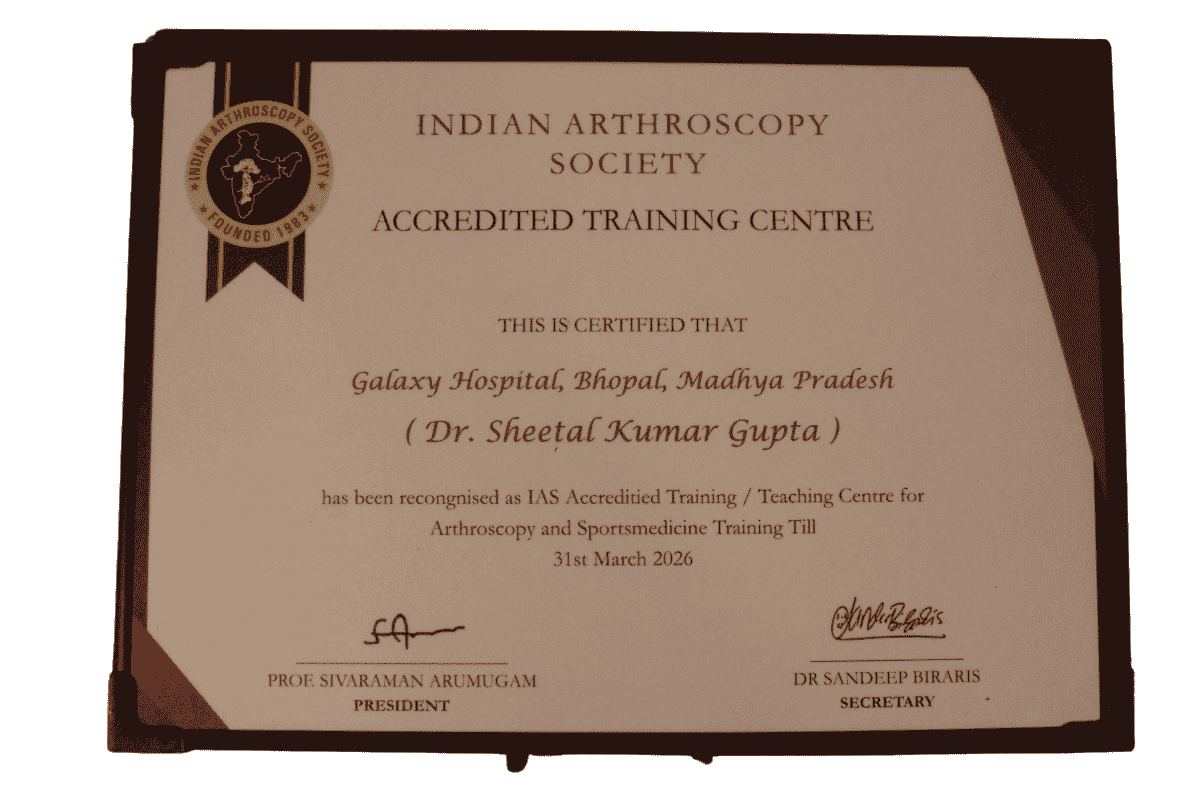
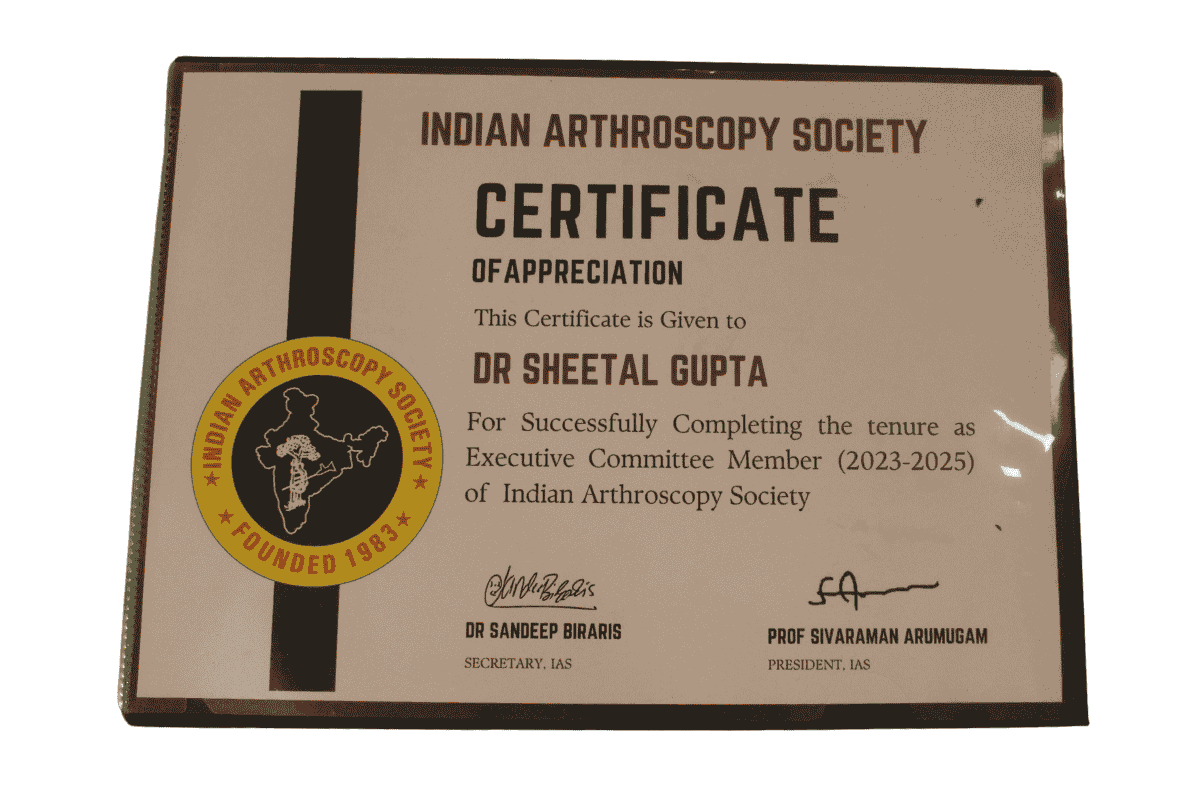
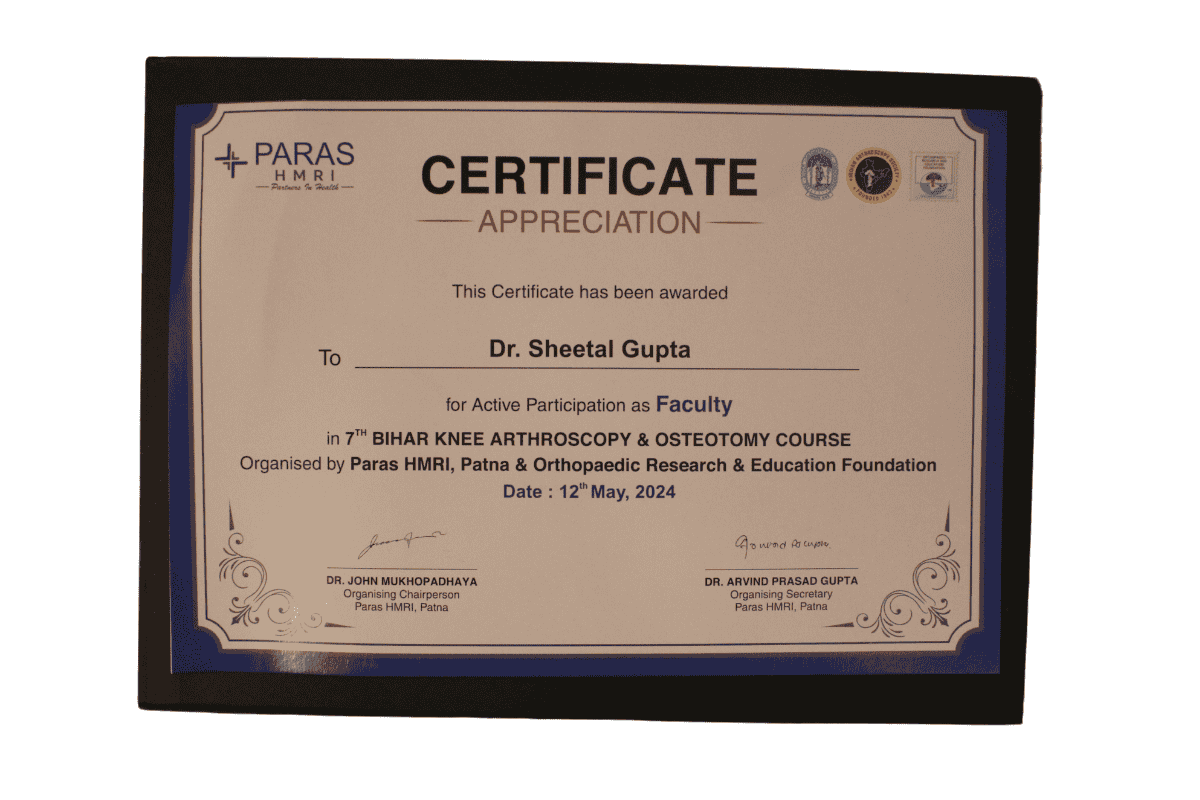
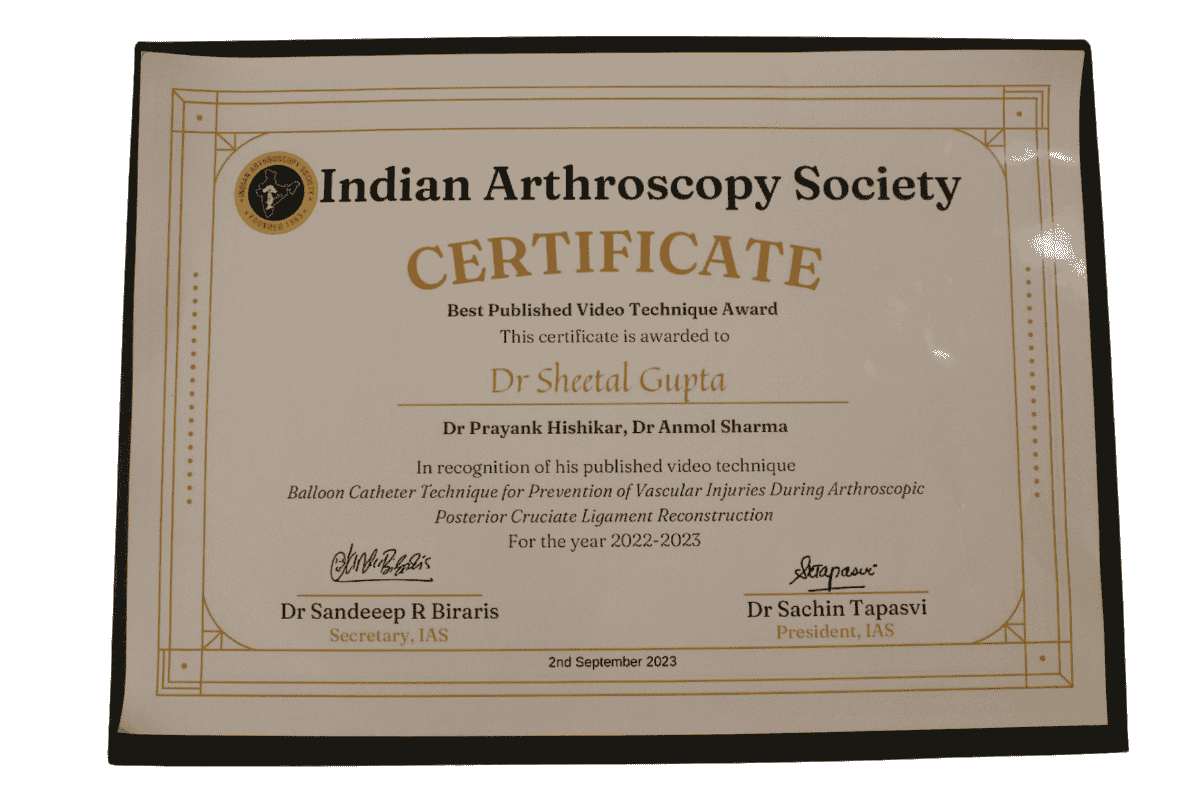
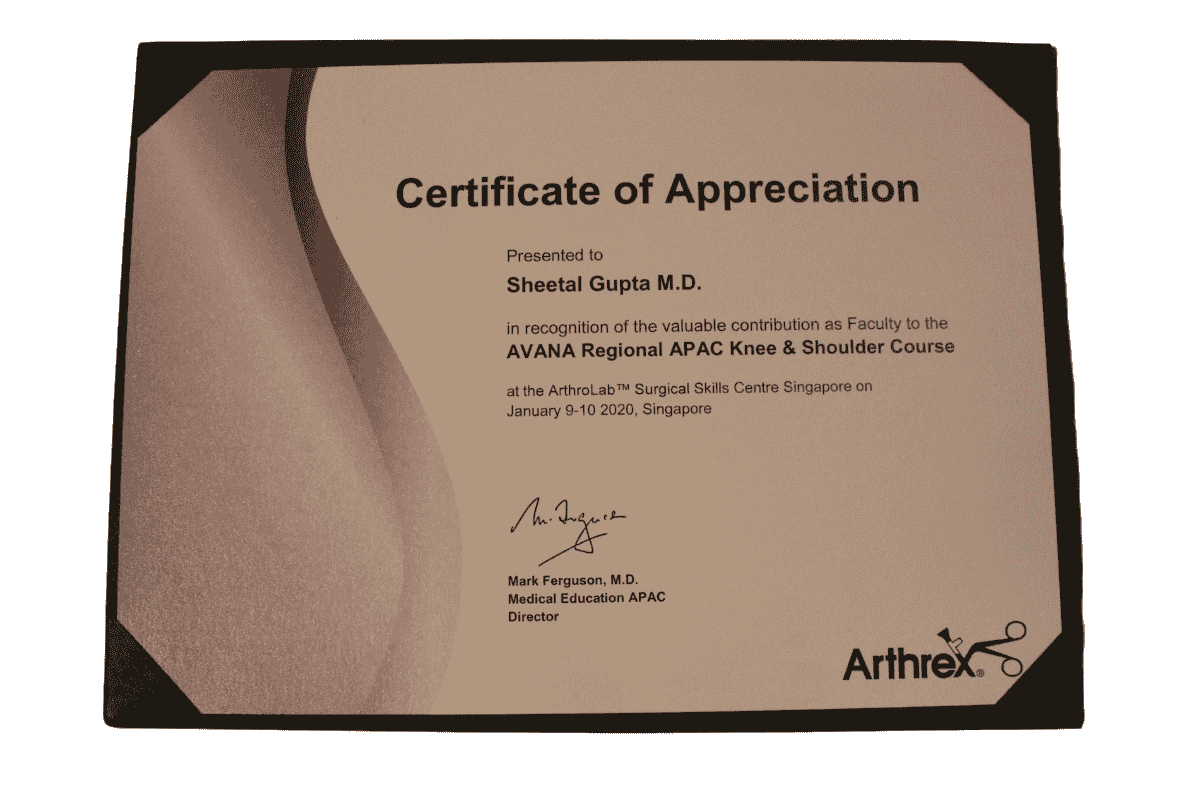
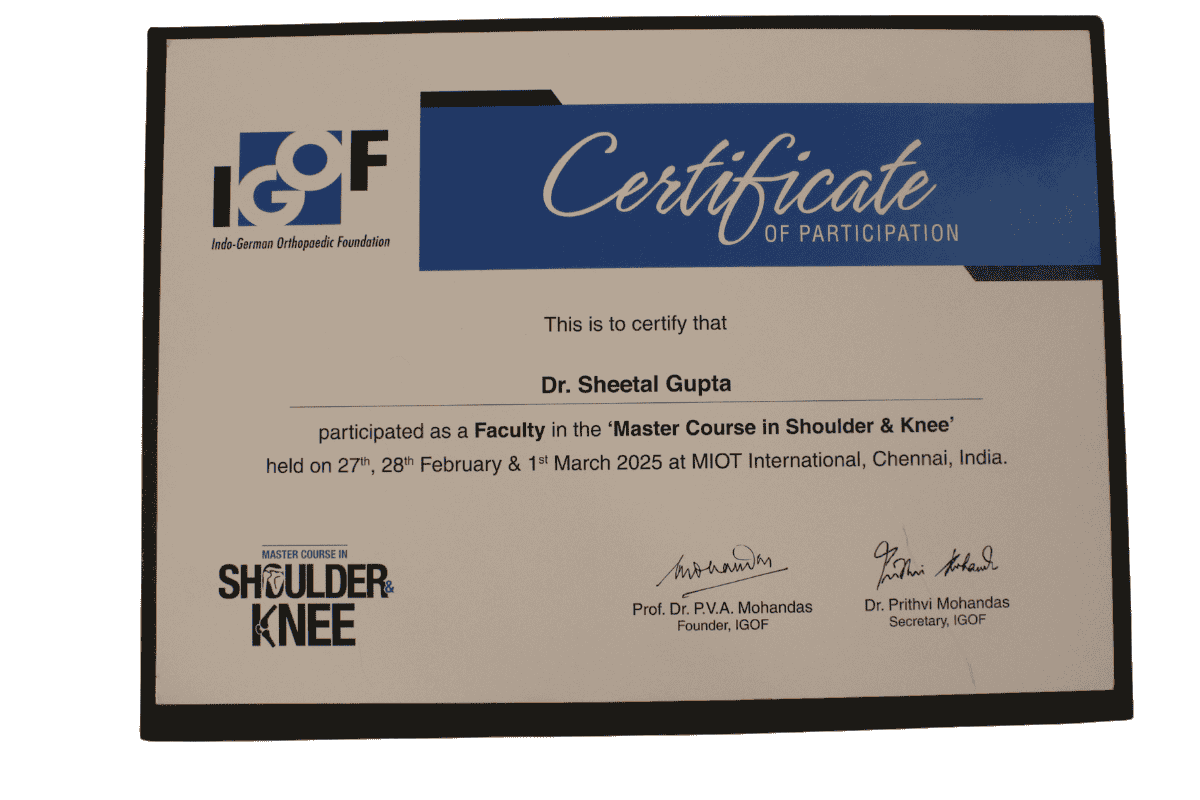
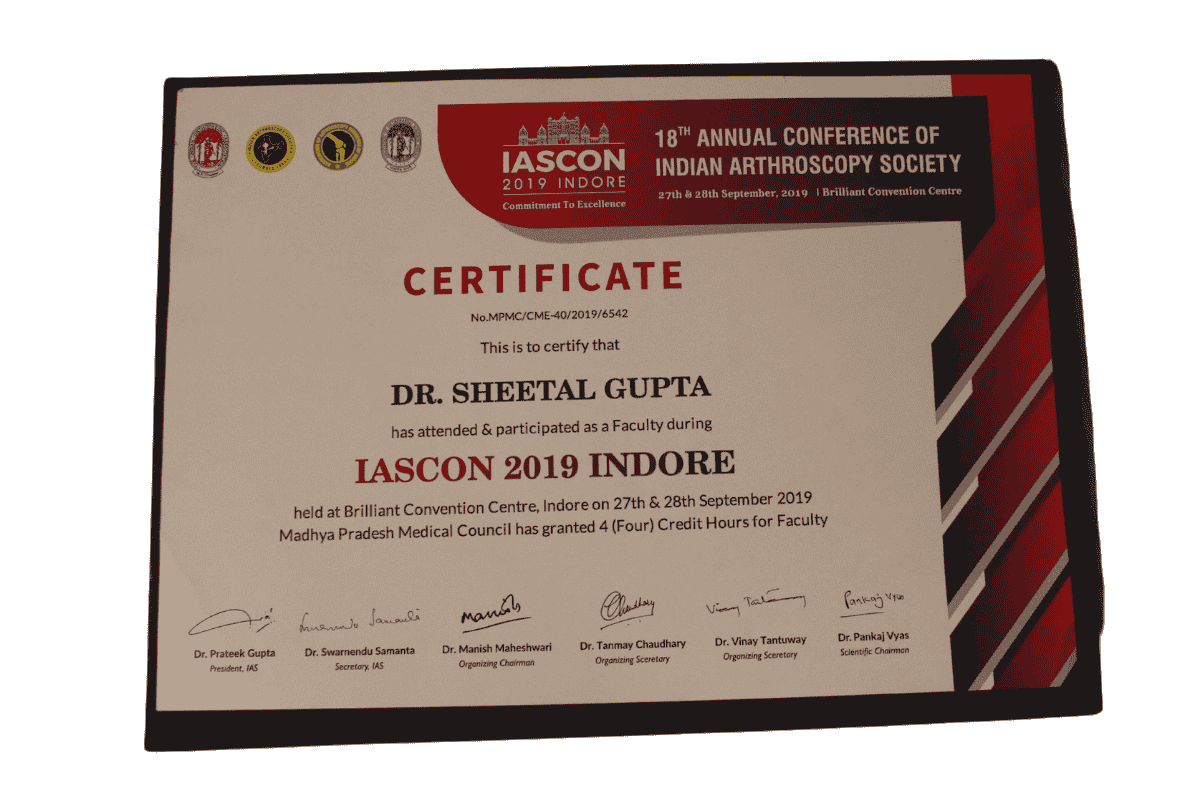
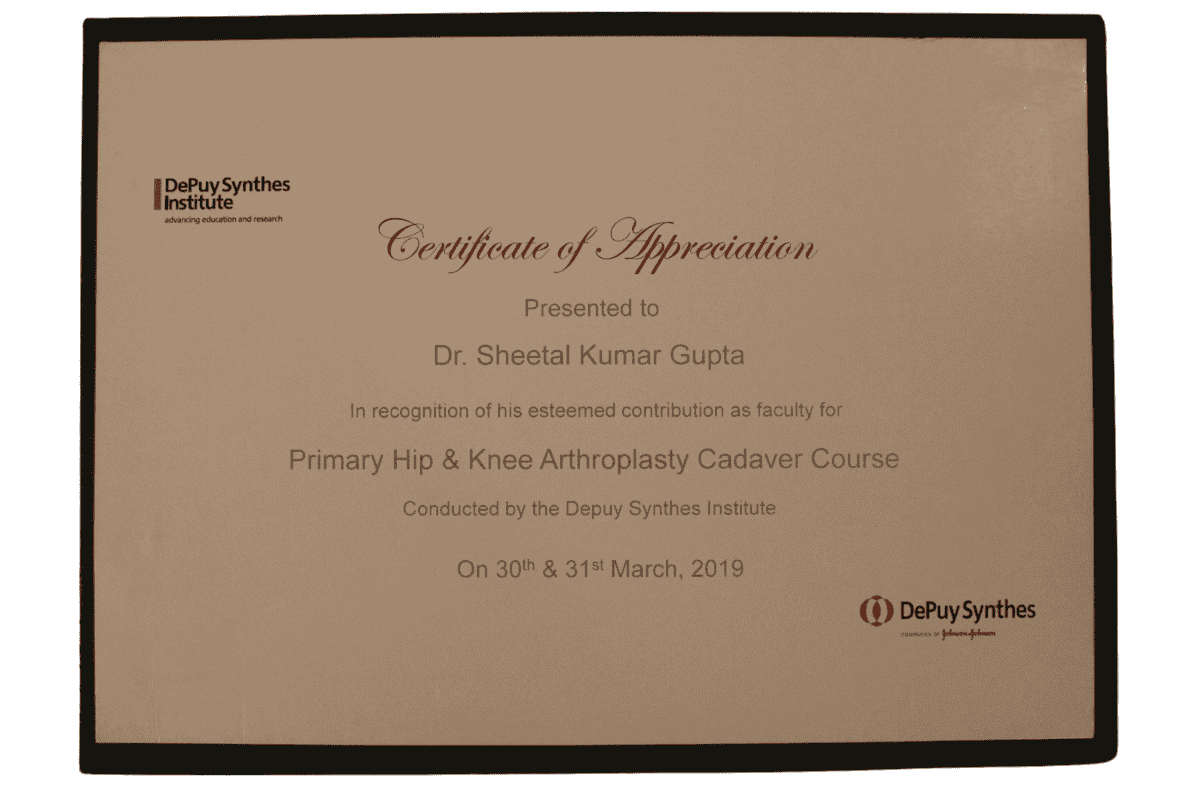
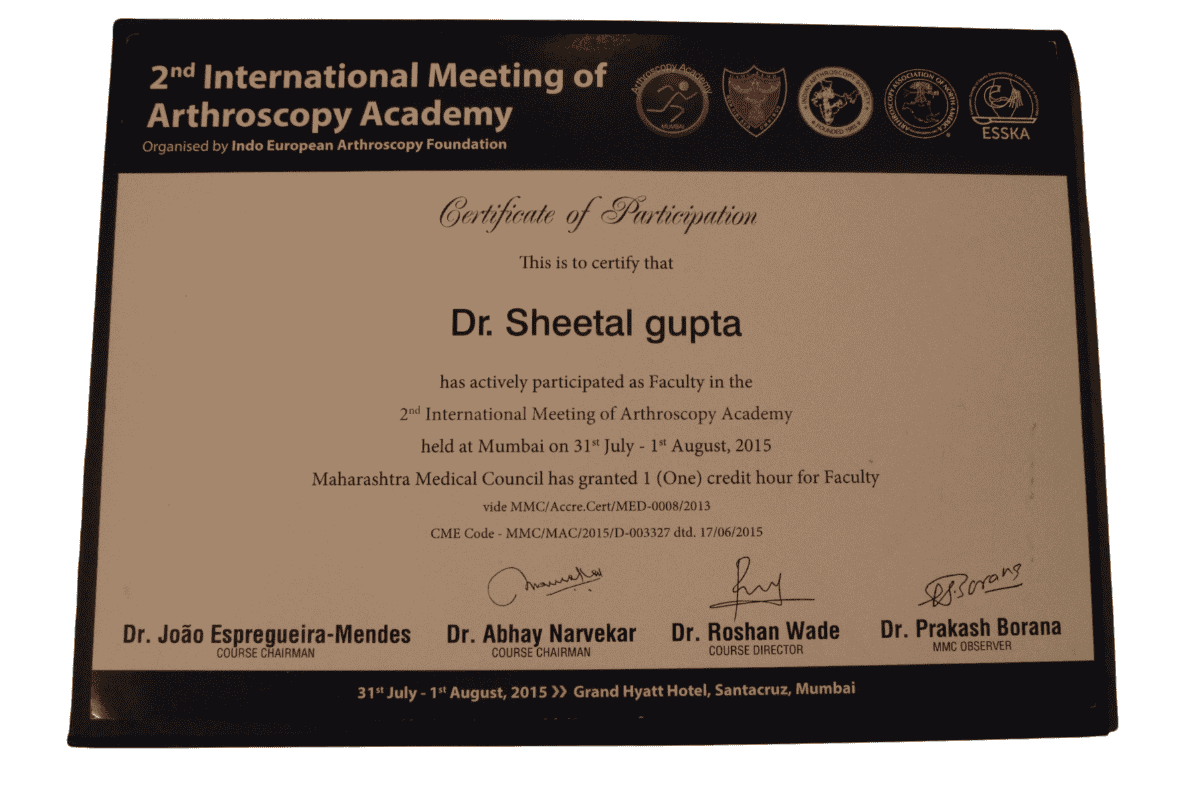
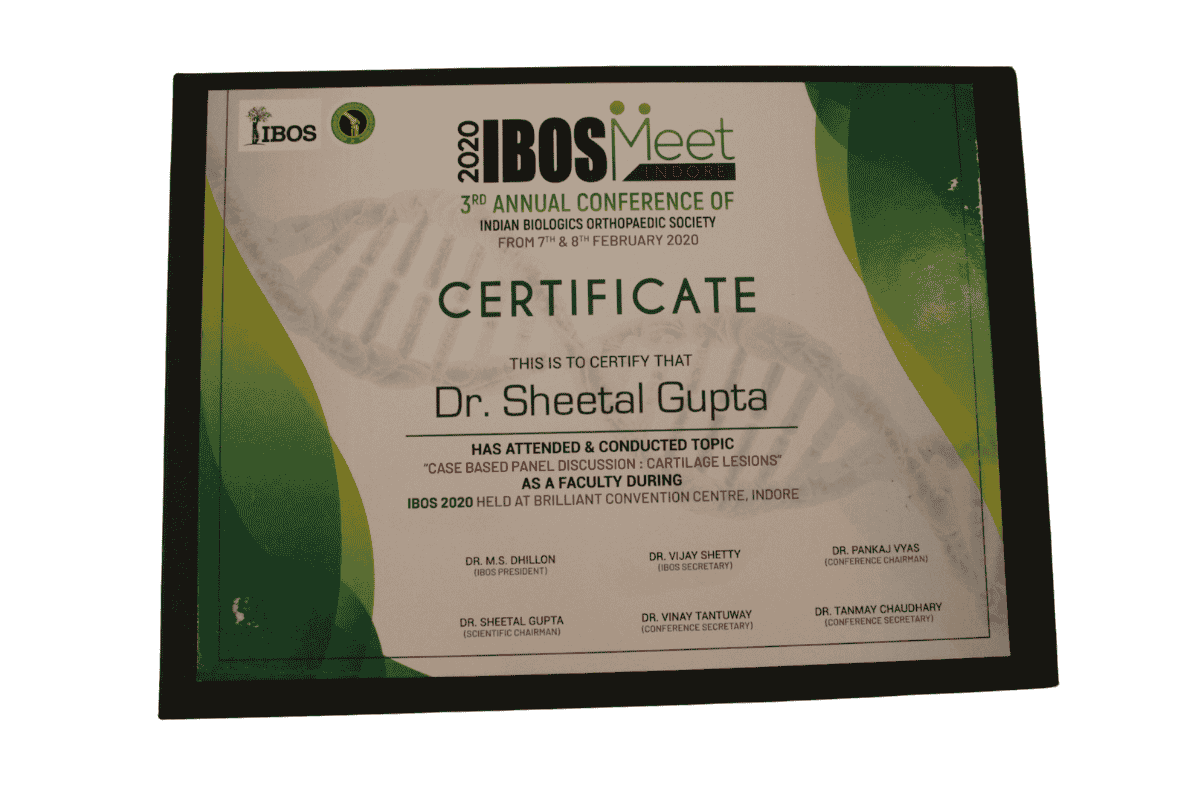
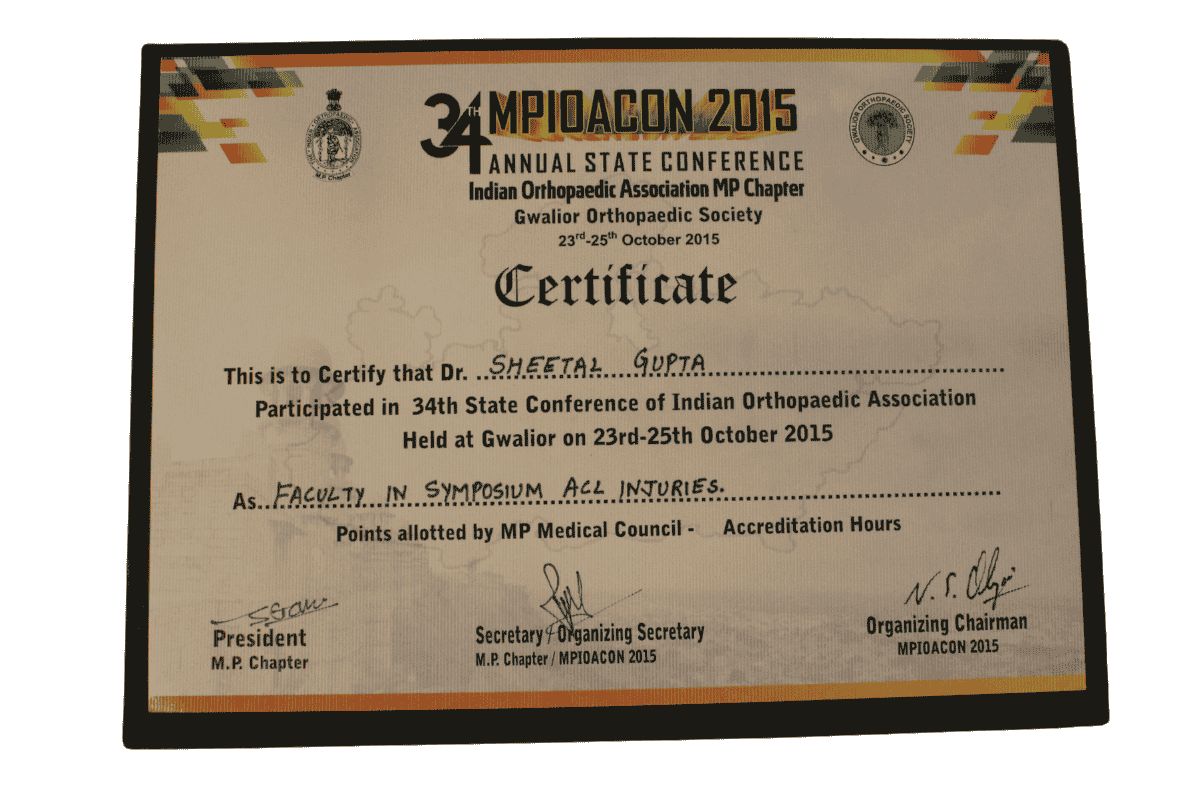
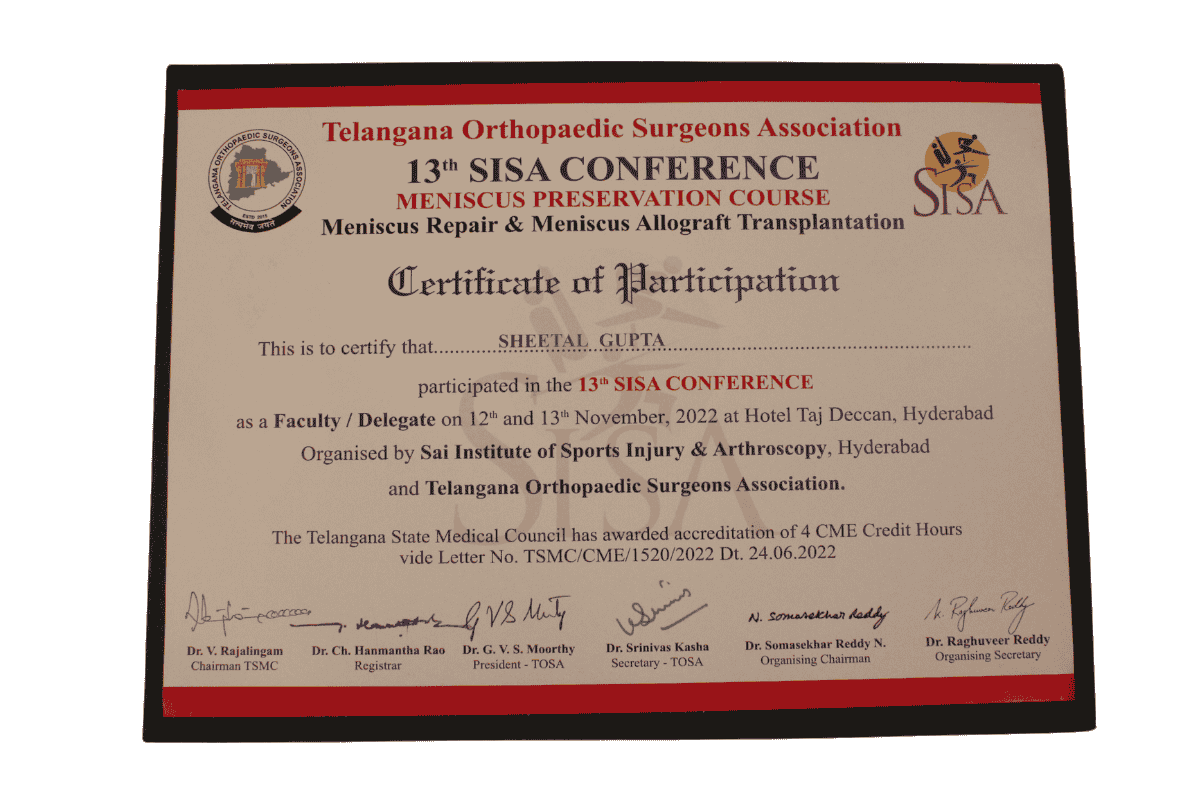
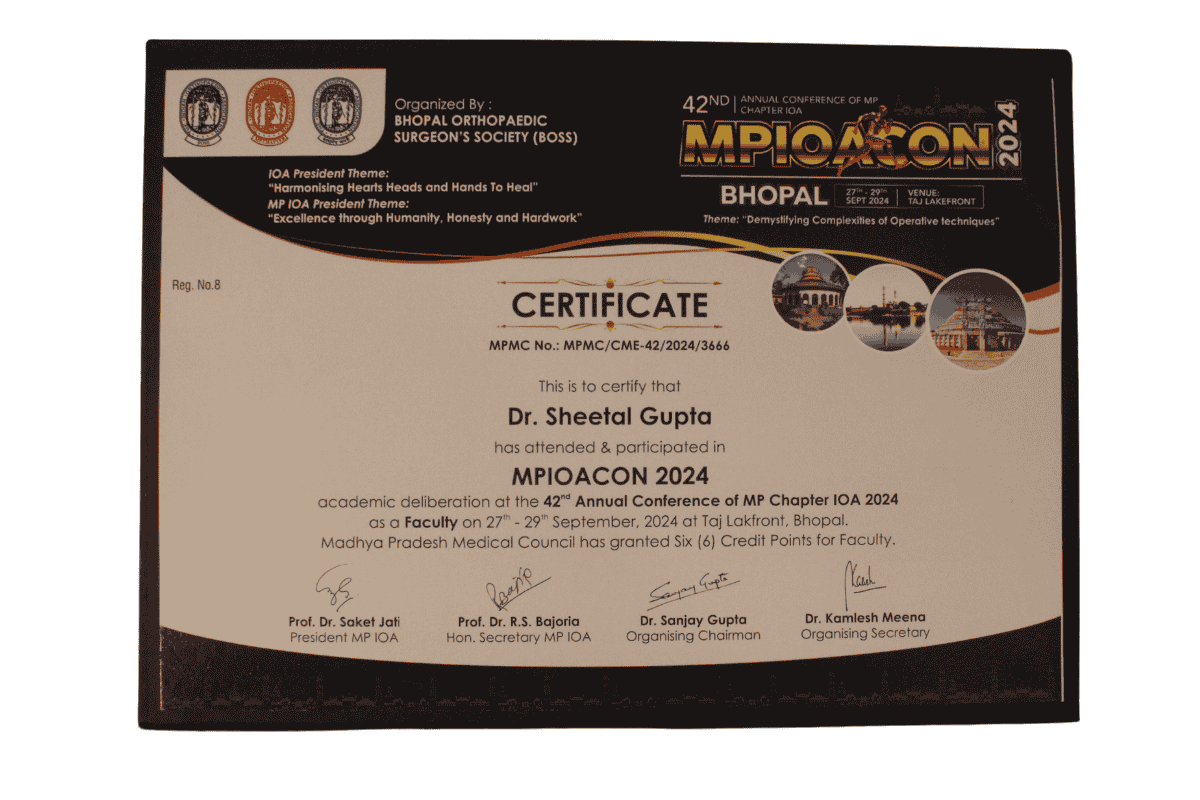
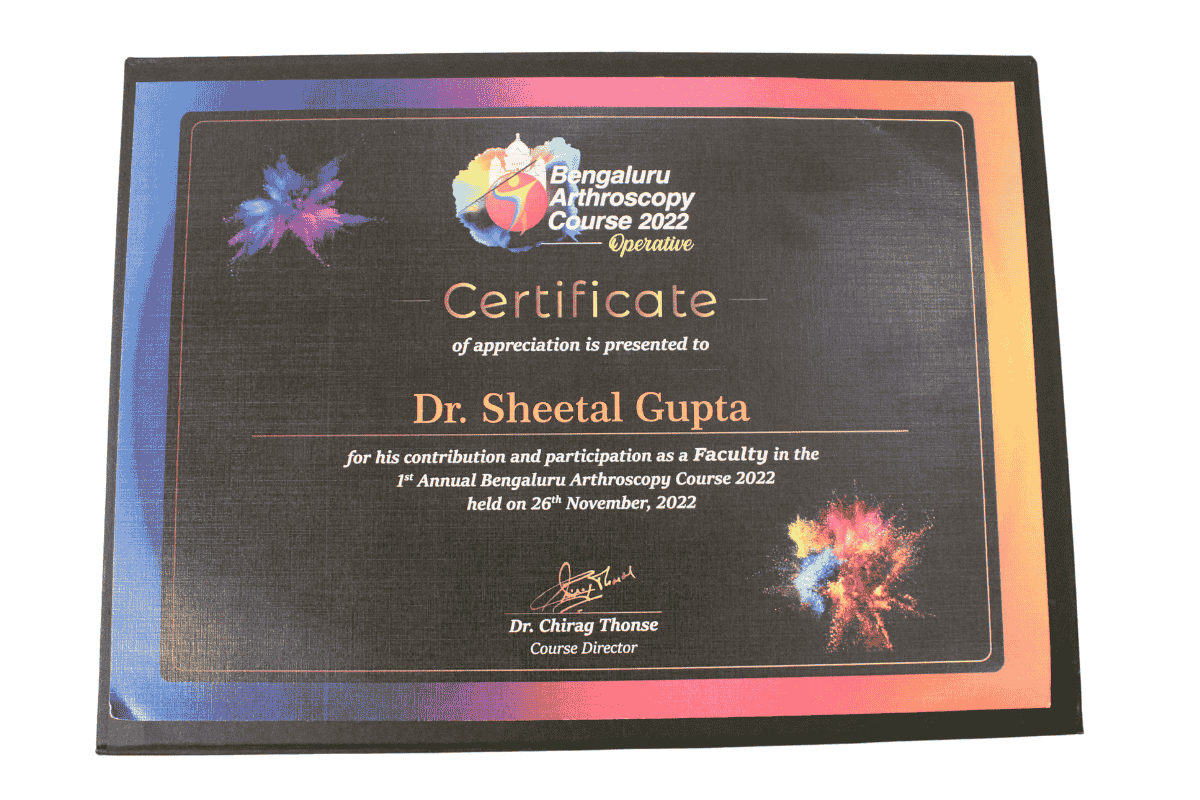
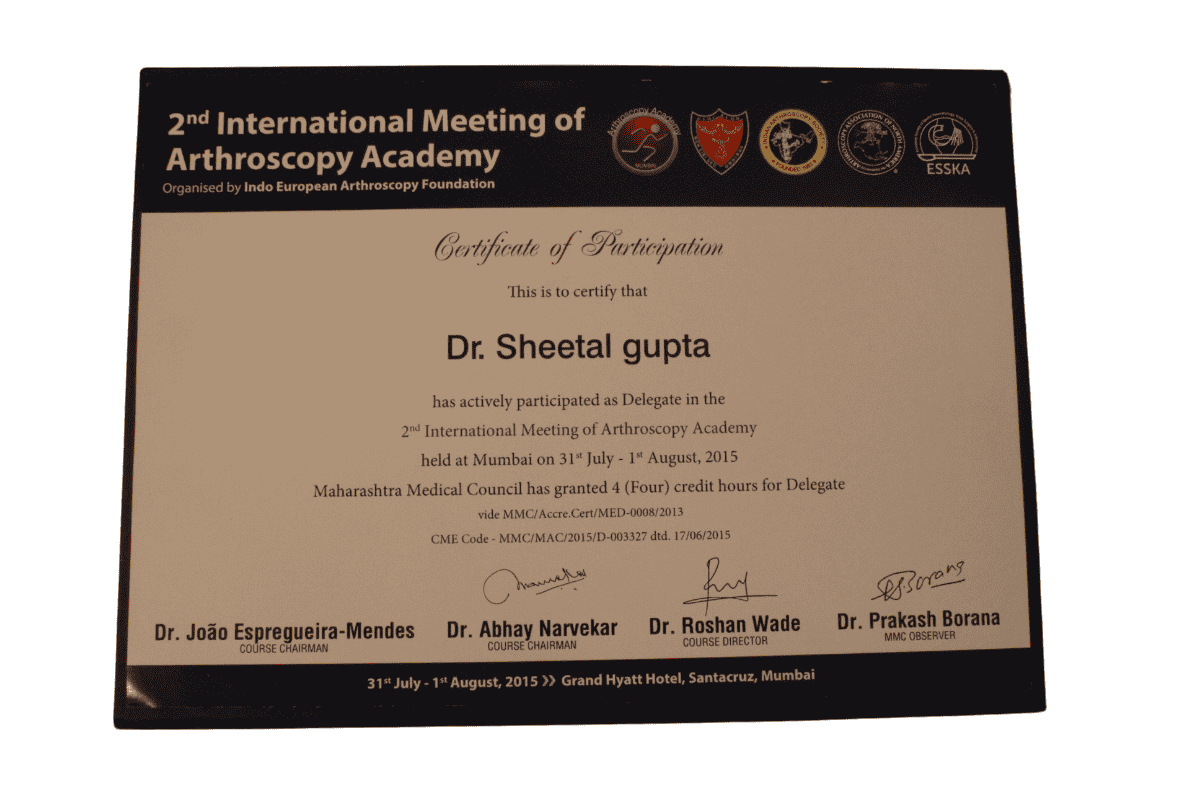
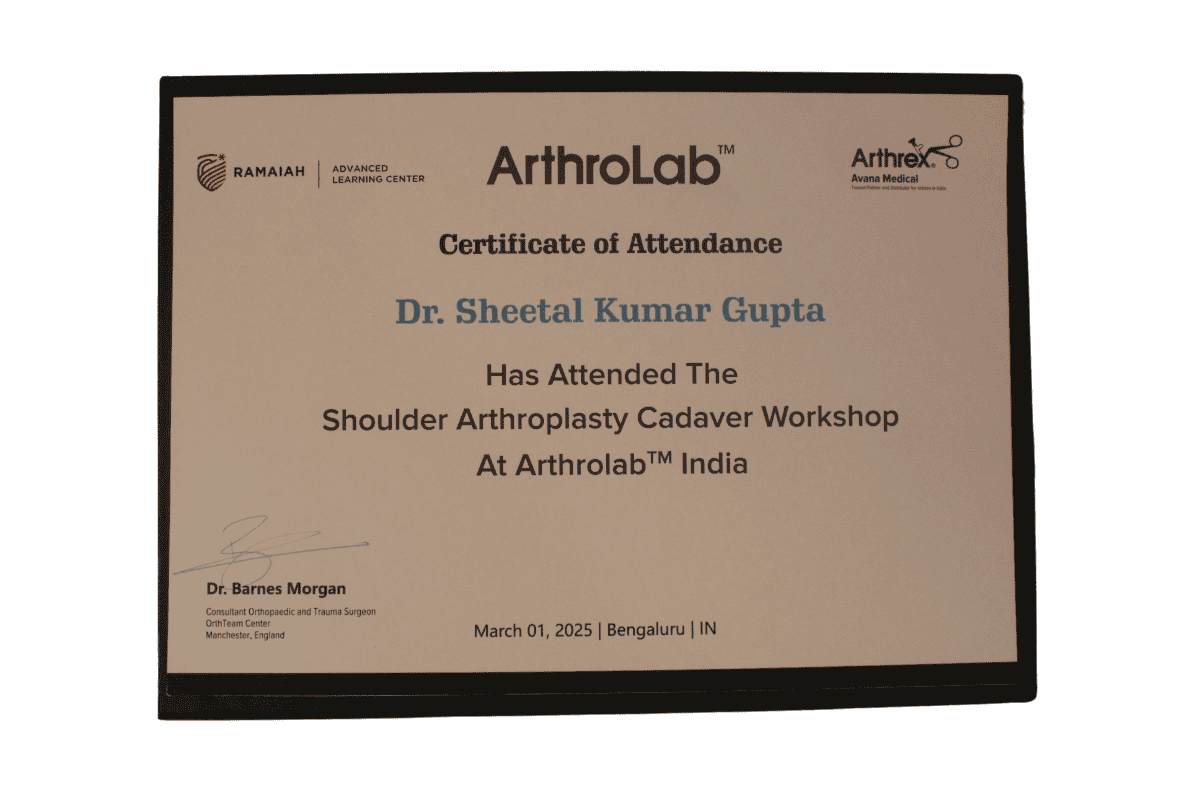
Publications
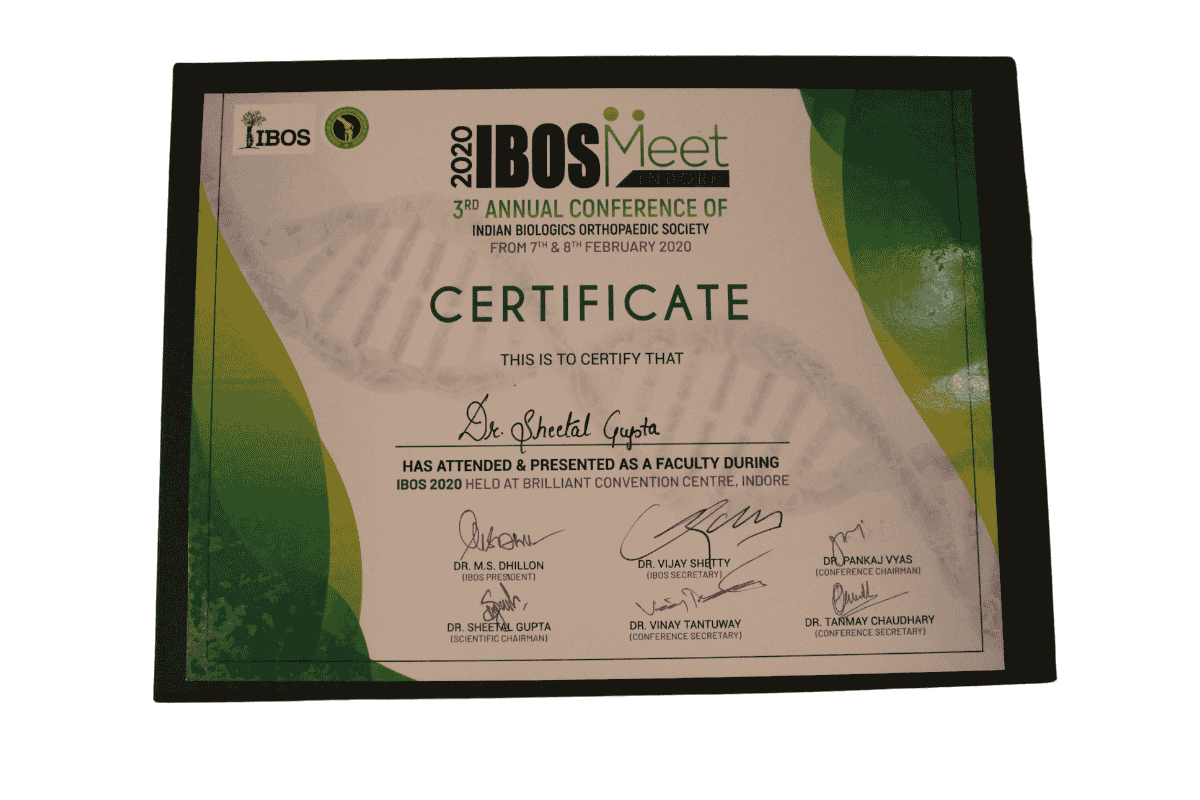
Author Bio
Dr. S.K. Gupta | MS Ortho. (Mumbai) | FAANA (USA) | FIAS (Japan) | FAPOA (Singapore)
Director — Arthroscopy & Joint Replacement, Apollo Sage Hospital, Bhopal
Dr. S.K. Gupta is a Senior Orthopaedic, Knee & Shoulder Surgeon with 21+ years of experience and 12,500+ surgeries performed. He holds an MS in Orthopaedics from LTMMC Medical College & Sion Hospital Mumbai and international fellowships from Japan, USA, Singapore, and Delhi. Widely known as the “Meniscus Man of India”, he is the first arthroscopy surgeon from India to receive the prestigious FAANA Fellowship and is recognized by the Abhinav Bindra Foundation Trust as a Centre of Excellence for Sports Surgeries. His surgical techniques are published in leading international journals.
Full Profile: https://drskguptaligamentsurgeonindia.com/about-dr/
Medical Disclaimer
The information on this page is intended for general educational purposes only and does not constitute medical advice. It does not replace a professional medical consultation, diagnosis, or treatment recommendation. Every patient’s condition is unique. Please consult Dr. SK Gupta or a qualified orthopaedic surgeon to determine the most appropriate treatment for your individual situation. Do not delay seeking professional medical advice based on information read on this website.
Why Choose Us for Frozen Shoulder Treatment
Why choose our "surgeon"?
- Our surgeon Dr S.K Gupta is a world renowned knee and shoulder surgeon with extensive experience of shoulder surgeries.
- He has over 21 years of focused work-experience in knee and shoulder arthroscopy and12500 + successful surgeries.
- He has experience of successful treatment of hundreds of International and national sports persons.
- His highest level of qualifications and mastery in his work, is the reason of making him first choice for frozen shoulder treatment by patients from across the country.
Why Choose Us?
- The hospital is dedicated Arthroscopy Centre with highest number of knee and shoulder surgeries.
- This makes every member of the team in your service, highly competent and experienced for knee and shoulder surgery pre-op, intra-op, post-op and rehabilitation management.
- The hospital is well known for affordable cost and cashless facility with combination of best surgeon, best equipments, best implants, and specially trained team for knee and shoulder surgery care.
Why does "surgeon's experience" matter?
- The successful result of surgery depends very much on the detailed and focused expertise of surgeon and his team.
- Experience and skills of your surgeon is the most important factor for successful result.
- You must research well about it, as the primary surgery is the most important chance.
Why choose our "operation theatre" and OT team?
- Hi-Tech modular operation theatres, high precision International equipments for arthroscopy, world class OT machinery specific for knee and shoulder surgery
- Protocol based and highly skilled OT team with focussed work in knee and shoulder arthroscopy plays a vital role in surgical success.
- All our operation theatres are well equipped with planum with HEPA filters. High efficiency HEPA filters can remove 99.97 to 99.99% of airborne particles including smallest bacteria to the size of 0.3 microns. This helps to safeguard our patient from infections.
- The hospital has well defined “infection control guidelines” to be followed by all team members. This helps in reducing the infection rate to less than 0.1%.
- “Triple Level checks” for sterility and disinfection of implants and OT support materials is strictly followed.
- “WHO surgical Safety protocol” for Sign-IN, Time-Out, Sign-Out is adhered to In 100% patients.
- “High pressure autoclave with Pre-Vac” and “ETO sterilization” procedures are used.
- Wheeling in, Wheeling out and anaesthesia safety protocols are strictly followed. One Way Traffic protocol is followed.
- Central Medical gases oxygen and nitrous supply And central suction systems are in place.
- Pressure Dampeners are active to maintain OR pressures. Humidity Checks are done to maintain evidence based recommended guidelines.
Why "post-op care" matters?
Post operative care matters a lot in final surgical success. Our team is highly trained and careful for handling the post op patients. Their intense efforts are visible in patient reviews for their hospital nursing and medical experience.
Various efforts are being done to safeguard the outcome and interest of our patients. Various
KPI (Key Performance Indicators) are being regularly caught, audited and analyzed. Team Galaxy takes utmost care and as a result the captured para are between 0 to 0.13%. This practice is one of the central reasons for our very high success rate. The para captured and assessments done are like-
- CAUTI
- PVC IR
- SSIR
- BTRI
- Med EI
- Fall Risk assessment
- Vulnerability Score
- Pain Score
- Pressure Sore vulnerability Assessment
- Patient Satisfaction Index
Post Op care team is regularly following Care Bundles like-
- PVC insertion Care Bundle
- PVR Daily Care Bundle
- Catheter Insertion Care Bundle
- Catheter Daily Care Bundle
- SS care Bundle
- WHO Hand Hygiene Protocol
- Universal Precautions
Patient Safety Protocols being followed are like-
- “7 Level Check” for Side identification
- Pre-Operative Checklist
- BT prep and safety protocol
- Belongings and Material Handover Protocol
- Surgical Site Marking Protocol
- Patient Identification Protocol
- Admission and Discharge Protocol
- Checklist for shifting from OR to Recovery SICU
- Checklist for shifting from SICU to Ward
- The finest details of immediate post-op depends on the expertise of medical, nursing and rehabilitation team.
- Since our hospital serves only for these surgeries, every member is extensively trained, as compared to any other general Orthopaedic Hospital serving many types of surgeries.
Why does our "rehabilitation team results" excel?
- The team follows “Surgical age-based assessments and reassessments” to formulate the customized care.
- Rehab is planned “One-O-One as per the milestones achieved” by the patient till visit date.
- Phases of Rehab are scientifically based on division into Macrocycle, Mesocycle and Microcycles of care, the Pre-Injury level of activity, the Surgical details of patient as per the surgeon; and “not one size fits all” method.
- The “5-Staged Plan of Care” of post op rehabilitation is followed for holistic recovery of patients –
- Protection & Activation
- Recovery of Range
- Strength Development
- Functional Integration Inclusion
- RTS If Sports Person
- Sports-Persons’ prolonged follow up to Return To Sports after RTS Testing is followed.
- Regular skill upgrade training of team is done as per new international guidelines.
- Our Physiotherapy team serves large number of ACL and meniscus surgery post operative patients, with close follow up, for return to normal and return to Sports.
- This huge experience in knee and shoulder surgery rehabilitation is the reason for their best results.
- Our successful results are the reason, why our old patients send other patients for similar results.
Contact Us


Happy to Serve Pt. From Various Cities
- Mumbai
- Chennai
- Lucknow
- Bengaluru
- Hyderabad
- Kolkata
- Surat
- Ahmedabad
- Pune
- Jalandhar
- Jaipur
- Jalgaon
- Solapur
- Chandigarh
- Nashik
- Goa
- Ranchi
- Madurai
- Kanpur
- Kochi
- Noida
- Coimbatore
- Jamshedpur
- Ludhiana
- Rajkot
- Amritsar
- Guwahati
- Dehradun
- Bhubaneswar
- Kota
- Agra
- Meerut
- Varanasi
- Aurangabad
- Jodhpur
- Vijaywada
- Raipur
- Sri Nagar
- Vadodara
- Cuttack
- Gwalior
- Nagpur
- Aligarh
- Bhopal
- Jabalpur
- Ujjain
- Udaipur
- Moradabad
- Chhindwara
- Patna
- Indore
- Shahdol
- Umaria
- Sagar
- Dewas
- Mandsaur
- Neemuch
- Ratlam
- Singrauli
- Prayagraj