

Hip Replacement Surgery in Bhopal
Our Work Experience
12500+ Successful
Surgeries
21+ Years
Of Experience
10000+ Sports
Persons Treated
25+ States Serve
from the Country
250 International
Stature Awards Ach.
98.33% Satisfaction
Happy Patient Index
Get An Expert Opinion

Dr. S. K. Gupta
Director, Arthroscopy & Joint Replacement, Apollo Sage Hospital, Bhopal, India
Arthroscopy & Sports Surgeon | Joint Replacement Specialist
Dr. S. K. Gupta is one of India’s most accomplished knee and shoulder arthroscopic surgeons, with over 21 years of orthopedic experience. He currently serves as Director, Arthroscopy & Joint Replacement at Apollo Sage Hospital, Bhopal.
Call for Phone Assistance
Google Reviews
EXCELLENT Based on 565 reviews
 Posted on Google
 Santosh ShrivasIn Apollo hospital...under guidance of Dr. SK Gupta sir I had completed my ACL reconstruction surgery under sir guidance.....with help of Dr Gupta expertise and skills I gone through a successful surgery. Dr. SK Gupta is a truly good and compassionate surgeon... talking about appolo hospital there the helpful nursing staff, cleanliness and comfort, management team, anesthesia team all provide me with the quick response...after surgery also the nursing staff provide me with the quick response and after surgery treatment... Talking about ACL surgery experience was overall good....the pre surgery process, surgery process, and physical therapy after surgery was also very effective As I experienced I would say For ligament and ACL reconstruction surgery D.R SK Gupta Sir was best and Apollo Hospital was bestPosted on Google
 Satyam KumarDr. S. K. Gupta performed ACL surgery on both of my mother’s knees, and we couldn’t be more grateful for his exceptional care and expertise. He explained the procedure clearly, ensured we were comfortable at every step, and followed up regularly during recovery. The surgeries went smoothly, and my mother is now recovering with great confidence. Dr. Gupta is not only highly skilled but also very compassionate and approachable. His team at the hospital was equally supportive and attentive. I would highly recommend Dr. S. K. Gupta for anyone looking for an experienced and caring orthopedic surgeon in Bhopal.Posted on Google
 Shivank Kashyap> I recently underwent surgery in Apollo SAGE hospital Bhopal and I’m very satisfied with the entire experience of Dr SK Gupta Sir team. The doctors and wtaff were professional, caring, and attentive throughout the process. The procedure went smoothly, and my recovery has been undergoing with SK Gupta Sir team. The doctors was very supportive during my undergoing recovery and visited multiple times a day to help with my issues and guide me with exercises. I’m thankful for his care and concern.Posted on Google
 Shubhanshu UsreteI would like to express my heartfelt gratitude to Dr. S.K. Gupta for the exceptional care and expertise he showed while treating my mother’s (Mrs. Indra Usrete) knee. She recently underwent surgery under his supervision, and we are truly thankful for how smoothly everything went — from pre-surgery counselling to post-operative recovery. Dr. Gupta’s professionalism, patience, and genuine concern for his patients made a huge difference in my mother’s confidence and comfort throughout the process. His ability to clearly explain every step of the treatment helped us feel reassured and informed at all times. I would highly recommend Dr. S.K. Gupta to anyone seeking an experienced, caring, and trustworthy orthopaedic specialist. P.S.- Above is my personal opinion, kindly take proper advise and guidance before treating your dear ones.Posted on Google
 YASH YEWALE
Trustindex verifies that the original source of the review is Google.
Dr. S.K. Gupta and team are doing good jobPosted on Google Dr. Mukesh Chandra BishtI had my knee surgery of acl and meniscus on 3rd October 2025 had a great experience. Dr Gupta is one of the best sports injuries specialist. The junior doctors and all the staff were very professional and everyone knew his/her role.Posted on Google
 Prashant ChaudharyIt's a privilege to having an International level doctor Dr S K Gupta sir (Knee & Shoulder Surgeon) in Central India, Bhopal. Else for the same surgery patients had to visit Mumbai, Delhi etc, now which saves time and money both. Thank you sir for successful ACL replacement of my wife.Posted on Google
 Pushpendra KushwahaDr. Well experienced and polite.. 2 din pahle main visit kiya tha x-ray quility had se jyada poor hai and x-ray staff all time mobile me lage rahte hai unka kam par bilkul dyan nhi rahta .. Jinki laparwahi ki wajah se report proper nhi ati hai aur digonosis sahi se nhi hua .. Ohi poor and galat report ki wajah se muje opass se surgery ka suggestion diya gya jab main second opinion liye other dr. Se to all good and fast recovery results aya..
Patient Success Stories
Our Experience in Numbers
Dr. S.K. Gupta is a renowned surgical orthopedic doctor practising in India.
⚡ Quick Answer – What Is Hip Replacement Surgery?
Hip replacement surgery (total hip arthroplasty) is a procedure in which a damaged or diseased hip joint is removed and replaced with a high-quality artificial implant. It relieves severe hip pain, restores mobility, and dramatically improves quality of life. At Apollo Sage Hospital Bhopal, Dr. SK Gupta performs both total and partial hip replacements using the latest implant technology and minimally invasive techniques.
Introduction
Hip pain that does not respond to medications, physiotherapy, or lifestyle modifications can be severely debilitating. When the hip joint — one of the body’s largest and most weight-bearing joints — is destroyed by arthritis, injury, or avascular necrosis, every step becomes a struggle. Hip replacement surgery offers a definitive, proven solution: replacing the damaged joint with a precisely engineered artificial implant that restores pain-free movement and independence.
At Apollo Sage Hospital, Bhopal, Dr. SK Gupta leads a nationally renowned Joint Replacement Programme. With 21+ years of clinical experience and more than 12,500 successful surgeries, Dr. Gupta combines international surgical training with cutting-edge technology to deliver outstanding outcomes for patients from Bhopal, Madhya Pradesh, and across India.
This guide covers everything you need to know about hip replacement surgery: indications, procedure types, surgical technique, implant options, recovery, rehabilitation, and how to choose the right surgeon in Bhopal.
1. What Is Hip Replacement Surgery?
Hip replacement surgery — clinically known as total hip arthroplasty (THA) — involves the surgical removal of the damaged femoral head (ball) and acetabulum (socket) of the hip joint, and their replacement with prosthetic components made from metal, ceramic, or high-density polyethylene. The result is a smooth, pain-free articulation that closely mimics the natural biomechanics of the hip joint.
Partial hip replacement (hemiarthroplasty) replaces only the femoral head, and is commonly performed for certain types of hip fractures in elderly patients.
📊 Key Facts – Hip Replacement Surgery
Procedure: Total Hip Arthroplasty (THA) Duration: 1.5 – 2 hours Anaesthesia: Spinal or General Hospital Stay: 3 – 5 days Return to Walking: 1 – 2 days post-surgery (with support) Full Recovery: 6 – 12 weeks Implant Lifespan: 15 – 25 years (modern implants)
2. Who Needs Hip Replacement Surgery?
Hip replacement is recommended when conservative treatments have failed and the patient’s quality of life is significantly affected. Common indications include:
- Severe osteoarthritis of the hip — the most common cause, involving progressive cartilage loss
- Avascular necrosis (AVN) of the femoral head — loss of blood supply causing bone death
- Rheumatoid arthritis affecting the hip joint
- Post-traumatic arthritis following hip fracture or dislocation
- Hip dysplasia causing premature joint degeneration
- Failed previous hip procedures or implant revision
Clinical Signs That Indicate Surgery
- Persistent hip or groin pain not relieved by medications or physiotherapy
- Significant stiffness limiting daily activities such as walking, climbing stairs, or getting in/out of a chair
- Severe X-ray changes showing joint space narrowing, bone-on-bone contact, or osteonecrosis
- Hip pain disrupting sleep
- Dependency on walking aids for basic mobility
🩺 Quick Answer – When Is Hip Replacement Needed?
Hip replacement is typically recommended when hip pain is severe, persistent, and unresponsive to 6 or more months of conservative management including medications, physiotherapy, and lifestyle changes. The decision is based on clinical examination, imaging, and the patient’s functional limitations.
3. Types of Hip Replacement Surgery
Type | Description | Best For |
Total Hip Replacement (THA) | Both ball and socket replaced | Osteoarthritis, AVN, RA |
Partial Hip Replacement (Hemiarthroplasty) | Only the femoral head replaced | Hip fractures in elderly |
Hip Resurfacing | Femoral head capped, socket replaced | Younger active patients with good bone stock |
Revision Hip Replacement | Re-operation to replace a failed implant | Failed primary hip replacement |
4. Surgical Technique – How Hip Replacement Is Performed
Dr. SK Gupta employs a systematic, evidence-based surgical approach ensuring optimal implant positioning, soft-tissue preservation, and early functional recovery.
Pre-operative Planning
- Detailed clinical assessment and functional scoring
- Weight-bearing X-rays and CT-based templating for precise implant sizing
- Patient optimisation: blood pressure, blood sugar, cardiac status
- Pre-operative physiotherapy education for faster recovery
Operative Steps
- Anaesthesia: Spinal anaesthesia preferred; general anaesthesia when indicated
- Patient positioning: lateral decubitus or supine depending on approach
- Surgical approach: Posterior, anterolateral, or direct anterior approach (DAA) selected for each patient
- Capsulotomy and dislocation of the femoral head
- Precision resection of the femoral head and neck at pre-templated angles
- Acetabular preparation: reaming and press-fit cup placement with optimal abduction and anteversion angles
- Femoral canal preparation and stem insertion
- Trial reduction and range-of-motion assessment
- Final implant placement and layered wound closure
- Intra-operative X-ray confirmation of implant position
Minimally Invasive Hip Replacement at Apollo Sage Hospital Bhopal
Dr. SK Gupta routinely performs minimally invasive hip replacement through smaller incisions (8–10 cm vs. conventional 20–25 cm), resulting in less blood loss, reduced pain, faster recovery, and superior cosmetic outcomes — without compromising surgical accuracy or implant longevity.
⚡ Quick Answer – How Is Hip Replacement Done?
Hip replacement surgery involves removing the damaged femoral head and acetabulum, then inserting a metal stem into the femur, a metal cup into the pelvis, and a ceramic or polyethylene liner. The procedure takes 1.5–2 hours under spinal anaesthesia. At Apollo Sage Hospital Bhopal, Dr. SK Gupta uses minimally invasive techniques for faster, safer recovery.
5. Implant Options – Cemented vs. Uncemented
The choice of fixation method depends on bone quality, patient age, and activity level:
Factor | Cemented | Uncemented (Press-Fit) |
Fixation | Bone cement (PMMA) | Porous coating – bone ingrowth |
Best For | Elderly, osteoporotic bone | Younger, active patients |
Weight Bearing | Immediate | Gradual |
Longevity | 15–20 years | 20–25+ years |
Used at Apollo Sage | Yes | Yes – most common |
Dr. SK Gupta uses globally certified implants from leading manufacturers, selected based on individual patient anatomy and lifestyle demands.
6. Recovery & Rehabilitation After Hip Replacement
Structured rehabilitation is as important as the surgery itself. At Apollo Sage Hospital Bhopal, a dedicated physiotherapy team begins rehabilitation on Day 1 post-surgery.
Recovery Timeline
Phase | Milestones |
Day 1–2 | Sitting up, ankle pumps, assisted standing; walker-assisted walking |
Day 3–5 | Discharge home or rehab facility; stair practice |
Week 1–3 | Walking with walker/crutch; pain well-controlled; wound healing |
Week 4–6 | Walking without support in most patients; driving (left hip: ~4 weeks; right hip: ~6 weeks) |
Week 6–12 | Return to desk work, light activities; swimming permitted |
3–6 Months | Return to golf, cycling, low-impact sports |
12 Months | Full functional recovery; most activities resumed |
Hip Precautions Post-Surgery
- Avoid bending the hip beyond 90 degrees for the first 6 weeks
- Do not cross your legs or ankles
- Use raised toilet seat and firm chairs
- Sleep with a pillow between your legs for the first 6 weeks
- Follow physiotherapy exercises strictly as prescribed
7. Risks and Complications
Hip replacement is one of the safest and most successful elective surgeries in modern medicine. With an experienced surgeon and a high-volume centre like Apollo Sage Hospital Bhopal, the risk of serious complications is very low. Potential risks include:
- Deep vein thrombosis (DVT) — prevented with blood thinners and early mobilisation
- Infection — minimised with sterile technique, antibiotic prophylaxis, and laminar flow theatre
- Implant dislocation — risk reduced with optimal component positioning and compliance with hip precautions
- Leg length discrepancy — carefully monitored and adjusted intra-operatively
- Nerve or blood vessel injury — rare; mitigated by surgical experience and anatomical knowledge
- Implant loosening over time — addressed through revision surgery if required
✅ Safety Checklist at Apollo Sage Hospital Bhopal
High-volume joint replacement centre Experienced fellowship-trained surgeon Laminar flow operating theatre Dedicated joint replacement anaesthesia team Comprehensive DVT prophylaxis protocol Multidisciplinary rehabilitation programme Post-discharge follow-up and physiotherapy
8. Why Choose Dr. SK Gupta & Apollo Sage Hospital for Hip Replacement in Bhopal?
When choosing a hip replacement surgeon, experience, training, technology, and outcomes all matter. Here is why patients from across India — and internationally — choose Dr. SK Gupta at Apollo Sage Hospital Bhopal:
Experience | 21+ years in orthopaedic surgery; 12,500+ surgeries performed |
Qualifications | MS Orthopaedics, University of Mumbai |
Fellowships | International fellowships from Japan, Singapore & Delhi; First Indian arthroscopy surgeon to receive the prestigious FAANA Fellowship |
Recognition | Recognised by Abhinav Bindra Foundation Trust as Centre of Excellence for Sports Surgeries |
Hospital | Apollo Sage Hospital — a leading multi-specialty tertiary care centre in Bhopal with NABH accreditation |
Technology | Laminar flow OT, modern implant systems, computer-assisted templating, minimally invasive approach |
Rehabilitation | In-house physiotherapy, dedicated joint replacement nurses, structured recovery protocol |
Patient Reach | Patients from Bhopal, Indore, Jabalpur, Gwalior, Nagpur, Raipur, Delhi, and international patients from Gulf, UK, US |
Dr. Gupta’s dual expertise in arthroscopy and joint replacement makes him uniquely positioned to manage complex hip conditions involving combined pathology. His meticulous surgical planning, intra-operative precision, and commitment to evidence-based practice have earned him a reputation as one of India’s finest joint replacement surgeons.
Learn more about Dr. SK Gupta’s background and credentials.
Explore Dr. SK Gupta’s international presence and fellowships.
9. Patient Experience at Apollo Sage Hospital Bhopal
Apollo Sage Hospital’s Joint Replacement Programme is designed around the patient experience — from the first consultation to full recovery. Patients frequently highlight the following:
- Clear, compassionate communication from Dr. SK Gupta’s team before and after surgery
- Well-coordinated pre-surgical workup with minimal waiting time
- Highly skilled nursing care and dedicated joint replacement physiotherapy team
- Smooth discharge planning and structured home exercise programme
- Accessible follow-up consultations in person or via teleconsultation
Read written patient testimonials: Written Testimonials.
Watch video testimonials: Video Testimonials.
📞 Call / WhatsApp: +91-7610101079 | +91-7611111179
📅 Book Online: https://apollosage.in/doctors/dr-s-k-gupta
📍 Apollo Sage Hospital, Bhopal: https://share.google/SXEd0xJbNkufOGGXc
📍 Orthocity Clinic, Arera Colony, Bhopal: https://share.google/QfMSO7rDjztjpYLI2
📧 Send your MRI / X-ray report online for an expert second opinion.
Types Of Treatments Offered By SKG Ortho Unit.
Dr. S.K. Gupta specializes in problems of shoulder, hip and knee. These are the following types of treatments that the doctor provides.
Sports Injury Treatment
HIP Surgery
10. Frequently Asked Questions (FAQs)
Q1. What is hip replacement surgery?
Hip replacement surgery is a procedure in which the damaged ball-and-socket joint of the hip is removed and replaced with a prosthetic implant. It relieves severe hip pain caused by arthritis, avascular necrosis, or injury, and restores normal movement and function. It is one of the most successful surgeries in modern orthopaedics.
Q2. Who is the best hip replacement surgeon in Bhopal?
Dr. SK Gupta at Apollo Sage Hospital Bhopal is widely recognised as one of the leading joint replacement surgeons in central India. With 21+ years of experience, MS Ortho from Mumbai, international fellowships from Japan and Singapore, and over 12,500 surgeries performed, he offers world-class care for patients requiring hip replacement surgery in Bhopal and Madhya Pradesh.
Q3. How long does hip replacement surgery take?
Total hip replacement surgery typically takes 1.5 to 2 hours. Hospital stay is usually 3 to 5 days. Most patients begin walking with a walker on Day 1 or Day 2 after surgery, under supervision of the physiotherapy team at Apollo Sage Hospital Bhopal.
Q4. Is hip replacement surgery safe for elderly patients?
Yes. Hip replacement is routinely and safely performed in patients over 70 and even over 80 years of age. Careful pre-operative evaluation, optimised anaesthesia, and early mobilisation make it one of the safest major surgeries for the elderly, particularly when performed by an experienced surgeon at a high-volume centre like Apollo Sage Hospital Bhopal.
Q5. What is the recovery time after hip replacement surgery?
Most patients walk independently within 4–6 weeks and return to desk work by 6–8 weeks. Full functional recovery typically takes 3 to 6 months. With the structured rehabilitation programme at Apollo Sage Hospital Bhopal, patients consistently achieve excellent functional outcomes.
Q6. What are the alternatives to hip replacement surgery?
Before surgery, alternatives include physiotherapy, weight management, pain medications (NSAIDs), corticosteroid injections, and activity modification. However, when the joint is severely damaged with bone-on-bone contact, these provide only temporary relief. Dr. SK Gupta evaluates every patient thoroughly before recommending hip replacement.
Q7. How long do hip replacement implants last?
Modern hip replacement implants last 15 to 25 years in most patients. With advances in implant material (ceramic, cross-linked polyethylene, cobalt-chrome) and surgical technique, many patients — particularly those who are active and in good health — can expect implants to last even longer.
Q8. What is the difference between cemented and uncemented hip replacement?
In cemented hip replacement, bone cement fixes the implant to the bone — ideal for older patients with reduced bone density. Uncemented (press-fit) implants rely on bone ingrowth into a porous coating — preferred for younger, more active patients with good bone quality. Dr. SK Gupta selects the fixation method based on each patient's bone quality and lifestyle.
Q9. Can I get hip replacement surgery for both hips at the same time?
Bilateral simultaneous hip replacement is possible and performed in selected patients. However, Dr. SK Gupta typically recommends staged bilateral replacement (one hip, then the second after recovery) for safety and better rehabilitation outcomes, unless there is a specific clinical reason for simultaneous surgery.
Q10. What activities can I do after hip replacement?
After full recovery, most patients can walk unlimited distances, swim, cycle, play golf, and participate in low-impact activities. High-impact sports (running, jumping sports) are generally discouraged to protect the implant. Dr. SK Gupta provides tailored activity guidance for each patient.
Q11. Is there a weight limit for hip replacement surgery?
Obesity increases surgical risk and implant wear rates. However, weight alone is not a contraindication. Dr. SK Gupta assesses each patient individually and may recommend weight reduction prior to surgery if it significantly improves safety. Many overweight patients successfully undergo hip replacement and achieve dramatic improvement.
Q12. What type of anaesthesia is used for hip replacement?
Spinal anaesthesia (regional block) is most commonly used, as it reduces blood loss, provides excellent post-operative pain control, and allows earlier mobilisation. General anaesthesia is used when spinal anaesthesia is contraindicated. The decision is made by the experienced anaesthesia team at Apollo Sage Hospital Bhopal.
Q13. How can I prevent blood clots after hip replacement surgery?
Deep vein thrombosis (DVT) prevention at Apollo Sage Hospital includes blood-thinning medication (anticoagulants), compression stockings, pneumatic leg pumps, and most importantly — early mobilisation within 24 hours of surgery. Patients are encouraged to perform ankle pumps and walking as soon as possible.
Q14. Does hip replacement surgery involve a lot of blood loss?
Modern hip replacement techniques, including minimally invasive surgery and tranexamic acid use, have significantly reduced blood loss. Blood transfusion requirements have become rare. Dr. SK Gupta employs a multimodal blood conservation protocol at Apollo Sage Hospital Bhopal.
Q15. How do I book a hip replacement consultation with Dr. SK Gupta in Bhopal?
You can book a consultation with Dr. SK Gupta at Apollo Sage Hospital Bhopal by calling +91-7610101079 or +91-7611111179, or by booking online through the Apollo Sage appointment portal. The Orthocity Clinic in Bhopal also provides consultations — directions available on Google Maps.
📞 Book Your Hip Replacement Consultation in Bhopal
Contact Dr. SK Gupta – Apollo Sage Hospital Bhopal
Apollo Sage Hospital Bhopal OrthoCity Clinic, Bhopal Phone: +91-7610101079 | +91-7611111179 Days & Hours: By Appointment (Mon–Sat)
Book Appointment Online: apollosage.in/doctors/dr-s-k-gupta
Hospital Location (Google Maps): Apollo Sage Hospital Bhopal
OrthoCity Clinic (Google Maps): OrthoCity Clinic Bhopal
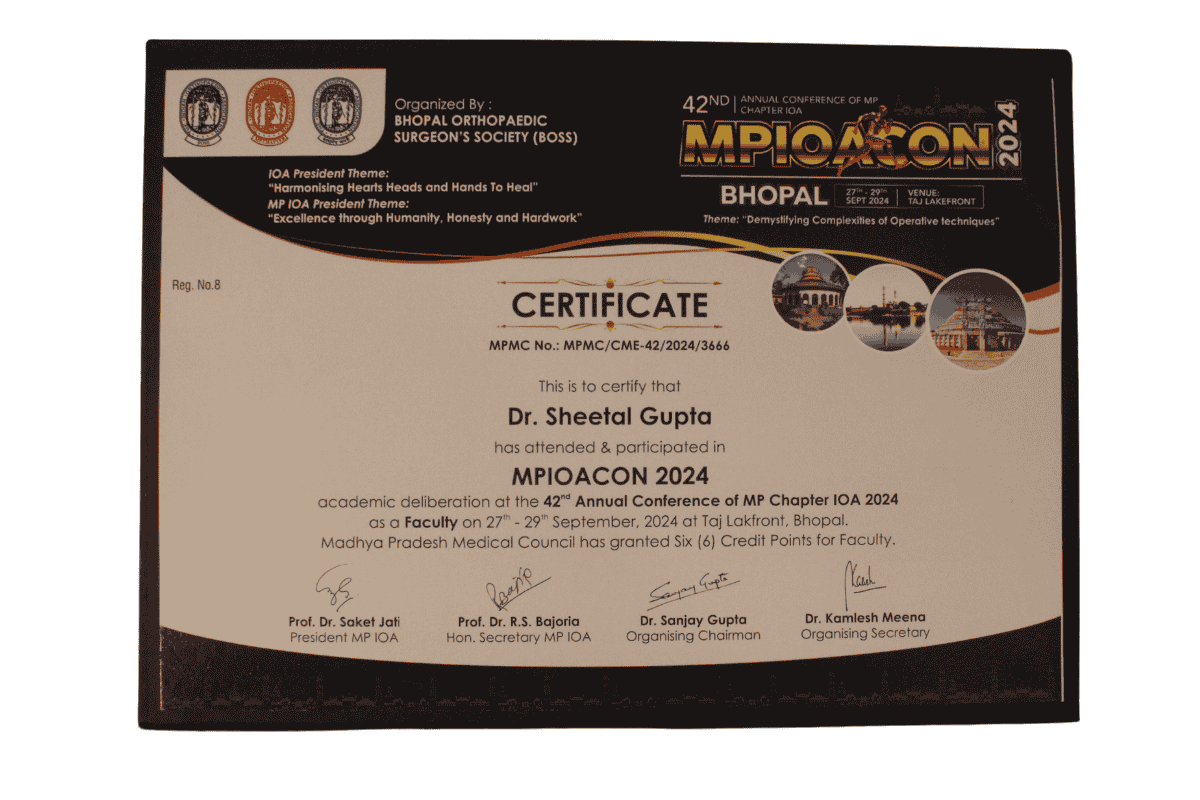
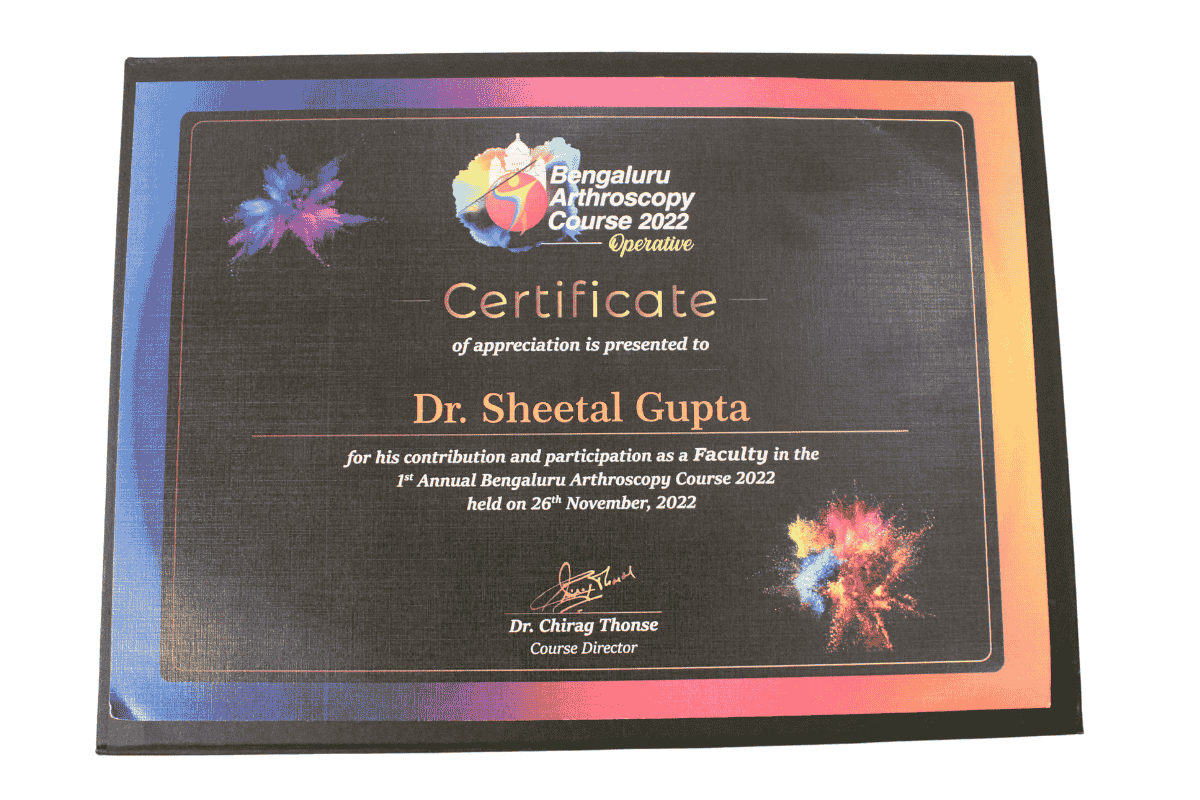
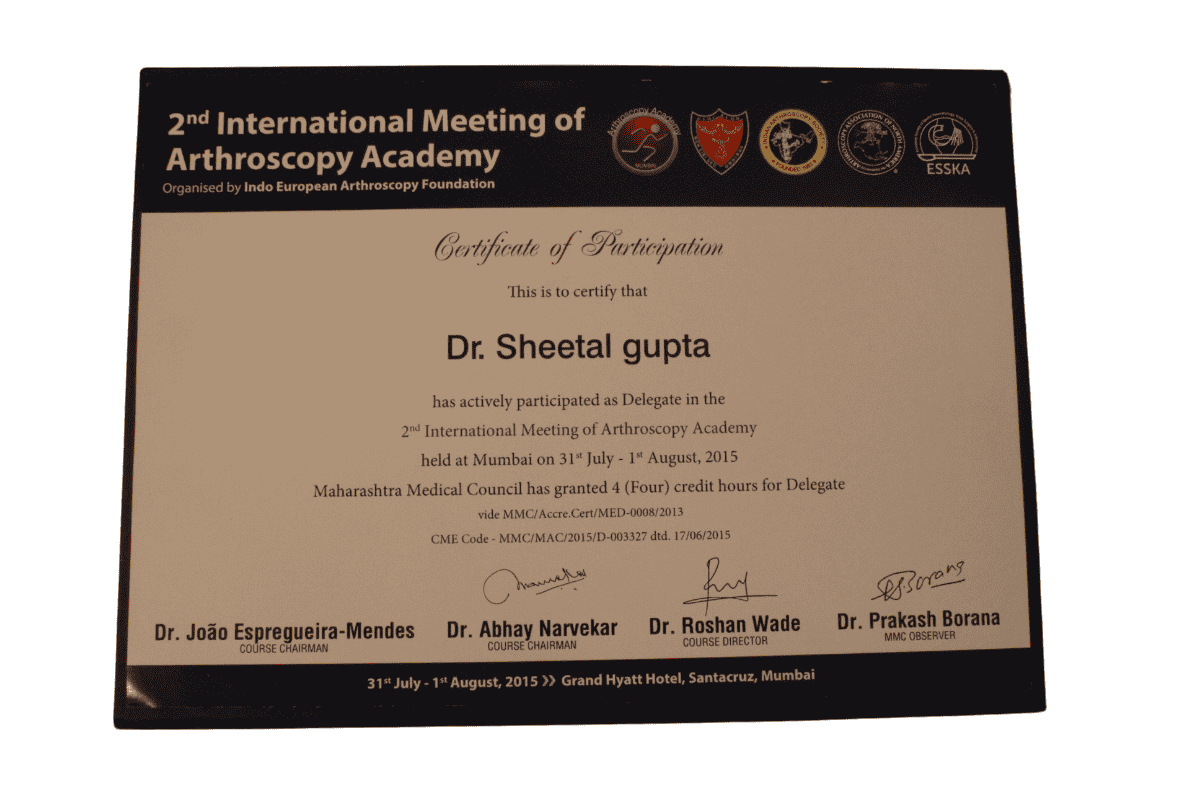
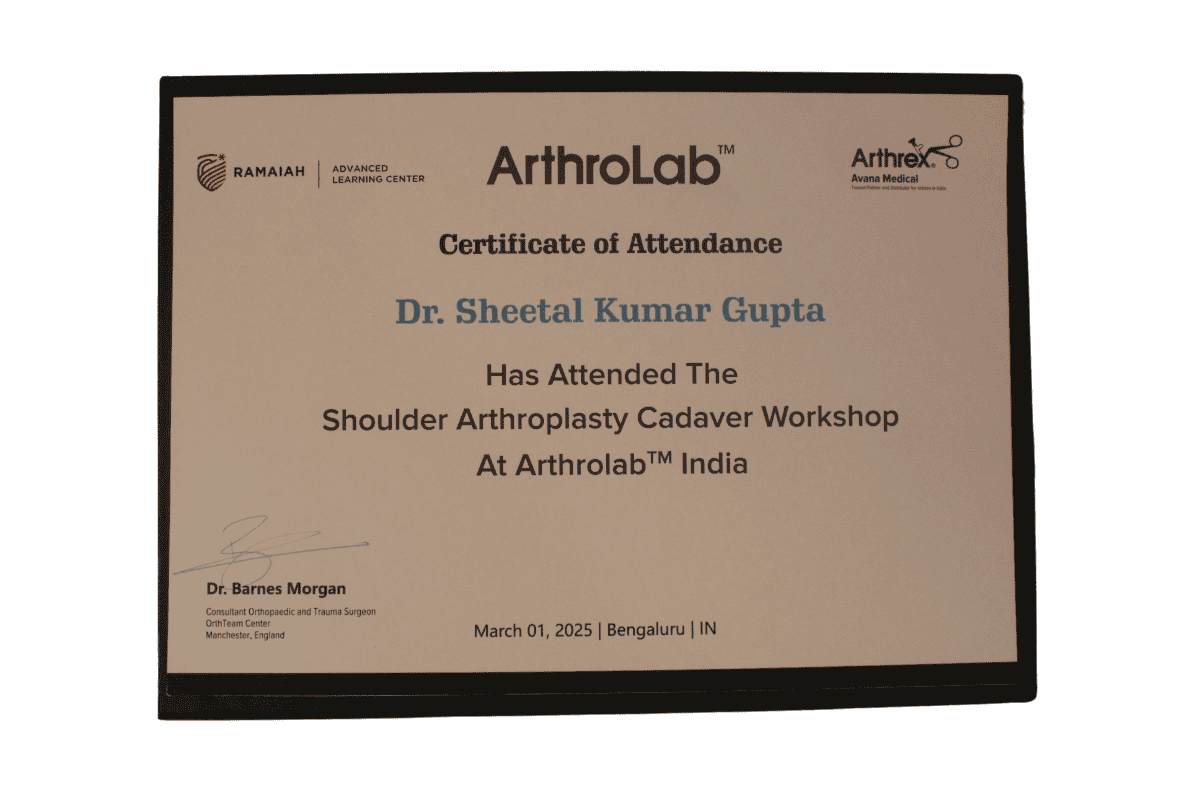
Publications

Author Bio
Dr. S.K. Gupta | MS Ortho. (Mumbai) | FAANA (USA) | FIAS (Japan) | FAPOA (Singapore)
Director — Arthroscopy & Joint Replacement, Apollo Sage Hospital, Bhopal
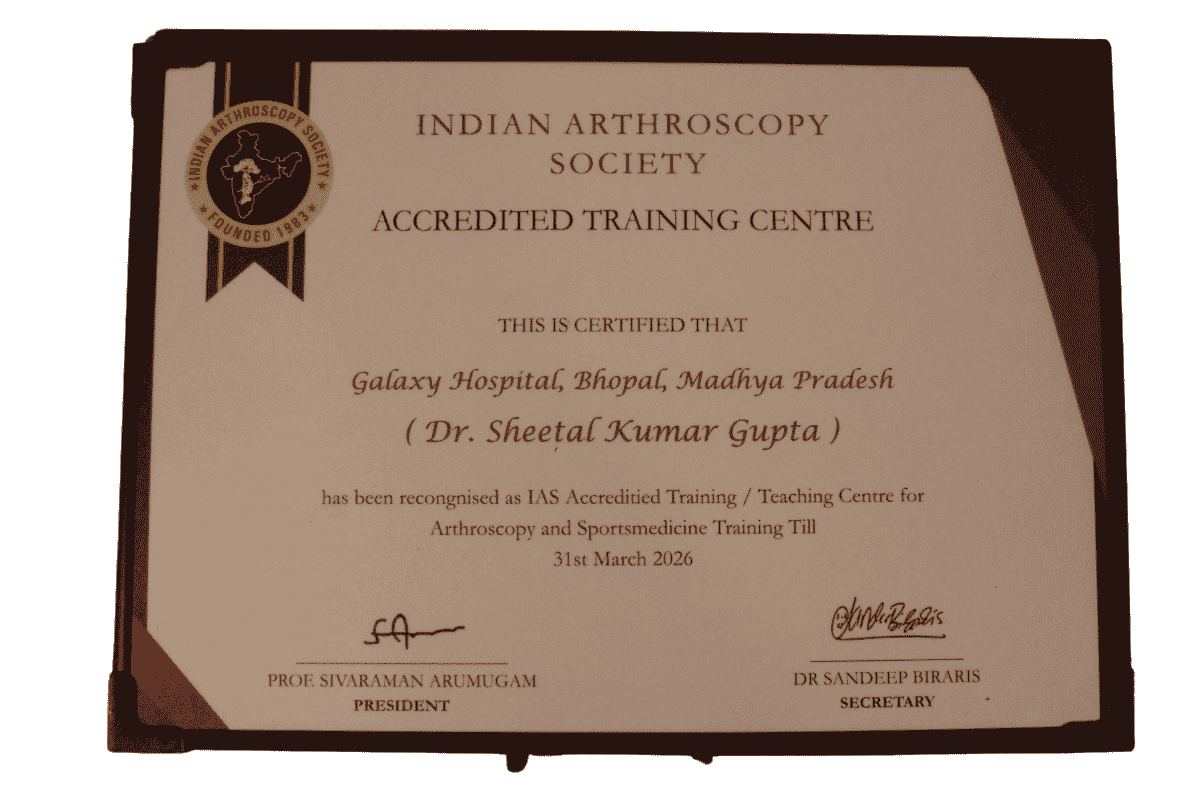
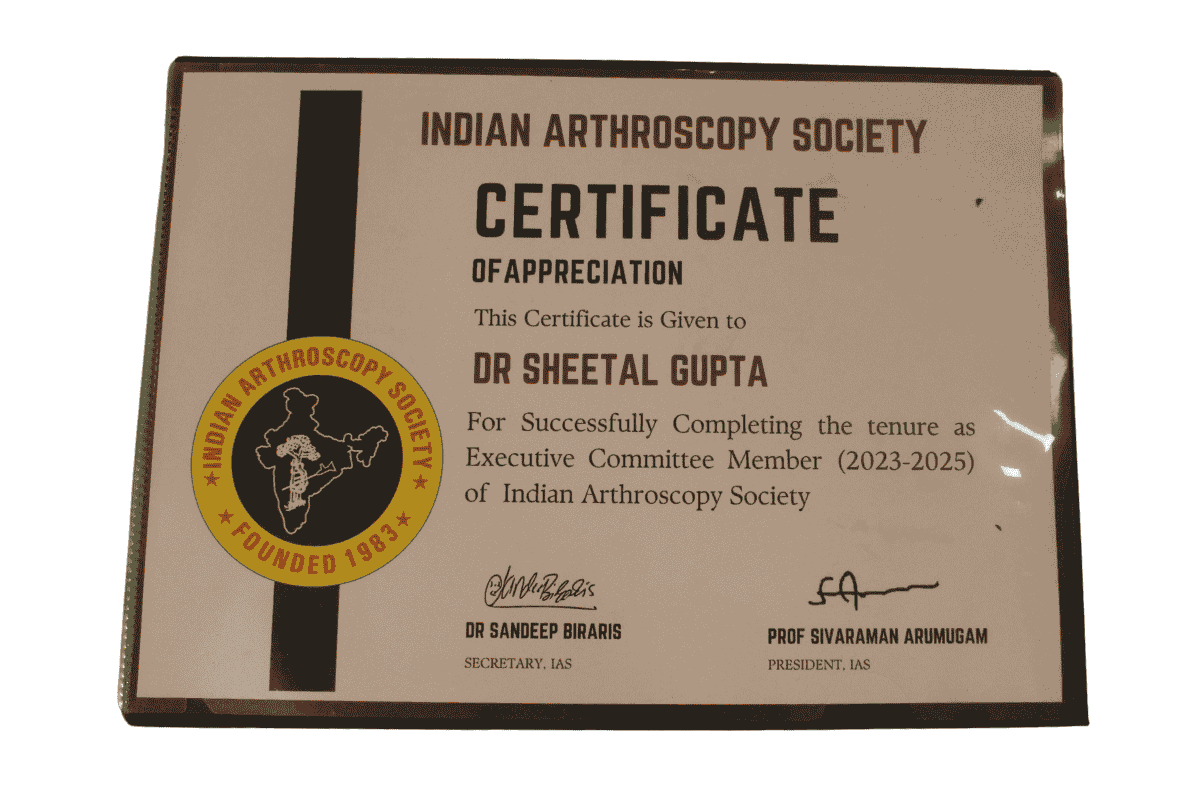
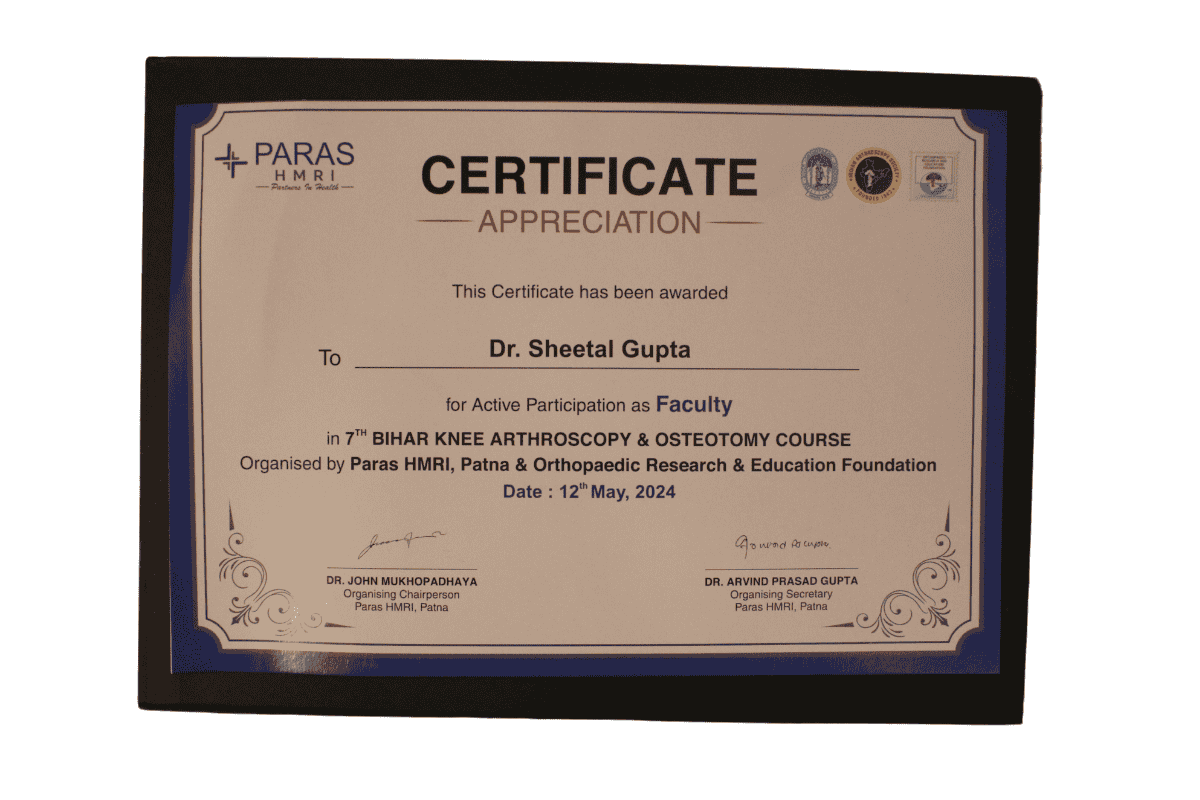
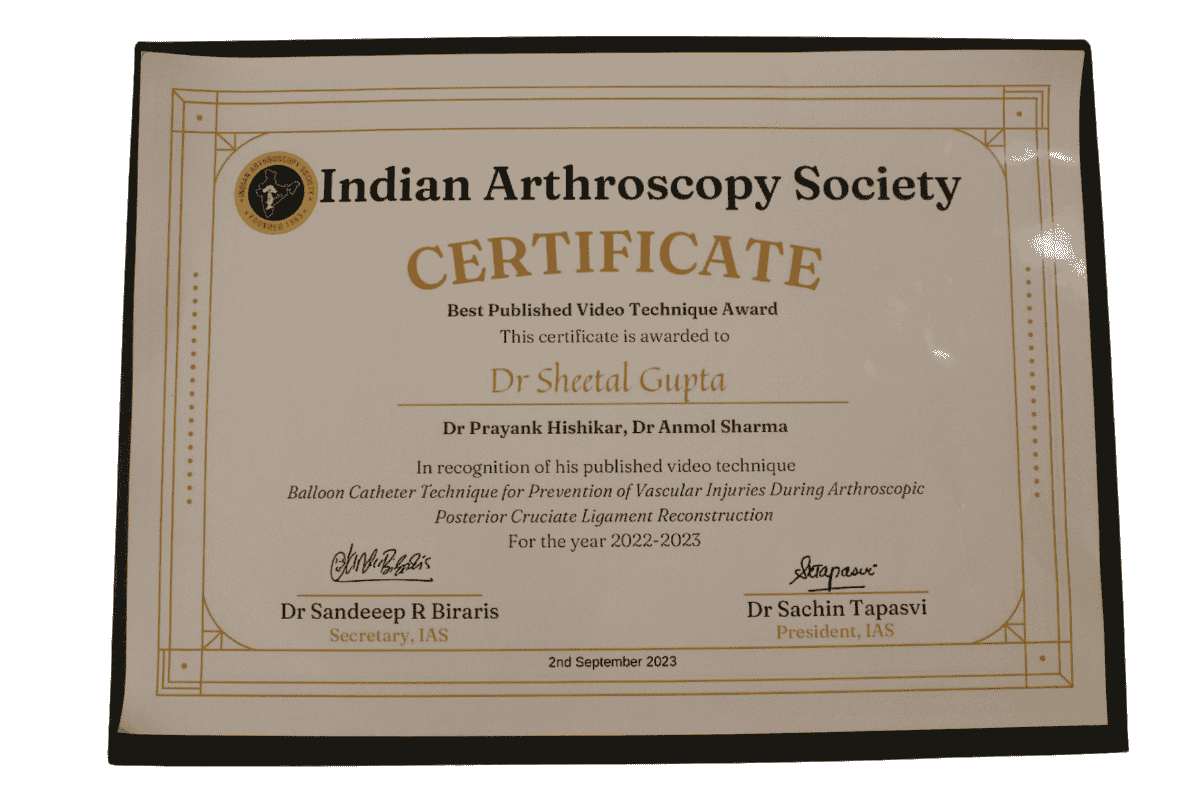
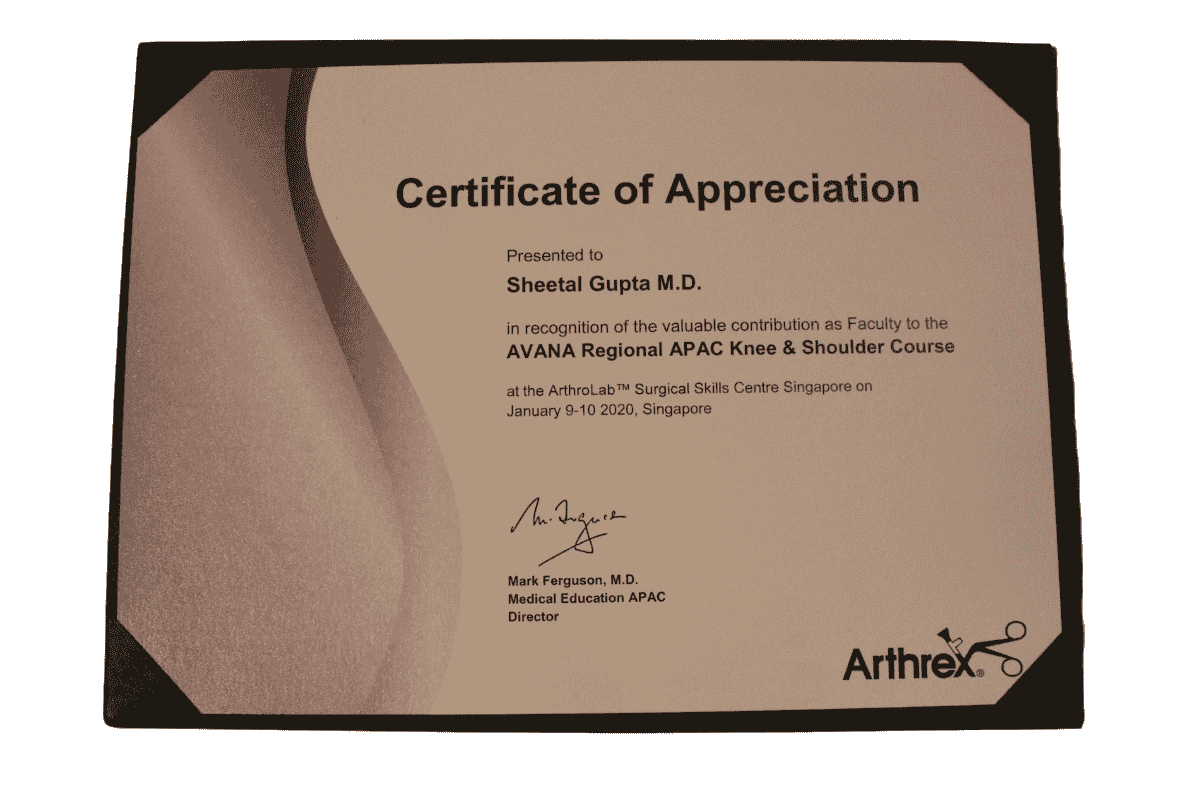
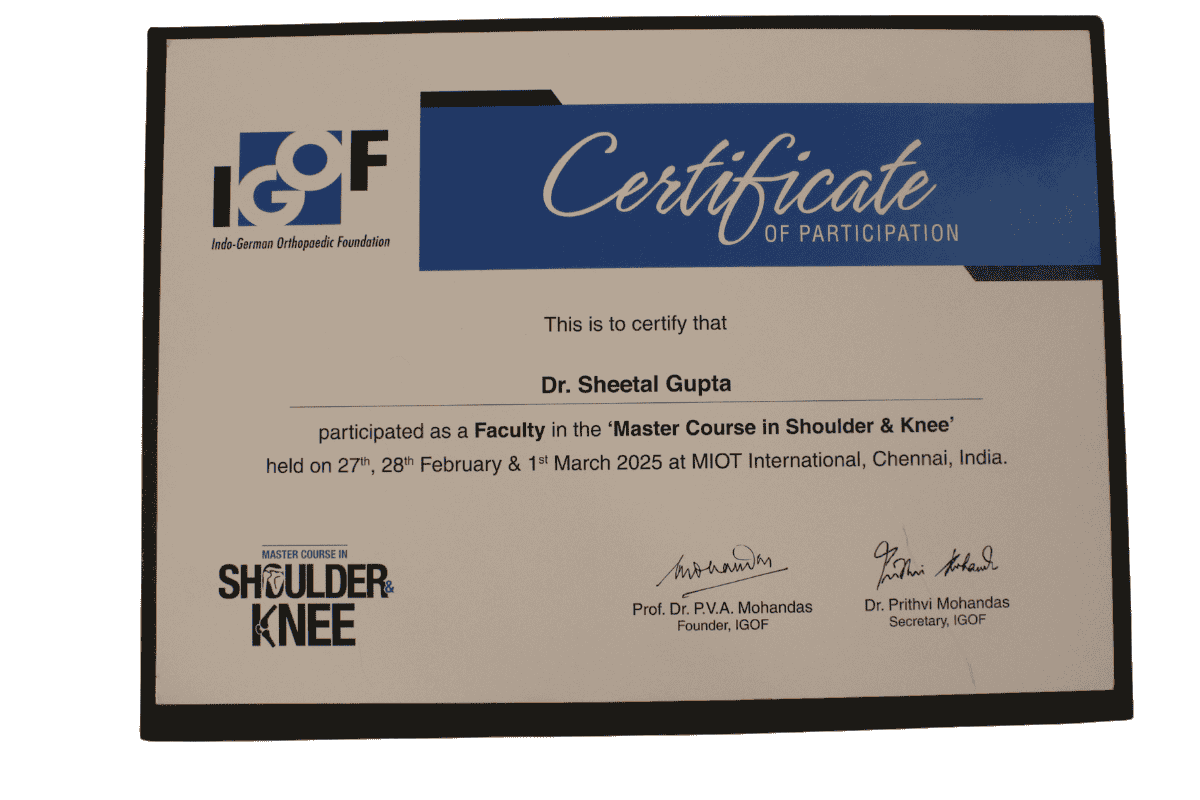
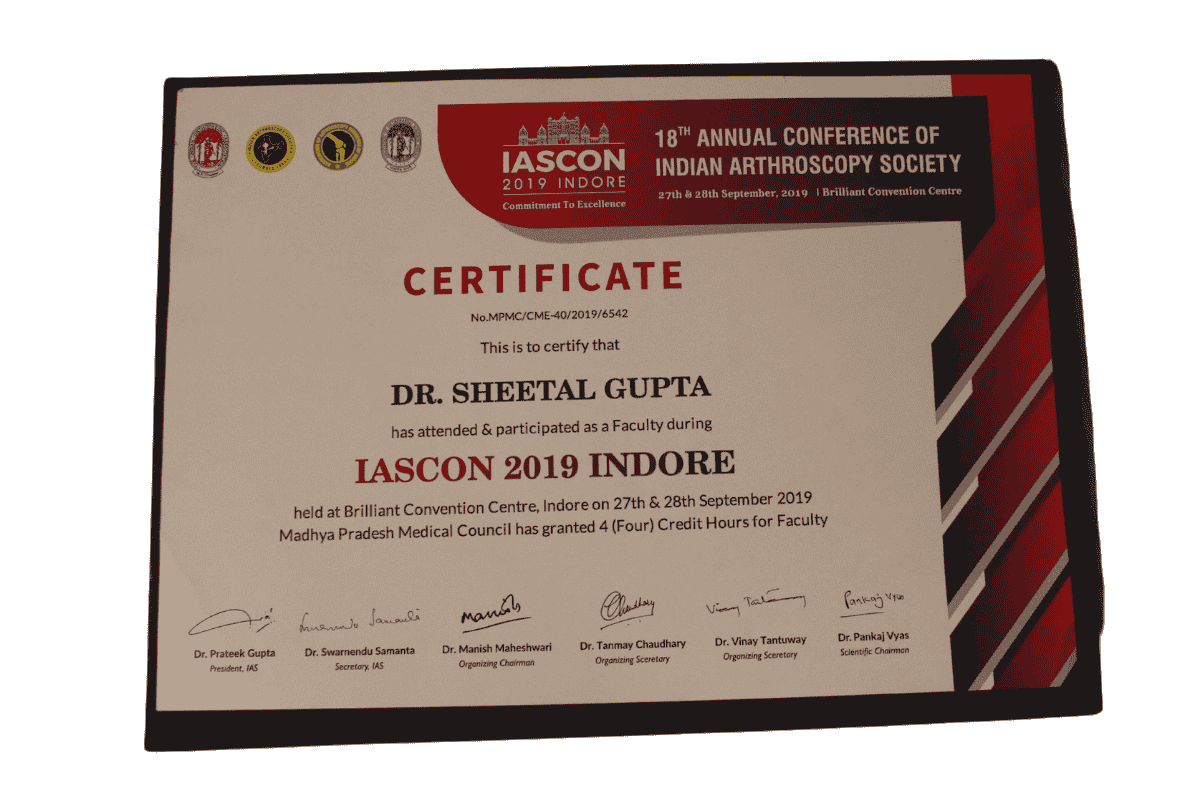
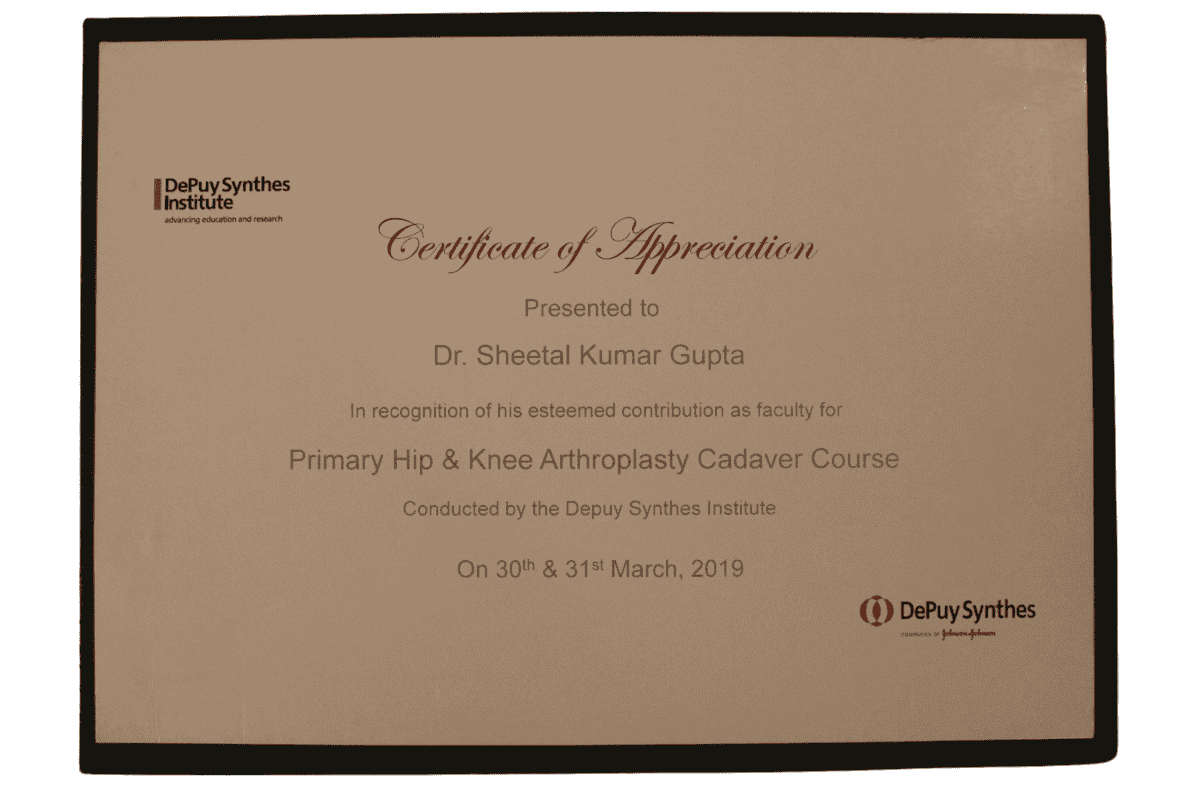
Dr. S.K. Gupta is a Senior Orthopaedic, Knee & Shoulder Surgeon with 21+ years of experience and 12,500+ surgeries performed. He holds an MS in Orthopaedics from LTMMC Medical College & Sion Hospital Mumbai and international fellowships from Japan, USA, Singapore, and Delhi. Widely known as the “Meniscus Man of India”, he is the first arthroscopy surgeon from India to receive the prestigious FAANA Fellowship and is recognized by the Abhinav Bindra Foundation Trust as a Centre of Excellence for Sports Surgeries. His surgical techniques are published in leading international journals.
Full Profile: https://drskguptaligamentsurgeonindia.com/about-dr/
Medical Disclaimer
The information on this page is intended for general educational purposes only and does not constitute medical advice. It does not replace a professional medical consultation, diagnosis, or treatment recommendation. Every patient’s condition is unique. Please consult Dr. SK Gupta or a qualified orthopaedic surgeon to determine the most appropriate treatment for your individual situation. Do not delay seeking professional medical advice based on information read on this website.
Why Choose Us for Hip Replacement Surgery
Why choose our "surgeon"?
- Our surgeon Dr S.K Gupta is a world renowned knee and shoulder surgeon with extensive experience of shoulder surgeries.
- He has over 21 years of focused work-experience in knee and shoulder arthroscopy and12500 + successful surgeries.
- He has experience of successful treatment of hundreds of International and national sports persons.
- His highest level of qualifications and mastery in his work, is the reason of making him first choice for frozen shoulder treatment by patients from across the country.
Why Choose Us?
- The hospital is dedicated Arthroscopy Centre with highest number of knee and shoulder surgeries.
- This makes every member of the team in your service, highly competent and experienced for knee and shoulder surgery pre-op, intra-op, post-op and rehabilitation management.
- The hospital is well known for affordable cost and cashless facility with combination of best surgeon, best equipments, best implants, and specially trained team for knee and shoulder surgery care.
Why does "surgeon's experience" matter?
- The successful result of surgery depends very much on the detailed and focused expertise of surgeon and his team.
- Experience and skills of your surgeon is the most important factor for successful result.
- You must research well about it, as the primary surgery is the most important chance.
Why choose our "operation theatre" and OT team?
- Hi-Tech modular operation theatres, high precision International equipments for arthroscopy, world class OT machinery specific for knee and shoulder surgery
- Protocol based and highly skilled OT team with focussed work in knee and shoulder arthroscopy plays a vital role in surgical success.
- All our operation theatres are well equipped with planum with HEPA filters. High efficiency HEPA filters can remove 99.97 to 99.99% of airborne particles including smallest bacteria to the size of 0.3 microns. This helps to safeguard our patient from infections.
- The hospital has well defined “infection control guidelines” to be followed by all team members. This helps in reducing the infection rate to less than 0.1%.
- “Triple Level checks” for sterility and disinfection of implants and OT support materials is strictly followed.
- “WHO surgical Safety protocol” for Sign-IN, Time-Out, Sign-Out is adhered to In 100% patients.
- “High pressure autoclave with Pre-Vac” and “ETO sterilization” procedures are used.
- Wheeling in, Wheeling out and anaesthesia safety protocols are strictly followed. One Way Traffic protocol is followed.
- Central Medical gases oxygen and nitrous supply And central suction systems are in place.
- Pressure Dampeners are active to maintain OR pressures. Humidity Checks are done to maintain evidence based recommended guidelines.
Why "post-op care" matters?
Post operative care matters a lot in final surgical success. Our team is highly trained and careful for handling the post op patients. Their intense efforts are visible in patient reviews for their hospital nursing and medical experience.
Various efforts are being done to safeguard the outcome and interest of our patients. Various
KPI (Key Performance Indicators) are being regularly caught, audited and analyzed. Team Galaxy takes utmost care and as a result the captured para are between 0 to 0.13%. This practice is one of the central reasons for our very high success rate. The para captured and assessments done are like-
- CAUTI
- PVC IR
- SSIR
- BTRI
- Med EI
- Fall Risk assessment
- Vulnerability Score
- Pain Score
- Pressure Sore vulnerability Assessment
- Patient Satisfaction Index
Post Op care team is regularly following Care Bundles like-
- PVC insertion Care Bundle
- PVR Daily Care Bundle
- Catheter Insertion Care Bundle
- Catheter Daily Care Bundle
- SS care Bundle
- WHO Hand Hygiene Protocol
- Universal Precautions
Patient Safety Protocols being followed are like-
- “7 Level Check” for Side identification
- Pre-Operative Checklist
- BT prep and safety protocol
- Belongings and Material Handover Protocol
- Surgical Site Marking Protocol
- Patient Identification Protocol
- Admission and Discharge Protocol
- Checklist for shifting from OR to Recovery SICU
- Checklist for shifting from SICU to Ward
- The finest details of immediate post-op depends on the expertise of medical, nursing and rehabilitation team.
- Since our hospital serves only for these surgeries, every member is extensively trained, as compared to any other general Orthopaedic Hospital serving many types of surgeries.
Why does our "rehabilitation team results" excel?
- The team follows “Surgical age-based assessments and reassessments” to formulate the customized care.
- Rehab is planned “One-O-One as per the milestones achieved” by the patient till visit date.
- Phases of Rehab are scientifically based on division into Macrocycle, Mesocycle and Microcycles of care, the Pre-Injury level of activity, the Surgical details of patient as per the surgeon; and “not one size fits all” method.
- The “5-Staged Plan of Care” of post op rehabilitation is followed for holistic recovery of patients –
- Protection & Activation
- Recovery of Range
- Strength Development
- Functional Integration Inclusion
- RTS If Sports Person
- Sports-Persons’ prolonged follow up to Return To Sports after RTS Testing is followed.
- Regular skill upgrade training of team is done as per new international guidelines.
- Our Physiotherapy team serves large number of ACL and meniscus surgery post operative patients, with close follow up, for return to normal and return to Sports.
- This huge experience in knee and shoulder surgery rehabilitation is the reason for their best results.
- Our successful results are the reason, why our old patients send other patients for similar results.
Contact Us


Happy to Serve Pt. From Various Cities
- Mumbai
- Chennai
- Lucknow
- Bengaluru
- Hyderabad
- Kolkata
- Surat
- Ahmedabad
- Pune
- Jalandhar
- Jaipur
- Jalgaon
- Solapur
- Chandigarh
- Nashik
- Goa
- Ranchi
- Madurai
- Kanpur
- Kochi
- Noida
- Coimbatore
- Jamshedpur
- Ludhiana
- Rajkot
- Amritsar
- Guwahati
- Dehradun
- Bhubaneswar
- Kota
- Agra
- Meerut
- Varanasi
- Aurangabad
- Jodhpur
- Vijaywada
- Raipur
- Sri Nagar
- Vadodara
- Cuttack
- Gwalior
- Nagpur
- Aligarh
- Bhopal
- Jabalpur
- Ujjain
- Udaipur
- Moradabad
- Chhindwara
- Patna
- Indore
- Shahdol
- Umaria
- Sagar
- Dewas
- Mandsaur
- Neemuch
- Ratlam
- Singrauli
- Prayagraj