

Shoulder Impingement Treatment In Bhopal | Dr SK Gupta
Our Work Experience
12500+ Successful
Surgeries
21+ Years
Of Experience
10000+ Sports
Persons Treated
25+ States Serve
from the Country
250 International
Stature Awards Ach.
98.33% Satisfaction
Happy Patient Index
Get An Expert Opinion
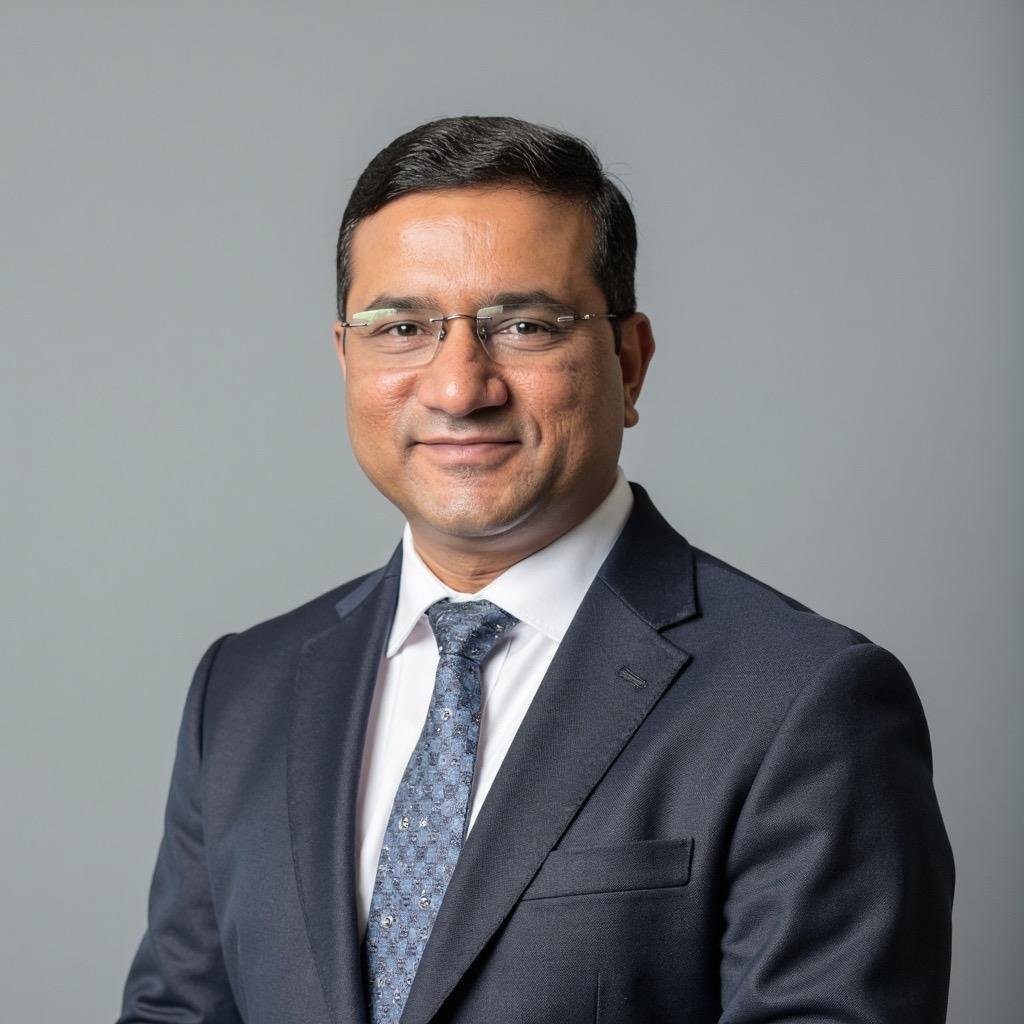
Dr. S. K. Gupta
Director, Arthroscopy & Joint Replacement, Apollo Sage Hospital, Bhopal, India
Arthroscopy & Sports Surgeon | Joint Replacement Specialist
Dr. S. K. Gupta is one of India’s most accomplished knee and shoulder arthroscopic surgeons, with over 21 years of orthopedic experience. He currently serves as Director, Arthroscopy & Joint Replacement at Apollo Sage Hospital, Bhopal.
Call for Phone Assistance
Google Reviews
EXCELLENT Based on 565 reviews
 Posted on Google
 Santosh ShrivasIn Apollo hospital...under guidance of Dr. SK Gupta sir I had completed my ACL reconstruction surgery under sir guidance.....with help of Dr Gupta expertise and skills I gone through a successful surgery. Dr. SK Gupta is a truly good and compassionate surgeon... talking about appolo hospital there the helpful nursing staff, cleanliness and comfort, management team, anesthesia team all provide me with the quick response...after surgery also the nursing staff provide me with the quick response and after surgery treatment... Talking about ACL surgery experience was overall good....the pre surgery process, surgery process, and physical therapy after surgery was also very effective As I experienced I would say For ligament and ACL reconstruction surgery D.R SK Gupta Sir was best and Apollo Hospital was bestPosted on Google
 Satyam KumarDr. S. K. Gupta performed ACL surgery on both of my mother’s knees, and we couldn’t be more grateful for his exceptional care and expertise. He explained the procedure clearly, ensured we were comfortable at every step, and followed up regularly during recovery. The surgeries went smoothly, and my mother is now recovering with great confidence. Dr. Gupta is not only highly skilled but also very compassionate and approachable. His team at the hospital was equally supportive and attentive. I would highly recommend Dr. S. K. Gupta for anyone looking for an experienced and caring orthopedic surgeon in Bhopal.Posted on Google
 Shivank Kashyap> I recently underwent surgery in Apollo SAGE hospital Bhopal and I’m very satisfied with the entire experience of Dr SK Gupta Sir team. The doctors and wtaff were professional, caring, and attentive throughout the process. The procedure went smoothly, and my recovery has been undergoing with SK Gupta Sir team. The doctors was very supportive during my undergoing recovery and visited multiple times a day to help with my issues and guide me with exercises. I’m thankful for his care and concern.Posted on Google
 Shubhanshu UsreteI would like to express my heartfelt gratitude to Dr. S.K. Gupta for the exceptional care and expertise he showed while treating my mother’s (Mrs. Indra Usrete) knee. She recently underwent surgery under his supervision, and we are truly thankful for how smoothly everything went — from pre-surgery counselling to post-operative recovery. Dr. Gupta’s professionalism, patience, and genuine concern for his patients made a huge difference in my mother’s confidence and comfort throughout the process. His ability to clearly explain every step of the treatment helped us feel reassured and informed at all times. I would highly recommend Dr. S.K. Gupta to anyone seeking an experienced, caring, and trustworthy orthopaedic specialist. P.S.- Above is my personal opinion, kindly take proper advise and guidance before treating your dear ones.Posted on Google
 YASH YEWALE
Trustindex verifies that the original source of the review is Google.
Dr. S.K. Gupta and team are doing good jobPosted on Google Dr. Mukesh Chandra BishtI had my knee surgery of acl and meniscus on 3rd October 2025 had a great experience. Dr Gupta is one of the best sports injuries specialist. The junior doctors and all the staff were very professional and everyone knew his/her role.Posted on Google
 Prashant ChaudharyIt's a privilege to having an International level doctor Dr S K Gupta sir (Knee & Shoulder Surgeon) in Central India, Bhopal. Else for the same surgery patients had to visit Mumbai, Delhi etc, now which saves time and money both. Thank you sir for successful ACL replacement of my wife.Posted on Google
 Pushpendra KushwahaDr. Well experienced and polite.. 2 din pahle main visit kiya tha x-ray quility had se jyada poor hai and x-ray staff all time mobile me lage rahte hai unka kam par bilkul dyan nhi rahta .. Jinki laparwahi ki wajah se report proper nhi ati hai aur digonosis sahi se nhi hua .. Ohi poor and galat report ki wajah se muje opass se surgery ka suggestion diya gya jab main second opinion liye other dr. Se to all good and fast recovery results aya..
Patient Success Stories
Our Experience in Numbers
Dr. S.K. Gupta is a renowned surgical orthopedic doctor practising in India.
Shoulder Impingement Treatment in Bhopal — Expert Arthroscopic Subacromial Decompression by Dr SK Gupta
If you are experiencing persistent shoulder pain, difficulty lifting your arm, or a nagging ache at night, you may be suffering from shoulder impingement syndrome — one of the most common causes of shoulder pain in both athletes and working adults. In Bhopal, at Apollo Sage Hospital, Dr SK Gupta — MS Ortho, Director of Arthroscopy & Joint Replacement — offers state-of-the-art arthroscopic shoulder impingement surgery, including subacromial decompression and rotator cuff repair, with 21+ years of surgical experience and over 12,500 successful orthopaedic procedures performed.
This page provides a comprehensive, medically accurate guide to shoulder impingement surgery — what it is, when it is needed, how it is performed, and what to expect during recovery — as practised at Apollo Sage Hospital, Bhopal, under the expert care of Dr SK Gupta.
Shoulder impingement is a condition that arises when the tendons of the rotator cuff or the bursa (a fluid-filled sac that reduces friction) become irritated or pinched due to narrowing of the space within the shoulder joint. This condition typically causes pain, weakness, and decreased range of motion in the shoulder, especially during overhead activities or lifting motions.
Shoulder impingement is common in athletes who perform repetitive overhead movements, such as swimmers, tennis players, and baseball pitchers. However, it can also occur in individuals who engage in regular overhead activities in daily life or due to the natural aging process.
1. What Is Shoulder Impingement Syndrome?
Direct Answer: Shoulder impingement syndrome occurs when the rotator cuff tendons and the subacromial bursa become compressed between the humerus (upper arm bone) and the acromion (part of the shoulder blade). This causes pain, inflammation, and reduced shoulder mobility, especially when raising the arm overhead.
The subacromial space is the narrow gap beneath the acromion through which rotator cuff tendons pass. When this space narrows — due to bone spurs, bursal swelling, or postural changes — the soft tissues become pinched or impinged during shoulder movement.
Key Facts About Shoulder Impingement
- It is the most common cause of shoulder pain, accounting for 44–65% of all shoulder complaints.
- It affects athletes (swimmers, cricketers, tennis players), manual labourers, and desk workers alike.
- Left untreated, it can progress to partial or full-thickness rotator cuff tears.
- Non-surgical treatment succeeds in approximately 60–70% of cases; the remainder may require surgery.
- Arthroscopic subacromial decompression is the gold-standard surgical treatment.
Anatomical Structures Involved
- Supraspinatus tendon (most commonly affected)
- Infraspinatus and subscapularis tendons
- Subacromial bursa (fluid-filled sac)
- Coracoacromial ligament
- Acromion (Types I, II, III — flat, curved, hooked)
2. What Is Shoulder Impingement Surgery?
Direct Answer: Shoulder impingement surgery, primarily performed as arthroscopic subacromial decompression (ASD), is a minimally invasive procedure that enlarges the subacromial space by removing bone spurs, reshaping the acromion, and excising inflamed bursal tissue. It relieves pain, restores full shoulder movement, and enables return to sports and daily activities.
The procedure is performed under general or regional anaesthesia through 2–3 small (0.5 cm) portals using a high-definition arthroscope. There are no large incisions, the muscles are not cut, and patients typically go home the same day or the next morning.
Quick Summary Box
Feature | Detail |
Procedure Name | Arthroscopic Subacromial Decompression (ASD) |
Also Called | Shoulder Impingement Surgery, Acromioplasty |
Technique | Minimally invasive arthroscopy |
Anaesthesia | General or regional (interscalene block) |
Duration | 45–90 minutes |
Hospital Stay | Day care / 1 overnight stay |
Incisions | 2–3 small portals (~0.5 cm each) |
Return to Daily Activities | 2–4 weeks |
Return to Sports | 4–6 months |
Surgeon | Dr SK Gupta, Apollo Sage Hospital, Bhopal |
3. Who Needs Shoulder Impingement Surgery?
Direct Answer: Surgery is indicated when a patient with confirmed shoulder impingement syndrome has not improved after 3–6 months of comprehensive non-surgical treatment, including physiotherapy, anti-inflammatory medications, and corticosteroid injections, or when structural abnormalities such as a Type III (hooked) acromion or large bone spurs are identified on imaging.
Candidates for Shoulder Impingement Surgery
- Persistent shoulder pain for more than 3–6 months despite conservative treatment
- Confirmed subacromial impingement on MRI or ultrasound
- Bone spur (osteophyte) compressing the rotator cuff tendon
- Type II or Type III acromion morphology
- Partial-thickness rotator cuff tear associated with impingement
- Athletes requiring early return to sport (cricketers, swimmers, overhead athletes)
- Occupational overhead workers with persistent pain and disability
Non-Surgical Treatment First
Dr SK Gupta follows an evidence-based, conservative-first approach. Non-surgical options include:
- Physiotherapy: Rotator cuff strengthening and scapular stabilisation exercises
- NSAIDs: Anti-inflammatory medications for pain and swelling
- Subacromial corticosteroid injection for acute flare-ups
- Activity modification and postural correction
- Ultrasound-guided hydrodilatation in select cases
Surgery is considered only when these measures fail to provide adequate relief or when structural impingement is severe.
4. Diagnosing Shoulder Impingement
Direct Answer: Shoulder impingement is diagnosed through a combination of clinical history, physical examination (Neer’s test, Hawkins-Kennedy test, painful arc), and imaging. MRI is the most detailed investigation, revealing bursal inflammation, rotator cuff integrity, and acromion morphology.
Investigations Available at Apollo Sage Hospital, Bhopal
- X-ray (shoulder series): Bone spur, acromion morphology, calcification
- MRI Shoulder (3T): Rotator cuff integrity, bursal swelling, labral tears
- Ultrasound Shoulder: Dynamic real-time assessment of tendons
- CT Scan: Detailed bony anatomy in complex cases
- Diagnostic Arthroscopy: Definitive intra-operative assessment
Clinical Tests for Impingement
Test | What It Assesses | Positive Indicator |
Neer’s Impingement Test | Subacromial compression | Pain on passive forward flexion >90° |
Hawkins-Kennedy Test | Subcoracoid/rotator cuff impingement | Pain with internal rotation at 90° flexion |
Painful Arc Test | Mid-range (70–120°) impingement | Pain between 70–120° of abduction |
Jobe’s Test (Empty Can) | Supraspinatus integrity | Weakness/pain in internally rotated abduction |
Neer Injection Test | Confirms subacromial origin | Pain relief after subacromial local anaesthetic |
5. Types of Shoulder Impingement Surgery
Depending on the extent of the problem found at diagnostic arthroscopy, Dr SK Gupta may perform one or more of the following procedures:
5.1 Arthroscopic Subacromial Decompression (ASD)
The most common procedure. The acromioplasty (reshaping of the acromion) and bursectomy (removal of inflamed bursa) are performed arthroscopically. The coracoacromial ligament may also be partially released. This creates more space for the rotator cuff tendons, eliminating compression and pain.
5.2 Rotator Cuff Repair
If the impingement has caused a partial or full-thickness tear in the rotator cuff — most commonly the supraspinatus — Dr SK Gupta performs an arthroscopic rotator cuff repair using suture anchors. The torn tendon is re-attached to the humeral head with bioabsorbable anchors and high-strength sutures.
5.3 Acromioclavicular (AC) Joint Resection
If the AC joint has developed arthritic changes that contribute to impingement (Type II or Type III acromion), a minimal distal clavicle resection is added during the same arthroscopic procedure.
5.4 Calcific Tendinitis Removal
Calcium deposits within the rotator cuff tendons cause a specific form of impingement. These are lavaged (washed out) or debrided arthroscopically during the procedure.
Comparison: Arthroscopic vs Open Surgery
Factor | Arthroscopic (Dr SK Gupta) | Open / Mini-Open Surgery |
Incision Size | 3 small portals ~0.5 cm | 5–8 cm incision |
Muscle Damage | Minimal — no muscle cutting | Deltoid muscle split required |
Hospital Stay | Day care / 1 night | 2–3 nights typically |
Pain Post-op | Minimal | Moderate to significant |
Complication Rate | Lower | Higher |
Scar | Barely visible | Linear scar |
Visualisation | HD arthroscopic camera — superior | Limited field of view |
Recovery | Faster — 4–6 months | 6–9 months |
6. The Arthroscopic Shoulder Impingement Surgery: Step by Step
Direct Answer: Arthroscopic shoulder impingement surgery involves four key steps: patient positioning, portal creation, diagnostic arthroscopy, and targeted subacromial decompression — all performed with a tiny HD camera and precision instruments. The procedure takes 45–90 minutes under anaesthesia.
Pre-operative Preparation
- Pre-anaesthesia assessment including ECG, blood tests, and chest X-ray
- Informed consent and detailed surgical planning with MRI review
- Interscalene nerve block (regional anaesthesia) combined with general anaesthesia for optimal pain control
- Patient positioned in beach-chair or lateral decubitus position
Intra-operative Steps
- Skin prep, draping, and portal marking using anatomical landmarks.
- Posterior portal created; high-definition arthroscope inserted (4 mm, 30°).
- Glenohumeral (ball-and-socket) joint diagnostic survey — labrum, cartilage, biceps tendon, rotator cuff inner surface examined.
- Arthroscope redirected to subacromial space through posterior portal.
- Lateral working portal established for instruments.
- Bursectomy: inflamed subacromial bursa debrided and removed for clear visualisation.
- Acromioplasty: radiofrequency ablation and a powered shaver used to remove bone spurs and reshape the acromion under direct HD vision.
- Coracoacromial ligament release/partial excision if contributing to impingement.
- If rotator cuff tear present: repaired with suture anchors, single or double-row technique depending on tear size.
- Portals irrigated, closed with 3-0 nylon sutures, sterile dressing applied.
- Arm placed in a sling.
7. Why Choose Dr SK Gupta for Shoulder Impingement Surgery in Bhopal?
Direct Answer: Dr SK Gupta is India’s most decorated arthroscopy surgeon, with 21+ years of experience, 12,500+ surgeries, international fellowships from Japan, Singapore, and AIIMS Delhi, and the distinction of being the first Indian arthroscopist to receive the FAANA Fellowship. He leads Arthroscopy & Joint Replacement at Apollo Sage Hospital, Bhopal — the region’s premier orthopedic centre.
Credentials & Achievements
- MS Orthopaedics — University of Mumbai
- Fellowship in Arthroscopy — Japan (Asia’s most advanced arthroscopy training)
- Fellowship in Sports Medicine & Arthroscopy — Singapore
- Fellowship — AIIMS New Delhi (Premier national institute)
- FAANA Fellowship — First arthroscopy surgeon from India to receive this honour
- Recognised by the Abhinav Bindra Foundation Trust as a Centre of Excellence for Sports Surgeries
- Director, Arthroscopy & Joint Replacement, Apollo Sage Hospital, Bhopal
- 21+ years of clinical experience | 12,500+ orthopaedic surgeries
- Widely known as the ‘Meniscus Man of India’ — a testament to surgical excellence
To learn more about Dr SK Gupta’s full profile and international training, visit: About Dr SK Gupta | International Presence
What Patients Say
Patients from across India — from Bhopal, Indore, Jabalpur, and major metros — travel to Apollo Sage Hospital specifically for Dr SK Gupta’s arthroscopic expertise. Read written testimonials and watch video testimonials from patients who have undergone shoulder surgery.
8. The Apollo Sage Hospital Advantage — India's Best Arthroscopy Centre in Central India
Direct Answer: Apollo Sage Hospital, Bhopal is the leading arthroscopy and sports surgery centre in Central India, equipped with HD arthroscopy systems, advanced imaging, dedicated physiotherapy suites, and 24/7 orthopaedic critical care — all under the leadership of Dr SK Gupta.
Facilities & Technology
- High-definition 4K arthroscopy imaging systems
- Dedicated Orthopaedic & Sports Surgery Operation Theatres
- 3 Tesla MRI and advanced digital fluoroscopy
- Comprehensive physiotherapy and rehabilitation department
- Day-care surgical facility for rapid recovery protocols
- ICU and post-operative anaesthesia care unit (PACU)
- International patient assistance and travel facilitation
Location & Contact
Apollo Sage Hospital, Bhopal, Madhya Pradesh, India
Dr SK Gupta also consults at:
BOOK YOUR APPOINTMENT: ☎ +91-7610101079 | +91-7611111179
Online Appointment: Book Appointment with Dr SK Gupta
9. Recovery & Rehabilitation After Shoulder Impingement Surgery
Direct Answer: Recovery after arthroscopic shoulder impingement surgery (without rotator cuff repair) typically takes 6–12 weeks for full daily activity and 4–6 months for return to sport. When rotator cuff repair is combined, the recovery extends to 6–9 months due to tendon healing requirements.
Recovery Timeline Checklist
Time | Milestones |
Days 1–3 | Arm in sling. Ice packs for swelling. Pendulum exercises begin. Oral analgesics. |
Week 1–2 | Wound check. Sutures removed Day 10–12. Gentle pendulum and passive range of motion. |
Week 2–6 | Active-assisted physiotherapy begins. Sling use reduced. Light daily tasks. |
Week 6–12 | Active range of motion exercises. Rotator cuff strengthening begins. |
Month 3–4 | Progressive resistance training. Most daily activities fully restored. |
Month 4–6 | Return to recreational sport for decompression-only cases. |
Month 6–9 | Return to competitive sport if rotator cuff repair was performed. |
Physiotherapy Protocol Highlights
- Phase 1 (0–6 weeks): Pain control, passive motion, pendulum exercises
- Phase 2 (6–12 weeks): Active motion restoration, scapular stabilisation
- Phase 3 (3–5 months): Rotator cuff strengthening, proprioception
- Phase 4 (5–9 months): Sports-specific rehabilitation and return-to-sport testing
10. Risks and Precautions
Direct Answer: Arthroscopic shoulder surgery is a safe, well-established procedure with a low overall complication rate. General surgical risks include infection, nerve injury, stiffness, and anaesthetic reactions, all of which are rare. Dr SK Gupta’s extensive experience and Apollo Sage’s advanced facility minimise these risks further.
Possible Risks (All Rare)
- Superficial wound infection (<1%) — managed with antibiotics
- Shoulder stiffness / frozen shoulder — addressed with physiotherapy
- Nerve or vessel injury (rare, <0.5%)
- Incomplete symptom relief (~5–10% of cases, often amenable to further physiotherapy)
- Deep vein thrombosis (rare in shoulder surgery)
- Anaesthetic reaction (pre-assessed and minimised by expert anaesiology team)
- Need for revision surgery (rare, in complex multi-pathology cases)
All surgical risks are discussed in detail during the pre-operative consultation with Dr SK Gupta.
Why Consult Dr. S.K. Gupta for Shoulder Impingement Pain Treatment
Dr. Sheetal Kumar Gupta is an arthroscopy and sports injury specialist heading the arthroscopy and joint reconstruction unit at apollo sage and galaxy hospital, Bhopal. He has been a consultant for sports medicine, Sports Authority of India & State Sports Academy and is serving National level teams of various disciplines like Hockey, Judo, Kabbadi, Water Sports, Wushu Taikwando etc.
He has done his fellowship in Arthroscopy and Sports medicine from Japan and was trained at various international surgical centres. With an experience of more than 18 years, he has performed over 8000 knee and shoulder surgeries including complex ligament surgeries and surgeries of around more than 2000 National/International level players of various disciplines. He is National and International level faculty for various seminars, conferences and workshops.
Notable Achievements:
- Trained at Japan, Germany, UK, Singapore, Malaysia and Thailand.
- Visiting sports medicine specialist Sports Authority of India (SAI).
- Ex Sports injury specialist to Indian senior Women National Hockey team.
- Ex-Dope control officer, National Anti-doping Agency (NADA).
- National faculty for advance knee and shoulder arthroscopy workshop and conferences.
- Performed more than 8000 arthroscopies independently including knee, shoulder, ankle and hip arthroscopies.
- Successfully operated over 2000 players who are back in sports and have won national and international medals after their surgeries.
- Successfully treated more than 10000 sports players of various disciplines.
- Internationally trained and more than 21+ years of experience.
- Has treated National and International level players of Hockey like Sardar Singh, Shivendra, Sandeep Singh, Dilip Tirkey, Sameer Dad ; Olympic champion Ankit Sharma, Commonwealth Karate champion Supriya Jatav, world champions of Judo like Sanathoi, Kalpana Devi, Navjot to name a few and boxing legends like M.C. Mary Kom & Sarita devi.
📞 Call / WhatsApp: +91-7610101079 | +91-7611111179
📅 Book Online: https://apollosage.in/doctors/dr-s-k-gupta
📍 Apollo Sage Hospital, Bhopal: https://share.google/SXEd0xJbNkufOGGXc
📍 Orthocity Clinic, Arera Colony, Bhopal: https://share.google/QfMSO7rDjztjpYLI2
📧 Send your MRI / X-ray report online for an expert second opinion.
Types Of Treatments Offered By SKG Ortho Unit.
Dr. S.K. Gupta specializes in problems of shoulder, hip and knee. These are the following types of treatments that the doctor provides.
Sports Injury Treatment
HIP Surgery
11. Frequently Asked Questions (FAQs) — Shoulder Impingement Surgery
Q1. What is shoulder impingement surgery called?
Shoulder impingement surgery is most commonly called Arthroscopic Subacromial Decompression (ASD). It may also involve Acromioplasty (reshaping the acromion bone) and Bursectomy (removal of the inflamed bursa). In some patients, an additional Rotator Cuff Repair is performed if a tear is present. Dr SK Gupta at Apollo Sage Hospital, Bhopal, performs all these procedures arthroscopically.
Q2. Is shoulder impingement surgery painful?
The surgery itself is performed under anaesthesia, so there is no pain during the procedure. Post-operative pain is typically mild to moderate and is well-controlled with oral pain medications and ice therapy. Most patients are comfortable within 3–5 days. Dr SK Gupta's team at Apollo Sage Hospital Bhopal uses multimodal pain management protocols for optimal comfort.
Q3. How long does shoulder impingement surgery take?
Arthroscopic shoulder impingement surgery (subacromial decompression) typically takes 45–60 minutes. If a rotator cuff repair is performed simultaneously, the procedure may take 90–120 minutes. The total hospital stay, including pre-operative preparation and post-operative recovery, is usually 4–6 hours for day-care cases.
Q4. What is the recovery time after shoulder impingement surgery in Bhopal?
For arthroscopic subacromial decompression alone, most patients return to light daily activities within 2–4 weeks and full activities within 3 months. Return to sport takes 4–6 months. When rotator cuff repair is combined, recovery extends to 6–9 months. Dr SK Gupta at Apollo Sage Hospital, Bhopal, provides a personalised rehabilitation protocol for each patient.
Q5. Can shoulder impingement be treated without surgery?
Yes. Most cases of shoulder impingement syndrome (approximately 60–70%) respond well to conservative treatment including physiotherapy, anti-inflammatory medications, and subacromial corticosteroid injections. Surgery is recommended only when non-surgical treatment fails after 3–6 months, or when significant structural abnormalities such as large bone spurs or rotator cuff tears are present.
Q6. Is arthroscopic shoulder surgery better than open surgery?
Arthroscopic surgery is superior to open surgery for most shoulder impingement cases. It requires only 2–3 tiny portals (0.5 cm), preserves all muscles, offers HD magnified visualisation, results in less post-operative pain, lower infection risk, shorter hospital stay, and faster recovery. Dr SK Gupta at Apollo Sage Hospital Bhopal exclusively performs arthroscopic shoulder procedures for these proven advantages.
Q7. Who is the best shoulder surgeon in Bhopal?
Dr SK Gupta — MS Ortho, Director Arthroscopy & Joint Replacement at Apollo Sage Hospital Bhopal — is widely regarded as the leading shoulder and arthroscopy surgeon in Central India. With 21+ years of experience, 12,500+ procedures, international fellowships from Japan, Singapore, and AIIMS Delhi, and the FAANA Fellowship (first Indian arthroscopist), Dr Gupta is the preferred choice for shoulder surgery in Bhopal and across India.
Q8. What is the success rate of shoulder impingement surgery?
Arthroscopic subacromial decompression has high success rates in appropriately selected patients. Published evidence shows 80–90% of patients experience significant pain relief and improved function. Outcomes depend on patient factors (age, occupation, compliance with physiotherapy) and the extent of disease. Dr SK Gupta provides individualised counselling about expected outcomes during the pre-operative consultation.
Q9. How soon can I play cricket or swim after shoulder impingement surgery?
Overhead athletes such as cricketers, swimmers, and tennis players can typically return to sport in 4–6 months after arthroscopic subacromial decompression alone. If a rotator cuff repair was simultaneously performed, return to competitive sport takes 6–9 months. Dr SK Gupta works closely with physiotherapists and sports coaches for safe, progressive return-to-sport programs.
Q10. Is shoulder impingement surgery done as day care in Bhopal?
Yes. Arthroscopic shoulder impingement surgery at Apollo Sage Hospital, Bhopal is routinely performed as a day-care or 23-hour stay procedure for medically fit patients. You are admitted on the morning of surgery and discharged the same evening or the following morning. This is made possible by the minimally invasive arthroscopic technique and Apollo Sage's dedicated day-care orthopaedic pathway.
Q11. What causes shoulder impingement syndrome?
Shoulder impingement syndrome is caused by narrowing of the subacromial space, which compresses the rotator cuff tendons and bursa. Common causes include: bone spurs on the acromion or clavicle, Type II or III hooked acromion morphology, subacromial bursitis, rotator cuff tendon thickening (tendinopathy), poor posture, repetitive overhead activities, and age-related changes. Sports such as cricket, swimming, and tennis are commonly associated.
Q12. What happens if shoulder impingement is left untreated?
Untreated shoulder impingement can progress to partial or full-thickness rotator cuff tears, which are more complex and require more extensive surgical repair. Chronic impingement can also lead to subacromial bursitis, calcific tendinitis, and ultimately shoulder stiffness (adhesive capsulitis). Early intervention — medical and, if needed, surgical — prevents these complications and achieves better long-term outcomes.
Q13. Can shoulder impingement recur after surgery?
Recurrence after technically well-performed arthroscopic subacromial decompression is uncommon. However, patients who return to heavy overhead activities without adequate rehabilitation, or who develop rotator cuff tears post-operatively, may experience recurrent symptoms. Dr SK Gupta emphasises a structured physiotherapy programme and lifestyle modification to minimise recurrence risk.
Q14. Does Dr SK Gupta treat shoulder impingement at Orthocity Clinic, Bhopal?
Yes. Dr SK Gupta consults at both Apollo Sage Hospital, Bhopal, and at Orthocity Clinic, Bhopal. Initial consultations and follow-up appointments are available at Orthocity Clinic. Surgeries are performed at Apollo Sage Hospital's dedicated arthroscopy theatres. For directions to Orthocity Clinic: https://share.google/QfMSO7rDjztjpYLI2
Q15. How do I book an appointment with Dr SK Gupta for shoulder surgery in Bhopal?
You can book an appointment with Dr SK Gupta for shoulder impingement surgery by calling +91-7610101079 or +91-7611111179. Online appointments can be booked at https://apollosage.in/doctors/dr-s-k-gupta. Apollo Sage Hospital is located in Bhopal, Madhya Pradesh, and patients travel from across India and internationally for Dr SK Gupta's arthroscopic expertise.
Q16. Where can I get shoulder impingement surgery in Bhopal?
Apollo Sage Hospital, Bhopal is the premier destination for shoulder impingement surgery in Central India. Under the leadership of Dr SK Gupta — MS Ortho, Director Arthroscopy & Joint Replacement — the hospital provides full-spectrum arthroscopic shoulder care including subacromial decompression, rotator cuff repair, and sports shoulder surgery. Contact: +91-7610101079.
Q17. Is shoulder surgery available at Apollo Sage Hospital Bhopal?
Yes. Apollo Sage Hospital, Bhopal offers comprehensive shoulder surgery including arthroscopic subacromial decompression, rotator cuff repair, acromioplasty, AC joint resection, and calcific tendinitis removal. These procedures are performed by Dr SK Gupta, one of India's most experienced shoulder arthroscopy surgeons, using state-of-the-art HD arthroscopy equipment.
Q18. Which hospital in Bhopal is best for shoulder treatment?
Apollo Sage Hospital, Bhopal is the leading hospital for shoulder treatment in Madhya Pradesh. It is the only centre in Central India led by a FAANA fellowship-trained arthroscopy surgeon (Dr SK Gupta) with 21+ years of experience, advanced arthroscopy theatres, 3T MRI imaging, and a dedicated sports surgery rehabilitation programme.
What Happens When You Have Shoulder Impingement?
Shoulder impingement occurs when the tendons of the rotator cuff muscles become irritated or inflamed as they pass through the shoulder’s narrow space, known as the subacromial space. This condition is often caused by repetitive overhead movements or trauma to the shoulder. Common symptoms include: (vid new- How would I know that my shoulder pain due to shoulder impingement?)
- Pain in the Shoulder: Often felt on the outer side of the shoulder and may worsen with overhead activities or lifting the arm.
- Limited Range of Motion: Difficulty moving the shoulder fully, especially when raising the arm.
- Weakness: Loss of strength in the shoulder, making it difficult to perform daily tasks or activities that involve lifting.
- Swelling and Inflammation: Swelling in the shoulder area due to irritated tendons.
- Night Pain: Pain may worsen during sleep, particularly when lying on the affected side.
What is Shoulder Impingement Surgery?
Shoulder impingement surgery is a procedure used to address chronic shoulder pain caused by the compression or “impingement” of the rotator cuff tendons and the bursa, a fluid-filled sac in the shoulder joint. There are various approaches to surgical intervention, such as:
- Arthroscopic Subacromial Decompression: A minimally invasive procedure where small incisions are made to remove tissue causing the impingement and expand the subacromial space.( vid new- what is shoulder SAD?)
- Open Surgery: In more severe cases, open surgery may be required to repair or remove damaged tissue.
- Tendon Repair: If the impingement has caused tears or damage to the rotator cuff tendons, they may need to be repaired or reattached during the surgery.
Does Shoulder Impingement Require Surgery?
Not all cases of shoulder impingement require surgery. Many individuals with mild to moderate symptoms can benefit from conservative treatments such as physical therapy, rest, anti-inflammatory medications, and corticosteroid injections. However, surgery may be required in the following scenarios: (vid new- Do all cases of shoulder impingement require surgery?)
- Chronic or Severe Pain: If pain persists despite non-surgical treatments.
- Limited Range of Motion: If the impingement limits arm movement and affects daily life.
- Tendon Damage: If the rotator cuff tendons or the bursa are severely damaged.
- Weakness: When strength in the shoulder is compromised, making it difficult to perform everyday activities.
- Failure of Conservative Treatment: When non-surgical treatments such as physiotherapy or medication fail to provide relief.
Symptoms of Shoulder Impingement
Individuals with shoulder impingement typically experience the following symptoms:
- Pain: Often felt on the front or side of the shoulder, particularly when lifting the arm.
- Difficulty Raising the Arm: Difficulty lifting the arm overhead or reaching behind the back.
- Weakness: Reduced strength in the shoulder, especially when trying to lift objects or perform overhead activities.
- Pain During Sleep: Difficulty sleeping on the affected shoulder due to discomfort or pain.
- Swelling: Inflammation or tenderness around the shoulder joint.
Can Shoulder Impingement Lead to Other Shoulder Issues?
While shoulder impingement itself may not directly lead to more severe conditions, it can contribute to the development of other shoulder problems if left untreated. Some potential complications include:
- Rotator Cuff Tears: If the impingement continues, it may cause tears in the rotator cuff tendons, which can lead to more severe pain and dysfunction.
- Bursitis: Inflammation of the bursa may occur due to repeated friction from impingement, leading to painful bursitis.
- Frozen Shoulder: Chronic inflammation may result in stiffness and loss of range of motion, which can develop into frozen shoulder or adhesive capsulitis.
- Arthritis: Over time, impingement can lead to joint degeneration and the onset of arthritis in the shoulder joint.
Treatment Options for Shoulder Impingement
Treatment for shoulder impingement varies depending on the severity of the condition. The options include:
Conservative Treatment
- Physical Therapy: A structured rehabilitation program aimed at strengthening the rotator cuff muscles and improving flexibility.
- Ice and Heat Therapy: Application of ice to reduce inflammation and heat to relax tense muscles.
- Non-Steroidal Anti-Inflammatory Drugs (NSAIDs): These medications help reduce pain and inflammation in the shoulder.
- Corticosteroid Injections: Injections can provide relief from pain and inflammation in the shoulder joint.
- Rest: Avoiding activities that aggravate the impingement is essential for healing.
Surgical Treatment
Surgery is typically considered when conservative treatments fail. The most common types of surgery for shoulder impingement include:
- Arthroscopic Surgery: A minimally invasive procedure that involves small incisions and the use of a camera to remove or repair damaged tissue and clear the impingement.
- Open Surgery: In severe cases, open surgery may be necessary to address structural issues in the shoulder.
- Rotator Cuff Repair: If the tendons are damaged, the surgeon may perform a repair to reattach them to the bone.
Pre-Surgery and Post-Surgery Protocol for Shoulder Impingement
Before undergoing surgery for shoulder impingement, a comprehensive evaluation is done. The following steps are involved:
Pre-Surgery Preparation
- Physical Examination: To assess shoulder function, pain, and mobility.
- Imaging Tests: X-rays, MRIs, or ultrasounds may be used to evaluate the extent of the impingement or identify any underlying damage to the tendons or bursa.
- Medications: Inform the doctor of any medications or supplements being taken, especially blood thinners, which may need to be stopped before surgery.
Post-Surgery Recovery
- Rest: The shoulder must be kept immobilized for a certain period, depending on the type of surgery.
- Ice Application: Ice packs are applied to reduce swelling and pain post-surgery.
- Pain Management: Pain medications may be prescribed to control discomfort after surgery.
- Physical Therapy: After the initial healing period, physical therapy is crucial to regain strength and range of motion.
- Follow-up Appointments: Regular follow-up visits are scheduled to monitor recovery progress and address any complications.
Risks and Complications of Shoulder Surgery
Shoulder impingement surgery is generally safe, but it carries some risks, including:
- Infection: Any surgical procedure carries a risk of infection, especially in the surgical site.
- Nerve Damage: There is a risk of damage to nerves in the shoulder during surgery.
- Stiffness or Weakness: Some patients may experience stiffness or weakness in the shoulder post-surgery.
- Recurrent Impingement: In some cases, the impingement may recur if the underlying cause is not completely addressed.
- Tendon Re-tearing: In rare cases, a rotator cuff tendon may tear again after surgery.
Shoulder Impingement Surgery Cost in India
The cost of shoulder impingement surgery in India varies widely based on factors such as the type of surgery, hospital facility, and surgeon’s expertise. Factors influencing the cost include:
- Hospital Type: Private multispecialty hospitals tend to charge more than government hospitals.
- Surgeon’s Expertise: Highly experienced surgeons may charge higher fees.
- Type of Surgery: Arthroscopic surgery is typically more affordable than open surgery.
- Geographic Location: The cost of surgery may vary by city, with major metropolitan areas often having higher prices.
- Insurance: If the patient has medical insurance, it may cover part of the expenses, reducing out-of-pocket costs.
Choosing the Right Shoulder Specialist in India
Selecting the right doctor for shoulder impingement treatment is crucial to achieving optimal results. When looking for a specialist, consider the following qualities:
- Specialization and Board Certification: Choose a surgeon who specializes in shoulder injuries and is board-certified.
- Experience: An experienced surgeon is more likely to perform a successful surgery with fewer complications.
- Hospital Affiliation: The surgeon should be associated with a reputable hospital that offers advanced medical care and technology.
- Patient Reviews: Look for reviews or testimonials from previous patients to gauge the doctor’s skill and bedside manner.
- Consultation: Schedule a consultation to discuss your symptoms and treatment options. It’s important to feel comfortable with the doctor’s approach.
How to Choose the Best Shoulder Impingement Doctor
To ensure you receive the best possible care, follow these steps when choosing a shoulder specialist in India:
- Research and Referrals: Seek recommendations from your primary care physician, friends, and family. Research the surgeon’s background and experience.
- Check Online Reviews: Look for patient reviews and ratings online to assess the doctor’s reputation.
- Evaluate Hospital Quality: Choose a hospital with high standards of care and expertise in orthopedic surgery.
- Consultation: Schedule a consultation to discuss treatment options and ask any questions you may have about the procedure, recovery, and risks.
By choosing a qualified and experienced shoulder specialist, you can ensure a successful treatment plan and better recovery outcomes for shoulder impingement pain.
Key Takeaways
- Shoulder impingement syndrome is the most common cause of shoulder pain, caused by compression of rotator cuff tendons under the acromion.
- Arthroscopic subacromial decompression (ASD) is the gold-standard surgical treatment — minimally invasive, fast recovery, excellent outcomes.
- Surgery is indicated after 3–6 months of failed conservative treatment or in the presence of structural bone spurs / rotator cuff tears.
- Dr SK Gupta at Apollo Sage Hospital, Bhopal, is India’s premier arthroscopy surgeon with 21+ years of experience and international fellowships.
- Recovery for decompression-only surgery: 4–6 months. With rotator cuff repair: 6–9 months.
- Apollo Sage Hospital, Bhopal, offers day-care arthroscopic shoulder surgery with HD visualisation, advanced anaesthesia, and comprehensive physiotherapy.
Conclusion
Shoulder impingement syndrome, if left untreated, can significantly affect your quality of life, sports performance, and ability to perform daily tasks. However, with the right treatment at the right time, excellent outcomes are achievable.
At Apollo Sage Hospital, Bhopal, Dr SK Gupta offers the most advanced arthroscopic shoulder impingement surgery available in Central India. His internationally trained, evidence-based surgical approach — combined with Apollo Sage’s world-class facilities — ensures that you receive safe, effective, and personalised care.
If you are experiencing persistent shoulder pain, do not delay. Early consultation with Dr SK Gupta can prevent progression to more serious rotator cuff pathology and ensure a faster, more complete recovery.
Book Your Appointment — Shoulder Impingement Surgery, Bhopal
☎ Call / WhatsApp: +91-7610101079 | +91-7611111179
📍 Apollo Sage Hospital, Bhopal, Madhya Pradesh, India
🗺 Hospital: https://share.google/SXEd0xJbNkufOGGXc
🗺 Orthocity Clinic: https://share.google/QfMSO7rDjztjpYLI2
🌐 Book Online: https://apollosage.in/doctors/dr-s-k-gupta
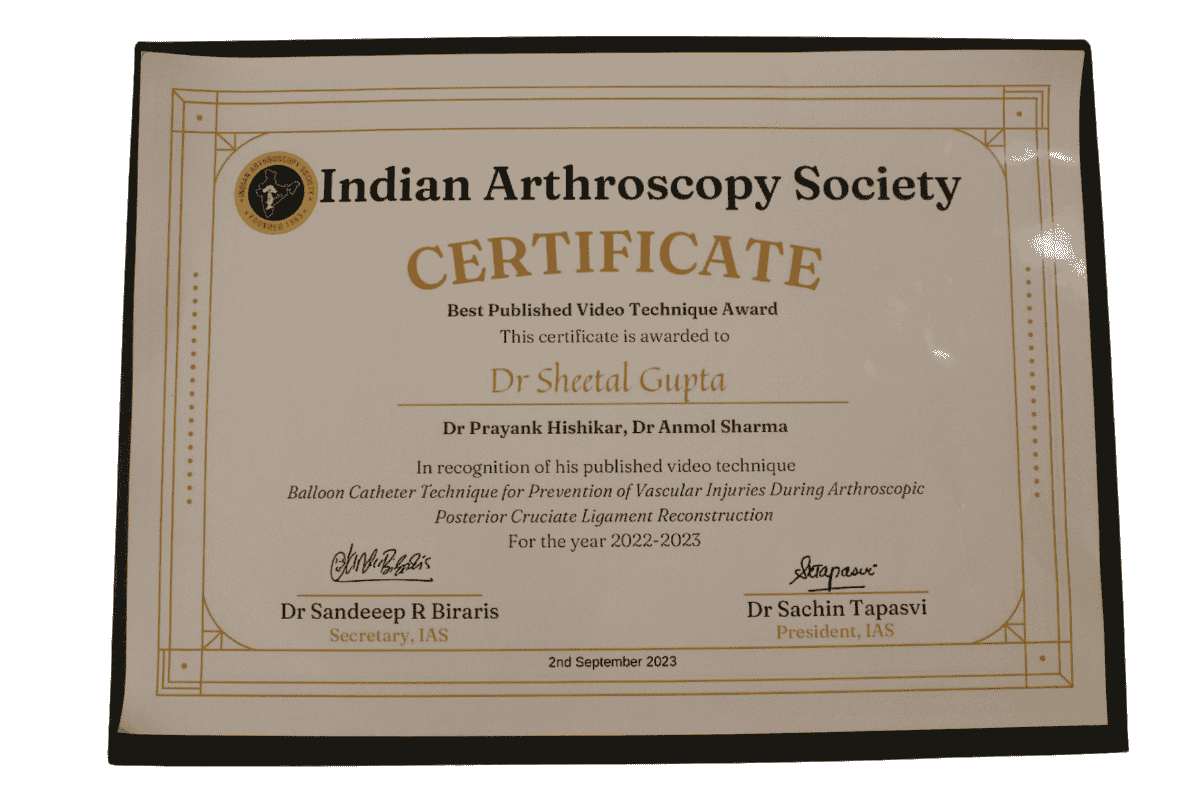
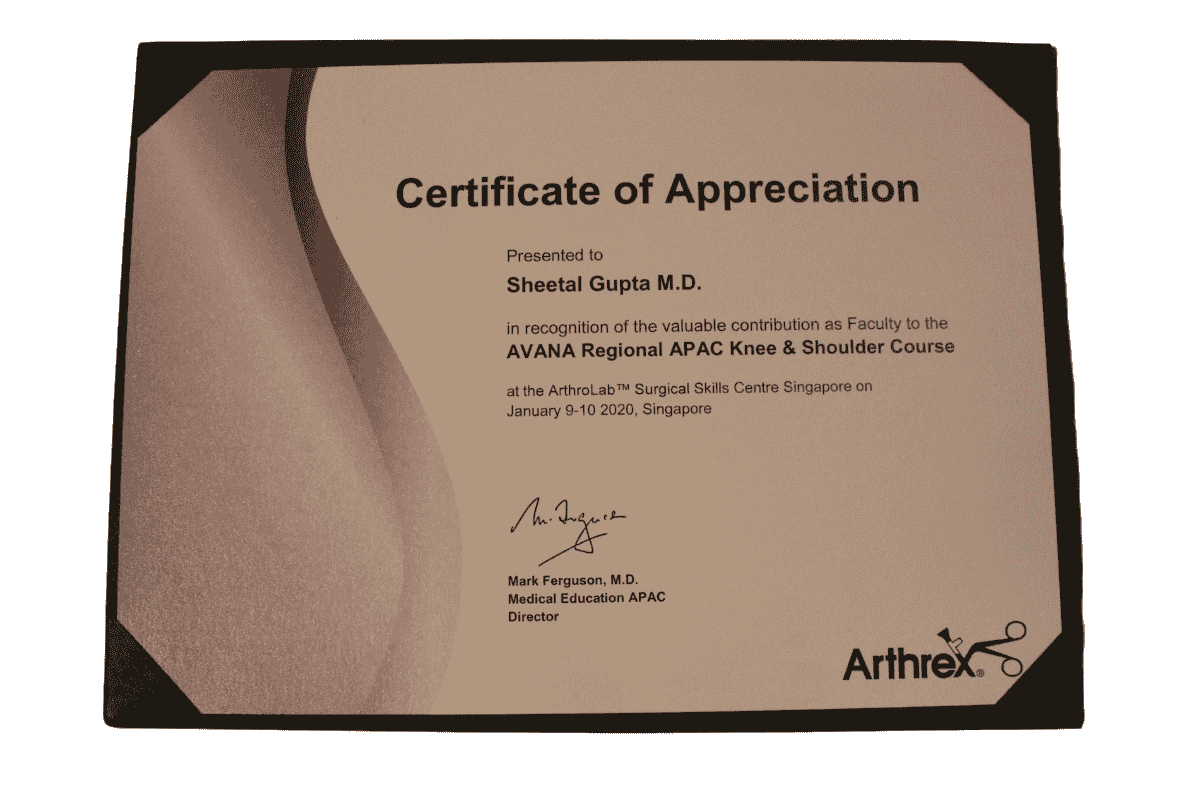
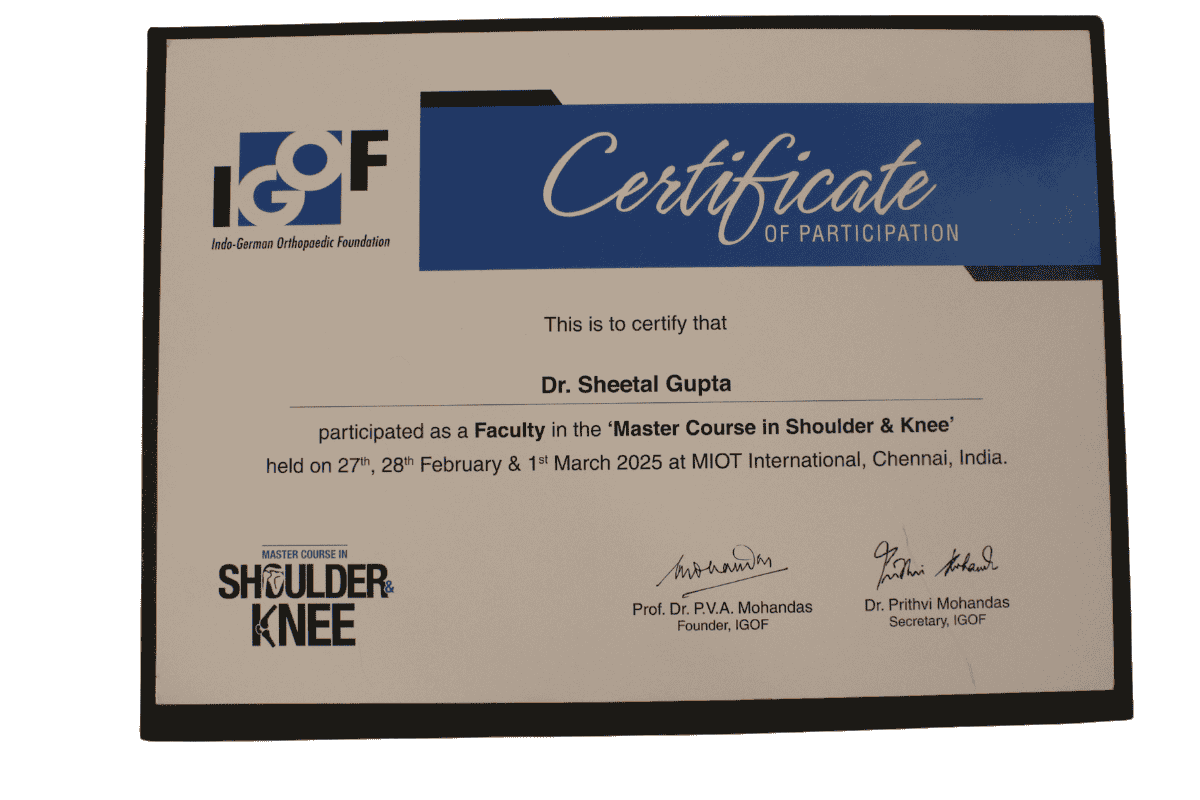
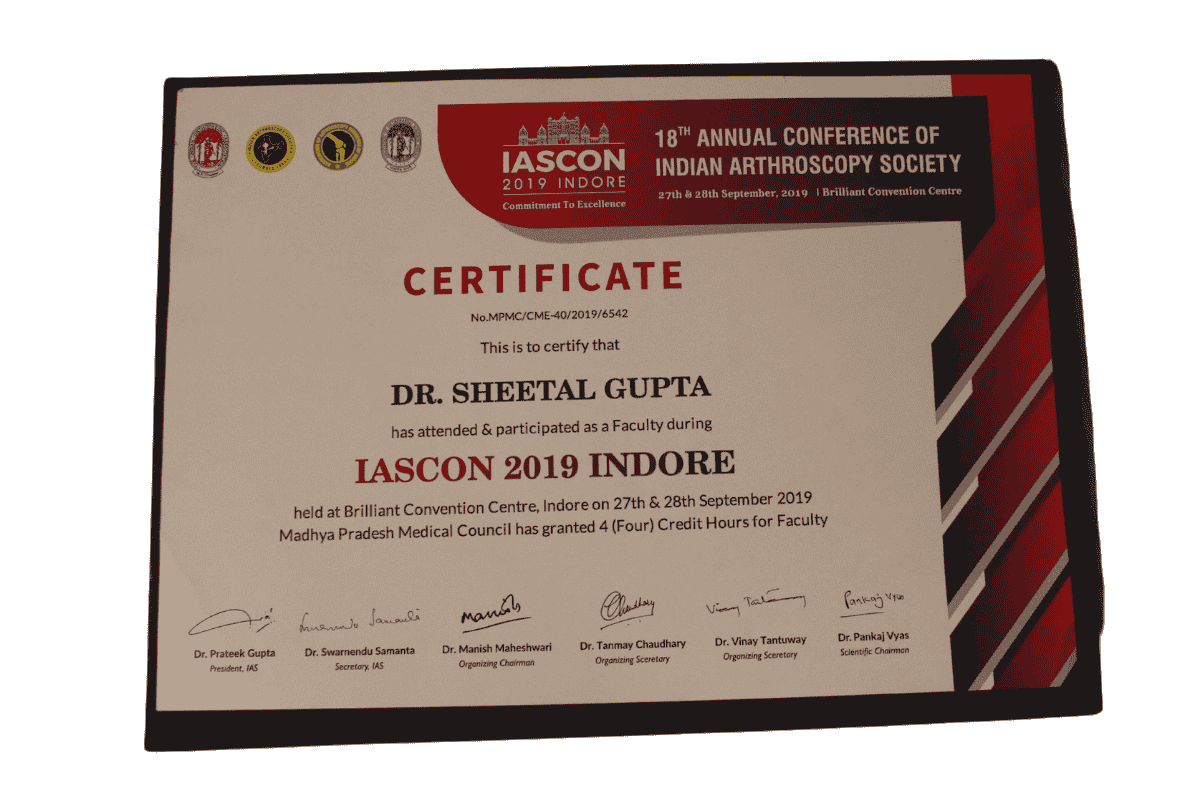
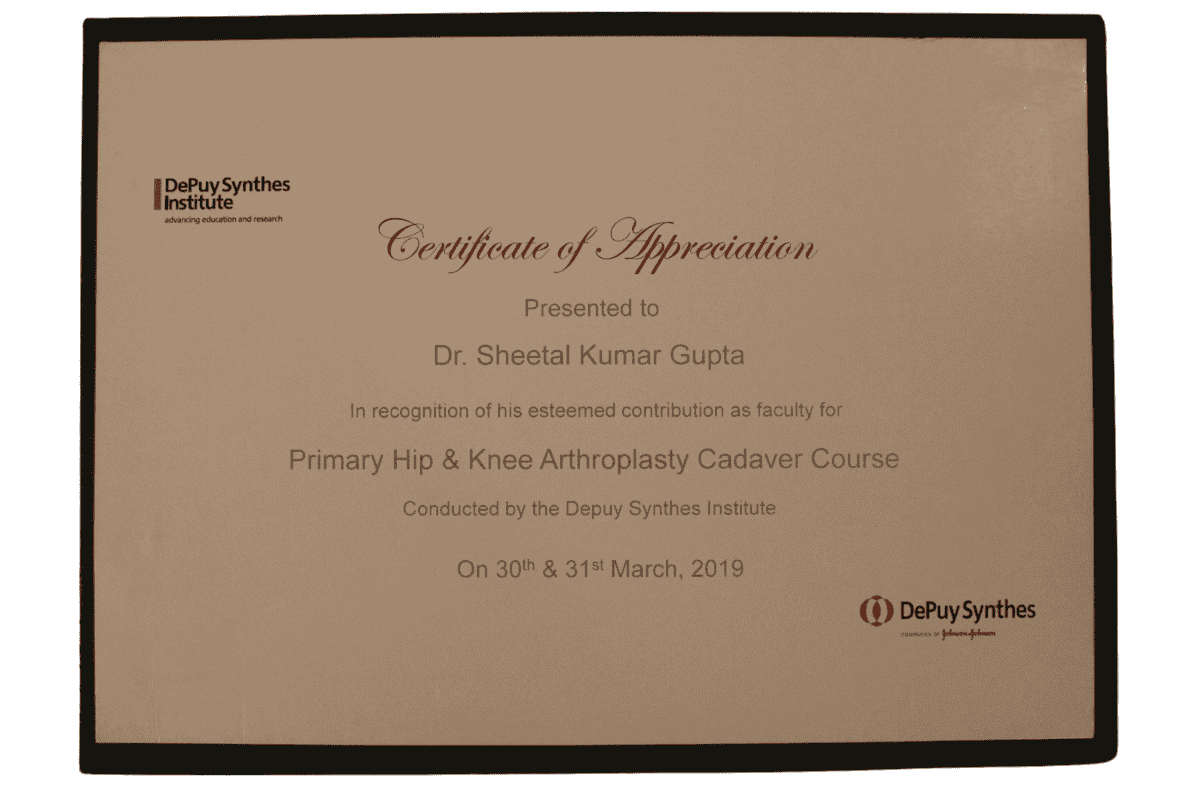
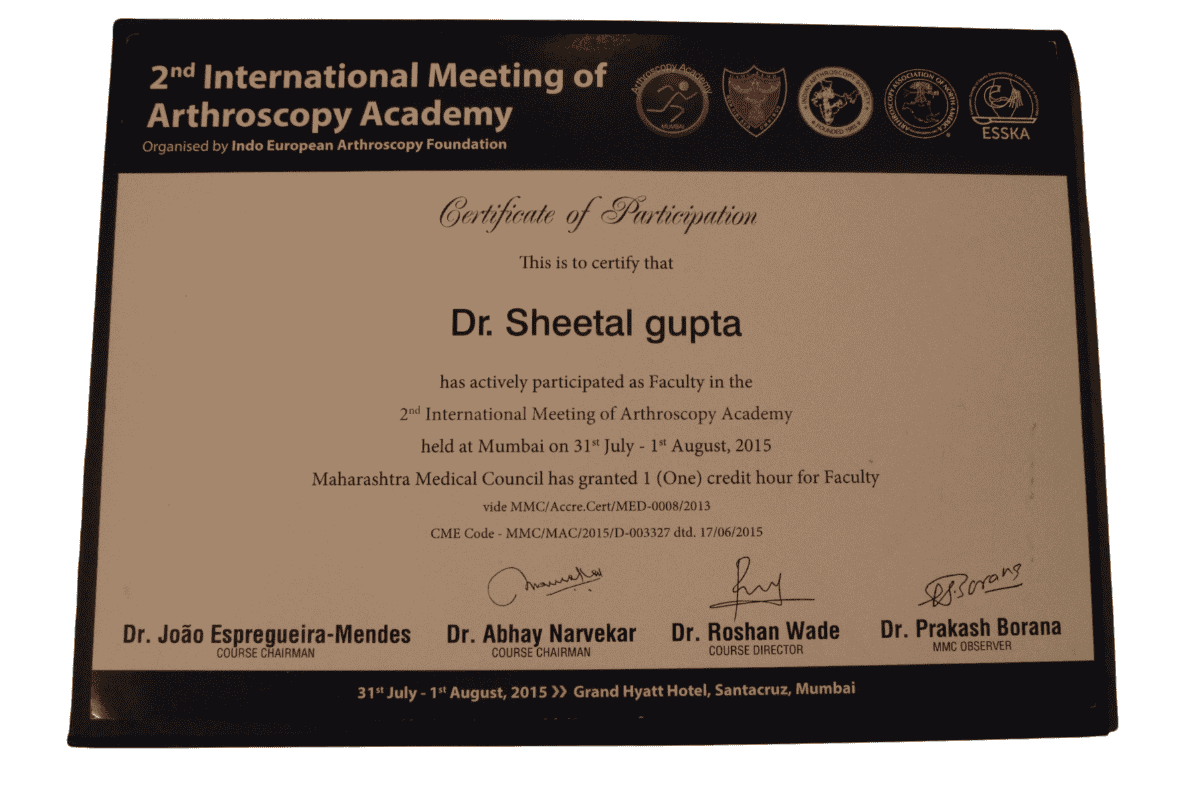
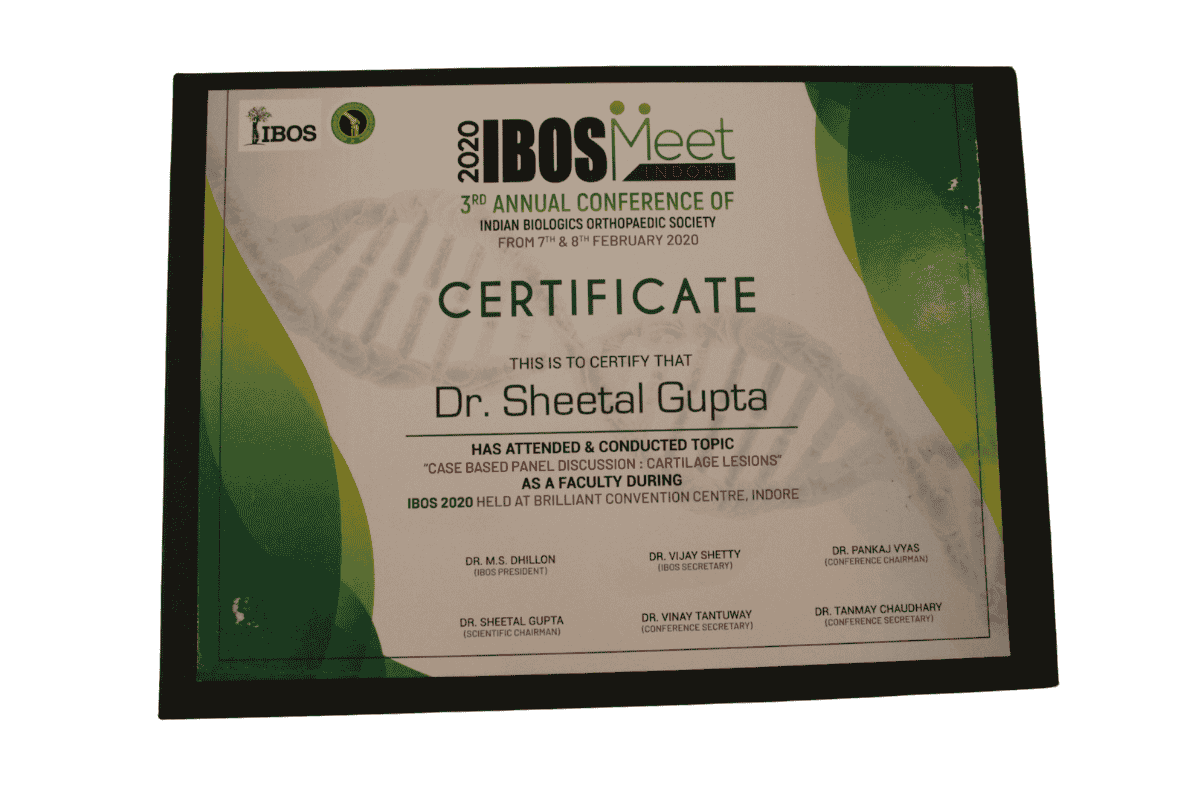
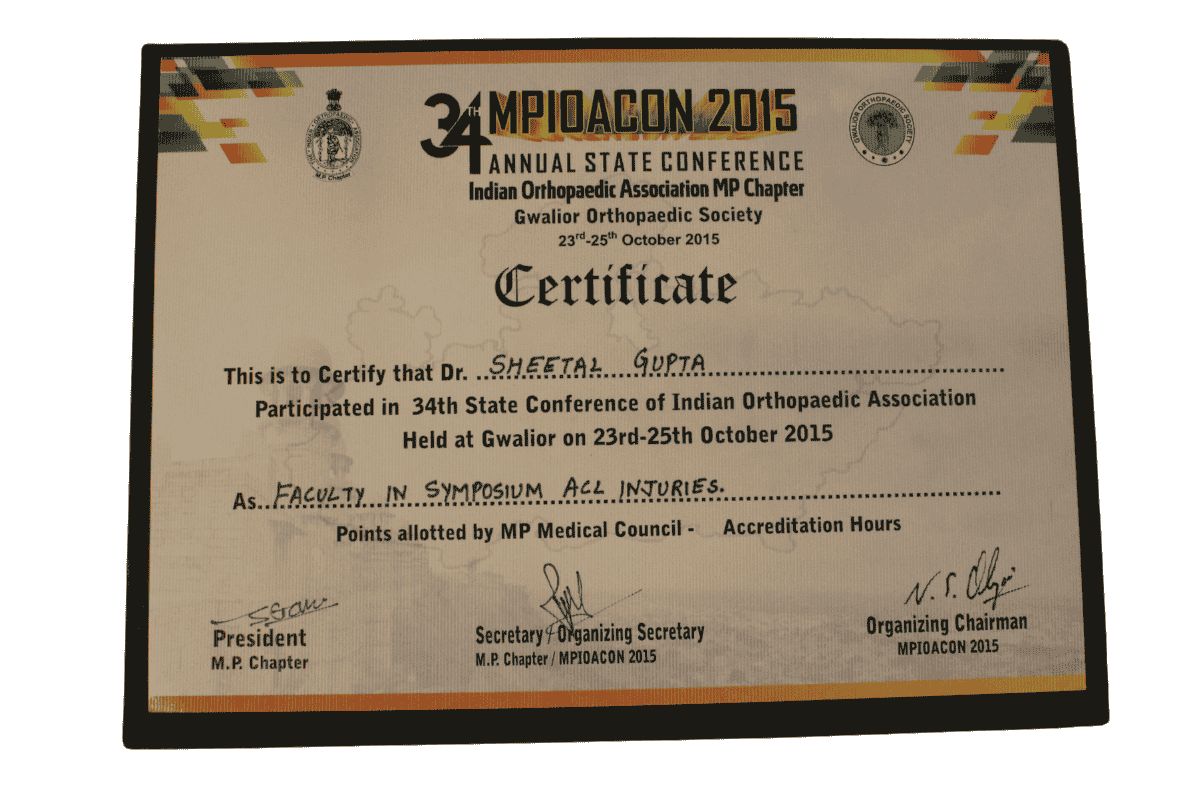
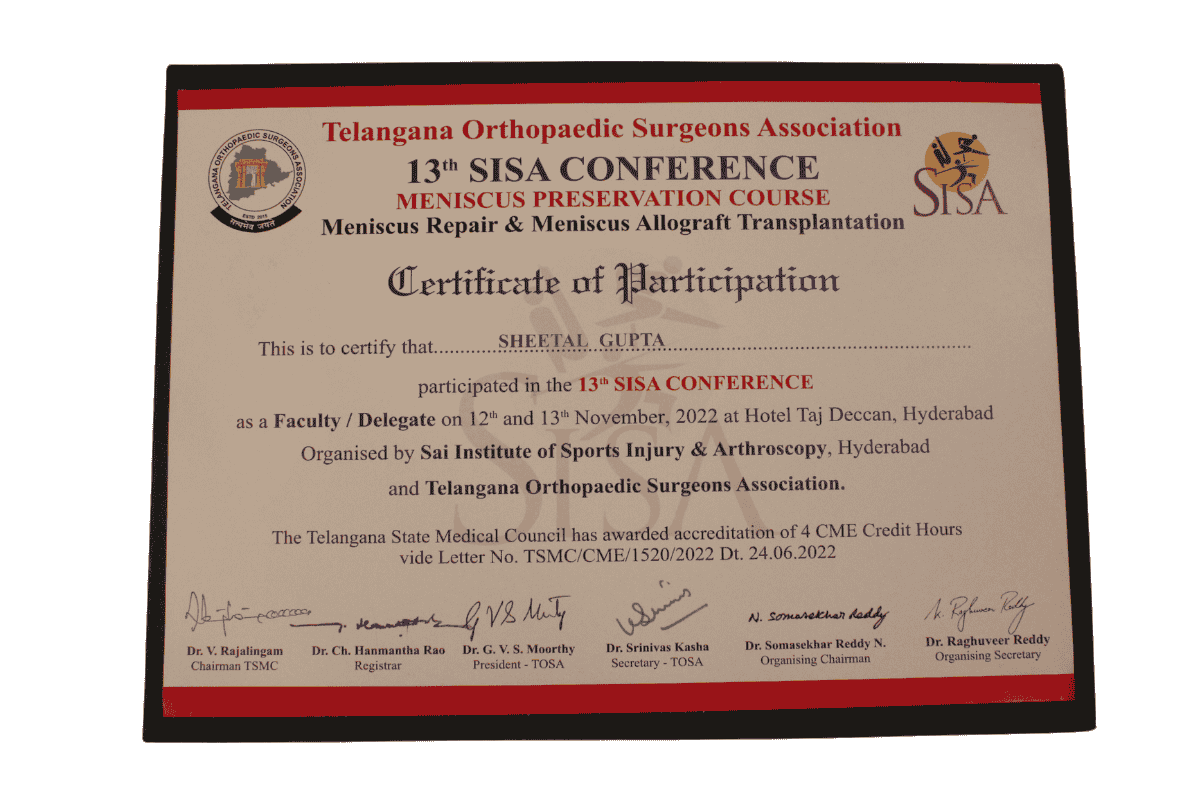
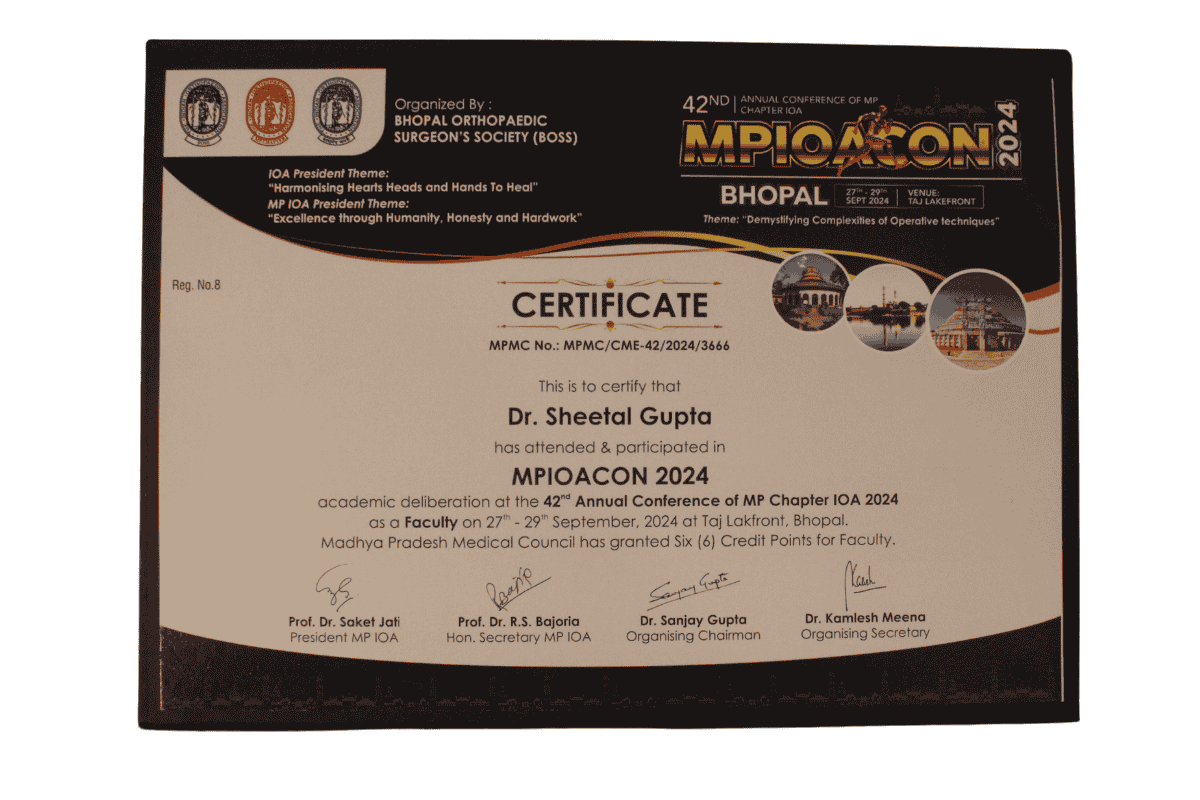
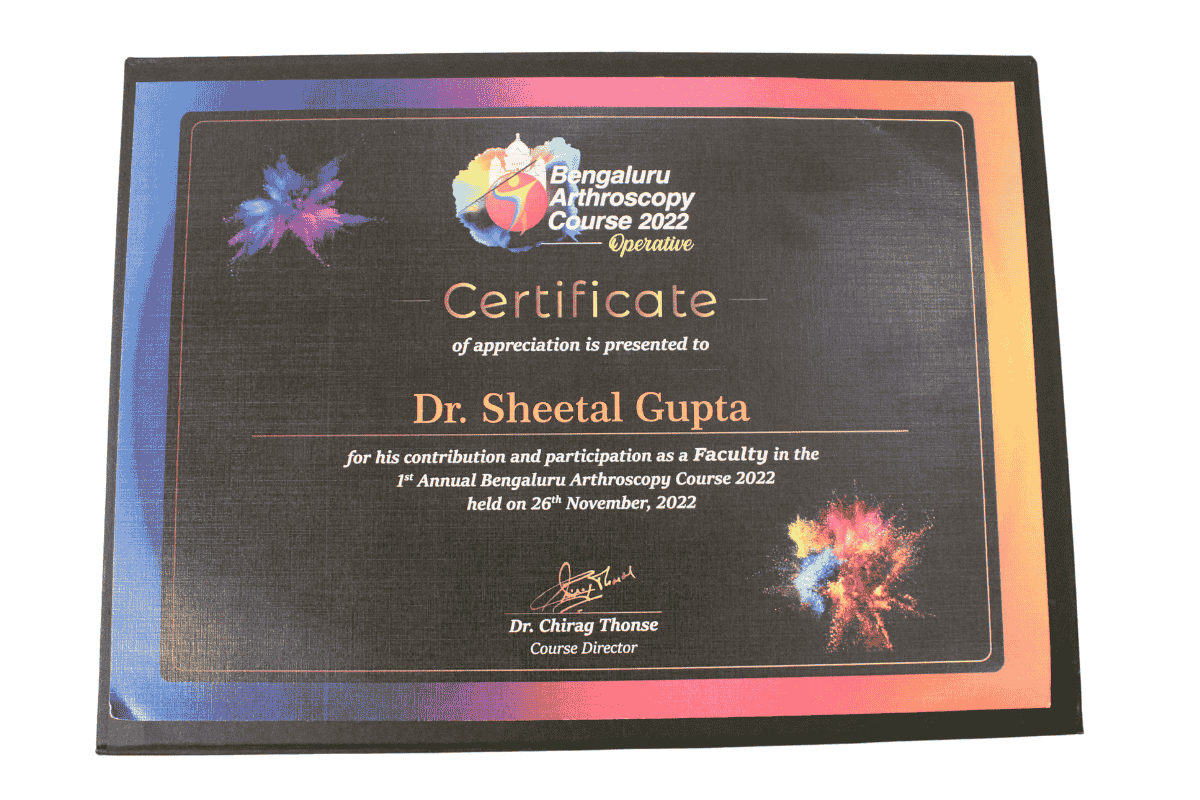
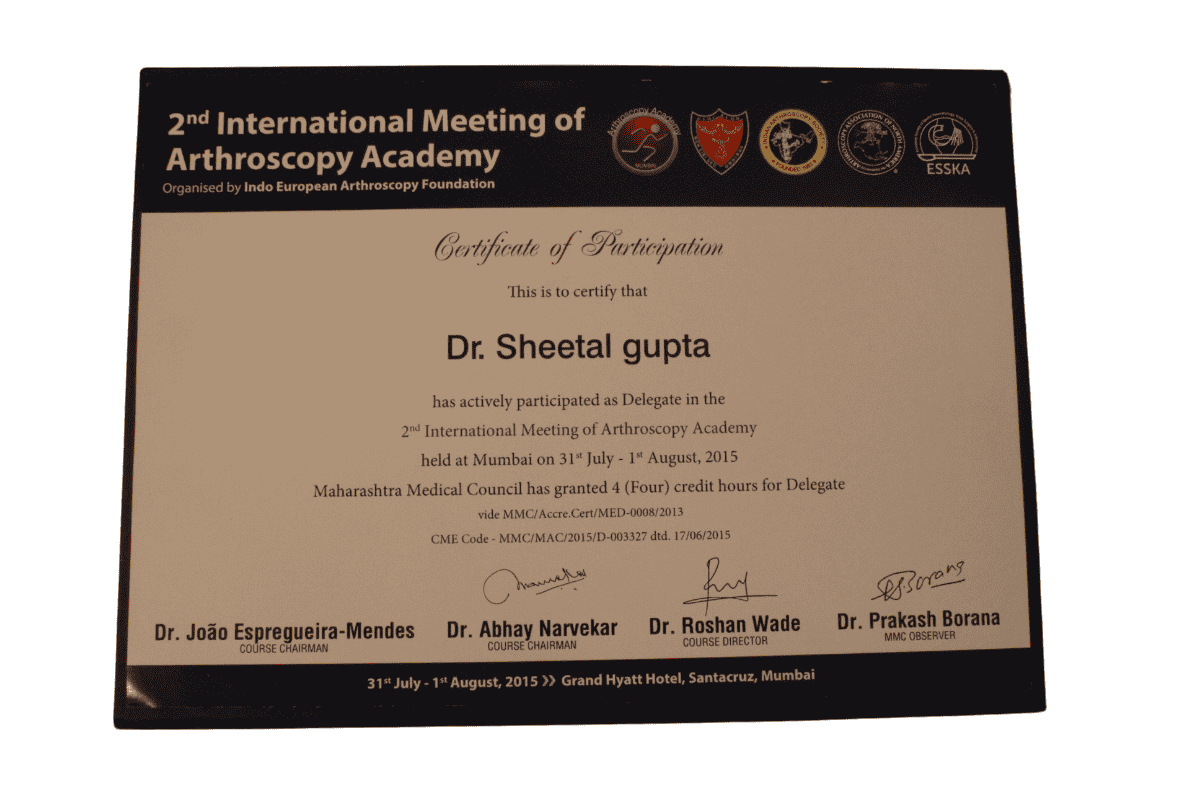
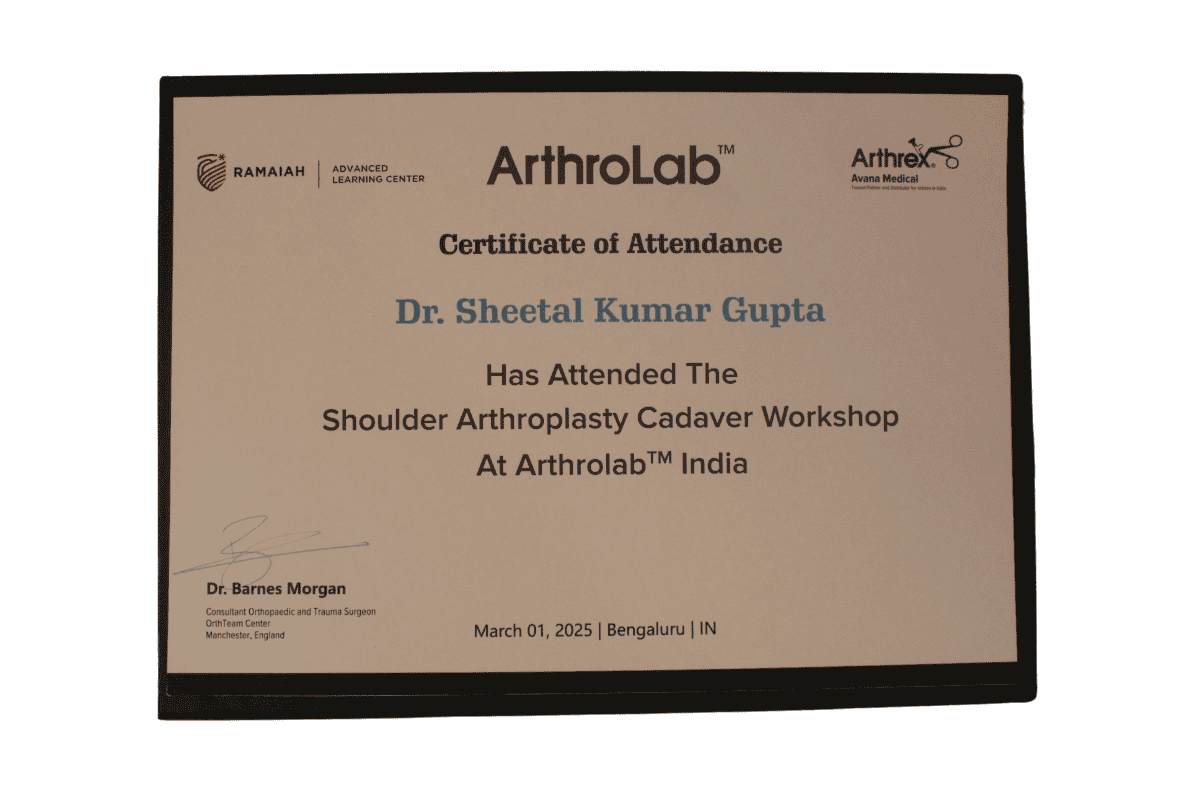
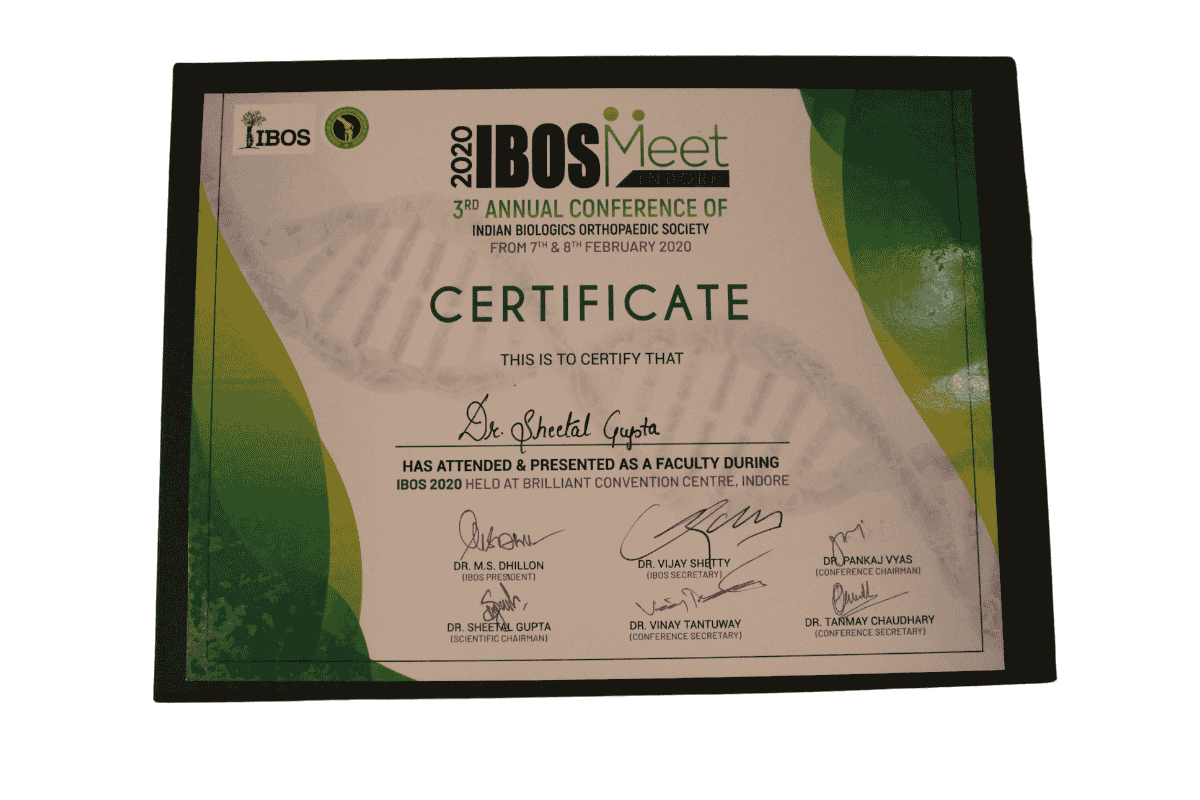
Publications
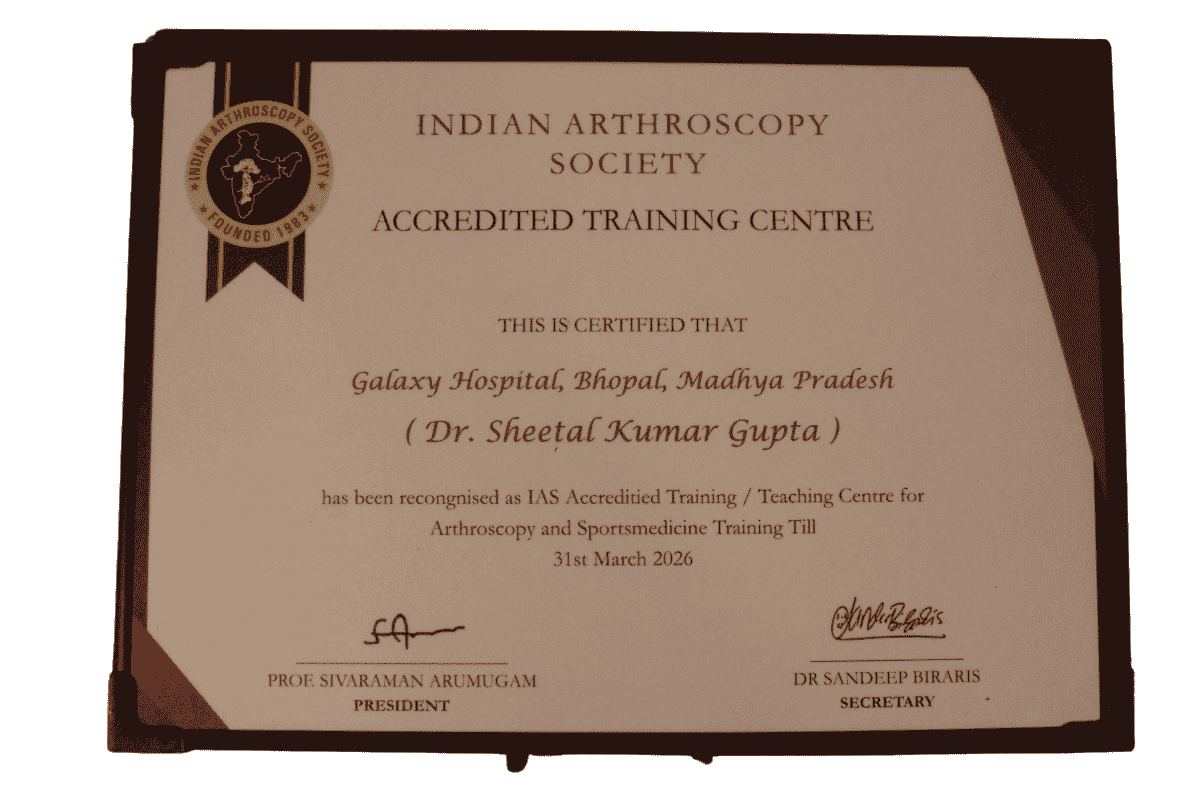
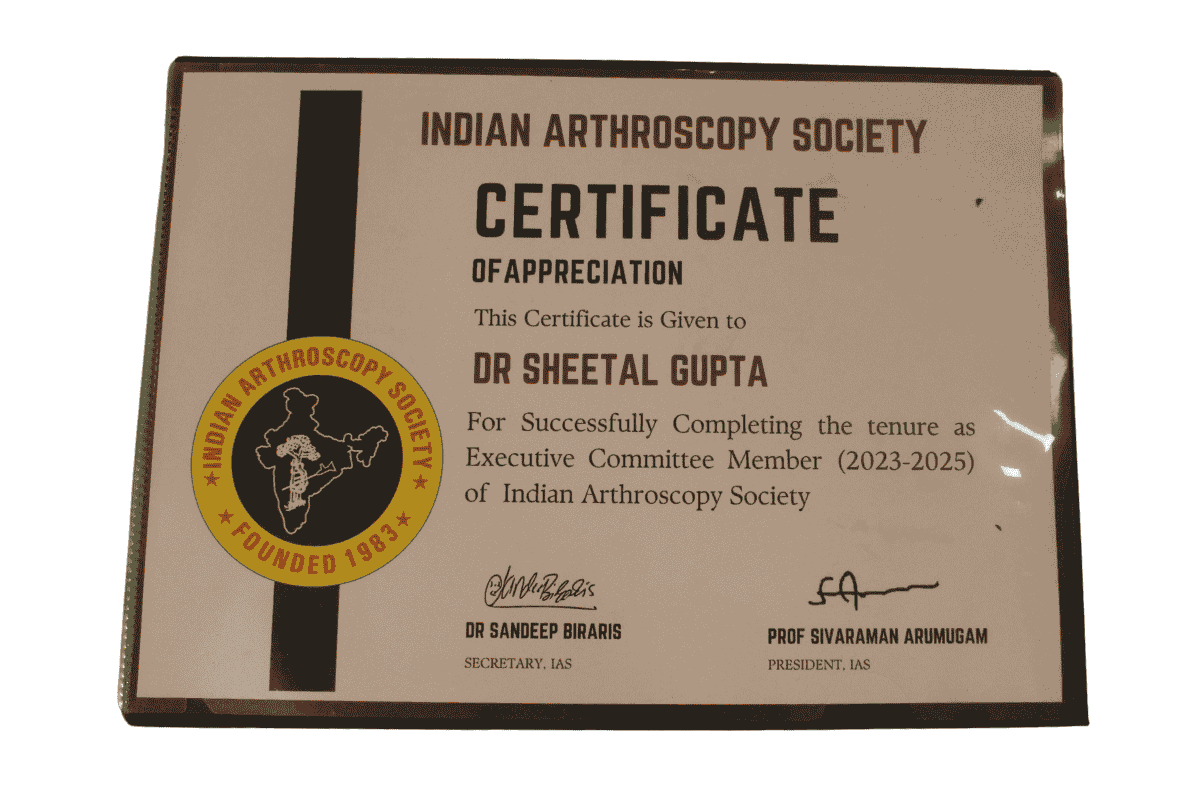
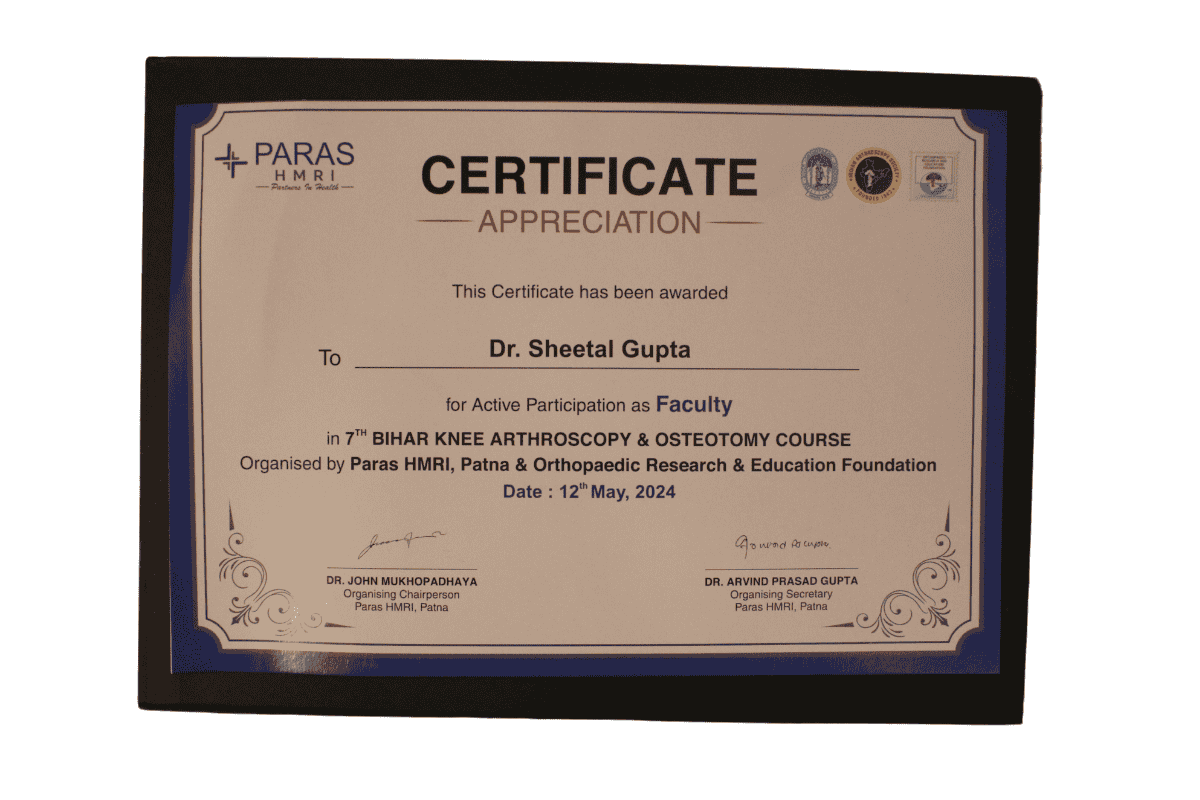
Author Bio
Dr. S.K. Gupta | MS Ortho. (Mumbai) | FAANA (USA) | FIAS (Japan) | FAPOA (Singapore)
Director — Arthroscopy & Joint Replacement, Apollo Sage Hospital, Bhopal
Dr. S.K. Gupta is a Senior Orthopaedic, Knee & Shoulder Surgeon with 21+ years of experience and 12,500+ surgeries performed. He holds an MS in Orthopaedics from LTMMC Medical College & Sion Hospital Mumbai and international fellowships from Japan, USA, Singapore, and Delhi. Widely known as the “Meniscus Man of India”, he is the first arthroscopy surgeon from India to receive the prestigious FAANA Fellowship and is recognized by the Abhinav Bindra Foundation Trust as a Centre of Excellence for Sports Surgeries. His surgical techniques are published in leading international journals.
Full Profile: https://drskguptaligamentsurgeonindia.com/about-dr/
Medical Disclaimer
The information on this page is intended for general educational purposes only and does not constitute medical advice. It does not replace a professional medical consultation, diagnosis, or treatment recommendation. Every patient’s condition is unique. Please consult Dr. SK Gupta or a qualified orthopaedic surgeon to determine the most appropriate treatment for your individual situation. Do not delay seeking professional medical advice based on information read on this website.
Why Choose Us for Shoulder Impingement Treatment
Why choose our "surgeon"?
- Our surgeon Dr S.K Gupta is a world renowned knee and shoulder surgeon with extensive experience of ACL and meniscus surgeries.
- He has over 21 years of focused work-experience in knee and shoulder arthroscopy and12500 + successful surgeries.
- He has experience of successful treatment of hundreds of International and national sports persons.
- His highest level of qualifications and mastery in his work, is the reason of making him first choice for ACL Meniscus treatment by patients from across the country.
Why Choose Us?
- The hospital is dedicated Arthroscopy Centre with highest number of ACL and meniscus surgeries.
- This makes every member of the team in your service, highly competent and experienced for ACL and Meniscus surgery pre-op, intra-op, post-op and rehabilitation management.
- The hospital is well known for affordable cost and cashless facility with combination of best surgeon, best equipments, best implants, and specially trained team for knee and shoulder surgery care.
Why does "surgeon's experience" matter?
- The successful result of surgery depends very much on the detailed and focused expertise of surgeon and his team.
- Experience and skills of your surgeon is the most important factor for successful result.
- You must research well about it, as the primary surgery is the most important chance.
Why choose our "operation theatre" and OT team?
- Hi-Tech modular operation theatres, high precision International equipments for arthroscopy, world class OT machinery specific for knee and shoulder surgery
- Protocol based and highly skilled OT team with focussed work in knee and shoulder arthroscopy plays a vital role in surgical success.
- All our operation theatres are well equipped with planum with HEPA filters. High efficiency HEPA filters can remove 99.97 to 99.99% of airborne particles including smallest bacteria to the size of 0.3 microns. This helps to safeguard our patient from infections.
- The hospital has well defined “infection control guidelines” to be followed by all team members. This helps in reducing the infection rate to less than 0.1%.
- “Triple Level checks” for sterility and disinfection of implants and OT support materials is strictly followed.
- “WHO surgical Safety protocol” for Sign-IN, Time-Out, Sign-Out is adhered to In 100% patients.
- “High pressure autoclave with Pre-Vac” and “ETO sterilization” procedures are used.
- Wheeling in, Wheeling out and anaesthesia safety protocols are strictly followed. One Way Traffic protocol is followed.
- Central Medical gases oxygen and nitrous supply And central suction systems are in place.
- Pressure Dampeners are active to maintain OR pressures. Humidity Checks are done to maintain evidence based recommended guidelines.
Why "post-op care" matters?
KPI (Key Performance Indicators) are being regularly caught, audited and analyzed. Team Galaxy takes utmost care and as a result the captured para are between 0 to 0.13%. This practice is one of the central reasons for our very high success rate. The para captured and assessments done are like-
- CAUTI
- PVC IR
- SSIR
- BTRI
- Med EI
- Fall Risk assessment
- Vulnerability Score
- Pain Score
- Pressure Sore vulnerability Assessment
- Patient Satisfaction Index
Post Op care team is regularly following Care Bundles like-
- PVC insertion Care Bundle
- PVR Daily Care Bundle
- Catheter Insertion Care Bundle
- Catheter Daily Care Bundle
- SS care Bundle
- WHO Hand Hygiene Protocol
- Universal Precautions
Patient Safety Protocols being followed are like-
- “7 Level Check” for Side identification
- Pre-Operative Checklist
- BT prep and safety protocol
- Belongings and Material Handover Protocol
- Surgical Site Marking Protocol
- Patient Identification Protocol
- Admission and Discharge Protocol
- Checklist for shifting from OR to Recovery SICU
- Checklist for shifting from SICU to Ward
- The finest details of immediate post-op depends on the expertise of medical, nursing and rehabilitation team.
- Since our hospital serves only for these surgeries, every member is extensively trained, as compared to any other general Orthopaedic Hospital serving many types of surgeries.
Why does our "rehabilitation team results" excel?
- The team follows “Surgical age-based assessments and reassessments” to formulate the customized care.
- Rehab is planned “One-O-One as per the milestones achieved” by the patient till visit date.
- Phases of Rehab are scientifically based on division into Macrocycle, Mesocycle and Microcycles of care, the Pre-Injury level of activity, the Surgical details of patient as per the surgeon; and “not one size fits all” method.
- The “5-Staged Plan of Care” of post op rehabilitation is followed for holistic recovery of patients –
- Protection & Activation
- Recovery of Range
- Strength Development
- Functional Integration Inclusion
- RTS If Sports Person
- Sports-Persons’ prolonged follow up to Return To Sports after RTS Testing is followed.
- Regular skill upgrade training of team is done as per new international guidelines.
- Our Physiotherapy team serves large number of ACL and meniscus surgery post operative patients, with close follow up, for return to normal and return to Sports.
- This huge experience in knee and shoulder surgery rehabilitation is the reason for their best results.
- Our successful results are the reason, why our old patients send other patients for similar results.
Contact Us


Happy to Serve Pt. From Various Cities
- Mumbai
- Chennai
- Lucknow
- Bengaluru
- Hyderabad
- Kolkata
- Surat
- Ahmedabad
- Pune
- Jalandhar
- Jaipur
- Jalgaon
- Solapur
- Chandigarh
- Nashik
- Goa
- Ranchi
- Madurai
- Kanpur
- Kochi
- Noida
- Coimbatore
- Jamshedpur
- Ludhiana
- Rajkot
- Amritsar
- Guwahati
- Dehradun
- Bhubaneswar
- Kota
- Agra
- Meerut
- Varanasi
- Aurangabad
- Jodhpur
- Vijaywada
- Raipur
- Sri Nagar
- Vadodara
- Cuttack
- Gwalior
- Nagpur
- Aligarh
- Bhopal
- Jabalpur
- Ujjain
- Udaipur
- Moradabad
- Chhindwara
- Patna
- Indore
- Shahdol
- Umaria
- Sagar
- Dewas
- Mandsaur
- Neemuch
- Ratlam
- Singrauli
- Prayagraj